Introduction
Many children recognize letters, numbers, and basic geometric forms long before their fine motor control and hand muscles are actually ready to form them on paper. According to the American Occupational Therapy Association, foundational fine motor skills—such as proper grasp development, bilateral coordination, and finger dexterity—must mature before a child can successfully manage sustained pencil control. Witnessing a toddler eagerly try to copy a circle or draw a straight line, only to grip the crayon with a whole-fist clench and grow frustrated, is a common classroom and clinic observation. Bridging this developmental gap requires targeted preparation that honors young physical timelines. The free printable early tracing shapes toddlers resource offers a low-pressure, engaging bridge between visual understanding and physical execution. Through playful geometric exploration, young learners build the exact hand-eye coordination and stroke control needed for future handwriting success.
💡 Educational Key Takeaways:
- Core Skill: Structured Early Tracing Shapes Toddlers focused on developing pencil grip, stroke control, and early literacy/math confidence.
- Target Scope: Suited for homeschoolers, preschool, kindergarten, and elementary learners.
- Best Recommendation: Practice 10–15 minutes daily with ergonomic writing tools to reinforce muscle memory without hand fatigue.
What This Worksheet Covers
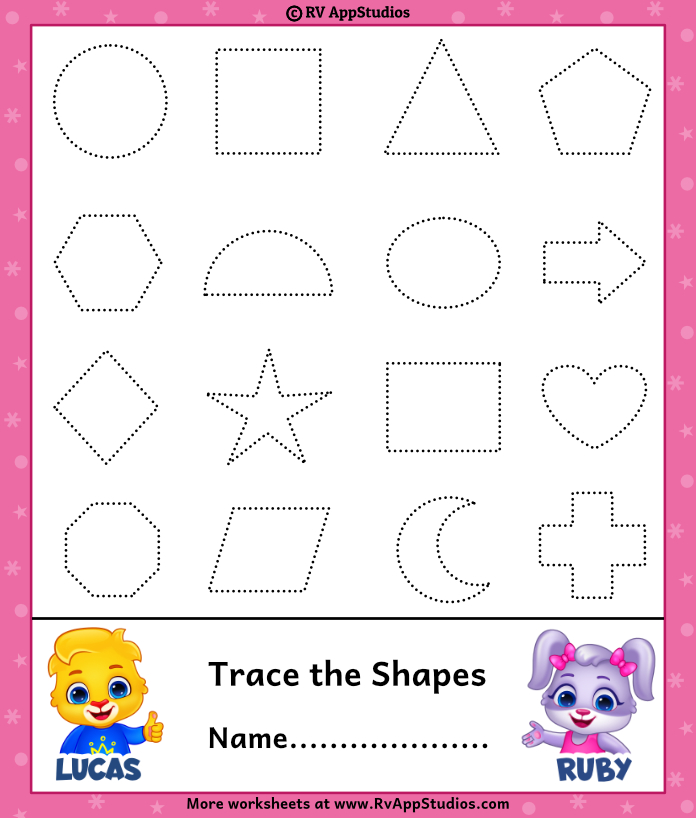
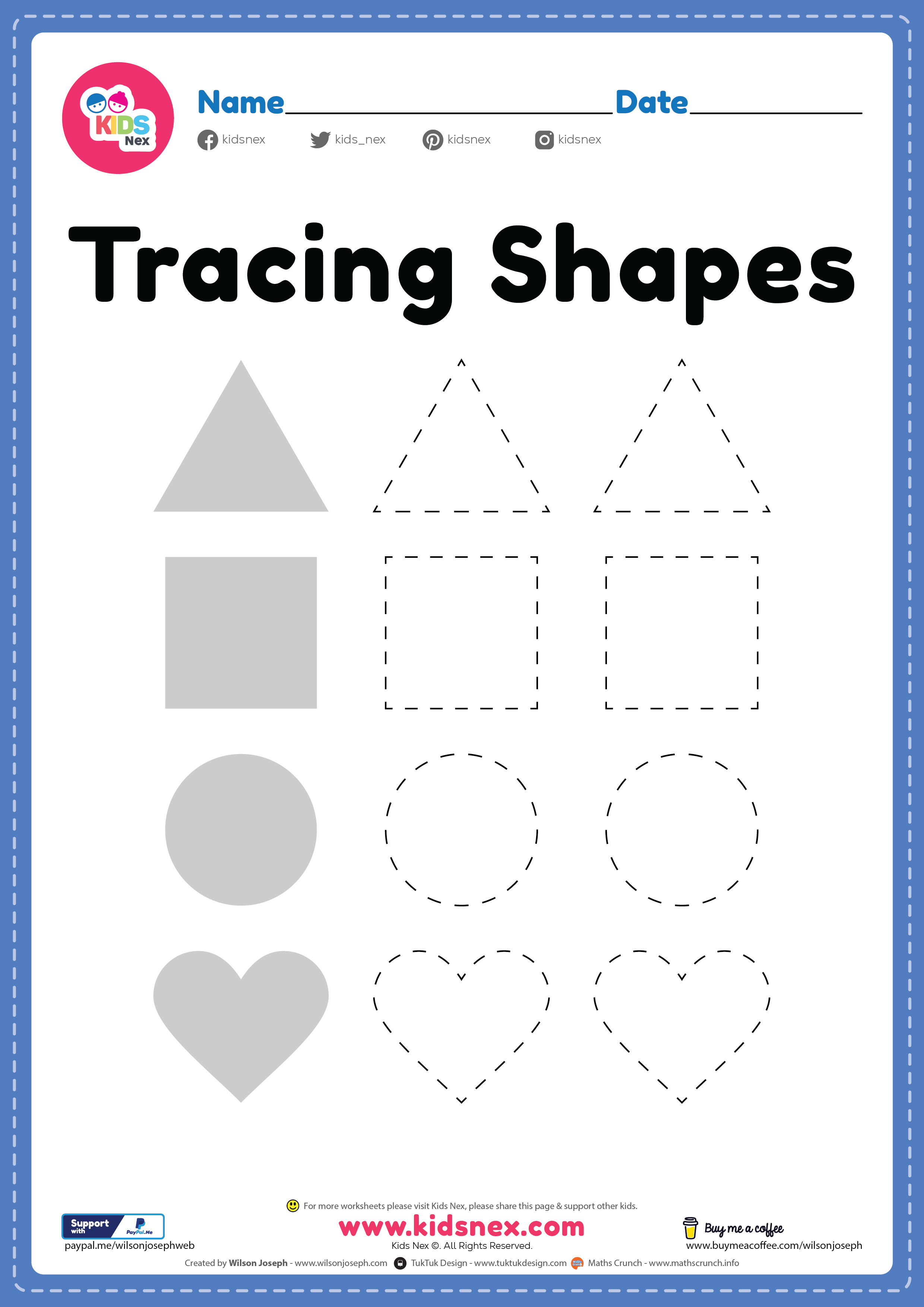
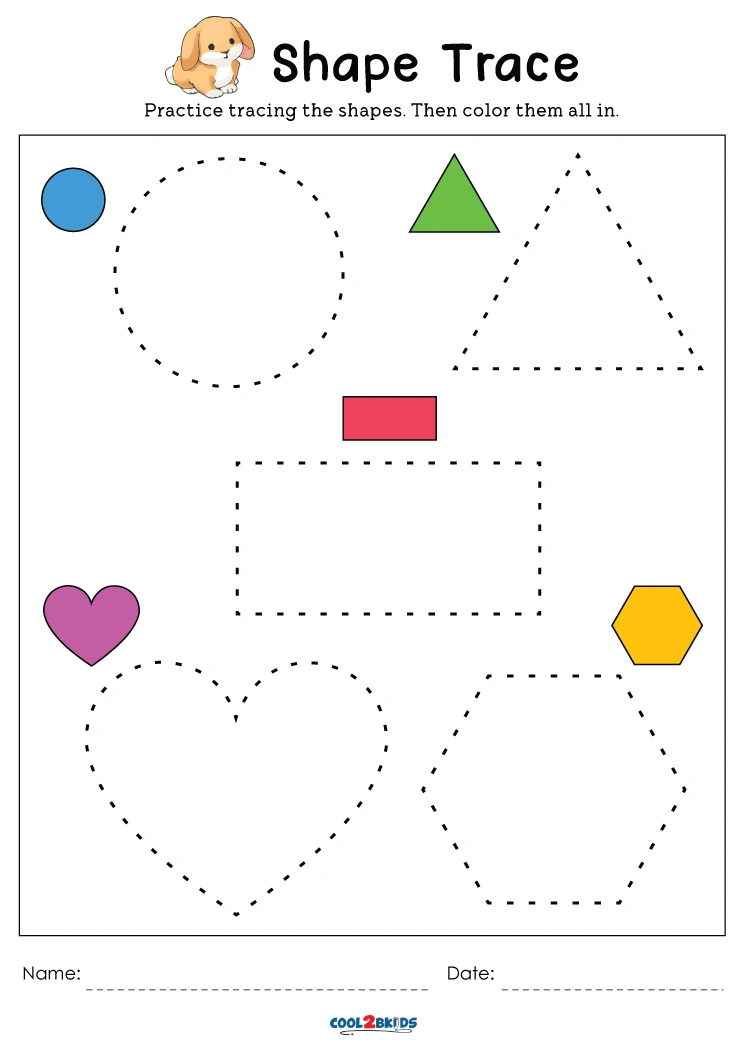
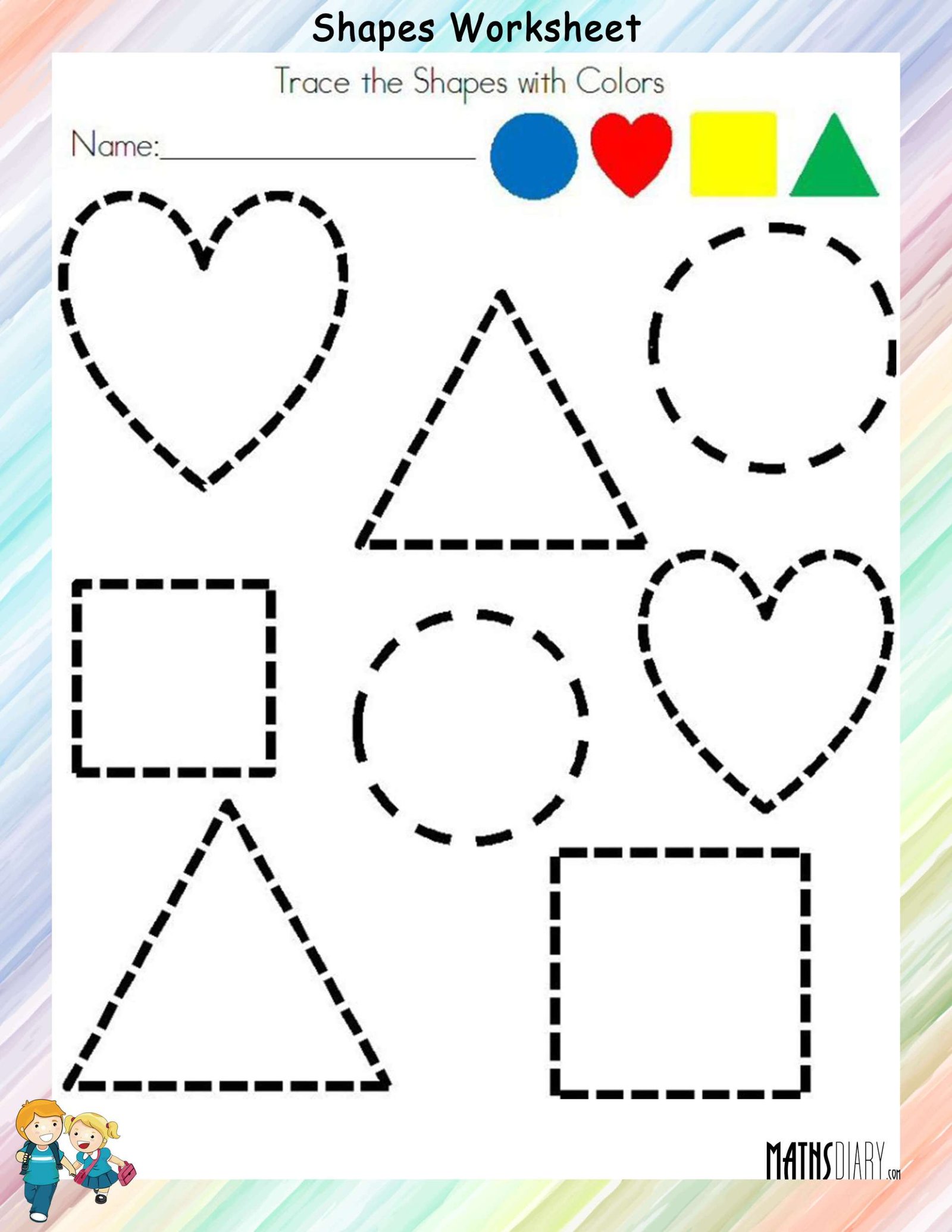
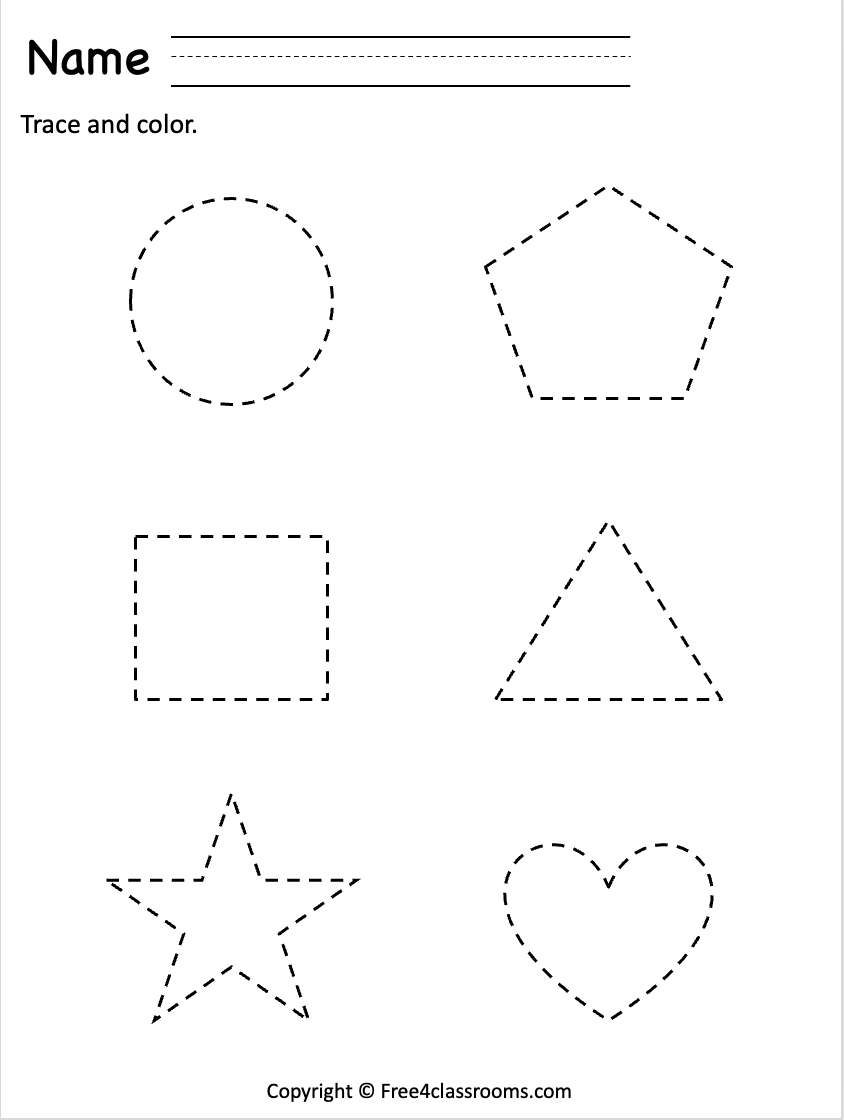
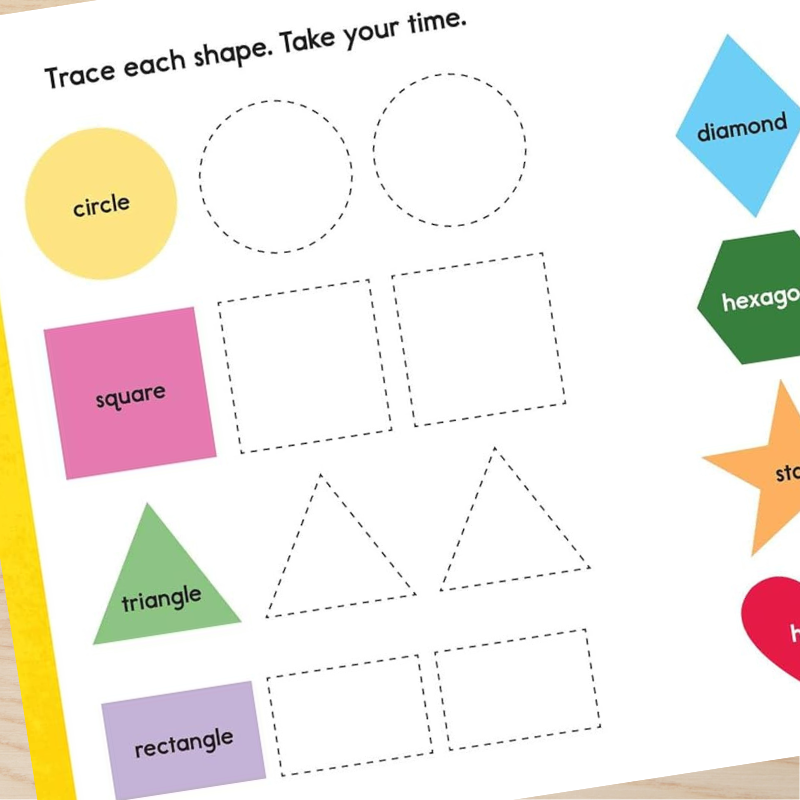
This foundational printable focuses on introducing basic geometric shapes—circles, squares, triangles, and horizontal or vertical lines—through structured visual paths. Each page uses bold, uninterrupted outlines and directional arrows designed specifically for little hands learning how to coordinate visual input with motor output. Instead of demanding immediate perfection, the layout encourages repeated motion, helping children understand spatial boundaries, corner turns, and continuous curves. By isolating simple shapes before introducing complex letters or numbers, the material targets the exact pre-writing strokes that occupational therapists rely on to build hand strength and flexibility. It aligns closely with broader developmental goals found within Shape and Line Tracing collections, offering a natural progression from freeform scribbling to guided control.
Key Learning Outcomes
Engaging with these geometric outlines helps young learners master critical developmental milestones in a progressive sequence. Children first learn to visually track shapes from top to bottom and left to right, strengthening visual-spatial awareness and tracking necessary for reading. Next, hands-on practice builds intrinsic muscle strength in the fingers and thumb, which directly supports a mature functional pencil grasp. Learners also develop bilateral coordination by stabilizing the paper with a non-dominant hand while the dominant hand traces the shape. Finally, completing these paths fosters sustained attention, frustration tolerance, and a sense of pride in independent creative work.
How to Use This Worksheet
Introducing these early geometry sheets should always feel like an invitation rather than a chore. Placing the printed sheet on a flat, stable surface helps ensure the child can anchor their arm comfortably without fighting awkward body angles. Beginning with thicker writing tools, such as short broken crayons, golf pencils, or chunky markers, naturally encourages a developing tripod grasp by discouraging a tight fist. Adults can demonstrate the tracing motion first, talking through the movement by saying phrases like “around we go” for a circle or “down, across, and up” for a triangle. Pairing these printables with supplementary activities from Fine Motor and Pre-Writing Skills helps reinforce muscle memory through multisensory play.
Practical Tips for Parents and Teachers
Scaffolding the learning experience makes all the difference when frustration peaks or hands tire easily. Adults can model proper hand placement by gently guiding the child’s hand for the first rotation before allowing independent practice. If a toddler struggles to stay inside the thick boundary lines, slipping the worksheet inside a heavy-duty plastic dry-erase sleeve allows them to trace with a whiteboard marker, making quick erasures stress-free. Extending the activity beyond the paper by asking the child to trace shapes in the air, in a tray of salt, or with playdough snakes deepens kinesthetic learning. Keeping tracing sessions short—around five to ten minutes—ensures that hand fatigue never eclipses the joy of discovery.
Age-Appropriate Recommendations
According to the National Association for the Education of Young Children Developmentally Appropriate Practice guidelines, toddlers between ages two and four are primarily focused on exploring sensory-motor feedback and mastering basic vertical and horizontal strokes. For these youngest learners, success is measured by enthusiasm, gross arm movements, and exploring the feeling of drawing rather than staying strictly on the dotted line. As children move into the five-to-eight age range, expectations shift toward controlled precision, consistent stroke directionality, and forming closed shapes independently. Educators can easily bridge these older learners into subsequent developmental stages by exploring Tracing Worksheets that transition from simple geometry to early letter formation.
Foundational fine motor skills, including grasp development and bilateral coordination, must mature before a child can achieve sustained, legible handwriting. — American Occupational Therapy Association (AOTA)
Frequently Asked Questions
Clear guidance helps caregivers maximize the benefits of daily pre-writing practice while keeping the experience positive and developmentally sound.
Explore More Free Printable Tracing Worksheets
Supporting a young child’s journey toward confident writing involves a rich variety of engaging, developmentally appropriate practice materials. Beyond foundational geometry, young learners thrive when they explore diverse stroke patterns, alphabet sequencing, and seasonal themes that capture their natural curiosity. Caregivers and educators are invited to browse the entire library of educational resources available at KidTraces.com to find supportive printables tailored to every stage of early childhood development. Whether focusing on letter formation or pencil control, having access to reliable, no-prep tools makes fostering early literacy both simple and joyful.
Developmental Milestone & Activity Table
| Development Stage | Recommended Daily Duration | Primary Learning Objective |
|---|---|---|
| Preschool & Pre-K | 10 – 15 Minutes | Pencil grip development & basic pre-stroke lines |
| Kindergarten | 15 – 20 Minutes | Letter/number formation & spatial line awareness |
| Early Elementary (Grade 1–2) | 20 – 30 Minutes | Fluency, sentence construction & neatness |
Images References