Introduction
Many children recognize letters, shapes, and numbers long before their fine motor skills can actually form them on paper. According to the American Occupational Therapy Association, foundational hand strength and dexterity are essential prerequisites that must develop before a child can master the physical demands of writing. Bridging this gap requires engaging, low-pressure activities that build muscle memory without causing hand fatigue. The free printable clothes line tracing worksheet offers a playful, highly effective bridge between cognitive readiness and physical execution, turning basic pre-writing strokes into an imaginative task.
💡 Educational Key Takeaways:
- Core Skill: Structured Clothes Line Tracing focused on developing pencil grip, stroke control, and early literacy/math confidence.
- Target Scope: Suited for homeschoolers, preschool, kindergarten, and elementary learners.
- Best Recommendation: Practice 10–15 minutes daily with ergonomic writing tools to reinforce muscle memory without hand fatigue.
What This Worksheet Covers
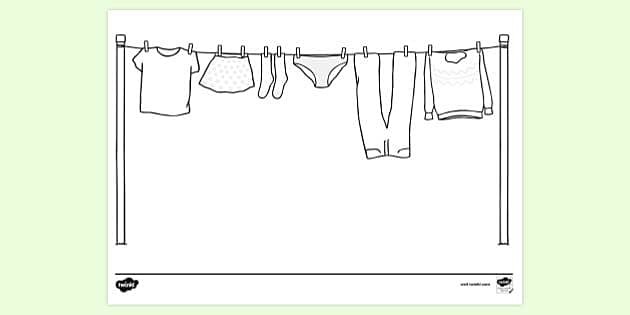
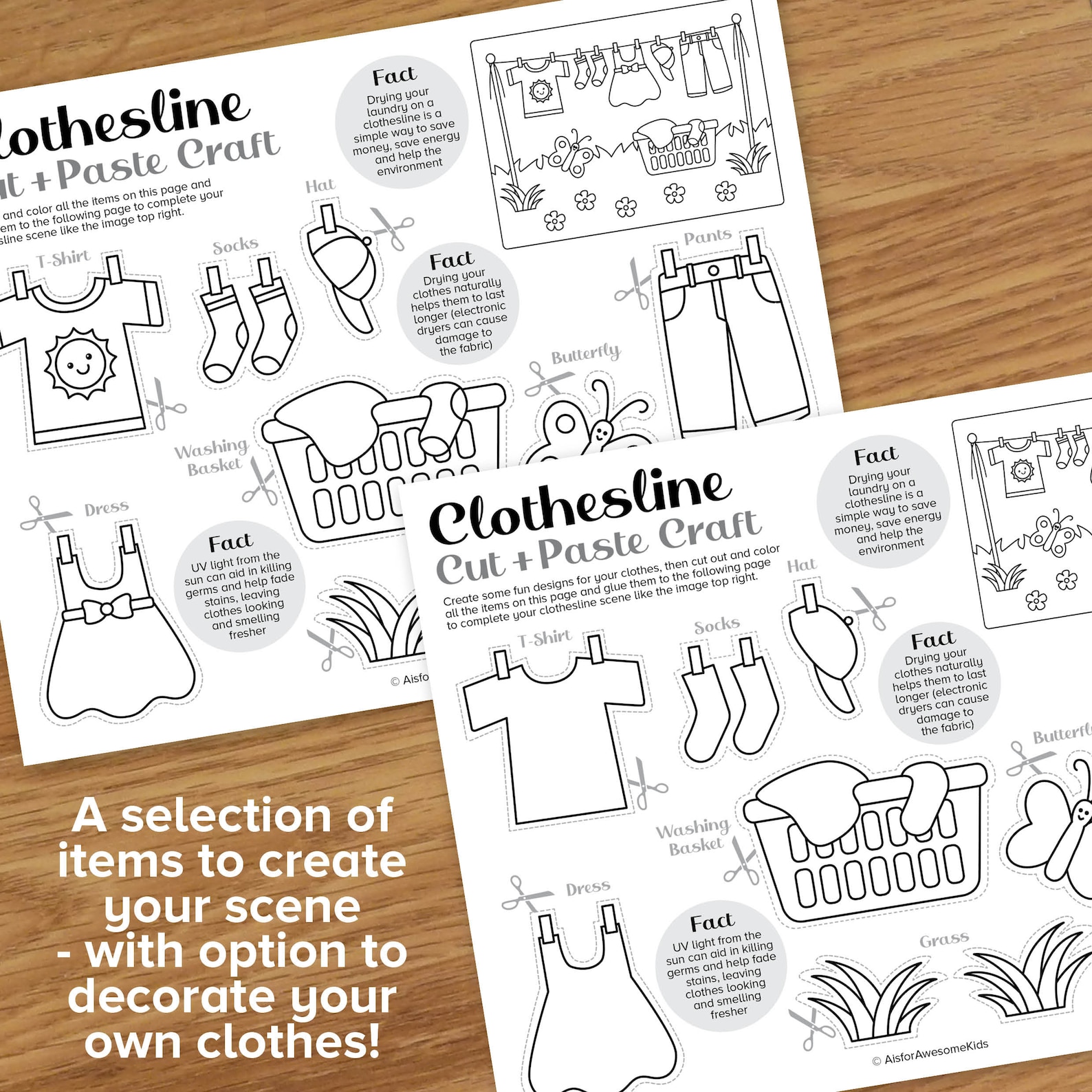
This resource transforms traditional pencil control practice into a delightful visual narrative featuring garments, clothespins, and washing lines. Children trace varied line styles that mimic sagging ropes, zig-zag folds, and gentle waves, which directly target the precise motor planning needed for letter formation. It sounds simple, and that is the point. By focusing on charming themes found within Seasonal and Fun Themes, the printout removes the intimidation factor often associated with blank pages and standard drills.
Key Learning Outcomes
Working through these visual pathways builds core physical competencies that support early literacy. Children develop enhanced visual-motor integration by visually tracking the line ahead of the pencil tip while simultaneously guiding hand movement. The exercise systematically strengthens the intrinsic muscles of the hand, particularly the thumb, index, and middle fingers responsible for a mature tripod grasp. Additionally, practicing continuous curves and sharp directional changes fosters fluid pencil control, setting the stage for smooth letter sequencing explored in Word and Name Tracing as children grow older.
How to Use This Worksheet
Successful implementation relies on keeping the environment relaxed and encouraging proper postural habits from the very beginning. Adults should ensure the writing surface matches the child’s height, allowing both feet to rest flat on the floor with elbows bent at a comfortable ninety-degree angle. Encourage starting each stroke from the designated starting point on the left side of the page, moving consistently toward the right to reinforce natural reading and writing directions. For children struggling with control, sliding the page inside a dry-erase sleeve allows them to practice the same paths repeatedly without paper tearing or frustration.
Practical Tips for Parents and Teachers
Here is what makes this worksheet different: it adapts easily to different skill levels through simple environmental adjustments. For younger learners just beginning their journey, try using thicker writing tools like short crayons or golf pencils, which naturally encourage a tighter, more functional grasp than standard long pencils. According to the National Association for the Education of Young Children, play-based pedagogical approaches significantly enhance persistence and fine motor acquisition during early childhood. When scaffolding the activity, guide the child’s hand gently through the first line to demonstrate the rhythm, then step back to let them complete subsequent lines independently, referencing broader physical milestones found within Fine Motor and Pre-Writing Skills.
Age-Appropriate Recommendations
Developmental expectations vary widely across early childhood, making it vital to match the activity to the child’s current motor stage. For children ages two to four, the focus should rest entirely on gross directional control, heavy vertical lines, and simple horizontal strokes, aligning with foundational CDC developmental milestones for physical growth. For children ages five to eight, the expectations shift toward precision, focusing on controlled curves, steady pacing, and maintaining consistent pressure as outlined in foundational handwriting curricula. Meeting children where they are developmentally ensures they build confidence alongside physical capability.
Foundational hand strength and dexterity are essential prerequisites for writing — American Occupational Therapy Association
Frequently Asked Questions
Navigating early childhood writing tools can raise questions for educators and families alike, so clear answers help ensure the best possible experience for developing learners.
Explore More Free Printable Tracing Worksheets
Supporting a young writer involves providing a rich variety of engaging, developmentally appropriate practice materials that grow alongside the child. Exploring the full collection of printable resources available at KidTraces.com offers endless opportunities to build confidence, hand strength, and foundational pre-writing skills across diverse themes and developmental stages. Get it free
Developmental Milestone & Activity Table
| Development Stage | Recommended Daily Duration | Primary Learning Objective |
|---|---|---|
| Preschool & Pre-K | 10 – 15 Minutes | Pencil grip development & basic pre-stroke lines |
| Kindergarten | 15 – 20 Minutes | Letter/number formation & spatial line awareness |
| Early Elementary (Grade 1–2) | 20 – 30 Minutes | Fluency, sentence construction & neatness |
Images References