Introduction
Toddlers often point to numerals on elevator buttons, street signs, and pages of favorite picture books long before their hands possess the strength to hold a traditional writing instrument. According to the Centers for Disease Control and Prevention developmental milestones, children begin showing an interest in drawing lines and imitating vertical strokes around the age of two. Many children recognize numerals long before their fine motor skills can form them on paper. Introducing early numerical awareness through a structured tracing numbers worksheet for 2 year olds bridges the gap between visual recognition and physical execution. It sounds simple, and that’s the point. Young learners thrive on low-pressure, highly visual activities that introduce the shape and flow of digits without the heavy burden of formal handwriting instruction. Utilizing targeted printables supports early spatial awareness, counting concepts, and hand-eye coordination in an engaging, developmentally appropriate format.
💡 Educational Key Takeaways:
- Core Skill: Structured Tracing Numbers Worksheet For 2 Year Olds focused on developing pencil grip, stroke control, and early literacy/math confidence.
- Target Scope: Suited for homeschoolers, preschool, kindergarten, and elementary learners.
- Best Recommendation: Practice 10–15 minutes daily with ergonomic writing tools to reinforce muscle memory without hand fatigue.
What This Worksheet Covers
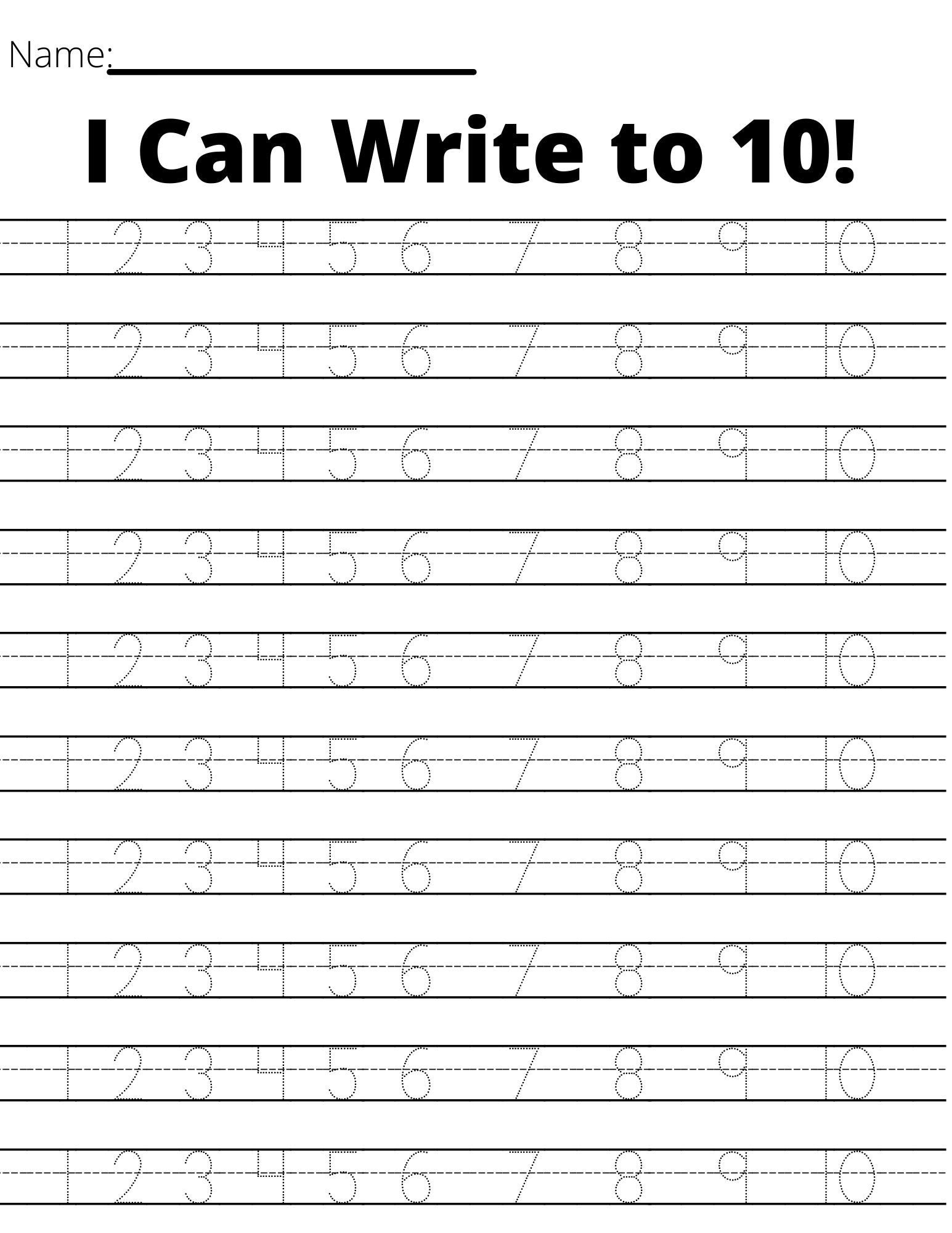
The primary focus centers on large, simplified numerals paired with directional cues designed specifically for toddler hands. Each page highlights a single number, reducing visual clutter and preventing cognitive overload for very young learners. Instead of dense grids of tiny numbers, these printables feature bold, thick dotted lines that accommodate the natural wide sweeps of a toddler’s grasp. According to the American Occupational Therapy Association, early fine motor activities must emphasize large muscle groups of the shoulder and arm before refining distal control in the fingers and wrist. This worksheet acts as an intentional stepping stone, introducing foundational stroke patterns like straight vertical drops and sweeping curves. Children explore the tactile nature of numbers by interacting with oversized numerals that invite finger-tracing, stamping, or early crayon exploration.
Key Learning Outcomes
Engaging with these intentional tracing layouts fosters several critical developmental milestones across early childhood. First, learners build visual-motor integration as their eyes guide their hands along the designated tracks of each numeral. Second, the repetitive exposure to digit shapes lays the groundwork for number recognition and early counting concepts, connecting symbol to quantity. Third, children develop bilateral coordination by holding the paper steady with one hand while marking with the other, an essential prerequisite for future academic tasks. Finally, completing these pages builds self-regulation and task persistence as toddlers learn to follow a path from a designated starting point to a clear endpoint, boosting confidence with every completed page.
How to Use This Worksheet
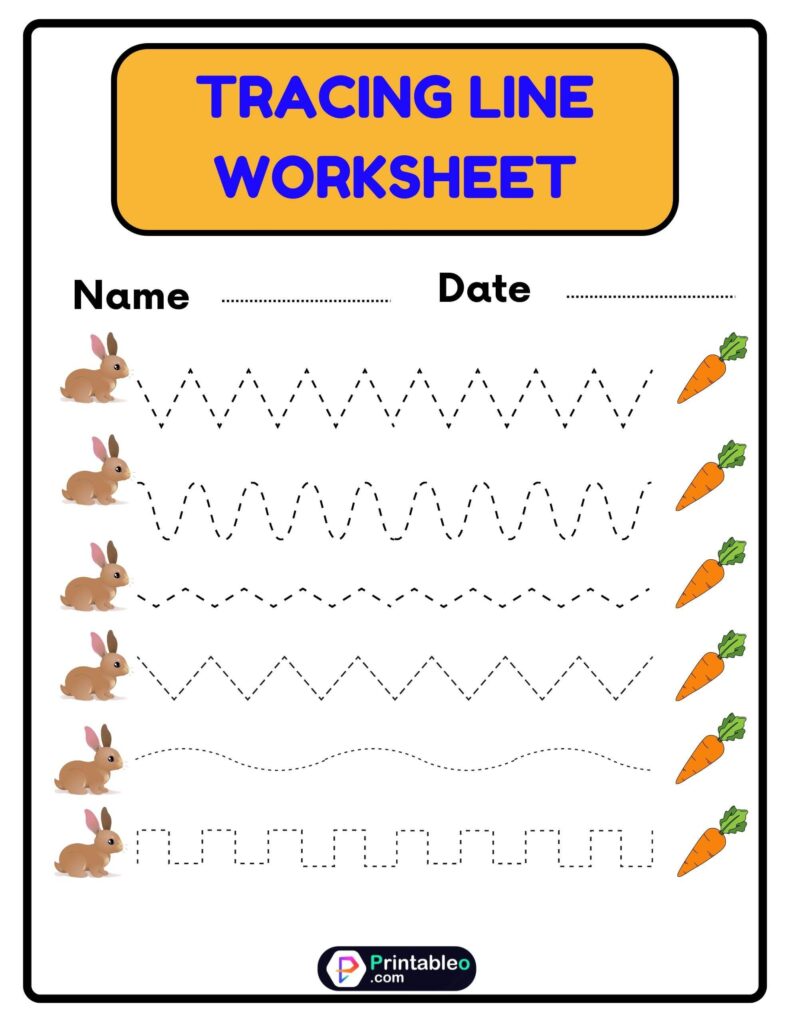
Success with early childhood printables depends heavily on environmental setup and keeping expectations aligned with toddler attention spans. Printing the sheets on heavy cardstock or slipping them inside clear dry-erase pockets transforms a single-use paper into a reusable tactile playground. It is completely normal for a two-year-old to abandon the pencil entirely and trace the numbers with a squirt of fingerpaint, a toy car, or a bare index finger. Adults should keep sessions brief, lasting no more than three to five minutes, and follow the child’s cues regarding when interest fades. For even more pre-writing support, explore the resources available via Fine Motor and Pre-Writing Skills to build foundational hand strength before moving to specific numerals.
Practical Tips for Parents and Teachers
Adults play a vital role in scaffolding these early experiences by modeling correct posture and offering enthusiastic, process-oriented praise. Instead of correcting a stray line, educators and caregivers can use physical guidance gently over the child’s hand, demonstrating the motion from top to bottom. Selecting the right writing tool makes a profound difference; short, broken crayons or golf pencils naturally encourage a developing grasp by preventing the toddler from wrapping all five fingers around a long shaft. Teachers often observe that pairing numeral practice with physical counting songs or manipulatives like counting bears anchors abstract numbers into concrete, memorable experiences. When children show readiness for specific digits, transitioning to specialized layouts found in Tracing Number collections provides targeted practice without overwhelming the learner.
Age-Appropriate Recommendations
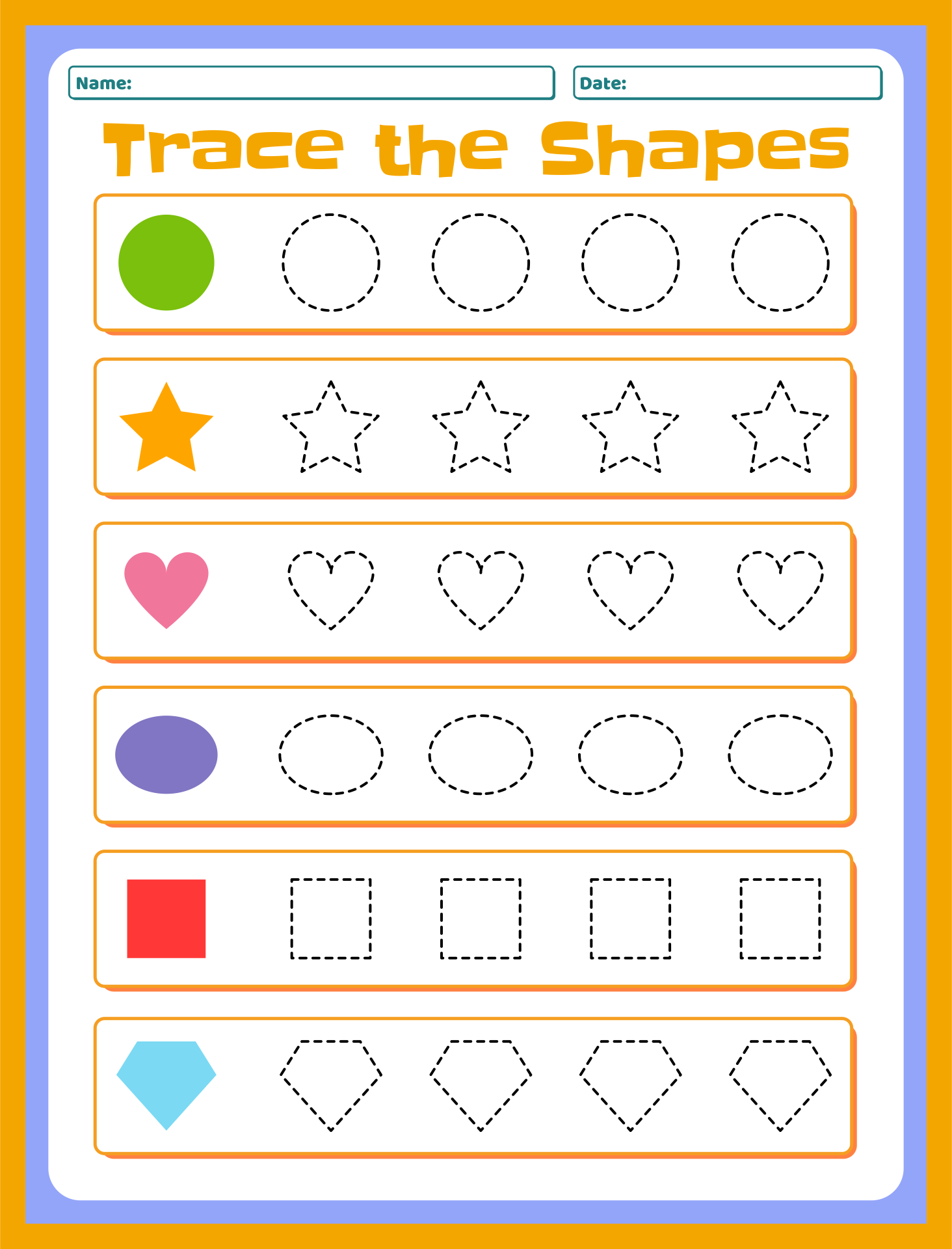
According to the National Association for the Education of Young Children Developmentally Appropriate Practice framework, two-year-olds learn best through active, sensory-rich exploration rather than rigid desk work. At age two, expectations should center on sensory engagement, gross motor integration, and exploring the concept that symbols carry meaning. As children transition into preschool and kindergarten between ages four and eight, the focus shifts toward controlled pencil grips, accurate stroke directionality, and proper numeral formation on standard lines. Providing the right material at the right developmental window prevents frustration and fosters a lifelong love of learning and literacy. To expand the learning environment with other foundational concepts, parents and educators often utilize printables found under Shape and Line Tracing to build comprehensive pencil control.
Children begin to imitate vertical lines and show early readiness for pre-writing strokes around two years of age — Centers for Disease Control and Prevention
Frequently Asked Questions
The following questions address common inquiries regarding printing, motor development, and integrating these early math and writing materials at home or in the classroom.
Explore More Free Printable Tracing Worksheets
Supporting a young child’s journey toward writing and mathematical fluency takes a wide variety of engaging, accessible resources. Visiting the main library at KidTraces.com connects educators, parents, and therapists with an expansive collection of printables designed to meet every developmental stage. Whether preparing a toddler for their first pencil strokes or helping an older child refine letter formation, a wealth of structured practice pages awaits to support every unique learning path.
Developmental Milestone & Activity Table
| Development Stage | Recommended Daily Duration | Primary Learning Objective |
|---|---|---|
| Preschool & Pre-K | 10 – 15 Minutes | Pencil grip development & basic pre-stroke lines |
| Kindergarten | 15 – 20 Minutes | Letter/number formation & spatial line awareness |
| Early Elementary (Grade 1–2) | 20 – 30 Minutes | Fluency, sentence construction & neatness |
Images References