Introduction
According to the American Occupational Therapy Association, foundational fine motor control and bilateral hand coordination are essential prerequisites for functional classroom tasks such as handwriting and cutting. Many children recognize letters and numbers long before their small hand muscles possess the endurance or dexterity to form those symbols independently. Bridging that developmental gap requires targeted practice that honors how young children learn. The free printable tracing lettersand numbers for toddlers pdf provides a structured, low-pressure bridge between cognitive recognition and physical execution. Young learners often possess a vivid mental map of the alphabet well before their fingers can reliably steer a writing utensil. Providing structured tracing resources allows children to practice letter and numeral formation, stroke order, and spatial awareness without the frustration of starting from a blank page. Mastering these early foundational skills sets the stage for confident writing later in childhood.
💡 Educational Key Takeaways:
- Core Skill: Structured Tracing Lettersand Numbers For Toddlers Pdf focused on developing pencil grip, stroke control, and early literacy/math confidence.
- Target Scope: Suited for homeschoolers, preschool, kindergarten, and elementary learners.
- Best Recommendation: Practice 10–15 minutes daily with ergonomic writing tools to reinforce muscle memory without hand fatigue.
What This Worksheet Covers
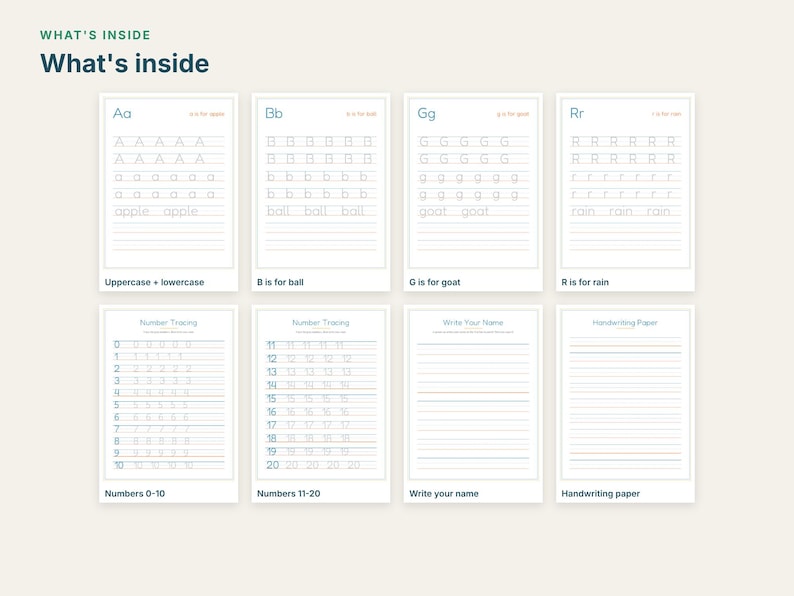
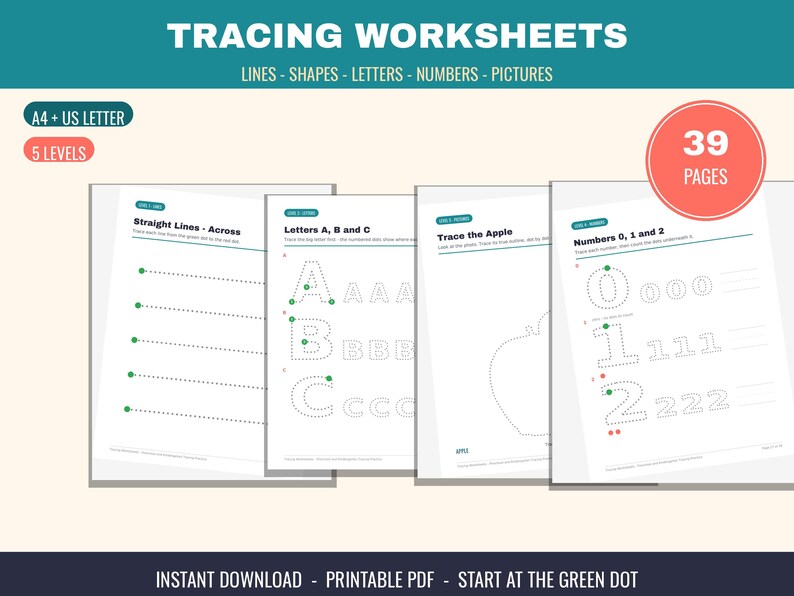
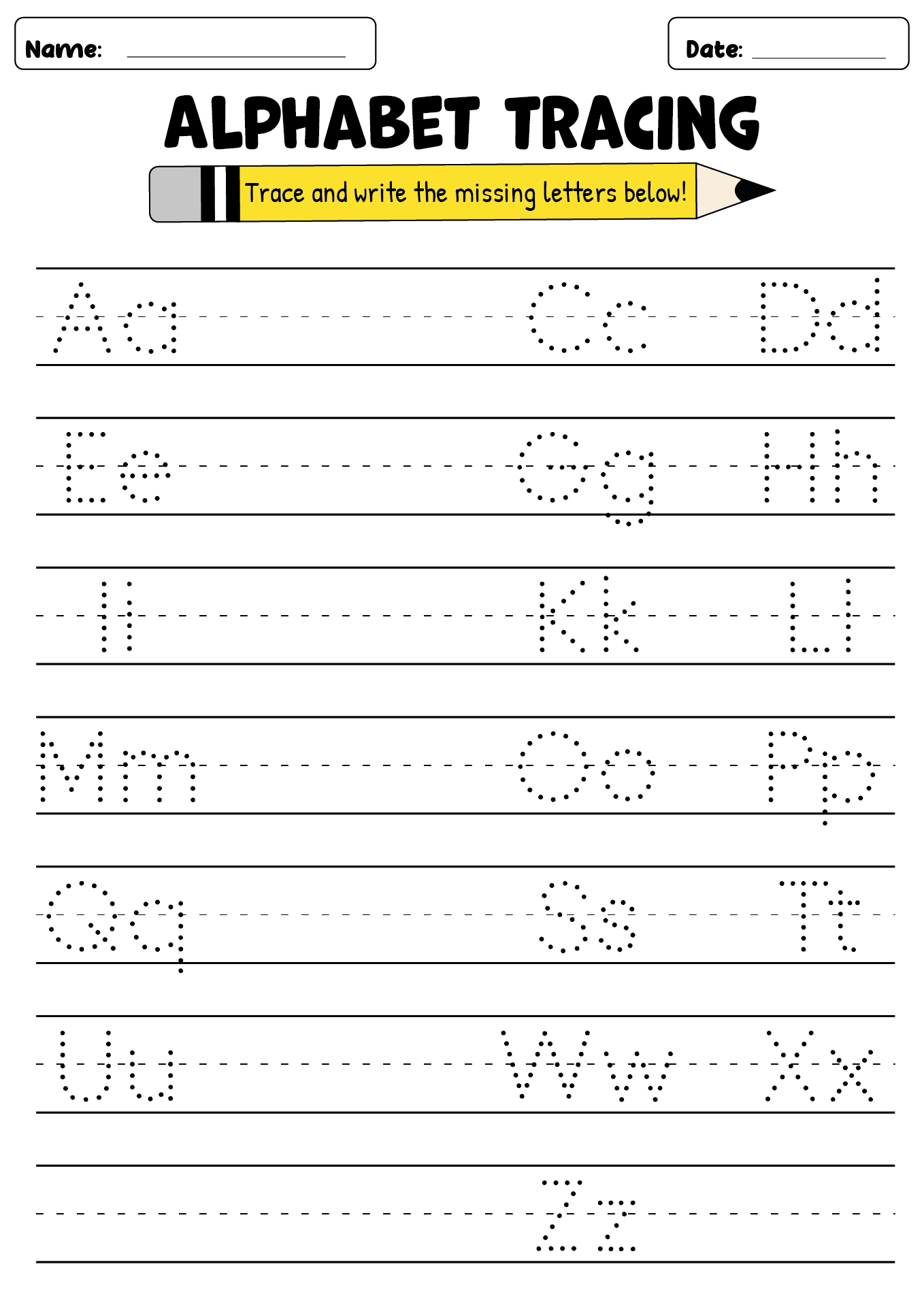
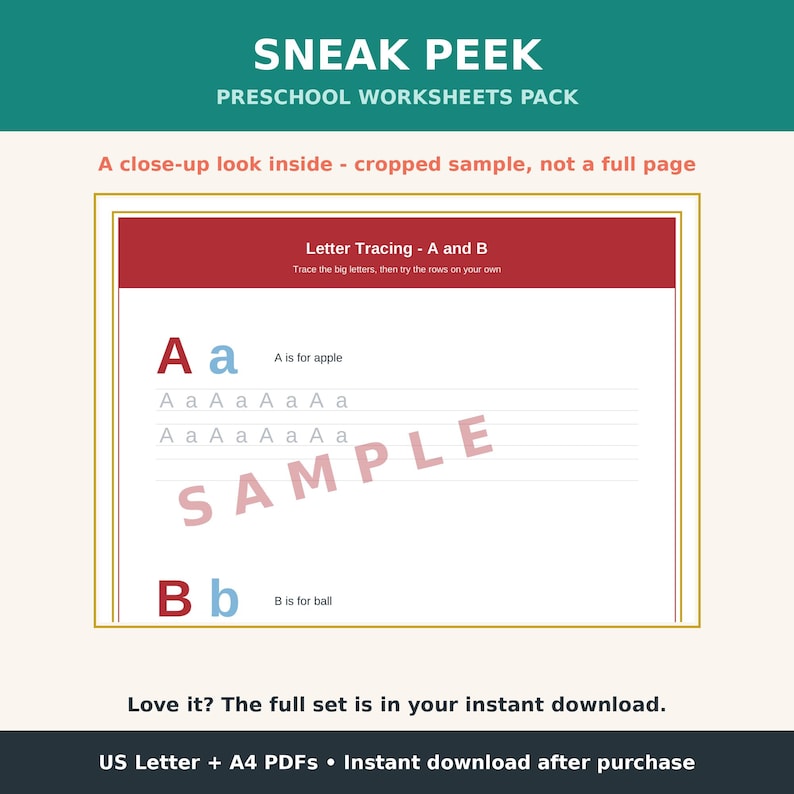
This printable resource focuses squarely on letter and numeral formation, stroke order, and spatial consistency. Every page is intentionally designed to guide little hands through the proper mechanics of writing, emphasizing continuous fluid motion rather than rigid perfection. Children encounter dotted paths that outline standard uppercase letters, lowercase letters, and numbers zero through nine. These visual guides reduce cognitive load, allowing the brain to focus entirely on controlling the writing tool. Additional insights and practice materials can be found within the Alphabet And Numbers Tracing collection. Every stroke reinforces the directional habits that prevent common reversals and promote writing fluency over time.
Key Learning Outcomes
Working consistently with guided tracing materials yields several measurable developmental milestones. Children build crucial hand-eye coordination as visual inputs successfully direct physical hand movements across the page. Hand strength and endurance improve incrementally because sustained pencil manipulation builds the intrinsic muscles of the palm and fingers. Spatial awareness develops organically as young writers learn to keep their strokes inside designated boundaries and respect baseline orientation. Furthermore, children internalize correct stroke order, starting at the top and moving downward or left-to-right, which naturally increases writing speed and legibility. For further practice with precise strokes, explore resources categorized under Shape and Line Tracing to build foundational hand control.
How to Use This Worksheet
Successful implementation relies on keeping sessions brief, engaging, and attuned to individual attention spans. Print the pages on slightly heavier cardstock if possible, or slip them into dry-erase pockets for repeated use with wipe-off markers. Starting fresh each day without the permanence of ink lowers anxiety for reluctant writers. Encourage children to trace with an index finger first to feel the motion before introducing a crayon, short pencil, or marker. Short, daily engagement sessions lasting just five to ten minutes yield far better neurological and muscular adaptations than marathon weekend writing drills. Keeping the atmosphere relaxed ensures that writing remains an enjoyable exploration rather than a chore.
Practical Tips for Parents and Teachers
Adult support can make or break a child’s early writing experience. Model the correct tripod grasp by placing fingers roughly half an inch away from the paper, and offer shorter writing tools like golf pencils or broken crayons to naturally encourage an appropriate grip. Scaffold the activity by physically guiding the child’s hand for the first few repetitions if the motor pattern feels entirely unfamiliar. Gradually fade that physical assistance as confidence builds, moving toward verbal cues and visual reminders. Extend the learning beyond the page by having children trace letters in sensory trays filled with salt, sand, or shaving cream. When extra variety is needed, educators and caregivers frequently visit the broader collection of Tracing Worksheets to keep daily practice fresh and stimulating.
Age-Appropriate Expectations
Developmental readiness varies wildly between a two-year-old and an eight-year-old. According to the National Association for the Education of Young Children guidelines on developmentally appropriate practice, toddlers generally begin with vertical and horizontal strokes, progressing to circles and intersecting lines before attempting formal letter formation. Two-year-olds and young three-year-olds benefit immensely from simply exploring crayons and making random marks, while older preschoolers and kindergarteners can begin focusing on letter starting points and directional arrows. By early elementary school, children refine their proportional sizing, line placement, and pacing. Recognizing these distinct developmental tiers prevents unrealistic expectations and keeps practice aligned with physical capabilities.
Foundational fine motor control and bilateral hand coordination are essential prerequisites for functional classroom tasks such as handwriting and cutting. — American Occupational Therapy Association
Frequently Asked Questions
Addressing common questions helps adults maximize the benefits of these printable resources while avoiding typical early childhood writing pitfalls.
Explore More Free Printable Tracing Worksheets
Supporting early literacy and motor control does not require expensive workbooks or complicated curricula. Accessing a wide variety of no-prep materials ensures that young learners remain motivated as their skills grow and change. Explore the full library of resources and specialized printables directly at KidTraces.com to find everything needed for engaging, developmentally sound writing practice.
Developmental Milestone & Activity Table
| Development Stage | Recommended Daily Duration | Primary Learning Objective |
|---|---|---|
| Preschool & Pre-K | 10 – 15 Minutes | Pencil grip development & basic pre-stroke lines |
| Kindergarten | 15 – 20 Minutes | Letter/number formation & spatial line awareness |
| Early Elementary (Grade 1–2) | 20 – 30 Minutes | Fluency, sentence construction & neatness |
Images References