Introduction
Many children recognize letters and numbers long before their small hand muscles possess the endurance or dexterity to form them on blank paper. According to the National Association for the Education of Young Children, young learners thrive when early writing experiences connect meaningful symbols with purposeful, hands-on movement. Bridging that developmental gap requires systematic tools that guide pencil control without causing frustration. The free printable trace number names to 100 pdf offers a structured pathway for children to master numerical literacy alongside essential pencil control. It sounds simple, and that’s the point. By combining numeral recognition with spelling out number words up to one hundred, this resource transforms abstract math concepts into concrete physical memory.
💡 Technical Key Takeaways:
- Core Focus: Diagnostic schematic and terminal connection layout for Trace Number Names To 100 Pdf.
- Target Scope: Field technicians, automotive DIYers, and residential/commercial electricians.
- Safety Rule: Always disconnect the primary power source/battery terminal and verify zero voltage with a multimeter before touching wires.
What This Worksheet Covers
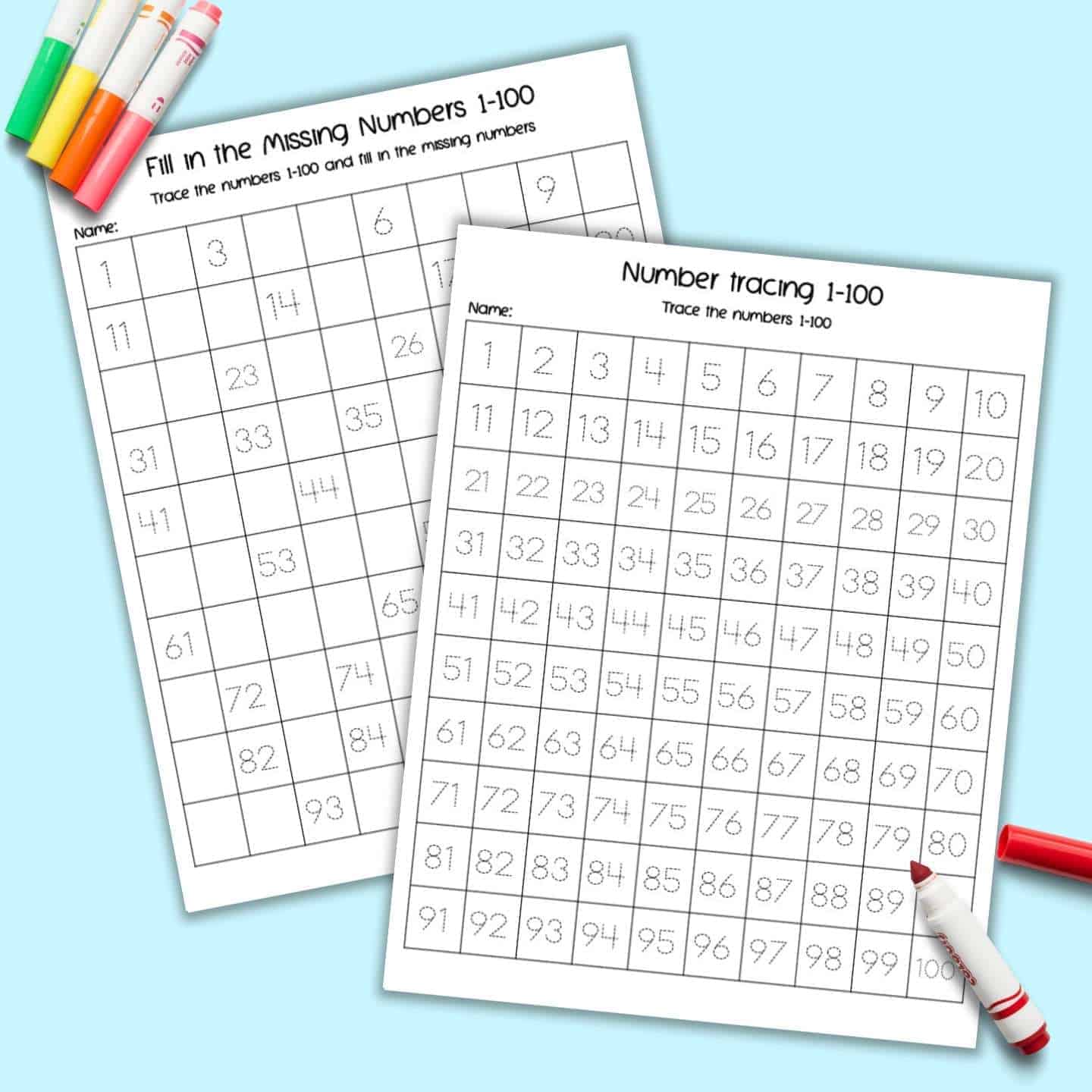
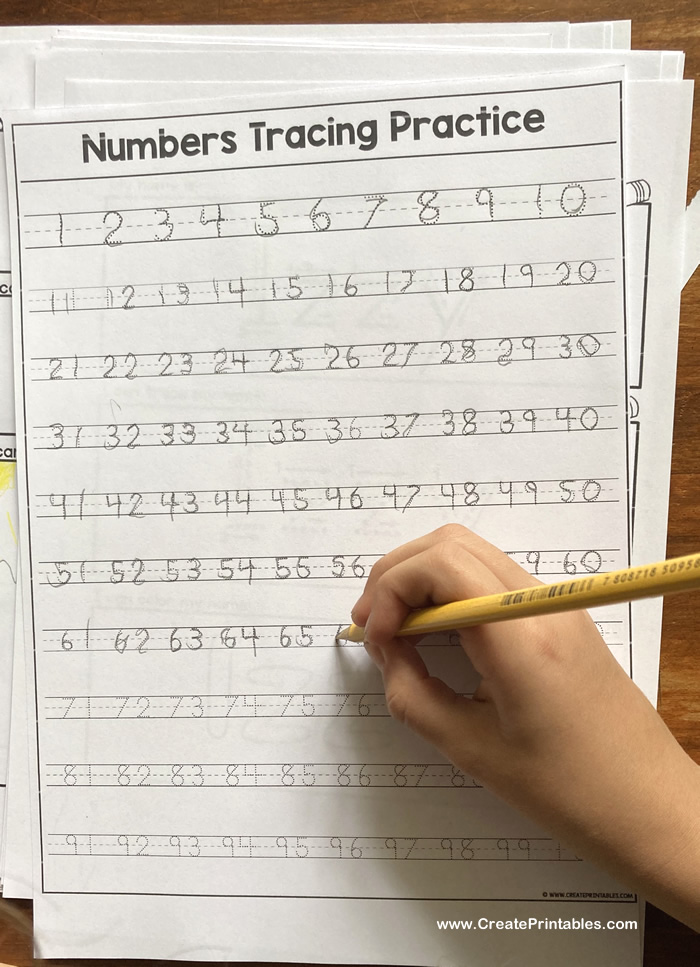
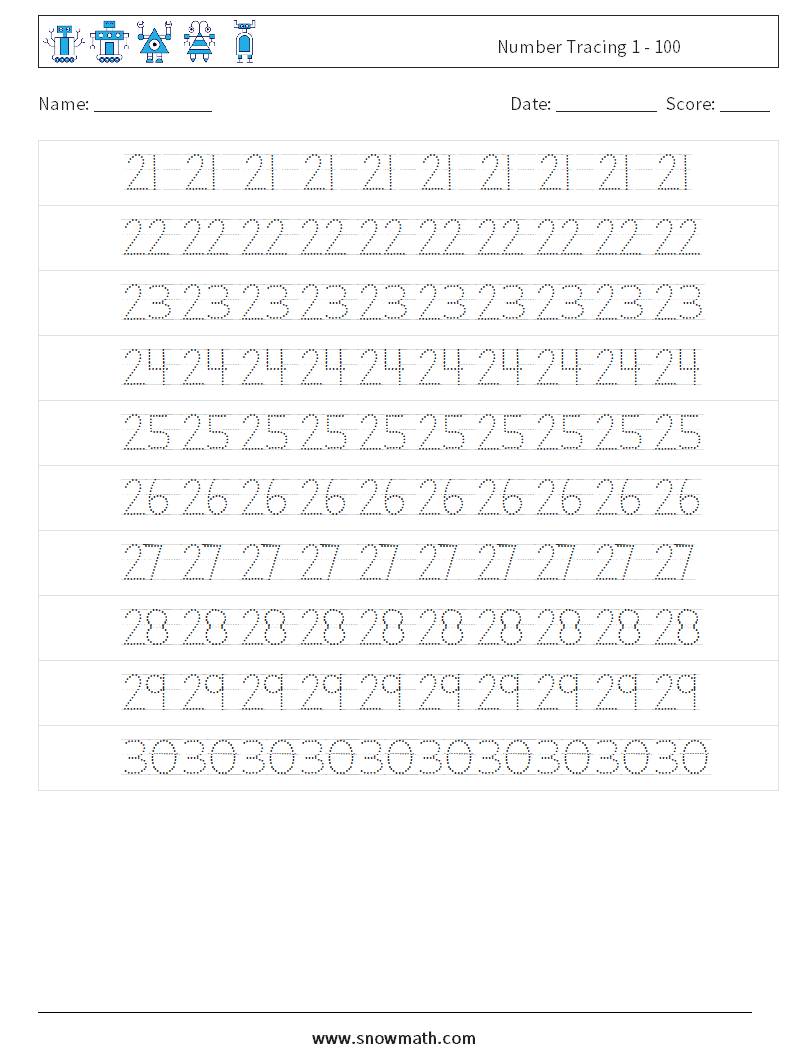
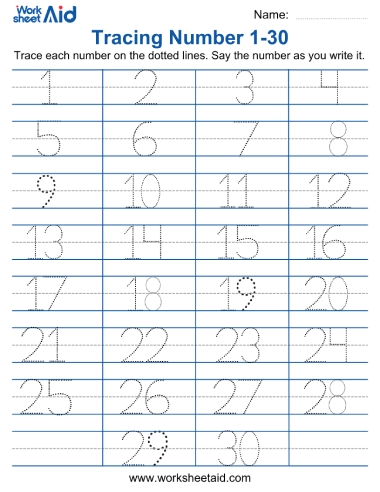
Mastering numbers from one to one hundred involves far more than casual counting or rote memorization. This comprehensive resource guides children through the delicate architecture of every digit while introducing the orthographic patterns found in number words. Guided formation dots provide explicit starting points and directional arrows, reducing the cognitive load of figuring out where a stroke begins. Hand and eye coordination must align seamlessly as little fingers navigate the curving loops of digits like eight and six, followed immediately by the linear precision required for letters in words like twenty or seventy. Experience shows that many children stumble when transitioning from isolated numerals to extended number names because spelling requires a different cognitive gear. This worksheet bridges that divide by pairing the numeric digit directly with its spelled-out equivalent, reinforcing literacy and numeracy simultaneously. For more related activities, check out our Traceable Numbers Printable 1-20.
Key Learning Outcomes
Consistent engagement with these pages yields profound improvements across several developmental domains. Children internalize proper stroke order and directionality, which prevents awkward writing habits from solidifying later in school. Visual-motor integration strengthens as hands learn to stop, start, and change direction within restricted boundaries. Additionally, tracking number names from one to one hundred builds deep orthographic awareness, exposing young learners to consistent spelling rules embedded within numerical vocabulary. Spatial awareness improves naturally as children manage the spacing between letters and words on the page. Finally, children build crucial task persistence, learning how to complete extended sequences without experiencing hand fatigue or mental burnout.
How to Use This Worksheet
Success with handwriting tasks depends heavily on the physical setup and the supportive presence of an adult guide. Start by ensuring the child sits with feet flat on the floor and hips at a ninety-degree angle, as proximal stability in the core directly supports distal control in the fingers. Introduce the pages in manageable chunks rather than demanding all one hundred numbers in a single sitting. According to the American Occupational Therapy Association, short, frequent bouts of fine motor practice yield significantly better motor memory retention than long, exhausting sessions. Encourage light pencil pressure and watch for a functional grasp, offering gentle reminders to pinch the writing tool rather than clutching it like a fist.
Practical Tips for Parents and Teachers
Scaffolding these exercises properly transforms a potentially tedious drill into an engaging sensory experience. Adults can model correct stroke execution on a separate whiteboard before the child touches the paper, verbalizing the motions out loud like starting at the top and making a big loop. For children who struggle with sensory feedback, placing the printable over a textured surface or a tactile mat adds helpful sensory input through the pencil tip. Extend the learning beyond the page by having children count real objects aloud while tracing each corresponding number name. When fatigue sets in, pause the writing and incorporate gross motor stretches or hand-wringing exercises to restore circulation and muscle readiness before returning to the task.
Age-Appropriate Recommendations
Tailoring these exercises to developmental readiness ensures that expectations match physical capabilities. Younger children around ages four and five benefit most from exploring foundational Shape and Line Tracing to build basic hand strength and line control before tackling dense text. As children progress into early elementary grades aligned with Common Core standard CCSS.MATH.CONTENT.1.NBT.A.1, tracing number names to one hundred becomes a powerful tool for reinforcing both literacy and math fluency. Older kindergarten and first-grade students can handle larger blocks of numbers independently, provided their workspace encourages proper posture and ergonomic pencil holds. Pairing these numerical sheets with exercises found in Tracing Number collections ensures a well-rounded approach to mathematical communication.
Systematic handwriting instruction combined with multisensory practice significantly accelerates letter and number formation accuracy in early childhood education. — National Association for the Education of Young Children
Frequently Asked Questions
Navigating printing options, developmental pacing, and resource selection often brings up questions for educators and families alike. Clear answers help maximize the utility of these printables at home and in the classroom.
Explore More Free Printable Tracing Worksheets
Expanding a child’s pencil control toolkit requires exposure to diverse themes, patterns, and linguistic structures. Beyond numerical sheets, learners can explore targeted exercises focusing on letter formation through Dotted Letters For Tracing or build early literacy through specialized Word and Name Tracing printables. Every child progresses at an individual pace, and having access to a broad selection of materials ensures that practice remains fresh, motivating, and developmentally appropriate. Discover the complete collection of learning resources by visiting KidTraces.com today.
Quick Wiring Specifications & Terminal Guide
| Component / Circuit | Standard Wire Gauge | Recommended Protection |
|---|---|---|
| Control & Trigger Signals | 18 – 20 AWG | 5A – 7.5A Inline Fuse |
| Standard Auxiliary Load | 14 – 16 AWG | 15A – 20A Circuit Breaker |
| Main Power Feed / Supply | 10 – 12 AWG | 30A – 40A Heavy-Duty Relay |
Images References