Introduction
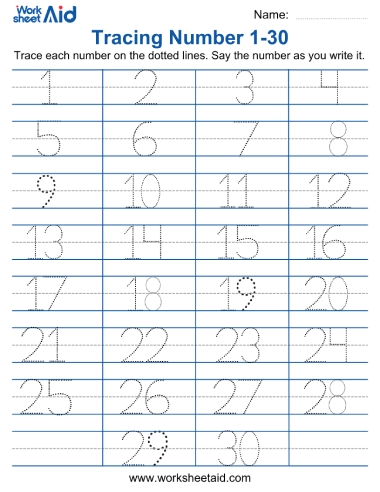
Many children recognize the letters of the alphabet and numerical symbols long before their fine motor control allows them to successfully form those shapes on paper. According to the National Association for the Education of Young Children (NAEYC), meaningful early writing experiences emerge when children connect oral language with physical mark-making in playful, low-pressure environments. That developmental bridge depends entirely on guided practice that respects small hand muscles and growing cognitive loads. Utilizing a reliable learn to write letters and numbers dotted layout offers young learners the structural scaffolding required to understand directional strokes without experiencing hand fatigue or frustration. It sounds simple, and that is the exact point. Tracing guides remove the overwhelming blank page anxiety while encouraging muscle memory for proper letter and numeral formation.
💡 Technical Key Takeaways:
- Core Focus: Diagnostic schematic and terminal connection layout for Learn To Write Letters And Numbers Dotted.
- Target Scope: Field technicians, automotive DIYers, and residential/commercial electricians.
- Safety Rule: Always disconnect the primary power source/battery terminal and verify zero voltage with a multimeter before touching wires.
What This Worksheet Covers
This specific printable focuses on building foundational alphabet and number literacy through targeted stroke execution. Every letter and digit relies on precise starting points, which are visually anchored to help children understand where a pencil touches the paper and which direction it travels. Hand-eye coordination improves naturally as pencils track across the dotted lines, transitioning from simple top-to-bottom strokes to complex curves and diagonal intersections. According to the American Occupational Therapist Association (AOTA), grading motor tasks by providing visual boundaries is essential for developing bilateral integration and sustained visual-motor control in early childhood. By breaking down complex glyphs into manageable dots, young learners grasp spatial orientation, sizing, and alignment across the writing baseline. Exploring these patterns serves as a direct precursor to our broader collection of Dotted Letters For Tracing exercises.
Key Learning Outcomes
Children engaging with these targeted tracing pages develop consistent stroke order, which prevents the common habit of drawing letters rather than writing them. Spatial awareness improves as learners navigate the boundaries of lines, learning to keep numbers and uppercase or lowercase letters within designated visual constraints. Hand strength and endurance grow steadily because the repetitive yet varied motion of tracing requires sustained, controlled pressure from tiny fingers. Furthermore, cognitive recognition fuses with physical execution, reinforcing letter-sound correspondence and numerical value alongside fine motor mastery. These foundational competencies align smoothly with early developmental goals found throughout Alphabet And Numbers Tracing curricula designed for preschool and kindergarten classrooms.
How to Use This Worksheet
Implementation requires a balance of structure and freedom to keep young minds engaged during writing practice. Adults should begin by introducing the page in a relaxed setting, ensuring the child sits with feet flat on the floor and elbows resting comfortably at a ninety-degree angle on the table. It is always wise to watch for pencil grasp adjustments, gently encouraging a functional tripod grip rather than a tight, fisted grasp that strains the wrist. Children can trace the dotted formations first with an index finger to feel the physical direction of the strokes before touching a writing utensil to the paper. Consistency matters more than volume, meaning short, five-minute daily sessions yield far better neural pathways than a single exhausting twenty-minute worksheet marathon.
Practical Tips for Parents and Teachers
Adults play a vital coaching role by demonstrating the stroke order slowly in the air or directly on the page before letting the child attempt it independently. Scaffolding the activity means initially guiding a hand through the first few tricky numbers or letters, then fading that physical assistance as confidence builds. Integrating multi-sensory elements, such as tracing the dotted outlines over a textured surface or inside a shallow tray filled with sand, helps anchor the visual motor plan. Extending the learning beyond paper involves spotting target letters and numbers on street signs, grocery labels, or storybook pages to show real-world relevance. For related exercises targeting foundational wrist and finger control, visit our resources dedicated to Fine Motor and Pre-Writing Skills.
Age-Appropriate Recommendations
For children ages two to four, the focus under the NAEYC Developmentally Appropriate Practice (DAP) framework centers on exploring pre-writing strokes, vertical lines, and horizontal lines using thick crayons or short markers that naturally encourage a palmar or digital pronate grasp. As children progress to ages five through eight, instruction shifts toward precise letter and numeral formation within structured lines, matching the expectations outlined in Common Core ELA standards for kindergarten and first-grade handwriting fluency (such as CCSS.ELA-LITERACY.L.K.1.A). During these early elementary years, dotted templates help refine sizing, proportion, and fluid pacing, ensuring that writing becomes an automatic, effortless tool for expression rather than a physical chore.
Early writing development relies on the integration of visual-motor skills, proprioception, and spatial planning, which are actively reinforced through structured dotted tracing practice — American Occupational Therapy Association (AOTA)
Frequently Asked Questions
Navigating early handwriting practice often brings up practical questions regarding formats, physical development, and instructional strategies. Clear, direct answers help educators and caregivers maximize the benefits of every printable resource.
Consistent tracing practice helps bridge the gap between visual letter recognition and the fine motor execution required for legible handwriting — Reading Rockets
Explore More Free Printable Tracing Worksheets
Expanding a child’s writing toolkit goes beyond a single worksheet style, requiring a diverse variety of engaging, developmentally appropriate challenges. A robust collection of resources helps keep practice fresh, motivating, and tailored to changing seasonal interests or specific developmental milestones. Caregivers and educators can browse the complete library of teacher-approved printables by visiting KidTraces.com to find targeted activities ranging from playful early geometric shapes to advanced word sequencing.
Quick Wiring Specifications & Terminal Guide
| Component / Circuit | Standard Wire Gauge | Recommended Protection |
|---|---|---|
| Control & Trigger Signals | 18 – 20 AWG | 5A – 7.5A Inline Fuse |
| Standard Auxiliary Load | 14 – 16 AWG | 15A – 20A Circuit Breaker |
| Main Power Feed / Supply | 10 – 12 AWG | 30A – 40A Heavy-Duty Relay |
Images References