Introduction
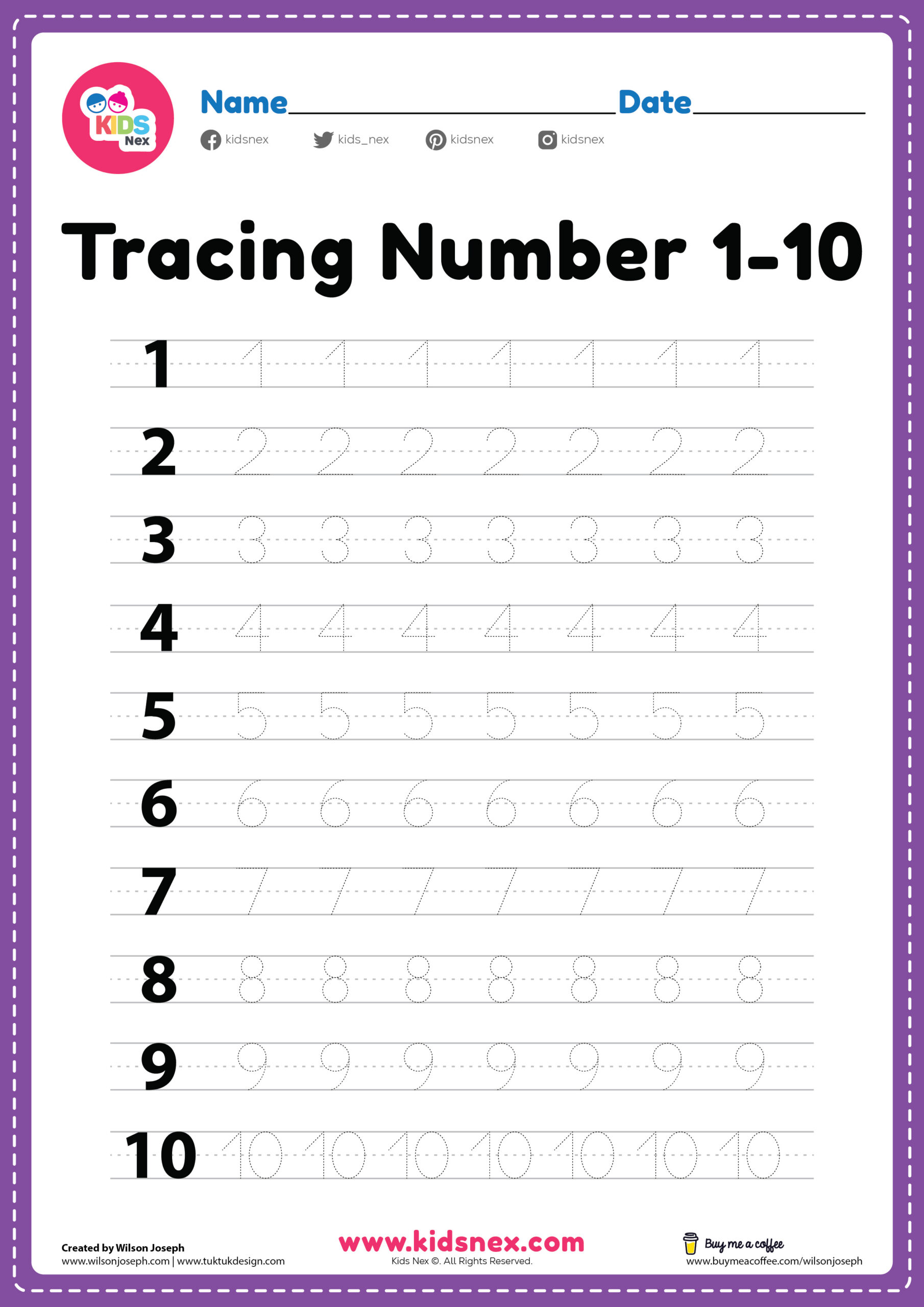
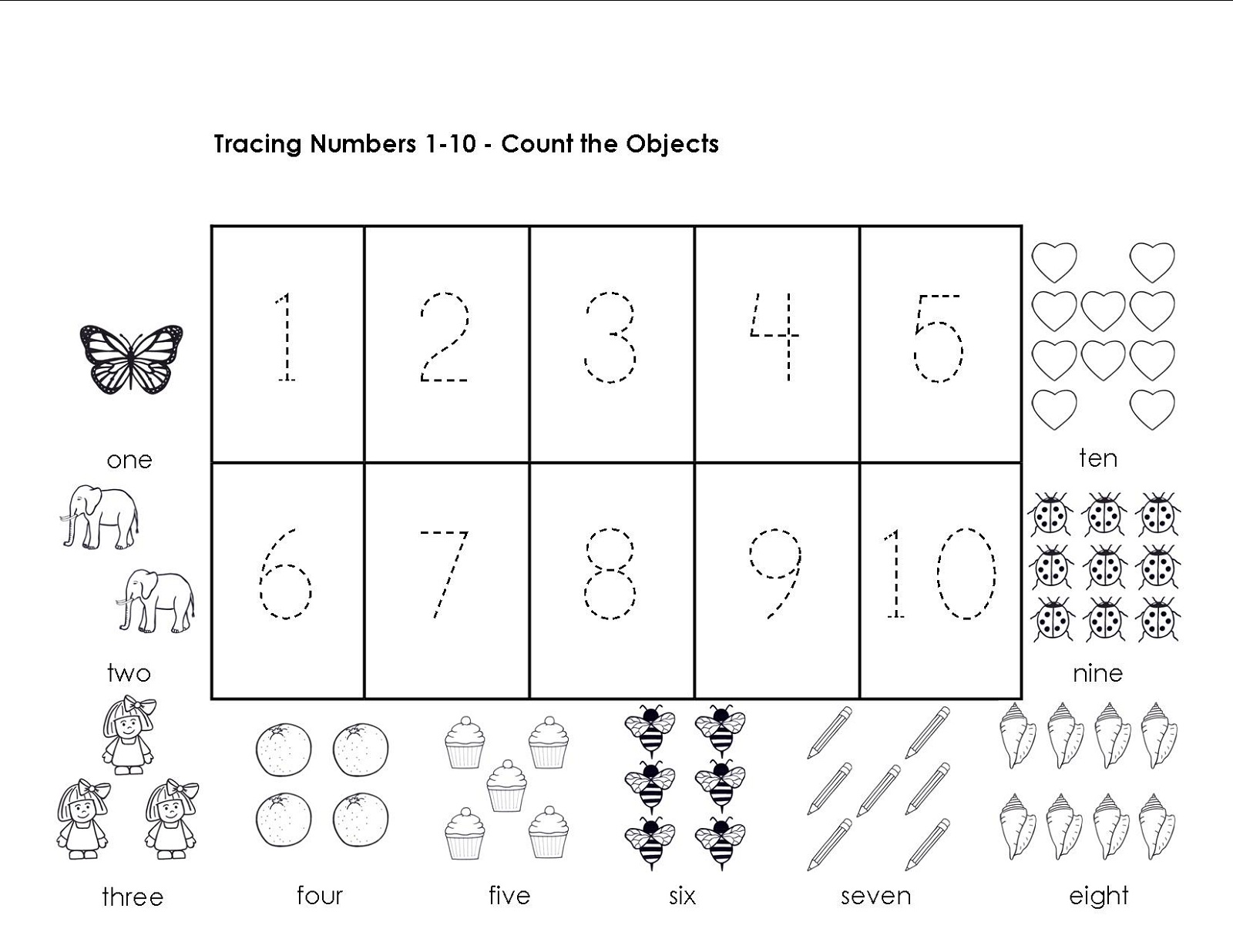
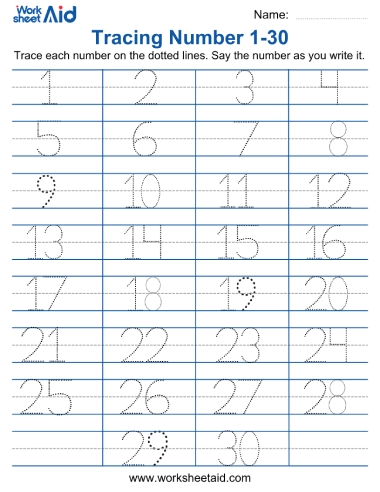
Watch any group of preschoolers, and a fascinating developmental truth quickly emerges: many children recognize letters and numbers long before their small hand muscles possess the endurance or coordination to actually form them on paper. According to the American Occupational Therapy Association, foundational fine motor control and visual-motor integration must mature hand-in-hand to support successful handwriting. This developmental gap often frustrates eager learners who know what a number looks like in their minds but struggle to make pencils cooperate on a blank page. Bridging that gap requires thoughtful scaffolding, which is precisely why structured practice tools play such a vital role in early education. The free printable tracing numbers 1-10 with pictures provides that essential bridge, combining numeral formation with visual counting support to anchor abstract mathematical concepts in concrete physical experiences.
💡 Educational Key Takeaways:
- Core Skill: Structured Tracing Numbers 1-10 With Pictures focused on developing pencil grip, stroke control, and early literacy/math confidence.
- Target Scope: Suited for homeschoolers, preschool, kindergarten, and elementary learners.
- Best Recommendation: Practice 10–15 minutes daily with ergonomic writing tools to reinforce muscle memory without hand fatigue.
What This Worksheet Covers
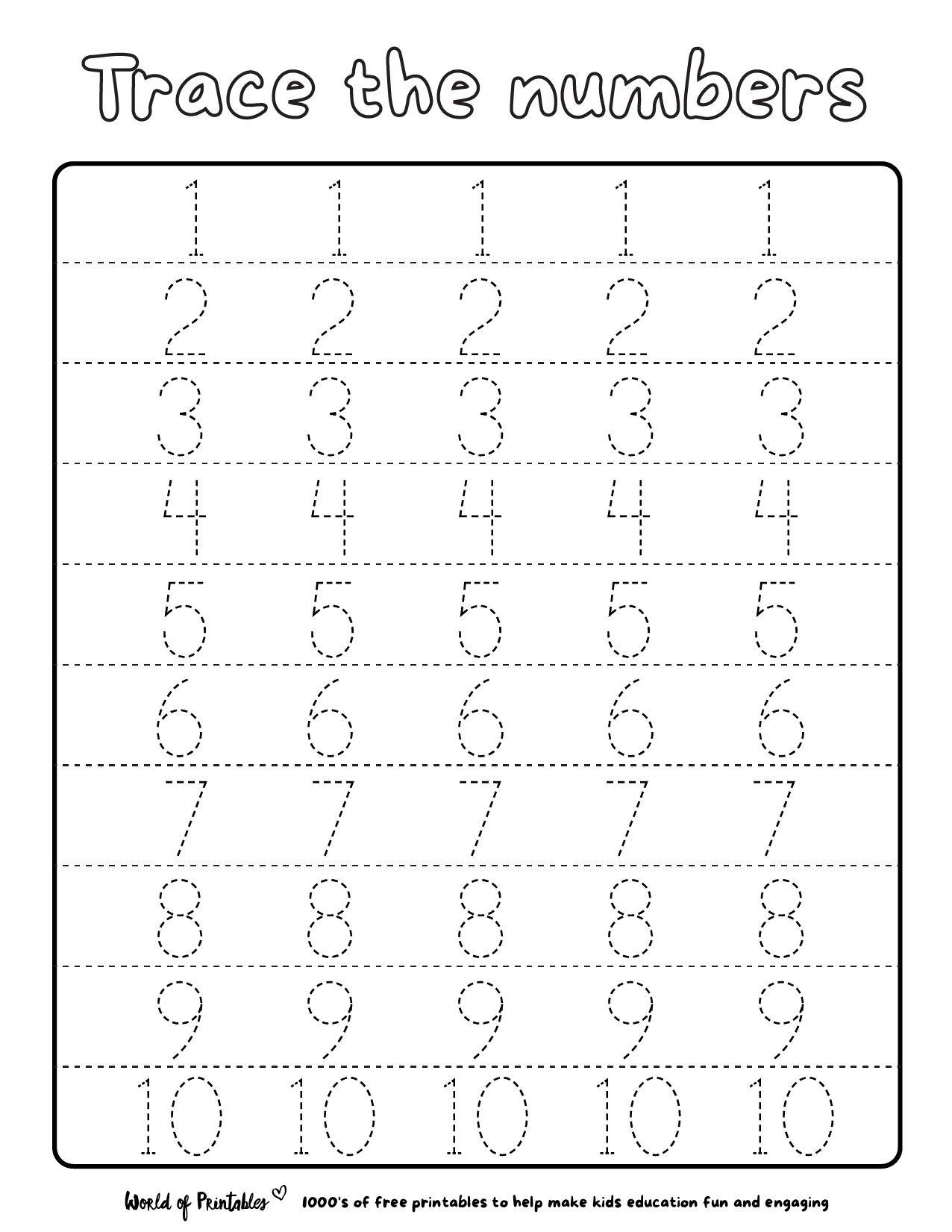
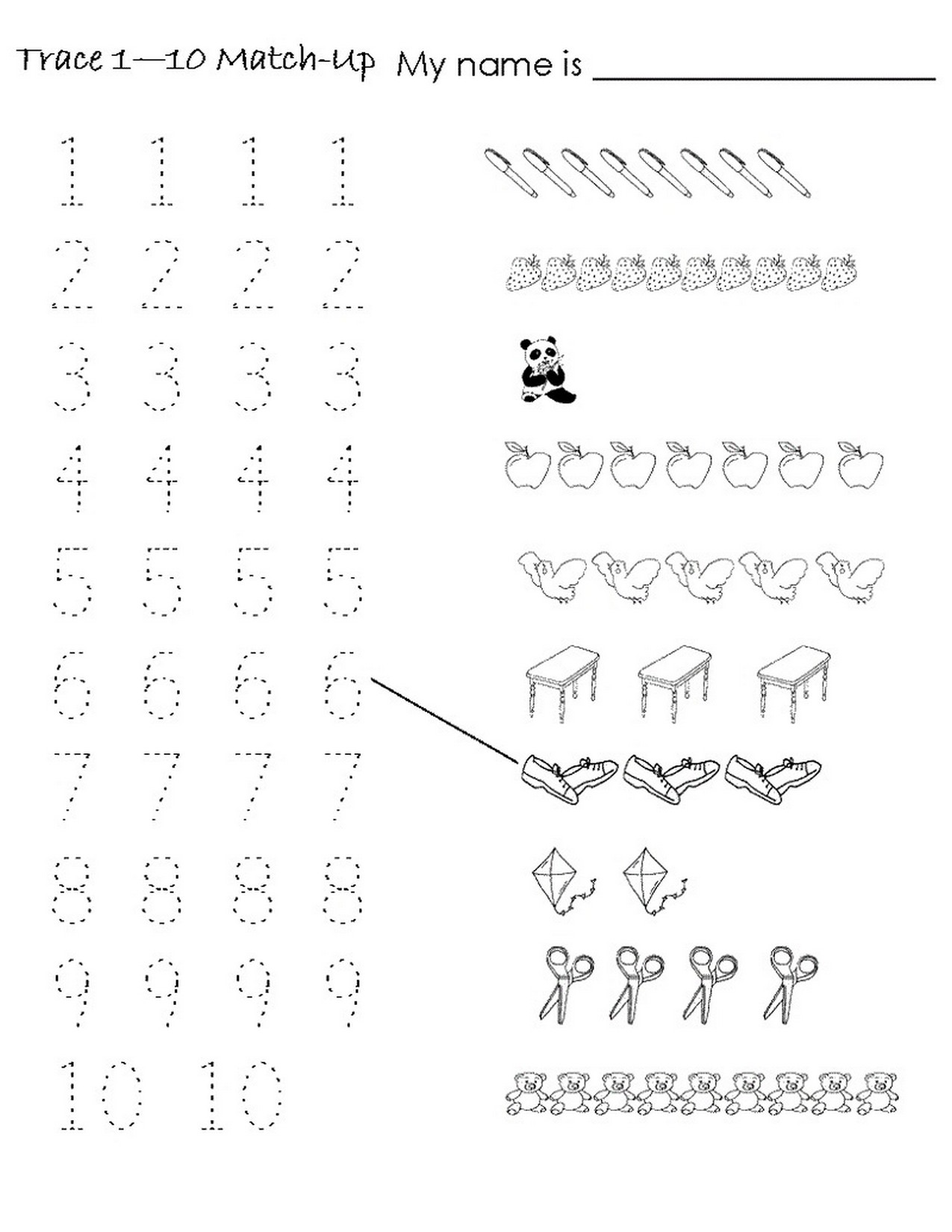
Mastering numerical symbols demands more than simple mindless copying; it requires an understanding of stroke order, spatial awareness, and directional consistency. Each page guides young learners through the foundational mechanics of pencil control while reinforcing early math skills through visual counting elements. Numerals zero through nine require distinct starting points, curved lines, and sharp angles that challenge developing hand-eye coordination. It sounds simple, and that’s the point: isolating each digit allows the brain and hand to build muscle memory without feeling overwhelmed by complex math equations. Furthermore, the inclusion of countable objects next to each numeral reinforces the true value of the number, connecting the graphic symbol to a tangible quantity. This multi-sensory approach transforms rote pencil practice into a meaningful cognitive exercise, supporting broader Alphabet And Numbers Tracing milestones that prepare children for formal schooling.
Key Learning Outcomes
Children engaging with these guided pages systematically develop directional stroke habits, starting at the correct visual cue and moving downward or counterclockwise as required by standard handwriting curricula. Hand strength and finger dexterity improve naturally as little fingers learn to apply steady, measured pressure to keep pencils tracking along the dotted paths. Visual-motor integration sharpens because the eyes must constantly scan ahead to anticipate the next curve or straight line in the numeral. Additionally, number recognition solidifies as the visual shape becomes permanently linked to both the spoken name and the physical quantity represented by the adjacent illustrations. Over time, this repetitive, low-stress engagement builds the physical stamina necessary to complete longer writing tasks without experiencing hand fatigue or frustration.
How to Use This Worksheet
Success with early writing tools depends heavily on the environment and the physical comfort of the learner during practice sessions. Short, frequent sessions work far better than long, exhausting blocks of repetition, especially for younger children whose postural muscles are still developing. Placing the paper on a flat, stable surface helps maintain proper wrist position, preventing the awkward hook-grips that often plague early writers. Here’s what makes this worksheet different: it invites multisensory engagement before the pencil ever touches the paper. Adults can encourage children to trace the large numerals in the air, build them with playdough, or trace the dotted lines with a finger before using a writing utensil. Once the pencil is introduced, watching closely for proper three-point finger placement ensures that bad habits do not become permanently ingrained muscle memory.
Practical Tips for Parents and Teachers
Adults guiding these sessions should model correct stroke direction on a separate sheet before letting the child attempt the page independently. Scaffolding the activity by physically guiding a hand through the first tricky curve can help hesitant learners grasp the rhythm of the motion. If a child shows signs of hand fatigue, such as dropping the wrist or squeezing the pencil into a white-knuckle fist, pause the activity immediately and offer heavy work activities like wall-pushes or bear crawls to wake up tired hand joints. Celebrating small victories, such as a well-formed number seven or a straight vertical line on the number one, keeps motivation high and anxiety low. Extending the learning beyond the paper by counting physical objects around the room reinforces the mathematical value of the numerals being practiced, turning everyday moments into math lessons.
Age-Appropriate Recommendations
According to the National Association for the Education of Young Children Developmentally Appropriate Practice guidelines, instructional materials must match the physical and cognitive capacities of the specific age group. For toddlers and young preschoolers aged two to four, the focus should remain on large-scale pre-writing strokes, finger isolation, and tactile exploration, keeping formal pencil practice brief and playful. As children transition into the five-to-eight age bracket, they align with Kindergarten and first-grade standards such as CCSS.MATH.CONTENT.K.CC.A.3, which requires writing numbers from zero to twenty and representing a number of objects with a written numeral. At this older stage, the emphasis shifts toward pencil grip refinement, consistent stroke sequence, and proper spatial alignment on standard lines. Tailoring expectations to these developmental markers ensures that children experience growth rather than burnout.
According to recent developmental studies, targeted fine motor interventions in early childhood significantly improve subsequent academic performance and handwriting legibility — American Occupational Therapy Association
Frequently Asked Questions
Explore More Free Printable Tracing Worksheets
Building a robust foundation in pencil control and early literacy requires access to a wide variety of engaging, developmentally appropriate practice materials. Educators and families looking to expand their resource library can discover endless options across various developmental categories. Explore targeted resources like Dotted Letters For Tracing for alphabet mastery, or build essential hand strength with Fine Motor and Pre-Writing Skills exercises. From playful seasonal concepts found in Seasonal and Fun Themes to foundational strokes in Shape and Line Tracing, every tool supports a seamless transition into confident writing. Visit the complete collection of free printables anytime at KidTraces.com to support continuous learning journeys at home and in the classroom.
Developmental Milestone & Activity Table
| Development Stage | Recommended Daily Duration | Primary Learning Objective |
|---|---|---|
| Preschool & Pre-K | 10 – 15 Minutes | Pencil grip development & basic pre-stroke lines |
| Kindergarten | 15 – 20 Minutes | Letter/number formation & spatial line awareness |
| Early Elementary (Grade 1–2) | 20 – 30 Minutes | Fluency, sentence construction & neatness |
Images References