Introduction
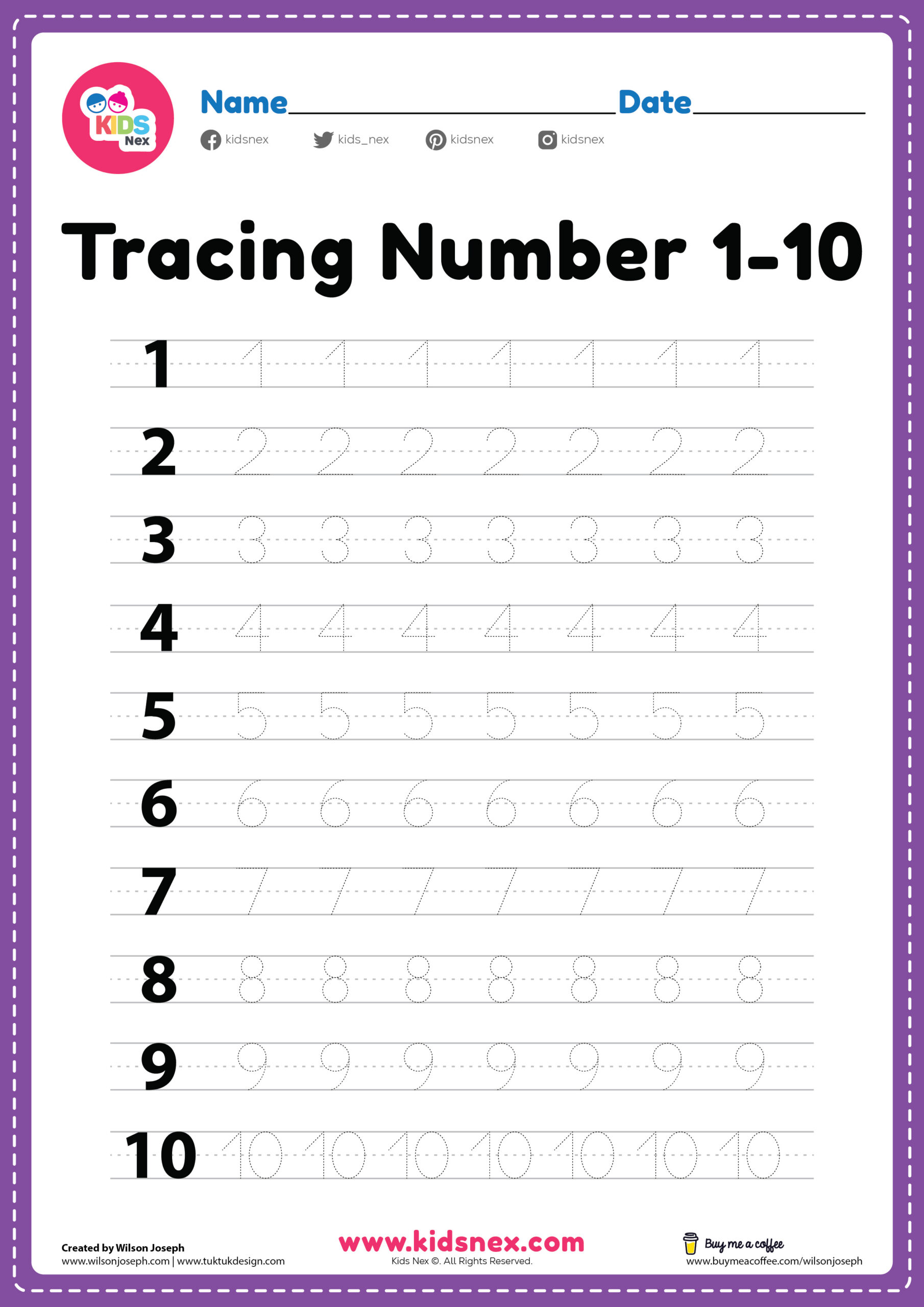
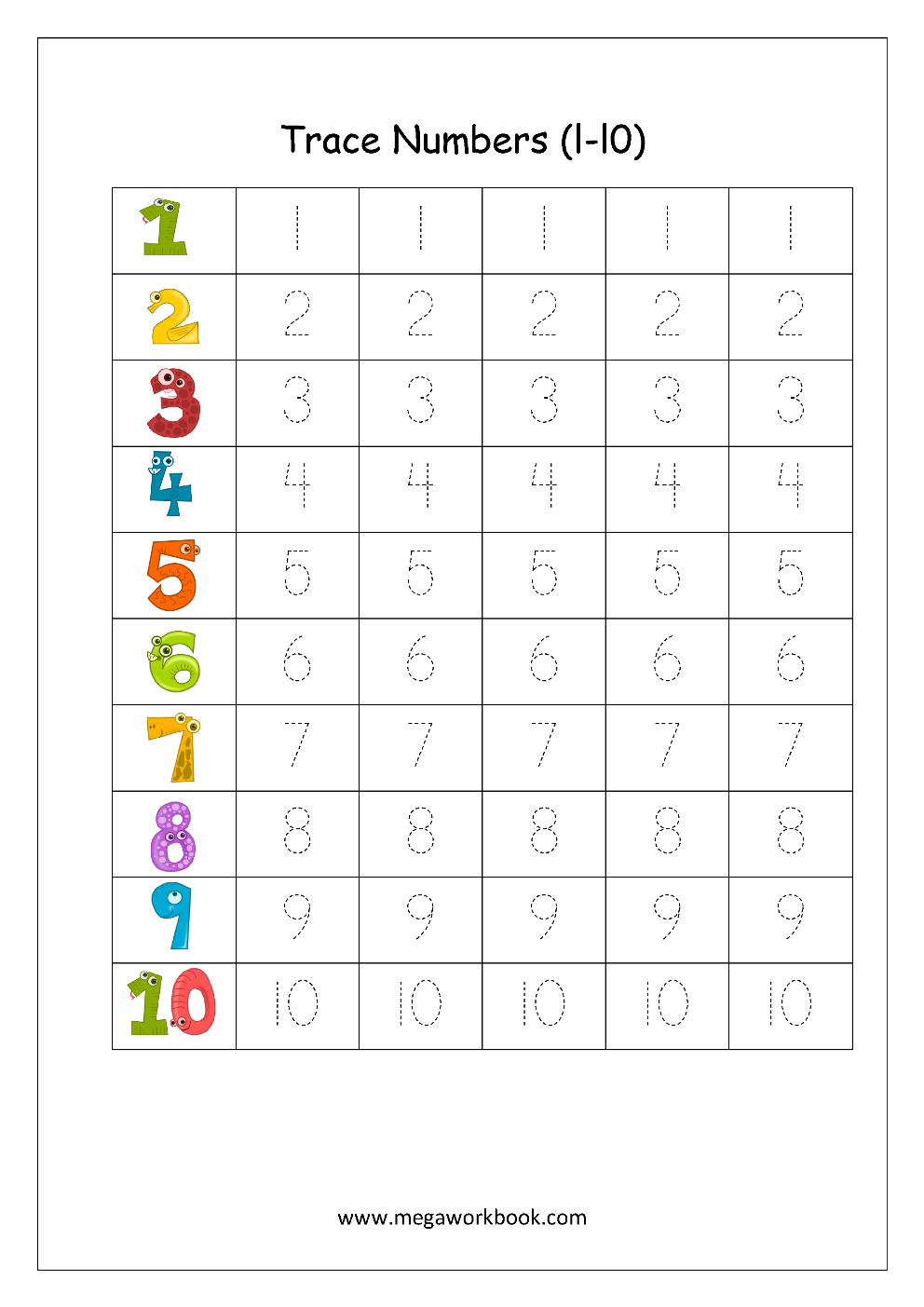
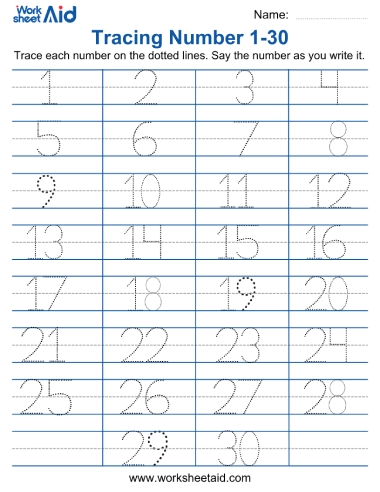
Young children frequently recognize numerals and letters long before their fine motor control and hand strength allow them to cleanly form those same symbols on paper. According to the American Occupational Therapy Association, foundational fine motor skills and controlled hand movements are critical precursors to successful handwriting and symbol formation. Bridging that gap requires thoughtful tools that teach directional consistency rather than mindless repetition. Tracing numbers 1-10 with starting points provides the exact scaffolding children need to move from visual recognition to confident, independent physical execution. It sounds simple, and that’s the point: clear cues eliminate guesswork and foster good habits right from the very first stroke. Exploring resources within Tracing Number collections helps children build this vital muscle memory naturally and joyfully.
💡 Educational Key Takeaways:
- Core Skill: Structured Tracing Numbers 1-10 With Starting Points focused on developing pencil grip, stroke control, and early literacy/math confidence.
- Target Scope: Suited for homeschoolers, preschool, kindergarten, and elementary learners.
- Best Recommendation: Practice 10–15 minutes daily with ergonomic writing tools to reinforce muscle memory without hand fatigue.
What This Worksheet Covers
This targeted print resource guides learners through the formation of digits from one to ten, utilizing deliberate visual markers to establish proper directionality. Each number features distinct directional cues, such as a prominent green dot for the beginning stroke and a red stop sign or directional arrow to signal the path of the pencil. By breaking down complex curved and straight strokes into manageable visual steps, the layout prevents common reversals like backward threes and mirrored fives. According to the National Association for the Education of Young Children, intentional guidance during early literacy and numeracy tasks supports self-regulation and spatial awareness. The design ensures that children do not just copy a shape, but actively construct it using correct biomechanical pathways. Further practice can be paired with activities found in Dotted Letters For Tracing to reinforce overall stroke discipline.
Key Learning Outcomes
Engaging with structured numeral practice yields tangible developmental gains across several domains. Learners develop precise visual-motor integration as their eyes track pencil movement along dotted paths. Hand-eye coordination improves dramatically as tiny fingers learn to regulate pressure and maintain continuous contact with the paper. Stroke order and directionality become second nature, laying the groundwork for legible math work and fluent handwriting in later elementary grades. Spatial awareness deepens as children learn to orient numerals correctly within designated writing lines or boxes. Finally, pencil control solidifies, transforming a tentative, heavy-handed grip into a fluid, dynamic tripod grasp that prevents hand fatigue during longer writing tasks.
How to Use This Worksheet
Success with pre-writing sheets relies heavily on the physical environment and the gentle guidance provided during the activity. Start by ensuring the workspace features child-sized seating where feet rest flat on the floor, promoting core stability that directly supports hand dexterity. Encourage starting at the designated green dot every single time, even if the child wants to dive straight into the middle of the digit. It helps to model the motion in the air or on a small sensory tray filled with sand before putting pencil to paper. Praise the effort and the adherence to the correct path rather than focusing entirely on how straight the final line looks. Additional movement-based pre-writing foundations can be explored through Fine Motor and Pre-Writing Skills to keep little hands strong and agile.
Practical Tips for Parents and Teachers
Adults play a crucial role in scaffolding these early writing experiences without taking over the pencil. When a child struggles with a tricky curve, gently guide their hand through the motion a few times to build immediate muscle memory. Use playful verbal cues like “start at the top dot, slide down the slide, and draw a flat floor” to make directional steps memorable and fun. If hand fatigue sets in quickly, pause the session and incorporate hand-squeezing games or fingerplays to restore circulation and muscle readiness. Varying the writing utensils, such as using broken chalk, short crayons, or scented markers, can also renew interest and naturally encourage a proper grasp without nagging.
Age-Appropriate Expectations
Developmental readiness spans a wide spectrum between toddlerhood and the early elementary years. Guided by the National Association for the Education of Young Children Developmentally Appropriate Practice framework, expectations must align with the physical maturity of the child. For toddlers and preschoolers ages two to four, the focus remains primarily on exploring thick lines, building grip strength, and tracing large, simple strokes with fingers or chunky crayons. Kindergartners and children ages five to eight transition toward refined pencil control, mastering exact numeral formation, proper sizing, and alignment within standard primary lines. Recognizing these distinct stages prevents frustration and ensures that every child experiences meaningful, developmentally sound progress.
Proper pencil grasp and fine motor control established in early childhood directly correlate with increased legibility and writing speed throughout primary school. — American Occupational Therapy Association
Frequently Asked Questions
Addressing common questions helps caregivers maximize the educational value of these printable resources at home or inside the classroom environment.
Explore More Free Printable Tracing Worksheets
Supporting a young learner’s journey requires a diverse toolkit of engaging, accessible materials designed for every stage of development. Exploring the comprehensive resource library available at KidTraces.com offers endless opportunities to practice foundational writing strokes, shapes, and numbers. Whether preparing a classroom for the upcoming school year or supplementing daily homeschool lessons, finding the right printables has never been easier. Additional thematic practice can also be found by browsing through Alphabet And Numbers Tracing categories to keep learning fresh, exciting, and developmentally appropriate.
Developmental Milestone & Activity Table
| Development Stage | Recommended Daily Duration | Primary Learning Objective |
|---|---|---|
| Preschool & Pre-K | 10 – 15 Minutes | Pencil grip development & basic pre-stroke lines |
| Kindergarten | 15 – 20 Minutes | Letter/number formation & spatial line awareness |
| Early Elementary (Grade 1–2) | 20 – 30 Minutes | Fluency, sentence construction & neatness |
Images References