Introduction
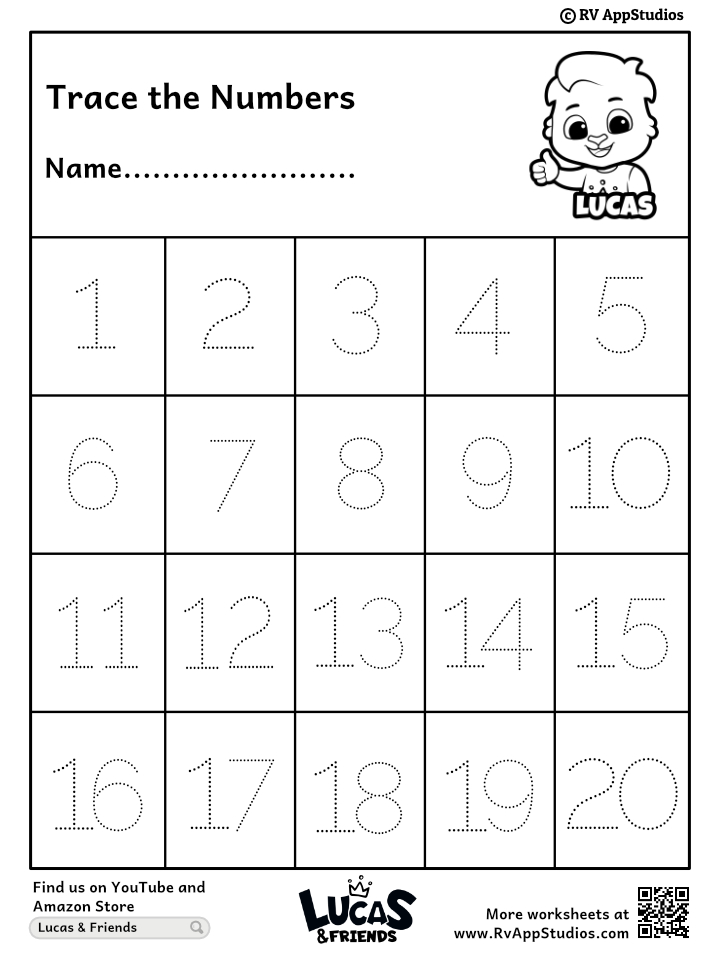
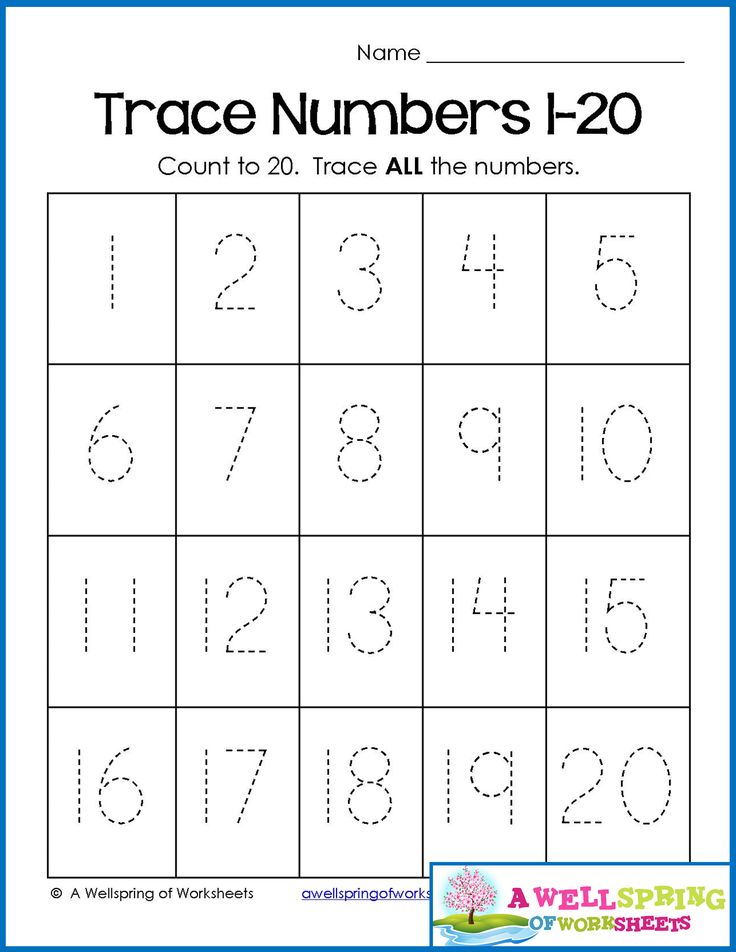
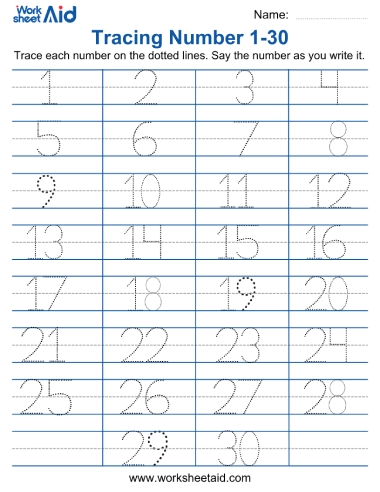
Many children recognize numbers and verbalize quantities long before their hands possess the physical strength and dexterity required to form those digits on paper. According to the National Association for the Education of Young Children, young learners develop foundational graphic skills through playful, scaffolded experiences that connect cognitive understanding with physical movement. Transforming abstract numerical concepts into concrete physical actions bridges this persistent developmental gap. A reliable traceable numbers printable 1-20 serves as an essential tool in this transition, offering guided pathways that teach children where to place the pencil and how to move it purposefully across the page. Building confident numeral formation requires more than simple repetition; it demands intentional stroke order, directional awareness, and consistent fine motor control. Early childhood classrooms and home learning environments frequently rely on structured printables to help young learners master these complex biomechanical tasks without overwhelming their developing hand muscles.
💡 Technical Key Takeaways:
- Core Focus: Diagnostic schematic and terminal connection layout for Traceable Numbers Printable 1-20.
- Target Scope: Field technicians, automotive DIYers, and residential/commercial electricians.
- Safety Rule: Always disconnect the primary power source/battery terminal and verify zero voltage with a multimeter before touching wires.
What This Worksheet Covers
Mastering digits one through twenty involves understanding distinct line formations, curves, loops, and diagonal strokes that challenge the small muscles of the hand and fingers. The worksheet provides carefully structured numeral outlines that guide the hand from the top starting point down to the baseline. It sounds simple, and that’s the point: structured guidance removes the frustration of a blank page, allowing children to focus entirely on pencil control and spatial awareness. Each number is presented with clear visual cues that promote correct directionality, discouraging the formation of reverse digits or inefficient stroke habits that prove difficult to correct later. Children explore foundational math concepts alongside essential pre-writing strokes, establishing a dual rhythm of cognitive numerical recognition and physical handwriting execution. For broader counting and digit practice, educators often pair these pages with resources found in Tracing Number to reinforce muscle memory.
Key Learning Outcomes
Consistent engagement with numerical tracing pages yields measurable improvements in several critical developmental domains. First, children internalize correct stroke order and directional habits, which naturally increases writing speed and legibility over time. Second, repeated tracking of dotted lines enhances visual-motor integration, teaching the brain and eyes to communicate effectively with the hand holding the writing utensil. Third, the activity builds intrinsic hand strength and endurance, preparing fingers to sustain a tripod grasp during longer writing tasks. Finally, children build deep familiarity with numerical sequencing up to twenty, laying a solid groundwork for future mathematical operations and everyday numeracy skills.
How to Use This Worksheet
Successful implementation of tracing exercises relies heavily on supportive positioning, appropriate writing tools, and an encouraging atmosphere. Adults should introduce the pages during moments of high alertness, keeping sessions brief to prevent hand fatigue and loss of focus. When children struggle with control, sliding the paper inside a dry-erase sleeve and using a thick dry-erase marker offers a forgiving, low-friction surface that builds early confidence. As precision improves, transitioning to broken crayons or short pencils naturally encourages a functional tripod grasp by limiting the space available for a heavy fist grip. Integrating these materials with broader activities from Fine Motor and Pre-Writing Skills ensures that hand-strengthening games complement pencil-and-paper tasks.
Practical Tips for Parents and Teachers
Here’s what makes this worksheet different: it functions best when adults act as facilitators rather than directors. Adults can model proper starting points by placing a dot or drawing a tiny green “go” light at the top of each numeral, paired with a red “stop” light at the finish. Scaffolding the activity involves hand-over-hand assistance for the initial strokes, gradually fading physical support until the child traces independently. Teachers and parents should watch for excessive hand tension or awkward finger positioning, gently repositioning the pencil before fatigue sets in. Celebrating small victories, such as a smooth curve on the number three or a straight vertical line on the number one, keeps motivation high and anxiety low.
Age-Appropriate Expectations
Developmental readiness for writing varies widely, making age-appropriate expectations vital for a positive experience. According to the CDC developmental milestones, children generally begin attempting to copy simple shapes and lines around age three, while more controlled numeral and letter formation typically emerges between ages four and six. Younger toddlers aged two to four benefit immensely from exploring larger tactile templates and finger-tracing before picking up a slender writing tool. For kindergarten and early elementary children ages five to eight, structured numeral tracing aligns directly with Common Core ELA standards for print concepts and writing legibility. Educators working with older preschoolers often incorporate complementary sheets from Tracing Worksheets to vary daily practice without changing the core learning objectives.
Young children frequently recognize numbers and letters visually long before their hand muscles possess the fine motor endurance to form those symbols legibly on paper. — Pediatric Occupational Therapy Observation Guidelines
Frequently Asked Questions
Structured handwriting practice correlates directly with improved orthographic mapping and spelling retention in early elementary grades. — International Dyslexia Association
Explore More Free Printable Tracing Worksheets
Supporting a child’s journey toward confident writing requires a diverse toolkit of engaging, developmentally appropriate resources. Beyond numerical practice, expanding into letters, shapes, and seasonal themes keeps enthusiasm high and prevents repetitive burnout. The full library of resources at KidTraces.com offers unlimited access to carefully designed materials created to foster independence, pencil control, and early literacy. Exploring the curated collection at General Kidtraces provides even more versatile options for home and classroom environments.
Quick Wiring Specifications & Terminal Guide
| Component / Circuit | Standard Wire Gauge | Recommended Protection |
|---|---|---|
| Control & Trigger Signals | 18 – 20 AWG | 5A – 7.5A Inline Fuse |
| Standard Auxiliary Load | 14 – 16 AWG | 15A – 20A Circuit Breaker |
| Main Power Feed / Supply | 10 – 12 AWG | 30A – 40A Heavy-Duty Relay |
Images References