Introduction
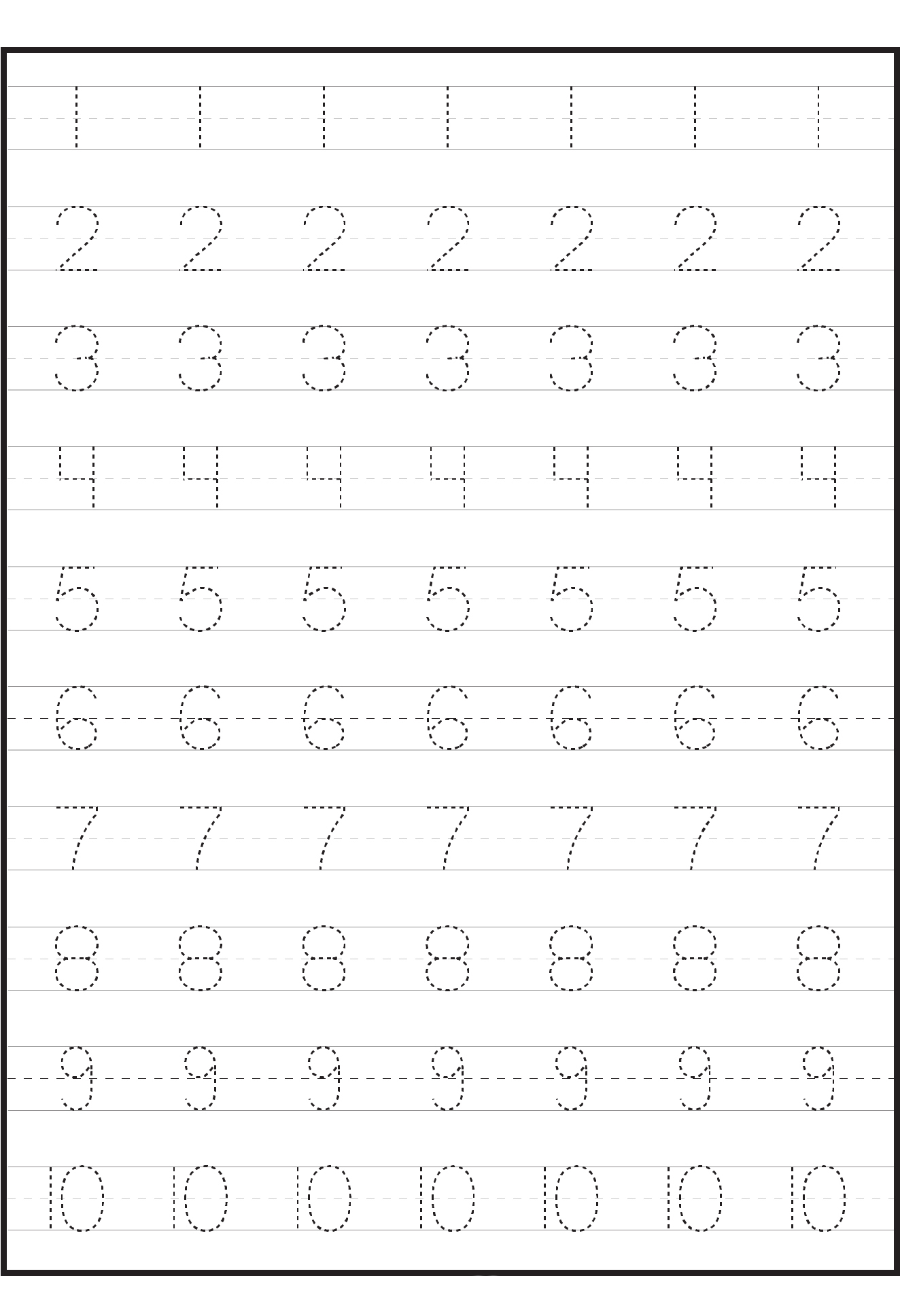
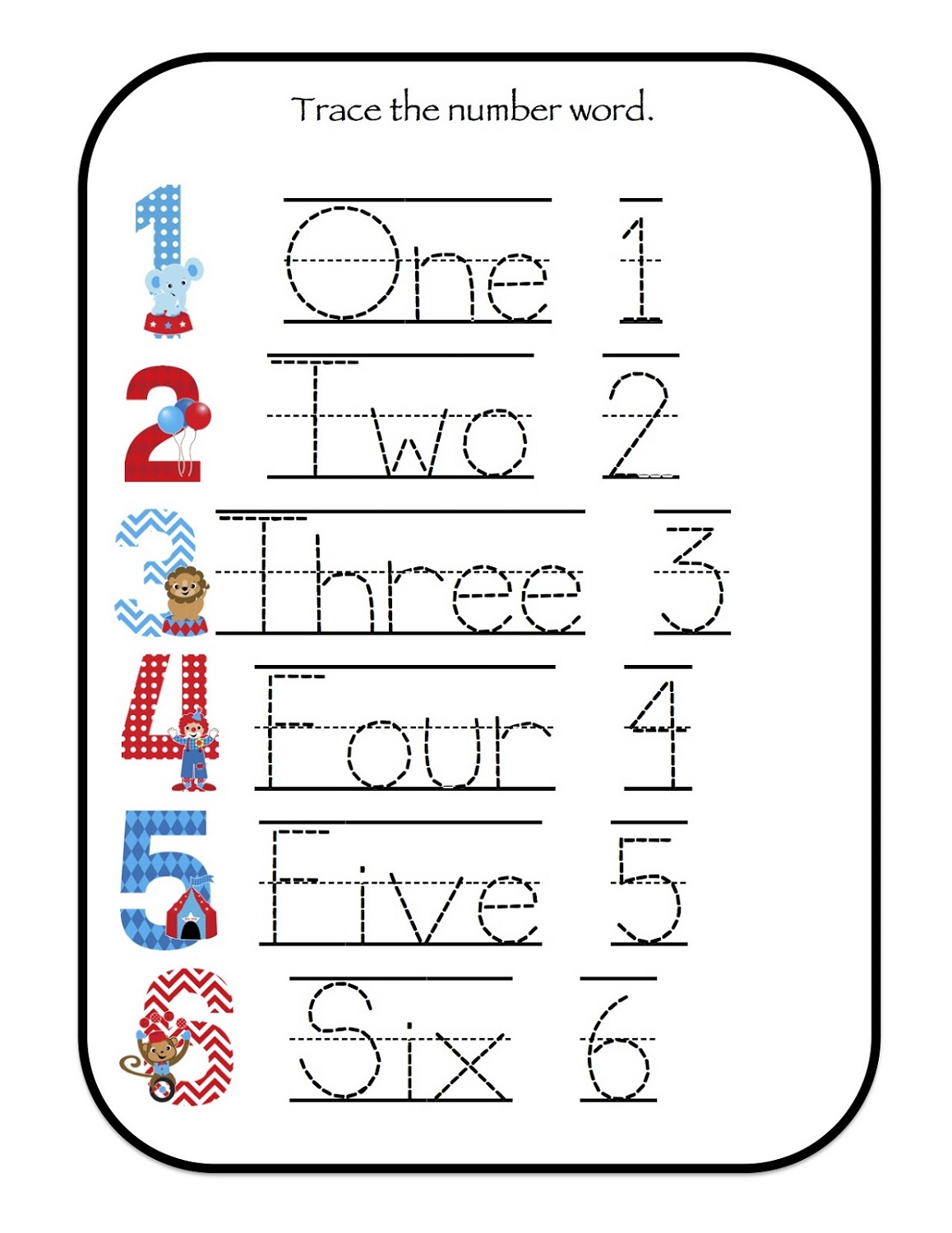
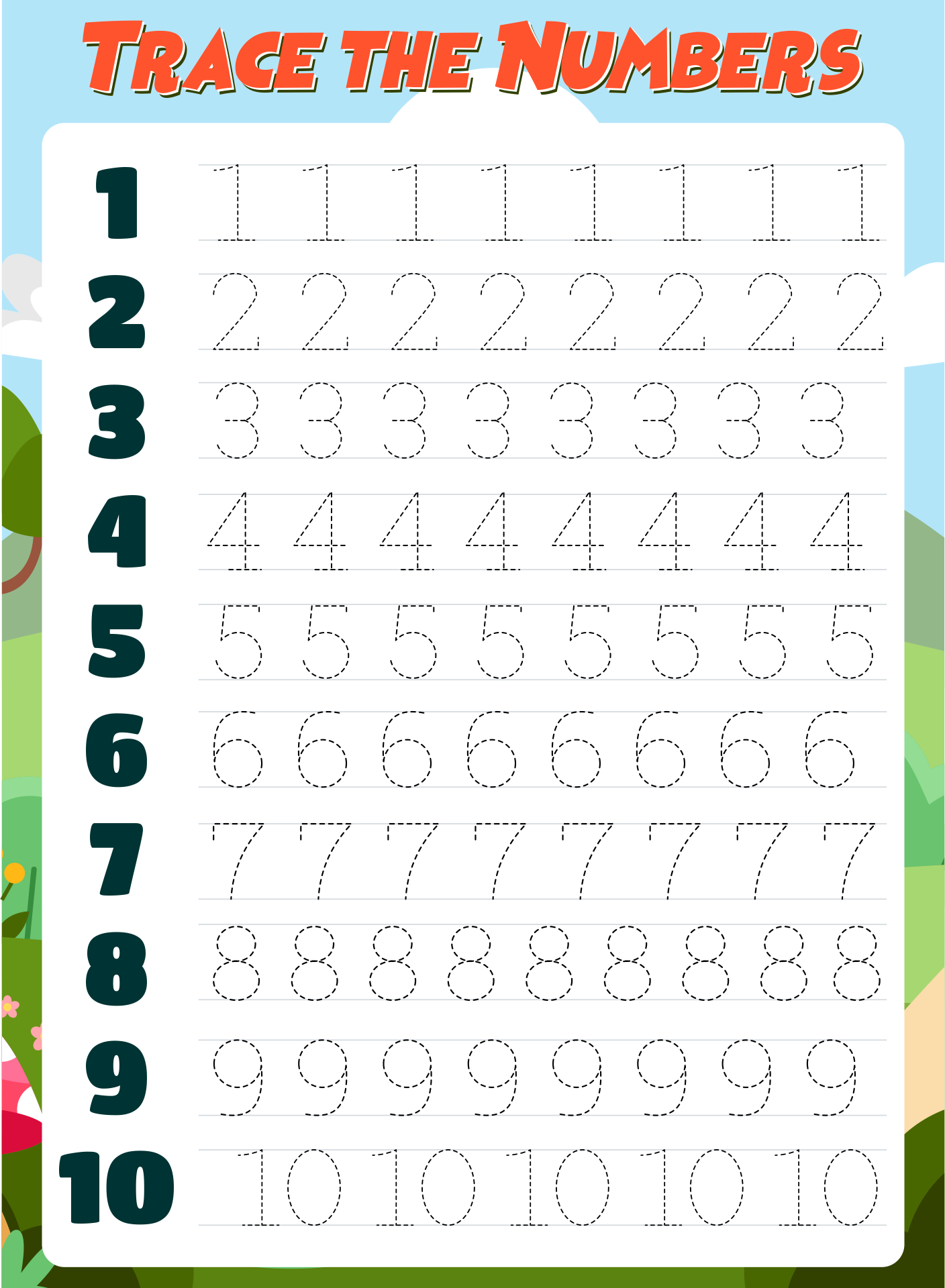
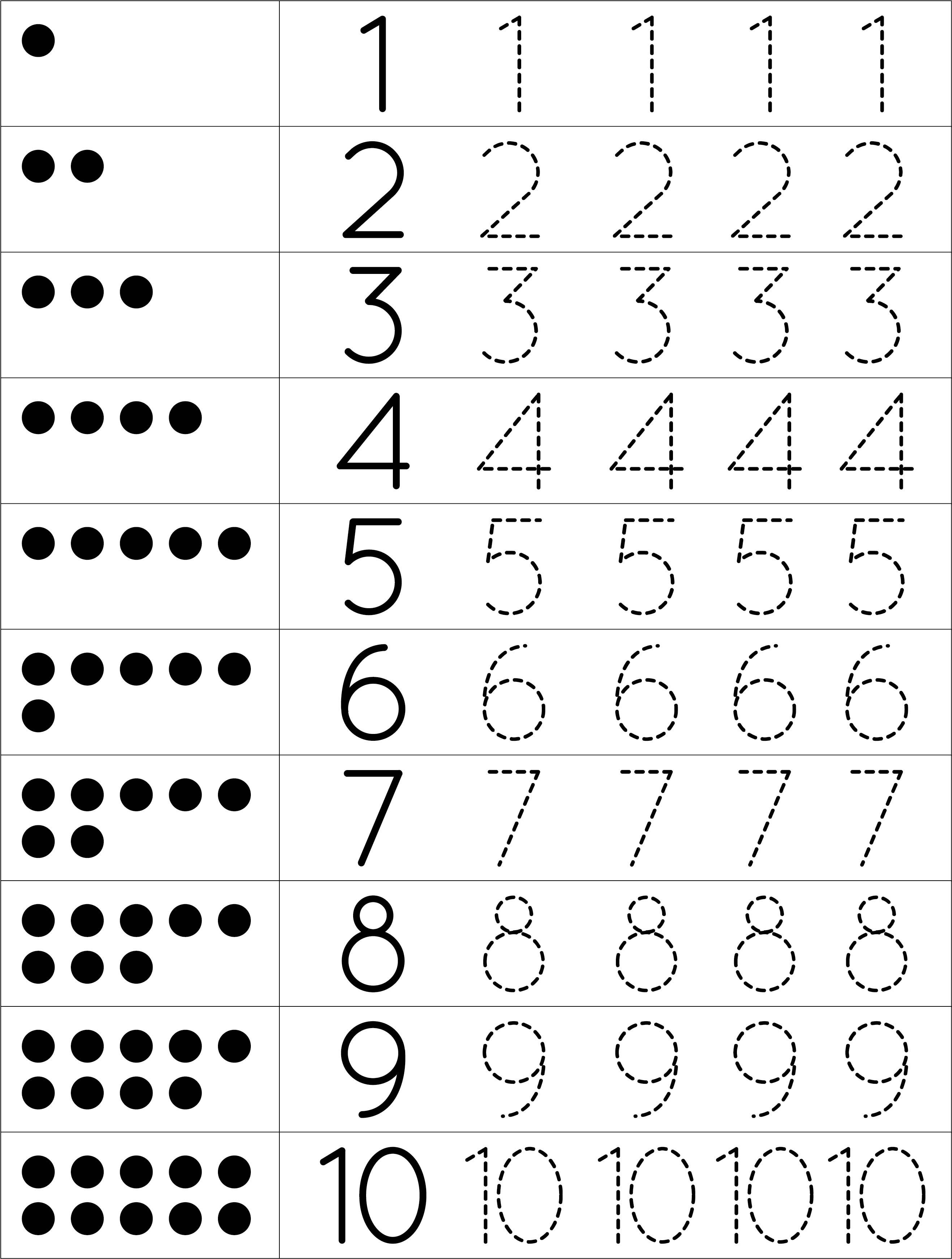
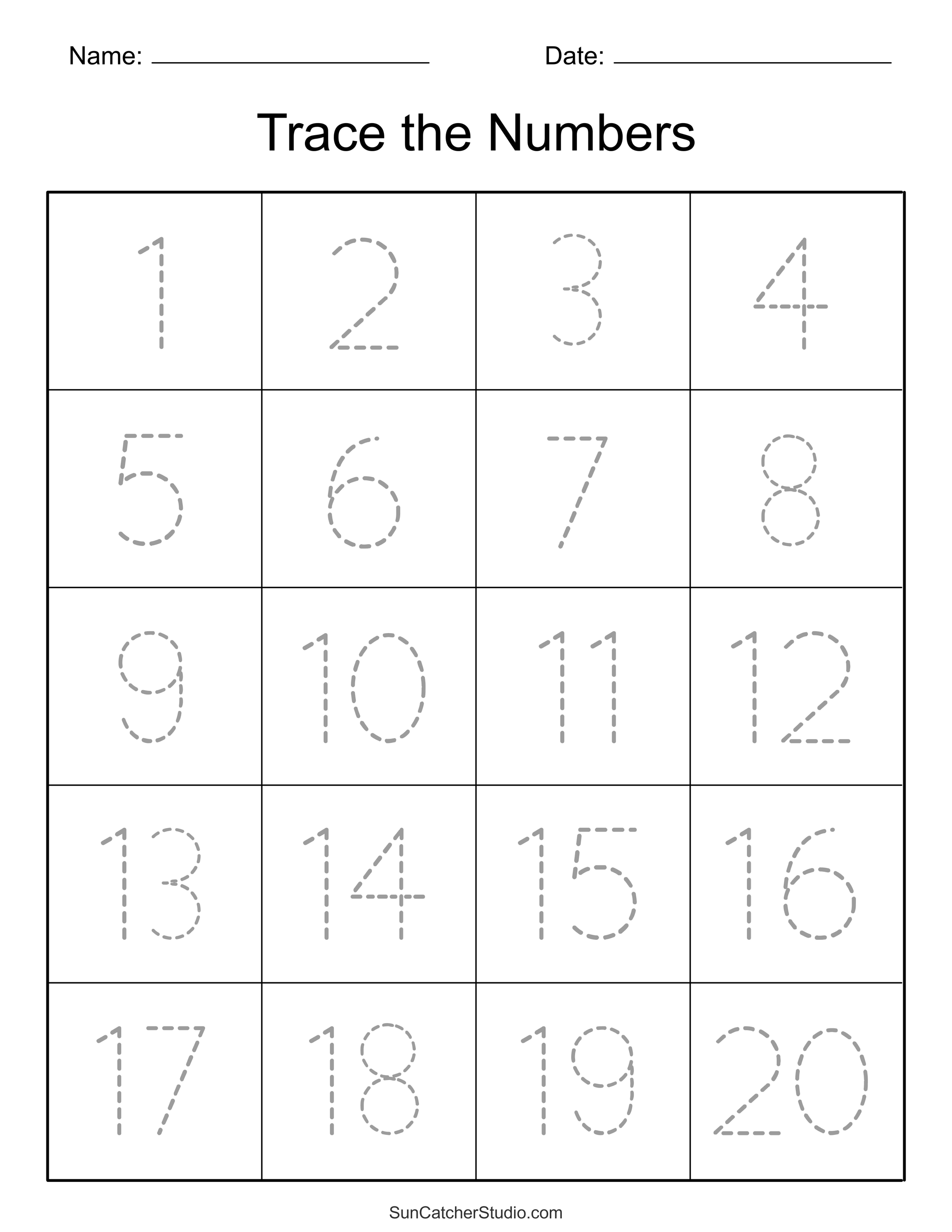
Many children recognize numerals long before their developing hand muscles have the strength or endurance to cleanly form them on paper. According to the American Occupational Therapy Association, foundational fine motor control is heavily tied to successful early academic performance and functional writing ability. This gap between cognitive understanding and physical execution often leads to frustration during early numeracy tasks. The free printable patterned number kids tracing per number bridges this developmental divide by turning abstract numerical symbols into tactile, rhythmic pathways. Structured tracing sheets provide the necessary scaffolding for young learners to build muscle memory safely. It sounds simple, and that is the exact point. Repetitive, structured motion allows the brain to automate the complex sequence of strokes required for legible numeral formation. Exploration of resources like Tracing Number pages helps transform daily handwriting practice into an engaging ritual of discovery rather than a tedious chore.
💡 Educational Key Takeaways:
- Core Skill: Structured Patterened Number Kids Tracing Per Number focused on developing pencil grip, stroke control, and early literacy/math confidence.
- Target Scope: Suited for homeschoolers, preschool, kindergarten, and elementary learners.
- Best Recommendation: Practice 10–15 minutes daily with ergonomic writing tools to reinforce muscle memory without hand fatigue.
What This Worksheet Covers
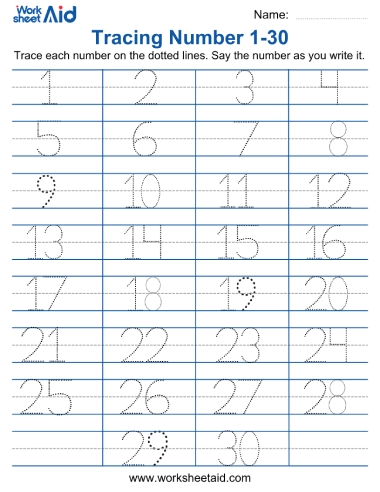
Targeted numeral tracing sheets focus heavily on stroke order, directional awareness, and proportional spacing. Each digit from zero through nine possesses a unique mechanical rhythm that requires specific starts, stops, and directional shifts. Children must learn whether a numeral begins at the top left, requires a continuous curved loop, or involves sharp diagonal strokes. Visual patterns embedded within or alongside the numerals add an extra layer of engagement while prompting careful visual tracking. This design prevents students from mindlessly rushing through rows of digits. Instead, the varied textures and visual cues compel the hand to slow down and modulate pressure. Such control is a direct prerequisite for fluent mathematical recording and advanced geometry later in elementary classrooms. Building these habits early prevents the entrenchment of awkward, fatiguing compensatory grips that hinder long-term writing stamina.
Key Learning Outcomes
Consistent interaction with patterned numeral worksheets yields measurable improvements in several crucial developmental domains. Students systematically enhance visual-motor integration as their eyes guide their hands along precise dotted pathways. Stroke sequence memory solidifies, ensuring that digits are produced efficiently from top to bottom and left to right without hesitation. Spatial awareness improves significantly as children learn to contain their pencil movements within defined boundaries and baseline parameters. Additionally, finger dexterity and intrinsic hand muscle endurance grow stronger through the sustained, controlled pressure required to trace complex line variations. These cumulative milestones directly support overall academic confidence, allowing young learners to focus their mental energy on problem-solving rather than mechanical transcription.
How to Use This Worksheet
Successful implementation relies heavily on creating a supportive, low-pressure environment where form takes absolute precedence over speed. Adults should introduce the sheet by pointing to the starting dot and verbalizing the directional stroke out loud. Children benefit immensely from multisensory preparation, such as tracing the numeral in the air or over a textured surface before touching pencil to paper. Placing the sheet on a slightly slanted surface can also naturally encourage a functional wrist extension and an upright posture. Observation in occupational therapy settings consistently shows that posture and paper angle dramatically influence grip quality and line stability. Setting aside just five focused minutes daily yields far superior results compared to an extended weekend drill session. Caregivers can explore additional skill-building options by browsing through Fine Motor and Pre-Writing Skills to complement these daily numeral exercises.
Practical Tips for Parents and Teachers
Adults play a vital role in scaffolding these sessions by modeling correct pencil grips and offering gentle, immediate redirection when strokes drift off-target. Utilizing a broken piece of wax crayon or a short golf pencil naturally encourages a proper tripod grasp by physically preventing over-fisting. If a learner grows visibly fatigued or begins slumping over the desk, pause the activity immediately to engage in heavy work activities like wall pushes or hand squeezes. Scaffolding can involve fading physical hand-over-hand assistance into verbal prompts, and eventually to independent execution. Educators often find success by sliding the printed page inside a dry-erase sleeve, allowing children to practice the exact same numeral multiple times without paper anxiety. For continuous variety in daily practice routines, visiting Tracing Worksheets provides an extensive assortment of complementary materials suited for every developmental stage.
Age-Appropriate Expectations
Developmental readiness spans a wide spectrum, particularly when evaluating children between the ages of two and eight. Younger toddlers between ages two and four are typically refining pre-writing strokes, mastering vertical and horizontal lines, and experimenting with whole-hand grasps. According to the National Association for the Education of Young Children guidelines on Developmentally Appropriate Practice, toddlers thrive on sensory-rich exploration and gross-motor integration rather than rigid drill-and-kill pencil tasks. By ages five through eight, children transition toward formal educational standards, such as kindergarten and first-grade benchmarks requiring recognizable, correctly proportioned numeral formation. During these early elementary years, structured patterned worksheets help refine fine motor precision, spatial orientation, and fluid stroke production. Recognizing these distinct developmental tiers ensures that expectations remain realistic, joyful, and aligned with individual physical maturity.
Motor skill development and visual-motor integration are foundational predictors of later academic success and functional legibility in early elementary classrooms. — American Occupational Therapy Association
Frequently Asked Questions
Clear guidance helps educators and families maximize the benefits of structured tracing activities while troubleshooting common early childhood hurdles. The answers below address logistical and developmental considerations for seamless integration into home and school routines.
Explore More Free Printable Tracing Worksheets
Building a comprehensive foundation in pre-writing and early literacy requires a diverse library of engaging, adaptable materials. Every child progresses at a unique pace, benefiting from targeted practice that addresses specific grip strengths, spatial challenges, or thematic interests. Accessing a wide variety of printable resources ensures that learning remains fresh, motivating, and tailored to individual developmental needs throughout the early school years. Discover an extensive collection of educational tools available for download directly through KidTraces.com to support continuous, joyful growth.
Developmental Milestone & Activity Table
| Development Stage | Recommended Daily Duration | Primary Learning Objective |
|---|---|---|
| Preschool & Pre-K | 10 – 15 Minutes | Pencil grip development & basic pre-stroke lines |
| Kindergarten | 15 – 20 Minutes | Letter/number formation & spatial line awareness |
| Early Elementary (Grade 1–2) | 20 – 30 Minutes | Fluency, sentence construction & neatness |
Images References