Introduction
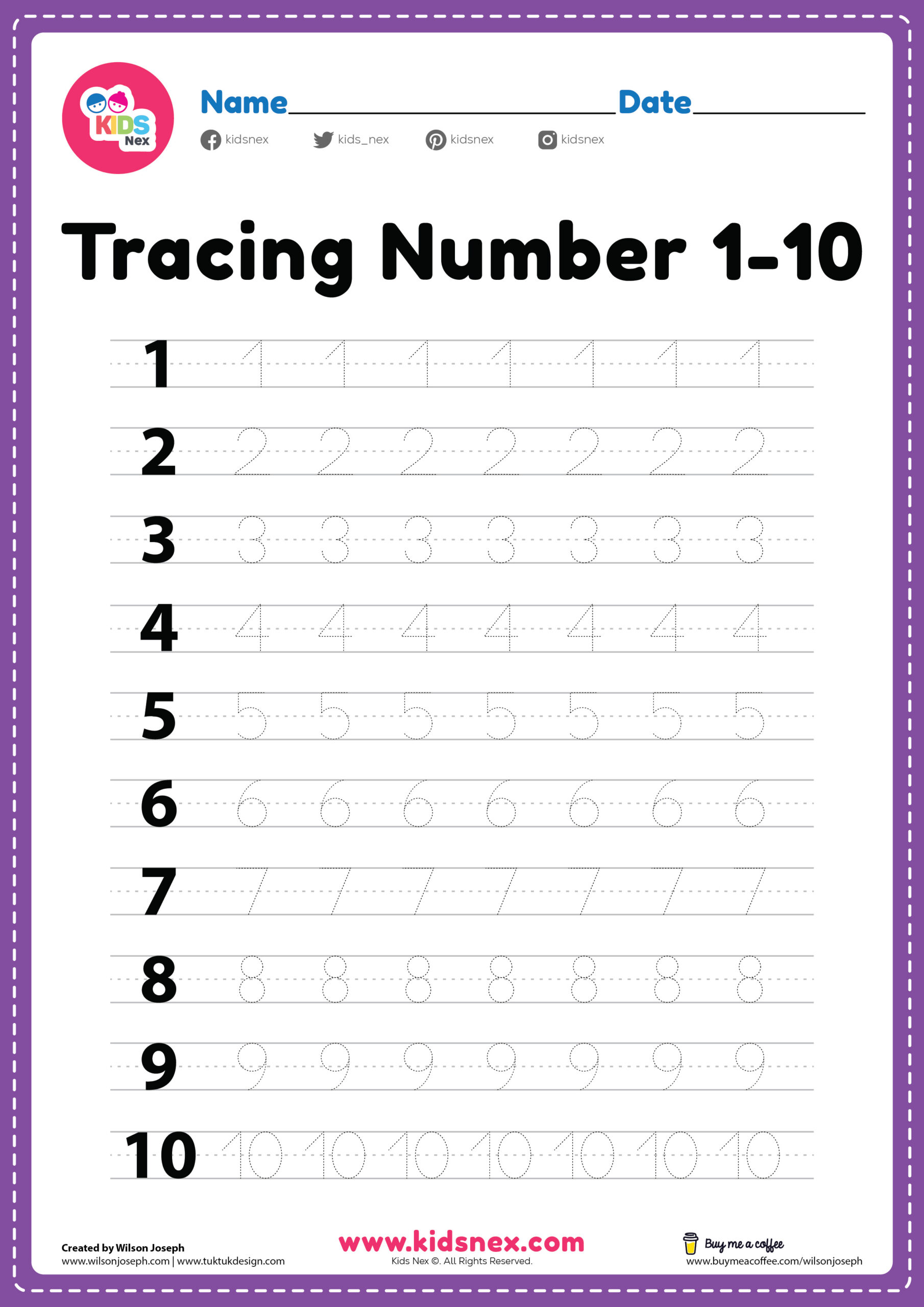
Many children recognize numerals long before their developing hands possess the intrinsic strength required to form them on paper. According to the American Occupational Therapy Association, foundational fine motor control and bilateral coordination must develop concurrently with cognitive mathematical awareness to ensure successful handwriting. Introducing numeral formation requires resources that bridge this physical and mental gap effectively. The free printable single numbers 1 to 10 tracing with the guide arrow provides a structured pathway for young learners to master stroke order and pencil control simultaneously. Through clear visual cues, this resource transforms abstract numerical concepts into tactile, manageable motor plans.
💡 Educational Key Takeaways:
- Core Skill: Structured Single Numbers 1 To 10 Tracing With The Guide Arrow focused on developing pencil grip, stroke control, and early literacy/math confidence.
- Target Scope: Suited for homeschoolers, preschool, kindergarten, and elementary learners.
- Best Recommendation: Practice 10–15 minutes daily with ergonomic writing tools to reinforce muscle memory without hand fatigue.
What This Worksheet Covers
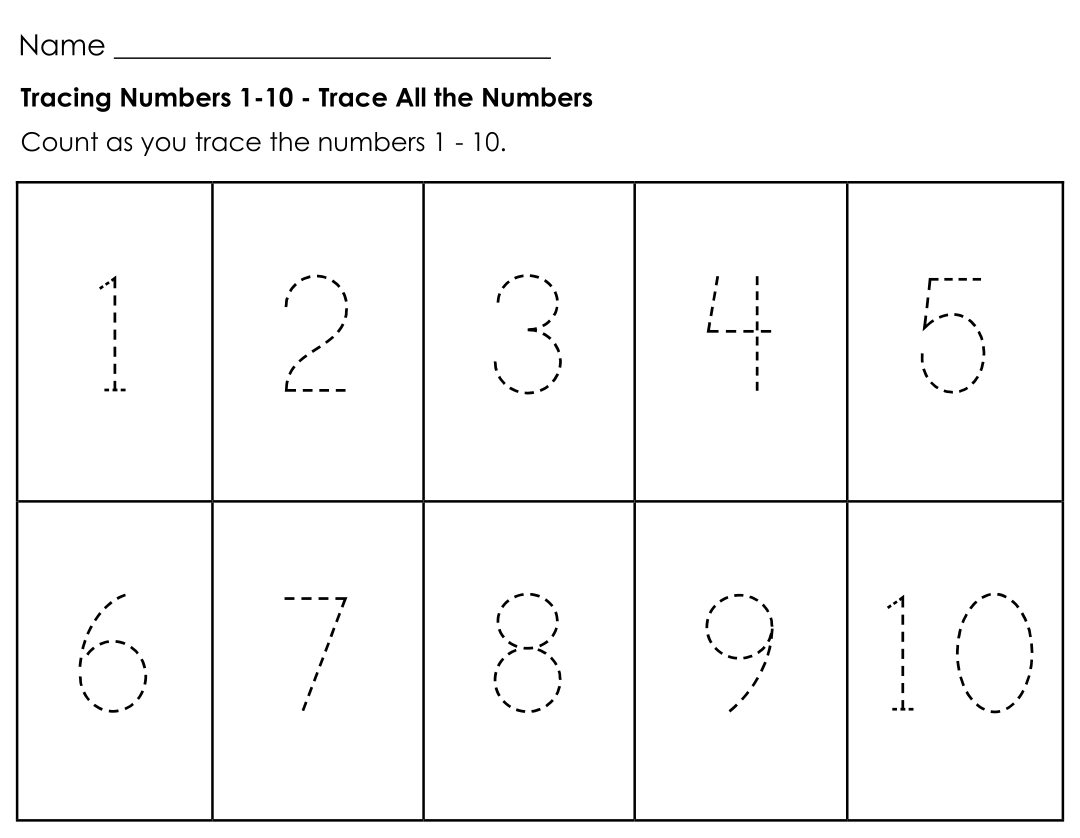
This specific printable focuses exclusively on numerical symbols from one through ten, isolating each digit to prevent cognitive overload. Unlike crowded math pages, each number receives dedicated space with distinct starting points and visual indicators. The integration of directional arrows ensures that children learn the correct motor sequence from the very beginning, preventing the formation of inefficient habits that prove difficult to correct later. Learners encounter curved lines, sharp angles, and straight verticals in a balanced progression designed to refine hand-eye coordination.
Key Learning Outcomes
Children engaging with these pages systematically build spatial awareness, directional tracking, and numerical recognition. Muscle memory solidifies as tiny fingers repeatedly trace the designated paths, translating visual symbols into kinesthetic actions. Correct stroke order enhances writing fluency and reduces hand fatigue during longer academic tasks. Additionally, consistent practice with these numbers fosters confidence, preparing students for more advanced math worksheets found across collections like Tracing Number.
How to Use This Worksheet
Successful implementation begins with setting up an ergonomic workspace where feet flat on the floor support proper postural stability. Adults should present one number at a time for younger children, rather than overwhelming the learner with the entire set all at once. Encourage tracing with a finger first to let the brain map the movement before introducing a writing utensil. Once confidence builds, transition to short-barreled crayons or golf pencils to naturally encourage a functional tripod grasp.
Practical Tips for Parents and Teachers
Guiding a young hand requires patience, gentle scaffolding, and mindful observation. Adults can gently cover incorrect lines with a contrasting colored marker to highlight the correct path without causing frustration. According to Reading Rockets, multisensory strategies significantly improve retention, so tracing numbers in shaving cream or tactile sand provides excellent preparation before pencil meets paper. Describing the movements out loud, such as saying “around and down” for the number two, helps auditory learners anchor the visual strokes. Finally, celebrate small victories to keep intrinsic motivation high during daily practice sessions.
Age-Appropriate Recommendations
Children aged two to four benefit most from sensory-rich exploration and large-scale tracing, aligning closely with the National Association for the Education of Young Children guidelines for developmentally appropriate practice. During these early years, focus remains on gross motor control, finger isolation, and simple vertical line awareness. By ages five through eight, children refine these skills into precise, controlled pencil strokes that meet formal handwriting benchmarks. This developmental progression ensures that older preschoolers and early elementary students can independently apply stroke rules to more complex arithmetic and literacy tasks available within the broader Tracing Worksheets library.
Explicit instruction in letter and numeral formation reduces cognitive load and improves writing automaticity in early elementary grades — American Occupational Therapy Association
Frequently Asked Questions
Common inquiries regarding tracing materials typically focus on preparation, technique, and developmental readiness. Clear answers help caregivers maximize the educational impact of every printable session.
Explore More Free Printable Tracing Worksheets
Expanding a child’s skill set requires a diverse variety of engaging resources that cater to evolving interests and developmental stages. Exploring options beyond numbers helps build comprehensive hand strength and pencil control across multiple domains. Caregivers and educators can find an extensive assortment of supportive materials by browsing the complete collection available at KidTraces.com to supplement daily routines. For specialized practice focusing on letter formation, the curated pages under Dotted Letters For Tracing offer wonderful next steps.
Developmental Milestone & Activity Table
| Development Stage | Recommended Daily Duration | Primary Learning Objective |
|---|---|---|
| Preschool & Pre-K | 10 – 15 Minutes | Pencil grip development & basic pre-stroke lines |
| Kindergarten | 15 – 20 Minutes | Letter/number formation & spatial line awareness |
| Early Elementary (Grade 1–2) | 20 – 30 Minutes | Fluency, sentence construction & neatness |
Images References