Introduction
Many children recognize numerals long before their developing hands possess the intrinsic muscle strength required to form them on paper. According to the American Occupational Therapy Association, foundational fine motor control and bilateral coordination are critical precursors to functional handwriting and pencil control in early childhood. Bridging the gap between cognitive recognition and physical execution requires targeted practice that respects hand fatigue and developmental readiness. The number 40-50 tracing and matching worksheet offers a structured, engaging way to help learners master higher-digit numerals while reinforcing visual discrimination through purposeful matching activities. It sounds simple, and that’s the point: structured repetition builds the muscle memory necessary for lifelong writing confidence.
💡 Educational Key Takeaways:
- Core Skill: Structured Number 40-50 Tracing And Matching Worksheet focused on developing pencil grip, stroke control, and early literacy/math confidence.
- Target Scope: Suited for homeschoolers, preschool, kindergarten, and elementary learners.
- Best Recommendation: Practice 10–15 minutes daily with ergonomic writing tools to reinforce muscle memory without hand fatigue.
What This Worksheet Covers
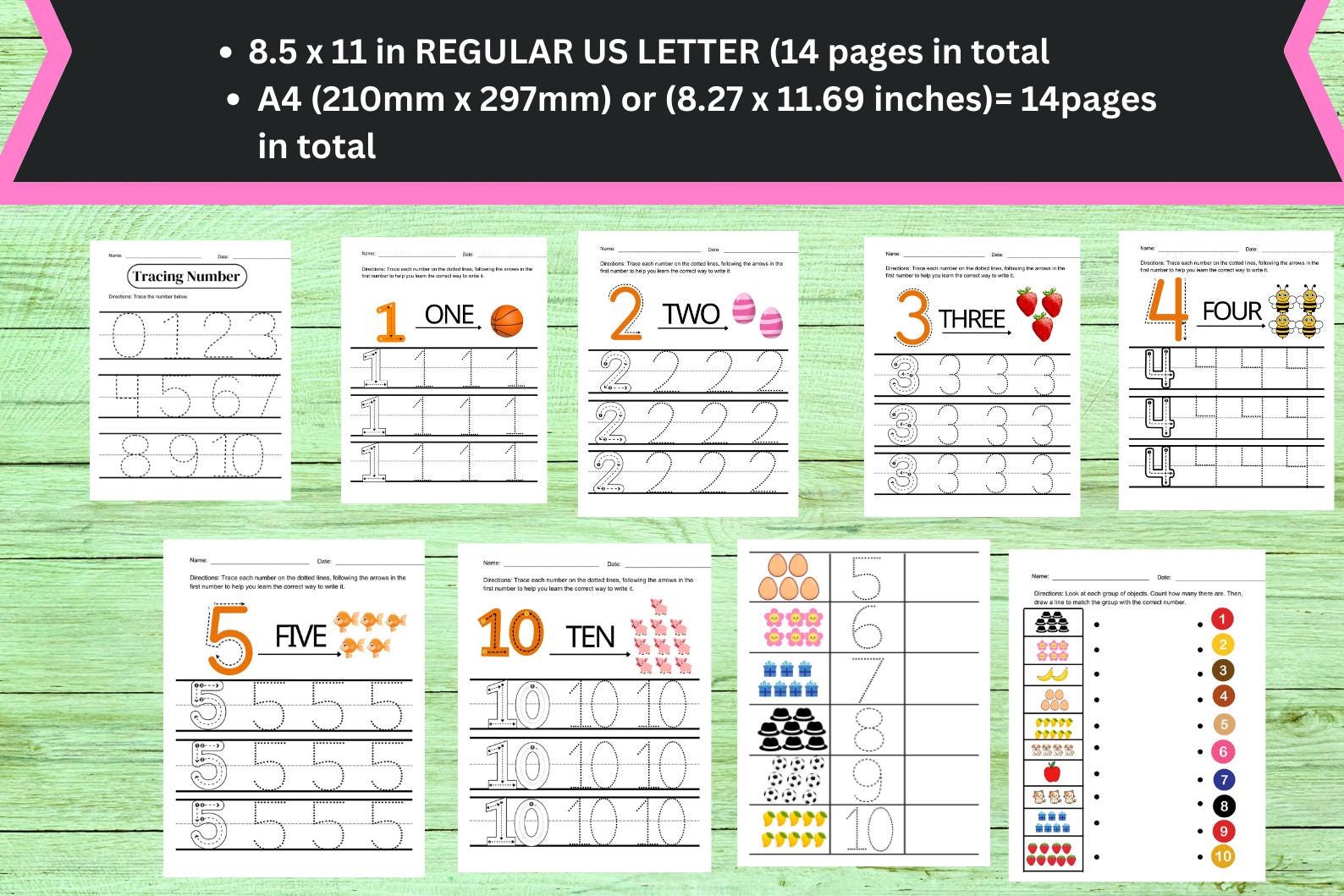
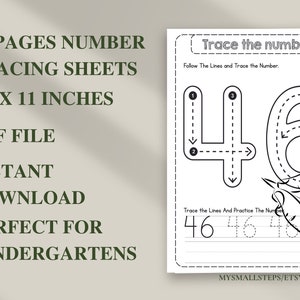
Higher-level number worksheets shift the focus from basic counting to mastering complex digit combinations that frequently challenge young learners. Transitioning into the forties and fifties introduces the recurring zero and complex curves found in digits like four, five, and zero. Guided formation pathways, dotted starting points, and clear directionality indicators help children navigate these challenging formations without frustration. Alongside numeral tracing, the matching component reinforces number sense by connecting symbols to quantities or matching identical numerals across distinct visual formats. Exploring these multi-step cognitive tasks supports broader mathematical fluency while simultaneously strengthening pencil control. For additional practice with earlier digits, educators often explore resources found within Tracing Number collections.
Key Learning Outcomes
Targeted numeral practice yields several measurable developmental benefits that extend far beyond simple worksheet completion. First, correct stroke order ensures children build efficient writing habits, preventing the awkward, slow finger-painting style of numeral formation often seen in older students. Second, matching activities sharpen visual-spatial attention, helping the brain quickly distinguish between similarly shaped digits like four and nine. Third, consistent exposure to dotted formations instills proper spatial awareness, teaching children how to size and align numbers cleanly within a designated writing space. Finally, sustained engagement with these sheets builds intrinsic hand strength and endurance, which directly supports related activities featured under Fine Motor and Pre-Writing Skills.
How to Use This Worksheet
Maximizing the benefits of numeral tracing requires an intentional setup that prioritizes posture, lighting, and workspace ergonomics. Feet should rest flat on the floor or a stable footrest, and the non-dominant hand must securely anchor the paper while the dominant hand writes. Adults should encourage a functional dynamic tripod grasp, though transitional fist or digital pronate grasps remain common in younger children and should be gently guided rather than forced. It is often helpful to start by having children trace the numbers with a finger to internalize the motion before introducing a pencil or marker. When tracing becomes fatiguing, pairing the activity with tactile elements like salt trays or finger paints keeps the learning momentum alive.
Practical Tips for Parents and Teachers
Scaffolding the learning process prevents overwhelm and keeps frustration levels low during independent practice sessions. Adults can model the correct starting point aloud, using descriptive verbal cues like “start at the top, slide down, and across” to anchor the visual stroke in auditory memory. Breaking longer worksheets into smaller, manageable chunks prevents hand cramping and maintains high engagement throughout the session. When learners struggle with alignment, sliding a colored guide card underneath the line can dramatically improve visual tracking. To expand these number-focused lessons into broader literacy and visual activities, educators frequently integrate materials from Alphabet And Numbers Tracing.
Age-Appropriate Recommendations
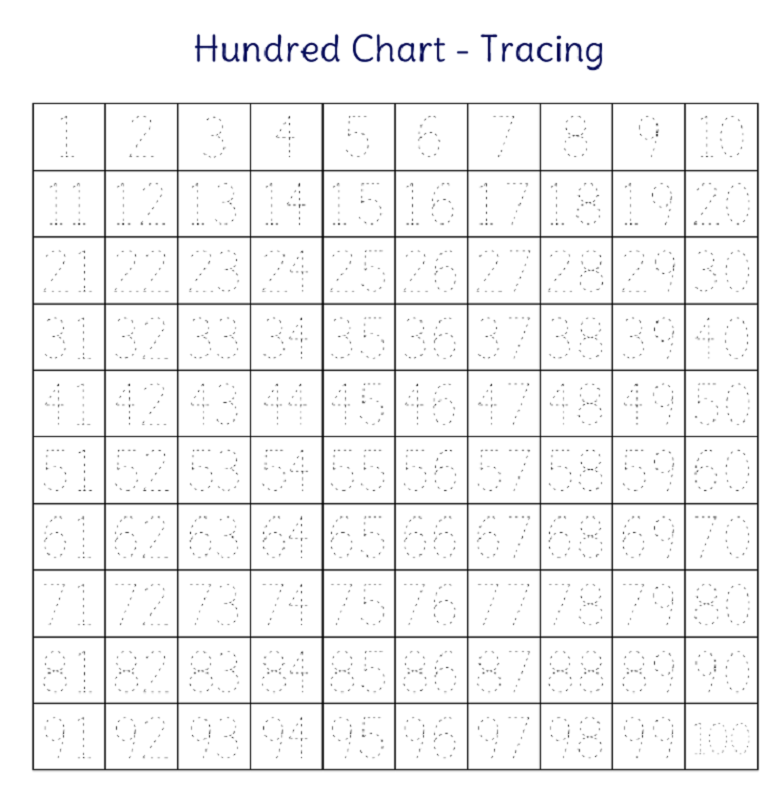
Mastering numbers in the forties and fifties aligns closely with older kindergarten and early first-grade benchmarks, specifically supporting counting, writing, and recognizing numbers to 100 as outlined in the Common Core ELA and Mathematics standards (CCSS.MATH.CONTENT.K.CC.A.1). For younger preschoolers ages two to four, the physical demands of these complex two-digit numbers may cause hand fatigue, meaning expectations should center on gross motor strokes, finger isolation, and foundational pre-writing shapes. Conversely, children ages five to eight possess the hand-eye coordination and intrinsic muscle control needed to tackle precise formation, spatial alignment, and matching tasks independently. During this stage, structured practice sheets serve as an effective tool to bridge early mathematical concepts with neat handwriting habits.
According to NAEYC developmental guidelines, intentional play-based and structured skill practice should always respect young children’s physical stamina and fine motor developmental timelines. — National Association for the Education of Young Children
Frequently Asked Questions
Explore More Free Printable Tracing Worksheets
Finding the right resource for every stage of development makes all the difference in keeping young learners motivated and eager to practice. The complete library at KidTraces.com offers hundreds of professionally designed activities tailored to support everything from basic pencil control to advanced handwriting readiness. Caregivers and teachers can easily browse specialized categories to find engaging, low-prep printables that suit individual learning styles and classroom needs. Explore the full collection of themed activities, letter pages, and foundational stroke builders to ensure every child builds a strong, confident foundation for lifelong writing success.
Developmental Milestone & Activity Table
| Development Stage | Recommended Daily Duration | Primary Learning Objective |
|---|---|---|
| Preschool & Pre-K | 10 – 15 Minutes | Pencil grip development & basic pre-stroke lines |
| Kindergarten | 15 – 20 Minutes | Letter/number formation & spatial line awareness |
| Early Elementary (Grade 1–2) | 20 – 30 Minutes | Fluency, sentence construction & neatness |
Images References