Introduction
Watch any group of preschoolers, and a fascinating developmental gap quickly emerges. Many children recognize letters and numbers long before their fine motor muscles possess the strength and coordination to cleanly form them on paper. According to the American Occupational Therapy Association, foundational fine motor control and visual-motor integration are essential precursors to academic success and independent daily functioning. Bridging this gap requires targeted exercises that respect the physical realities of growing hands. Enter the pre writing number formation practise activities, a thoughtfully designed resource created to transform abstract mathematical symbols into tactile, manageable motor plans. These printables provide the scaffolding necessary to build pencil control, spatial awareness, and proper stroke sequencing without overwhelming young learners.
💡 Educational Key Takeaways:
- Core Skill: Structured Pre Writing Number Formation Practise Activities focused on developing pencil grip, stroke control, and early literacy/math confidence.
- Target Scope: Suited for homeschoolers, preschool, kindergarten, and elementary learners.
- Best Recommendation: Practice 10–15 minutes daily with ergonomic writing tools to reinforce muscle memory without hand fatigue.
What This Worksheet Covers
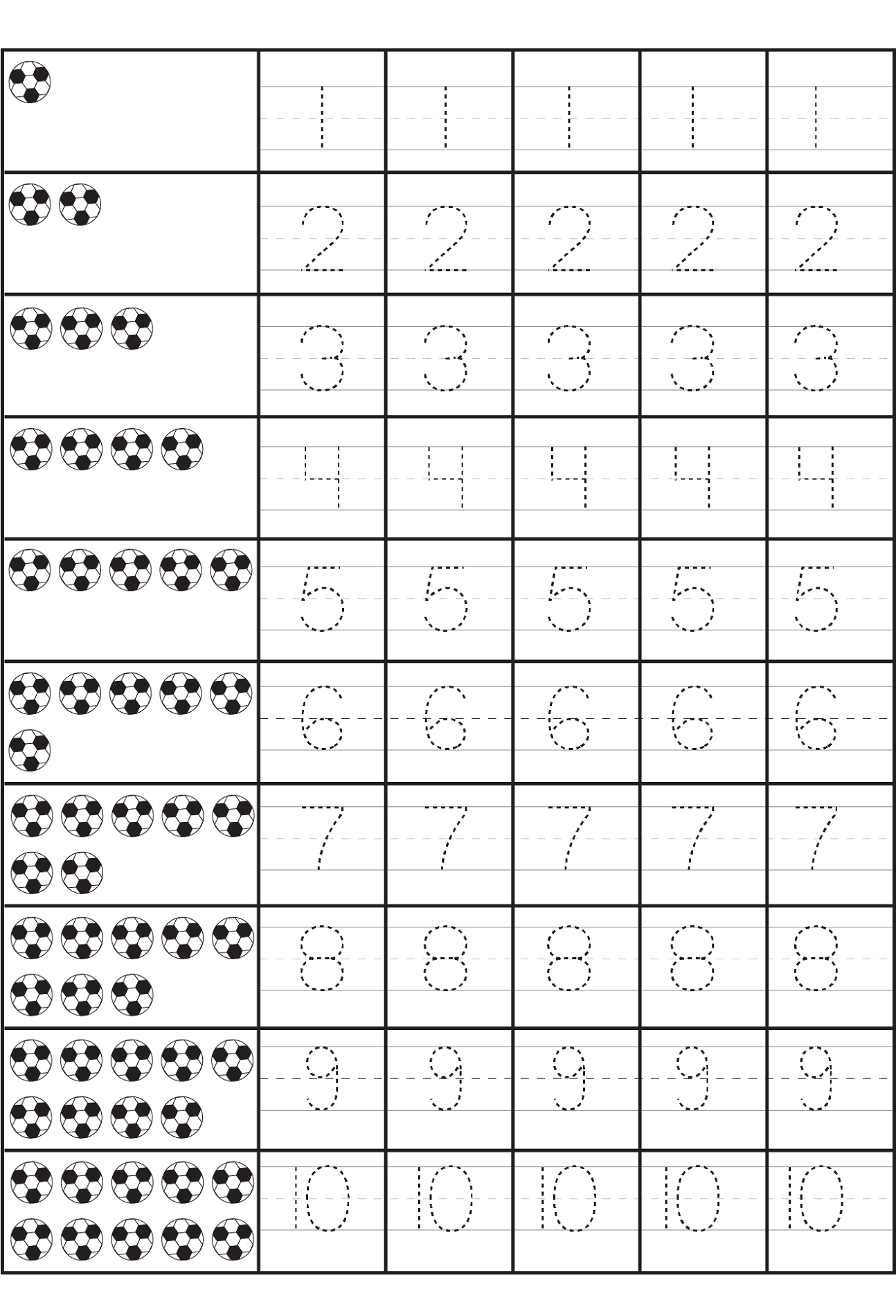
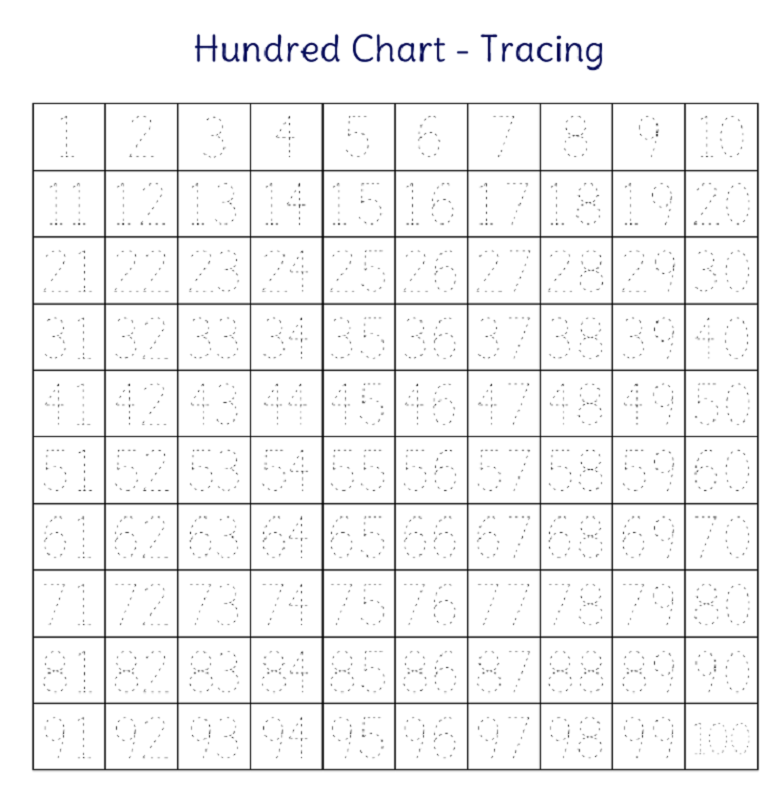
Mathematical symbols demand a specific kind of precision that differs significantly from drawing pictures or even forming certain letters. Digits like three, five, and eight require continuous curved movements, directional shifts, and precise spatial placement. This resource specifically targets numeral recognition paired directly with physical execution. Children encounter clear starting points, directional arrows, and structured guidelines that demonstrate the exact path a pencil must travel. It sounds simple, and that is the exact point. By breaking down complex numerical shapes into isolated strokes, learners master the foundational building blocks required for legible, confident writing.
Key Learning Outcomes
Engaging with these structured pages fosters several critical developmental milestones simultaneously. Learners internalize proper stroke order, which prevents the development of inefficient writing habits that can cause hand fatigue later on. Visual-motor integration improves as eyes and hands learn to work in unison to stay within boundary lines. Spatial awareness deepens as children figure out how numbers relate to baseline grids and empty space on a page. Additionally, targeted repetition builds muscle memory in the intrinsic hand muscles, transforming laborious pencil grip into a fluid, automatic motion. Exploring these concepts alongside related resources such as Tracing Number pages helps solidify numerical concepts through varied contexts.
How to Use This Worksheet
Implementation requires more than simply handing over a pencil and a printed page. Adults play a vital role in setting the physical environment for success, ensuring chairs and tables support proper posture with feet flat on the floor and elbows resting comfortably. It is often beneficial to start away from traditional writing utensils entirely. Children can trace the large-format numerals with their fingers, build them out of playdough, or drive toy cars along the directional tracks before ever picking up a marker. When transitioning to paper, maintaining patience is paramount. According to Reading Rockets, early writing instruction is most effective when it pairs explicit instruction in formation with meaningful, low-stress practice opportunities.
Practical Tips for Parents and Teachers
Here is what makes this worksheet different: it supports adaptive scaffolding rather than rigid perfection. Adults should model the correct grip and stroke sequence explicitly, narrating the movements out loud like starting at the top and making a big belly curve for the number three. Limiting practice sessions to short, five-minute intervals keeps frustration at bay and prevents hand cramping. Teachers and caregivers can also use tactile enhancements, such as placing textured materials underneath the paper or utilizing dry-erase sleeves to make the exercises reusable and forgiving. Pairing these exercises with broader motor foundations found in Fine Motor and Pre-Writing Skills ensures children develop the core strength necessary for all classroom tasks.
Age-Appropriate Expectations
Developmental readiness spans a wide spectrum across early childhood. According to the National Association for the Education of Young Children guidelines on developmentally appropriate practice, children aged two to four are typically exploring pre-writing strokes, vertical lines, and horizontal crosses, making large-scale tracing and sensory exploration ideal. By ages five through eight, aligned with foundational educational standards, children refine their pencil control to produce legible numerals with accurate size, proportion, and spacing. Recognizing these distinct stages prevents unrealistic expectations and keeps handwriting practice an encouraging, positive experience.
Proper pencil grasp and fine motor control established in early childhood directly correlate with academic confidence and reduced writing fatigue in later elementary grades — American Occupational Therapy Association
Frequently Asked Questions
Navigating early writing tools involves common questions regarding format, printing, and developmental support. The answers below address the most frequent inquiries from educators and families looking to maximize the benefits of these printable resources.
Explore More Free Printable Tracing Worksheets
Supporting a well-rounded early literacy and numeracy foundation requires a diverse toolkit of engaging materials. Beyond numerical formation, young learners benefit immensely from exploring letter pathways, seasonal motifs, and line control exercises. Families and educators can discover a comprehensive collection of supplementary resources by visiting the full library available at KidTraces.com. Whether looking to expand handwriting capabilities or integrate specialized themes, browsing categories such as Tracing Worksheets ensures endless opportunities for growth, discovery, and joyful skill-building.
Developmental Milestone & Activity Table
| Development Stage | Recommended Daily Duration | Primary Learning Objective |
|---|---|---|
| Preschool & Pre-K | 10 – 15 Minutes | Pencil grip development & basic pre-stroke lines |
| Kindergarten | 15 – 20 Minutes | Letter/number formation & spatial line awareness |
| Early Elementary (Grade 1–2) | 20 – 30 Minutes | Fluency, sentence construction & neatness |
Images References