Introduction
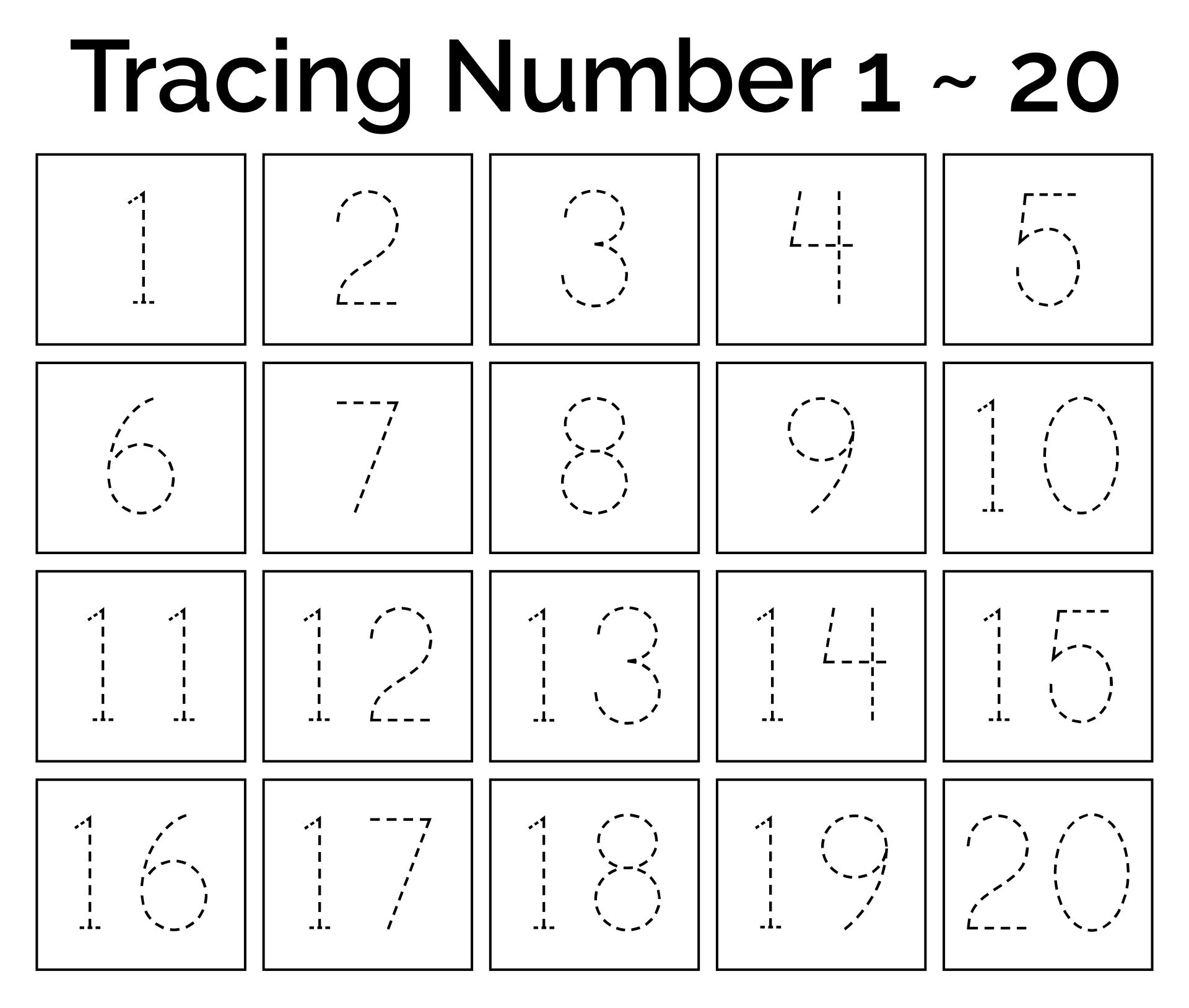
Many children recognize numerals long before their developing hands possess the intrinsic muscle strength required to form those numbers on paper. According to the American Occupational Therapy Association, foundational fine motor control and bilateral coordination must develop synchronously to support functional handwriting tasks. That developmental gap can cause immense frustration during early math and writing lessons if expectations outpace physical readiness. Bridging that physical and cognitive divide requires intentional, scaffolded practice that respects the developmental timeline of early childhood. Enter the structured approach of tracing numbers 1-20, a reliable staple in early education environments designed to gently guide small hands toward pencil control and spatial awareness. Observing a child trace a numeral from top to bottom reveals the exact moment cognitive understanding meets physical execution. It sounds simple, and that is precisely the point. When children engage with guided templates, they build the muscle memory necessary for legible, confident writing without the overwhelming pressure of a blank page. Here’s what makes this worksheet different: it treats numeral formation not as a rote memorization task, but as a sophisticated movement pattern combining visual-motor integration, directional stroke awareness, and proportional control. Supporting young learners through this stage sets the stage for lifelong academic confidence.
💡 Educational Key Takeaways:
- Core Skill: Structured Tracing Numbers 1-20 focused on developing pencil grip, stroke control, and early literacy/math confidence.
- Target Scope: Suited for homeschoolers, preschool, kindergarten, and elementary learners.
- Best Recommendation: Practice 10–15 minutes daily with ergonomic writing tools to reinforce muscle memory without hand fatigue.
What This Worksheet Covers
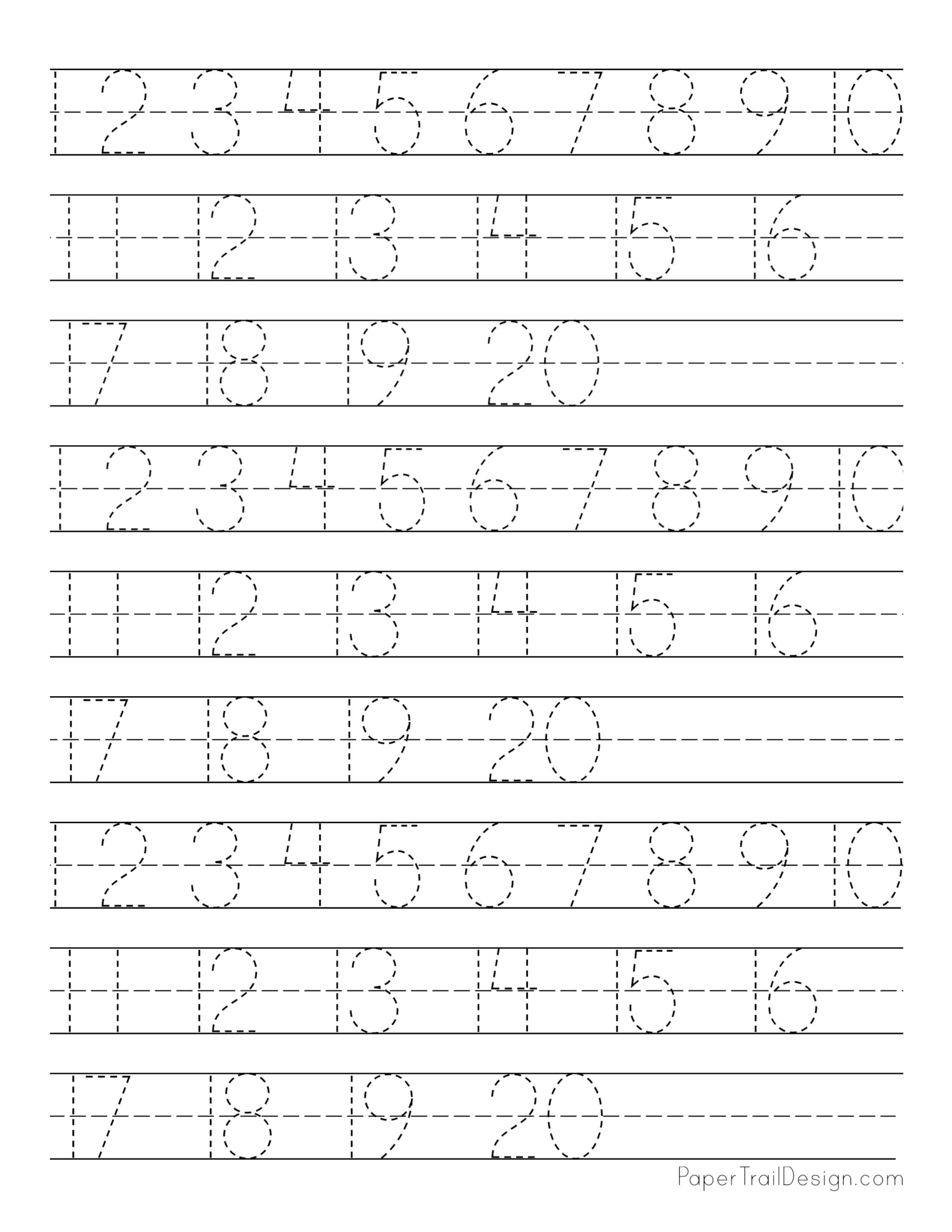
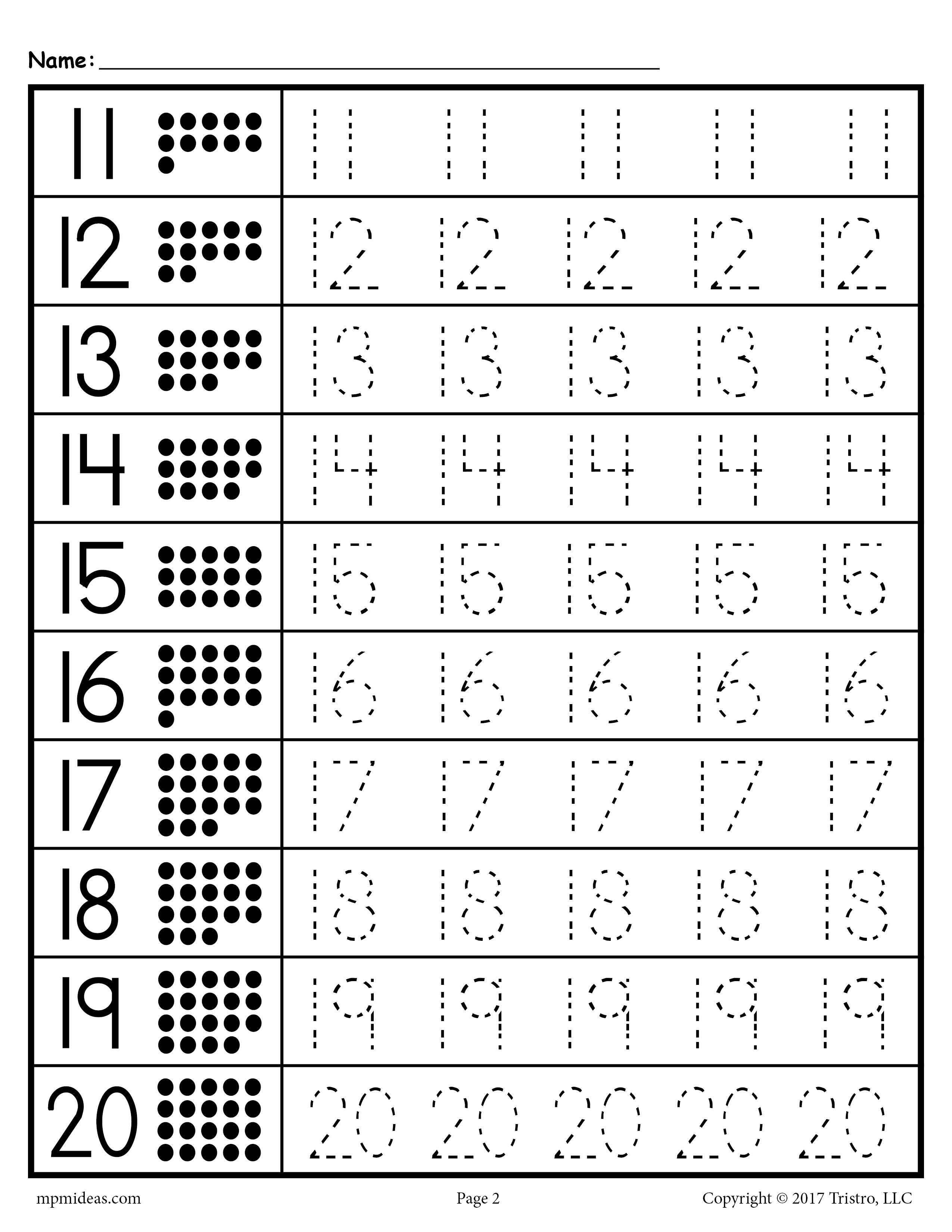
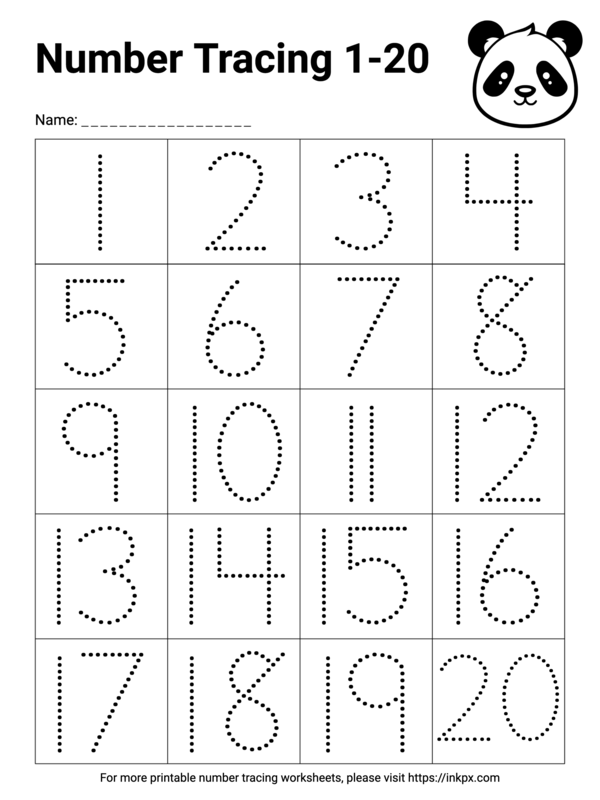
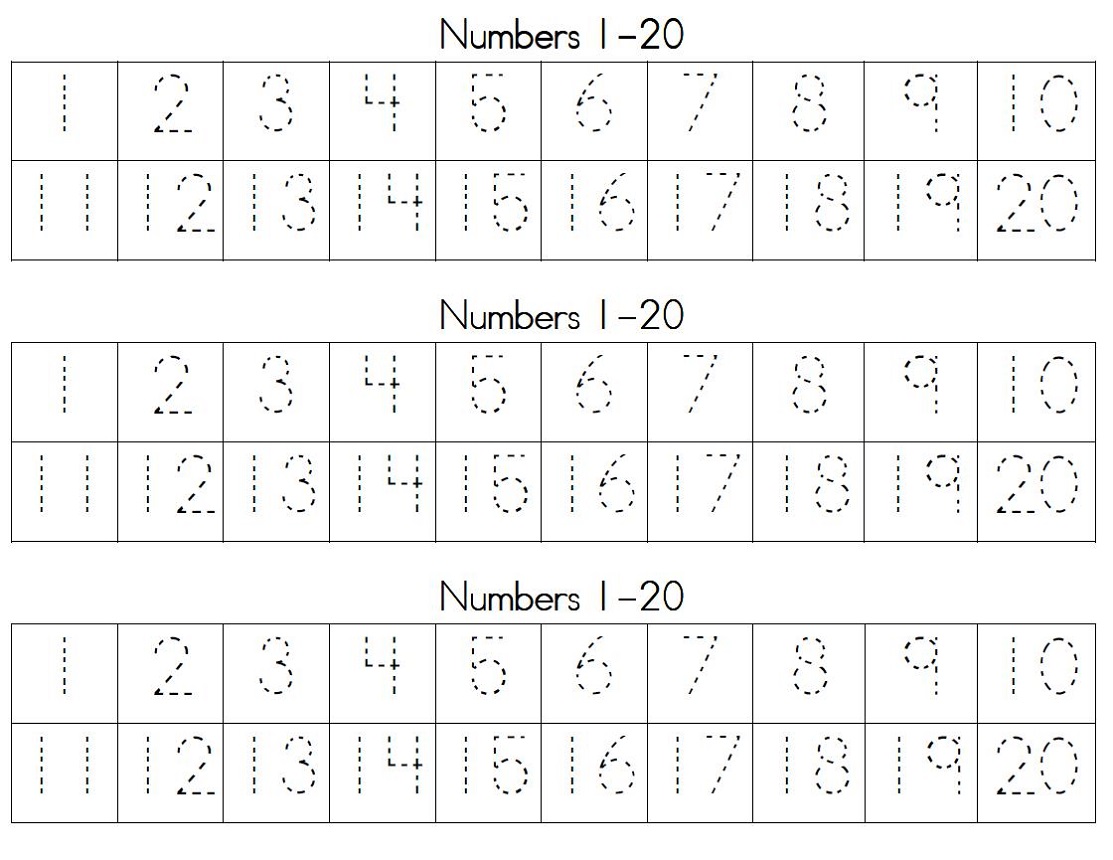
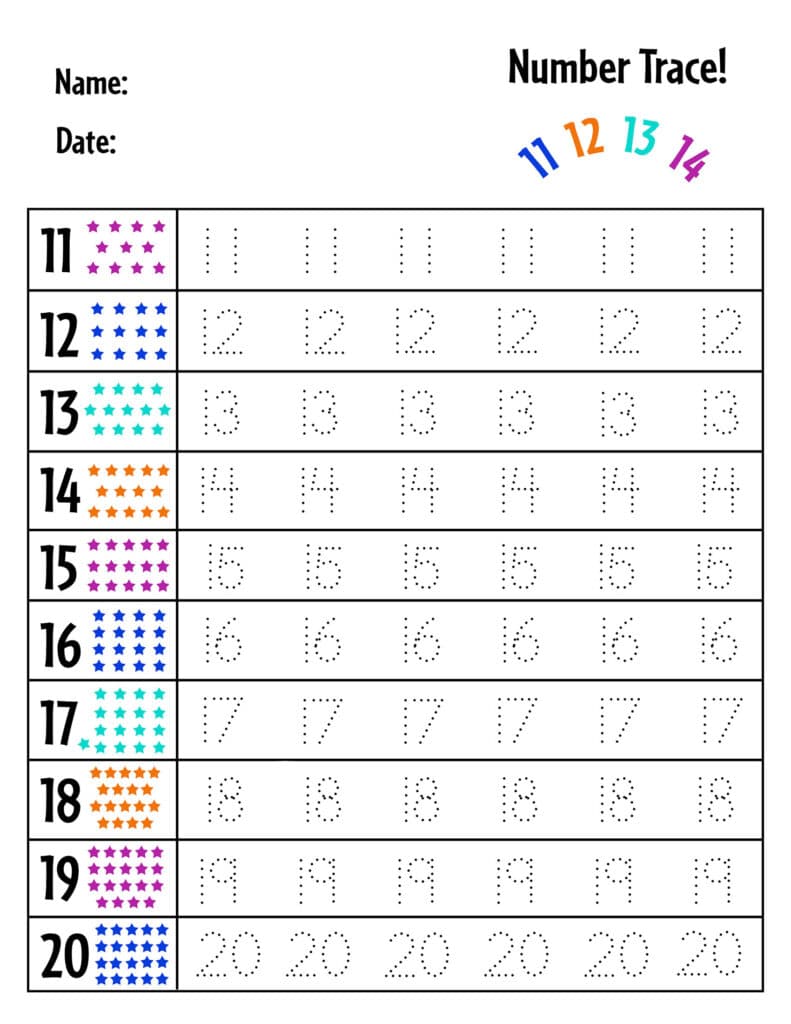
The free printable focuses squarely on the sequential mastery of digits from one to twenty, providing clear, structured pathways for every single numeral. Each box isolates a specific number, offering large-format dotted guides that explicitly show starting points and stroke directionality. This design intentionally minimizes visual clutter, allowing the brain to focus entirely on the hand’s trajectory. Many adults underestimate the sheer complexity of forming numbers like three, five, or eight, which require continuous curve reversals and directional shifts. The layout guides learners past these common stumbling blocks by breaking complex curves into manageable visual segments. Alongside the standard tracing rows, supplemental practice space empowers children to attempt freehand formation once the dotted scaffolding feels secure. This progressive design ensures that learners transition smoothly from heavy support to independent execution. Children explore these foundational concepts as part of a broader journey available through specialized resources like Tracing Number collections.
Key Learning Outcomes
Engaging consistently with this resource yields measurable progress across several critical domains of early childhood development. Learners internalize proper stroke order and directional habits, which prevents the formation of inefficient and fatiguing writing habits later in elementary school. Spatial awareness improves dramatically as children learn to anchor their digits within defined lines, respecting boundaries and spacing proportions. Hand-eye coordination strengthens through the repetitive act of matching visual lines with physical pencil movements, refining precision and control. Furthermore, numerical fluency deepens because tactile engagement with the physical shape of a number reinforces its mathematical value in the memory centers of the brain. These combined outcomes provide a robust foundation that supports both mathematical literacy and early written communication skills.
How to Use This Worksheet
Maximizing the effectiveness of these printables requires more than simply handing over a pencil and hoping for the best. Educators and caregivers find the greatest success when treating tracing sessions as short, playful, and highly supportive interactions rather than rigid testing moments. Placing the sheet inside a clear plastic sleeve and utilizing dry-erase markers transforms the activity into a low-stress, reusable game where mistakes wipe away instantly. Integrating sensory elements, such as having the child trace the numbers in a tray of colored sand or salt before touching paper, activates tactile pathways in the brain. According to the National Association for the Education of Young Children, active, play-based learning approaches yield significantly better retention and engagement in preschool and kindergarten populations. Keeping sessions brief, typically under ten minutes, prevents hand fatigue and maintains enthusiastic participation.
Practical Tips for Parents and Teachers
Adults play a vital role in scaffolding the experience by monitoring pencil grip and physical posture closely. Encouraging a functional tripod grasp—or a supportive transitional grasp—prevents early joint strain and ensures the fingers can move freely across the page. Modeling the exact stroke sequence aloud while the child watches provides a clear auditory cue to pair with the visual template. Scaffolding the activity down by hand-over-hand assistance helps children who struggle with initial line control, while extending the challenge by having them count physical objects corresponding to the traced number bridges math with fine motor execution. Additional support for foundational strokes can be found by exploring Fine Motor and Pre-Writing Skills to build baseline hand strength before tackling complex digits.
Age-Appropriate Expectations
Understanding developmental milestones according to frameworks like the CDC developmental milestones helps adults set realistic, stress-free expectations for children ages two through eight. Two- and three-year-olds are generally exploring vertical and horizontal strokes, meaning isolated numeral tracing is often too advanced; their focus belongs on gross motor marks and thick crayons. By ages four and five, children begin mastering directional lines, making guided tracing sheets an ideal tool for practicing numbers one through ten with significant adult modeling. Children in the five-to-eight bracket transition rapidly toward independent handwriting, spacing, and proportional control, successfully mastering the full one-to-twenty sequence. Additional layout options for early writing practice are readily available within the Tracing Worksheets archive, providing diverse materials tailored to every developmental stage.
Foundational fine motor control and bilateral coordination must develop synchronously to support functional handwriting tasks. — American Occupational Therapy Association
Frequently Asked Questions
Explore More Free Printable Tracing Worksheets
Supporting a young learner’s journey through early writing and number recognition involves consistent, varied, and joyful practice opportunities. Exploring the full library of resources at KidTraces.com provides educators and parents with endless possibilities for engaging young minds. Every printable is designed with developmental appropriateness in mind, ensuring that children build confidence alongside crucial academic and physical skills. Discover fresh ways to inspire handwriting practice every single day.
Developmental Milestone & Activity Table
| Development Stage | Recommended Daily Duration | Primary Learning Objective |
|---|---|---|
| Preschool & Pre-K | 10 – 15 Minutes | Pencil grip development & basic pre-stroke lines |
| Kindergarten | 15 – 20 Minutes | Letter/number formation & spatial line awareness |
| Early Elementary (Grade 1–2) | 20 – 30 Minutes | Fluency, sentence construction & neatness |
Images References