Introduction
Many children recognize numerals long before their fine motor control allows them to form letters and words smoothly on paper. According to the American Occupational Therapy Association, foundational fine motor control and precise hand-eye coordination are essential prerequisites for successful academic performance and written expression. Bridging this gap requires targeted materials that connect abstract mathematical concepts with tangible literacy milestones. The free printable 1-100 number as words tracing worksheet provides a structured avenue for children to practice letter formation, spelling, and numerical literacy simultaneously. Experience in classrooms and therapy clinics shows that combining numbers with their written word equivalents reinforces cognitive mapping while stabilizing pencil control. This resource supports early learners as they transition from simple shapes into complex letter sequencing and spelling patterns.
💡 Educational Key Takeaways:
- Core Skill: Structured 1-100 Number As Words Tracing focused on developing pencil grip, stroke control, and early literacy/math confidence.
- Target Scope: Suited for homeschoolers, preschool, kindergarten, and elementary learners.
- Best Recommendation: Practice 10–15 minutes daily with ergonomic writing tools to reinforce muscle memory without hand fatigue.
What This Worksheet Covers
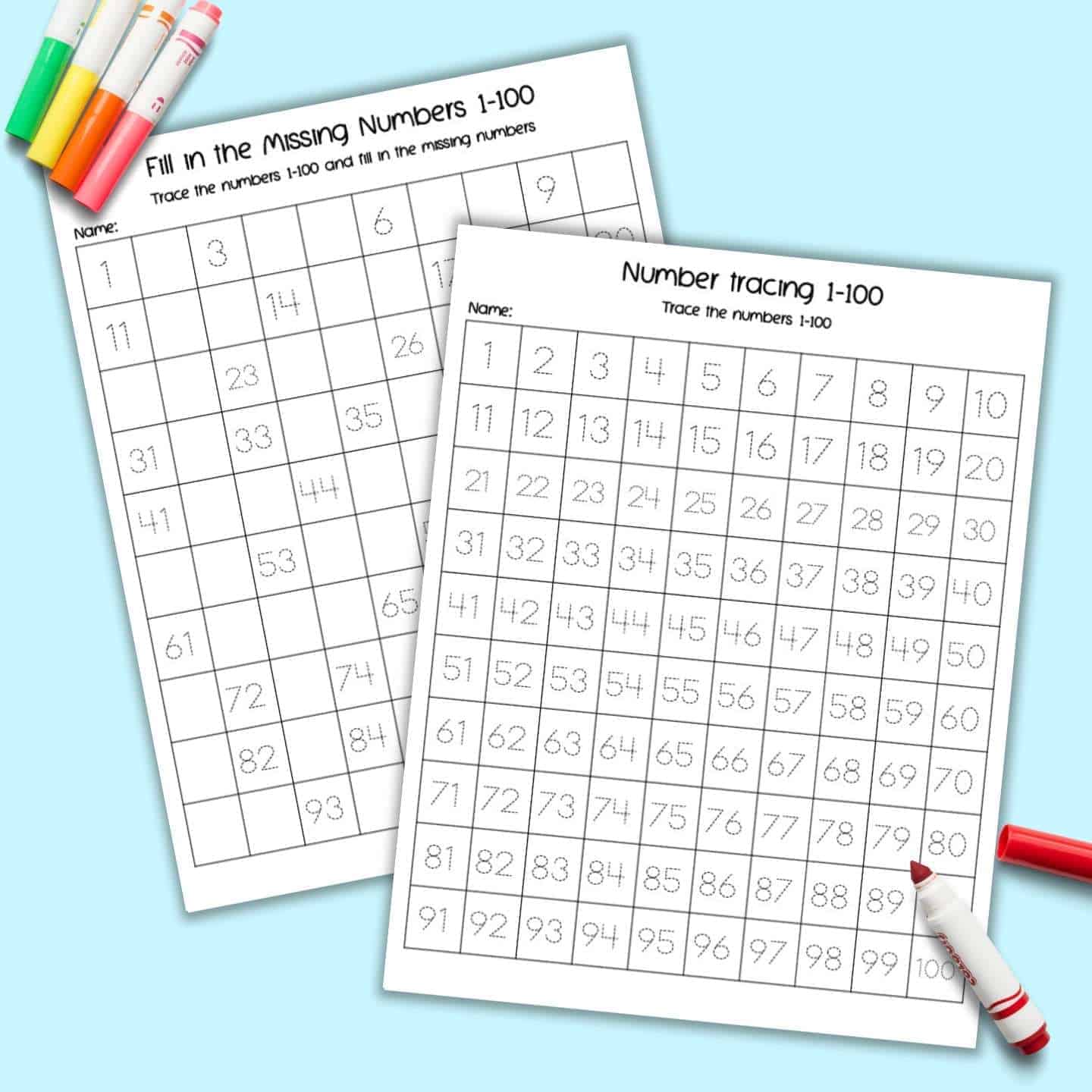
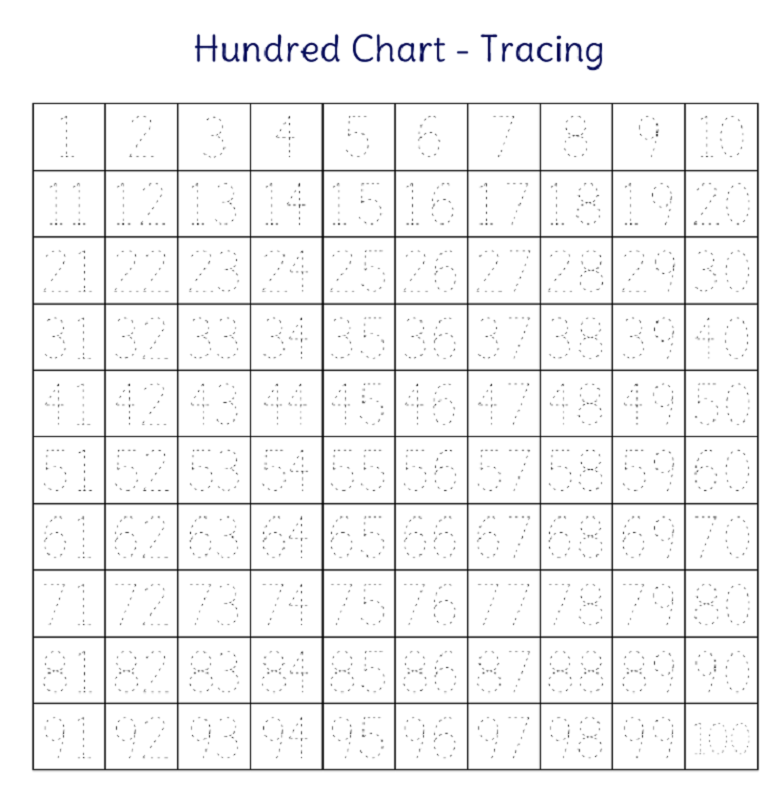
Mastering numbers from one to one hundred in word form requires systematic exposure to both linguistic structures and numerical values. This printable targets the exact mechanics of numeral and letter formation, stroke order, and directional consistency. Children encounter guided starting points and clear directional arrows that demystify complex letter shapes. It sounds simple, and that’s the point: repetition of consistent letter sequences builds muscle memory in the hand and wrist. Learners engage deeply with spelling rules, transitions between tens and ones, and proper spacing between multi-word numbers. Furthermore, the layout encourages sustained focus, helping young writers maintain consistent letter sizing and alignment across an entire line of text. For more related activities, check out our Pre Writing Number Formation Practise Activities.
Key Learning Outcomes
Working through these pages fosters multiple developmental milestones simultaneously. Children strengthen letter and numeral formation by tracing structured paths that reinforce proper stroke order and directional habits. Literacy skills expand naturally as learners connect numerical digits with their corresponding English word spellings, bridging math and language arts. Hand strength and endurance improve steadily through controlled pencil movements across varied letter lengths and configurations. Spatial awareness also develops as children navigate horizontal writing lines, managing word spacing and margins effectively. Finally, confidence grows with every completed row, transforming an intimidating spelling challenge into an achievable daily routine.
How to Use This Worksheet
Scaffolding the learning process ensures that children remain motivated rather than overwhelmed by the sheer volume of numbers up to one hundred. Adults can introduce the pages in small, manageable chunks, focusing on numbers one through twenty before tackling tens and compound numbers. It helps to observe the child’s pencil grip and posture, intervening gently when fatigue or improper finger placement occurs. Let the learner trace the initial rows with adult guidance, then encourage independent practice as confidence builds. Integrating these sheets into a morning routine or literacy center provides the consistent, low-pressure repetition required for true skill retention.
Practical Tips for Parents and Teachers
Here’s what makes this worksheet different: it bridges orthography and numeracy without feeling like a traditional drill. Adults should model correct pencil grip before letting children begin, ensuring the thumb and index finger pinch the writing tool while resting comfortably on the middle finger. Scaffolding the activity means letting children trace lighter gray guides first before transitioning to more independent copying space on blank lines. Extending the lesson is easy by asking learners to read the number words aloud, connecting the tactile tracing motion with auditory phonics and math vocabulary. If hand fatigue sets in early, a quick hand-shaking break or finger stretch can restore muscle readiness before finishing the page.
Age-Appropriate Recommendations
Children approach this material along a broad developmental continuum spanning early childhood and primary education. According to the National Association for the Education of Young Children Developmentally Appropriate Practice guidelines, young learners require hands-on, meaningful contexts for literacy that respect their individual motor maturation rates. Younger children around ages four and five benefit most from focusing on the foundational numbers one through twenty, emphasizing proper starting points and stroke direction. Older children in the five to eight age range can tackle the full one-hundred number word sequence, refining their spelling endurance, word spacing, and pencil pressure control to meet primary grade writing expectations.
Foundational fine motor control and precise hand-eye coordination are essential prerequisites for successful academic performance and written expression. — American Occupational Therapy Association
Frequently Asked Questions
Finding the right approach to number word tracing often brings up practical questions for educators and families alike. Clear guidance helps maximize the developmental benefits of these printable resources.
Systematic handwriting instruction directly correlates with improved reading fluency and spelling accuracy in young learners. — Reading Rockets
Explore More Free Printable Tracing Worksheets
Expanding a child’s early writing toolkit requires variety, engagement, and targeted skill practice. Exploring the full collection of resources available at KidTraces.com can help maintain enthusiasm across every developmental stage. Educators and families can easily find complementary materials by browsing the comprehensive Tracing Worksheets collection. For learners who need targeted reinforcement in number formation, the dedicated Tracing Number section offers excellent support. Additionally, building foundational hand control is effortless when incorporating activities from the Fine Motor and Pre-Writing Skills category into daily learning routines. Every step forward builds lasting writing confidence.
Developmental Milestone & Activity Table
| Development Stage | Recommended Daily Duration | Primary Learning Objective |
|---|---|---|
| Preschool & Pre-K | 10 – 15 Minutes | Pencil grip development & basic pre-stroke lines |
| Kindergarten | 15 – 20 Minutes | Letter/number formation & spatial line awareness |
| Early Elementary (Grade 1–2) | 20 – 30 Minutes | Fluency, sentence construction & neatness |
Images References