Introduction
Many children recognize numerals and letters long before their little hand muscles possess the endurance or dexterity to form them accurately on paper. According to the National Association for the Education of Young Children (NAEYC), purposeful early writing experiences emerge when children connect visual symbols with physical movement, laying crucial groundwork for later academic success. Mastering numeral writing is often treated as a simple matter of copying shapes, yet efficient stroke execution requires deliberate spatial awareness and motor planning. When young learners encounter correct directional cues too late, erasing ingrained habits becomes an exhausting uphill battle for both educators and students. Introducing the free printable number formation with arrows provides a foundational tool that transforms abstract digits into predictable, flowing motor pathways right from the start.
💡 Technical Key Takeaways:
- Core Focus: Diagnostic schematic and terminal connection layout for Number Formation With Arrows.
- Target Scope: Field technicians, automotive DIYers, and residential/commercial electricians.
- Safety Rule: Always disconnect the primary power source/battery terminal and verify zero voltage with a multimeter before touching wires.
What This Worksheet Covers
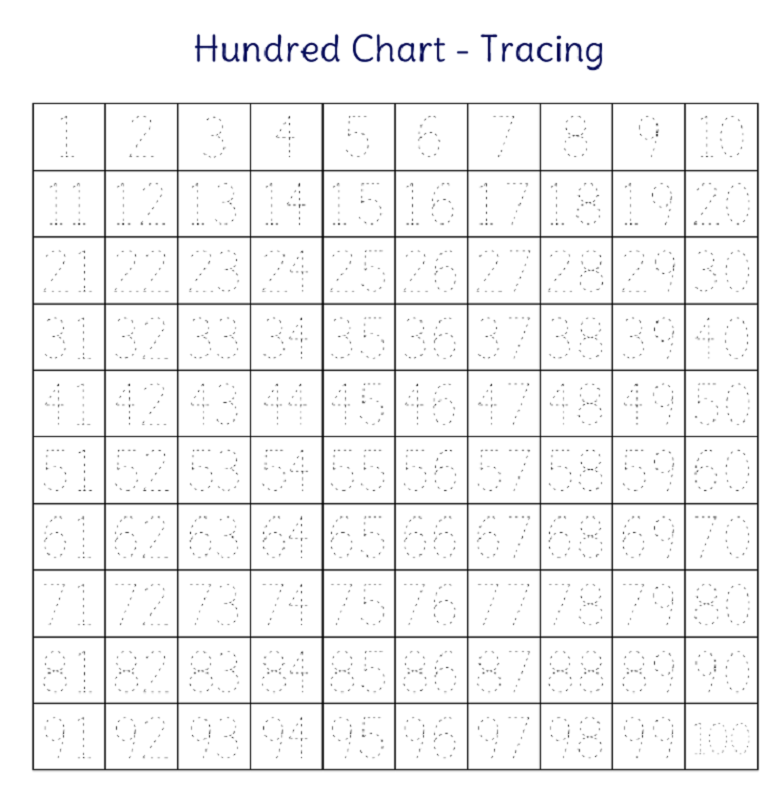
This printable resource specifically targets the sequential stroke patterns required to write numbers from zero through nine with confidence and precision. Every numeral features prominent directional arrows and numbered start dots that guide the hand through each precise curve, loop, and straight line. Working through these exercises helps children transition from halting, disjointed pencil movements to fluid, continuous motions that reduce hand fatigue during longer writing tasks. According to the American Occupational Therapy Association (AOTA), explicit instruction in stroke sequence significantly improves legibility and writing speed by preventing awkward hand contortions. Beyond basic tracing, the layout builds visual-motor integration, ensuring that learners understand where a stroke begins and where it naturally concludes without lifting the writing utensil unnecessarily. For more related activities, check out our Number Tracing And Writing Numbers Worksheets – Kiddoworksheets Https://Www.Kiddoworksheets.Com/Numbers/.
Key Learning Outcomes
Engaging with structured directional guides nurtures several foundational developmental milestones simultaneously. First, children internalize consistent stroke directionality, which eliminates common reversals like writing a backward three or a mirrored five. Second, visual-motor coordination sharpens as small hand muscles learn to modulate pressure and maintain contact along dotted pathways. Third, spatial awareness expands naturally as young writers navigate baseline orientation and maintain proportional spacing within each dedicated tracing box. Finally, repetition fosters muscle memory, transforming conscious, laborious digit construction into an automatic physical skill that frees up cognitive energy for math problem-solving.
How to Use This Worksheet
Successful implementation relies heavily on establishing proper posture and a functional tripod grasp before the pencil ever touches the paper. Adults should encourage children to sit with feet flat on the floor and elbows resting comfortably at a ninety-degree angle on the table. It sounds simple, and that is the point: stable core and arm support directly influences fine motor control in the fingers and wrist. Begin by demonstrating the number in the air, exaggerating the starting point and following the exact arrow sequence before letting the pencil meet the page. Allowing children to trace the large sample digits with a fingertip first provides essential tactile feedback that bridges the gap between seeing a motion and executing it.
Practical Tips for Parents and Teachers
Scaffolding makes all the difference when frustration peaks during early writing sessions. Modeling the correct grip subtly without taking over the pencil maintains confidence while correcting finger placement. For children who struggle with pencil pressure, placing a piece of craft foam or a mousepad underneath the paper adds tactile resistance that builds intrinsic hand strength. Rotating writing tools from standard pencils to broken crayons or short markers naturally encourages an efficient grasp by preventing children from wrapping their entire fist around the barrel. When fatigue sets in, stopping immediately preserves positive associations with writing practice rather than forcing exhausted, sloppy strokes that reinforce poor muscle memory.
Age-Appropriate Recommendations
For toddlers and preschoolers aged two to four, readiness aligns closely with the foundational expectations outlined in the Head Start Early Learning Outcomes Framework, emphasizing gross-to-fine motor progression and sensory exploration. At this stage, children benefit from using thick crayons or finger-painting large numerals over guided arrows before attempting pencil work on standard Tracing Worksheets. By ages five to eight, kindergarten and early elementary students transition toward formal pencil control, where structured Tracing Number pages refine pencil pressure and spatial alignment. During these primary school years, targeted practice with Alphabet And Numbers Tracing ensures that numeral formation becomes second nature, supporting complex math concepts without the distraction of laborious handwriting mechanics.
Explicit instruction in directional stroke patterns significantly reduces common letter and number reversals in early elementary students — American Occupational Therapy Association (AOTA)
Frequently Asked Questions
Getting started with printable resources is straightforward. Review the frequently asked questions below for quick guidance on printing, skill-building, and developmental standards.
Explore More Free Printable Tracing Worksheets
Supporting a well-rounded fine motor curriculum requires a diverse mix of engaging practice materials. Expanding beyond numerical practice can be easily accomplished by exploring additional categories that target specific developmental milestones. Discover creative ways to build hand strength and pencil control through Fine Motor and Pre-Writing Skills exercises. Introduce smooth curved lines using Shape and Line Tracing printables, or explore foundational letter paths through Dotted Letters For Tracing. Families and educators looking for engaging, themed practice will find wonderful options within Seasonal and Fun Themes, while name writing can be practiced via Word and Name Tracing. Find all of these collections and much more at KidTraces.com to support lifelong writing readiness.
Quick Wiring Specifications & Terminal Guide
| Component / Circuit | Standard Wire Gauge | Recommended Protection |
|---|---|---|
| Control & Trigger Signals | 18 – 20 AWG | 5A – 7.5A Inline Fuse |
| Standard Auxiliary Load | 14 – 16 AWG | 15A – 20A Circuit Breaker |
| Main Power Feed / Supply | 10 – 12 AWG | 30A – 40A Heavy-Duty Relay |
Images References