Introduction
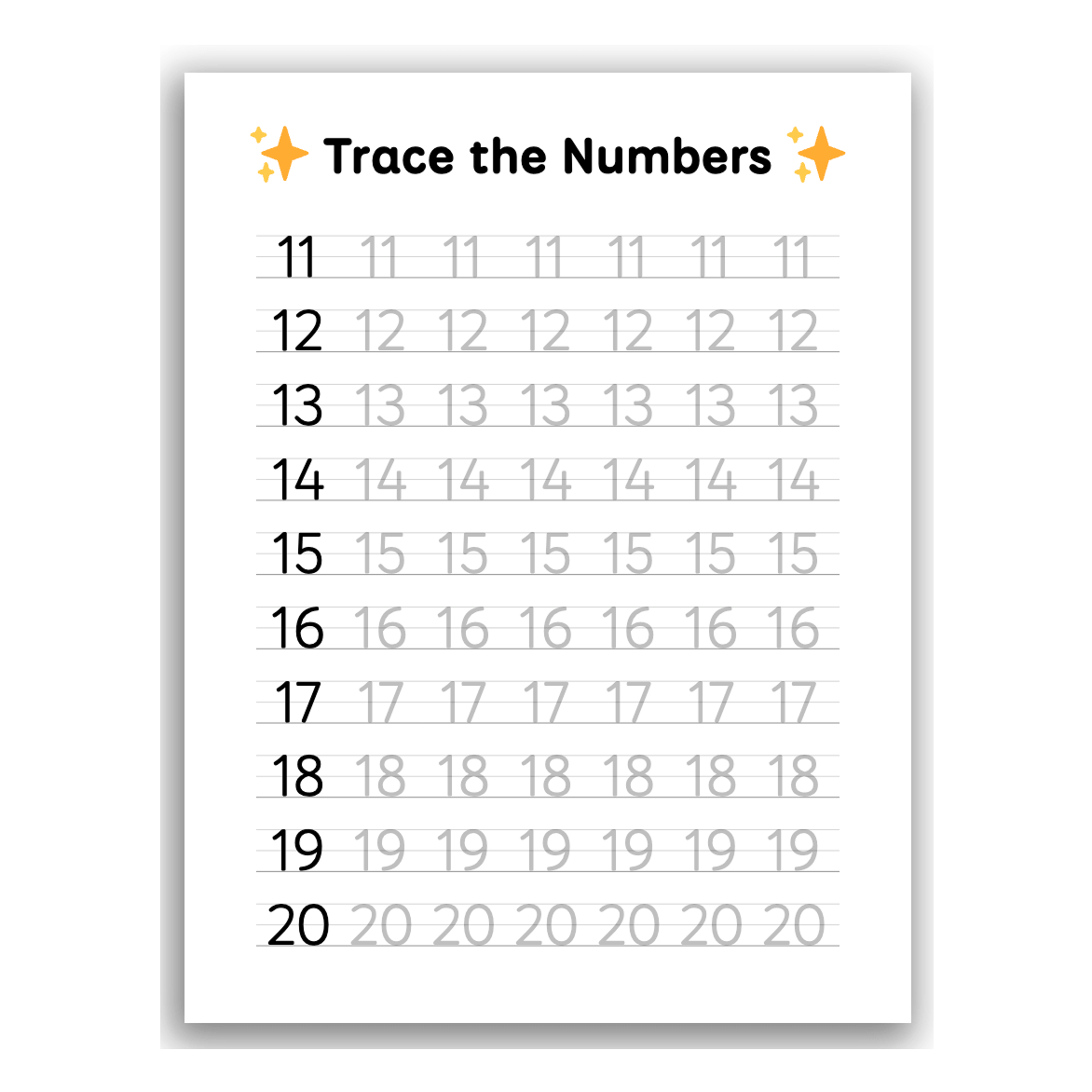
Many children recognize numerals and letters long before their fine motor skills possess the strength and coordination to cleanly form them on paper. According to the National Association for the Education of Young Children, early writing development relies heavily on hands-on exploration and playful foundational experiences rather than rigid, early academic drill. Bridging the gap between cognitive number recognition and physical pencil control requires thoughtful guidance. The free number tracing 1 20 printable serves as an invaluable bridge, offering structured pathways for developing hands. It sounds simple, and that’s the point. Young learners thrive when given clear, predictable visual boundaries that reduce cognitive load while they master pencil mechanics.
💡 Educational Key Takeaways:
- Core Skill: Structured Free Number Tracing 1 20 focused on developing pencil grip, stroke control, and early literacy/math confidence.
- Target Scope: Suited for homeschoolers, preschool, kindergarten, and elementary learners.
- Best Recommendation: Practice 10–15 minutes daily with ergonomic writing tools to reinforce muscle memory without hand fatigue.
What This Worksheet Covers
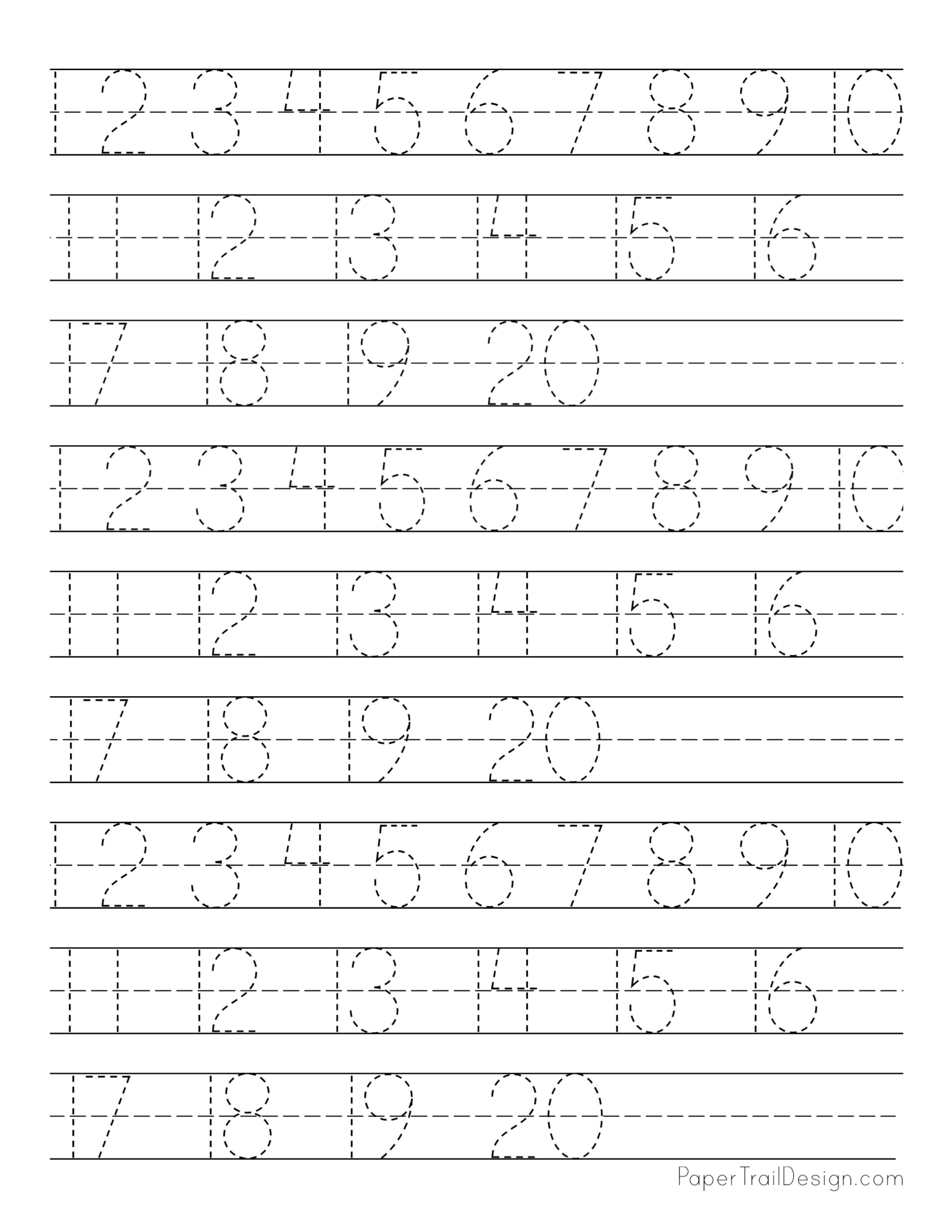
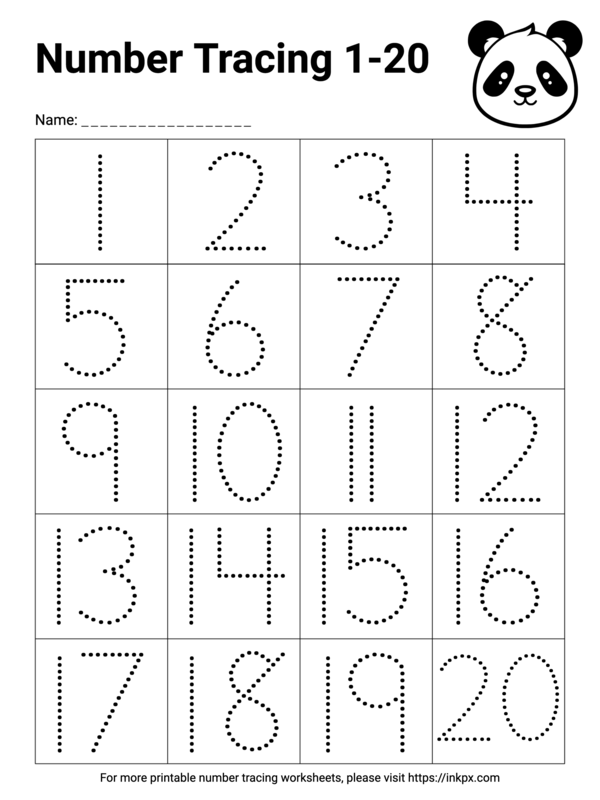
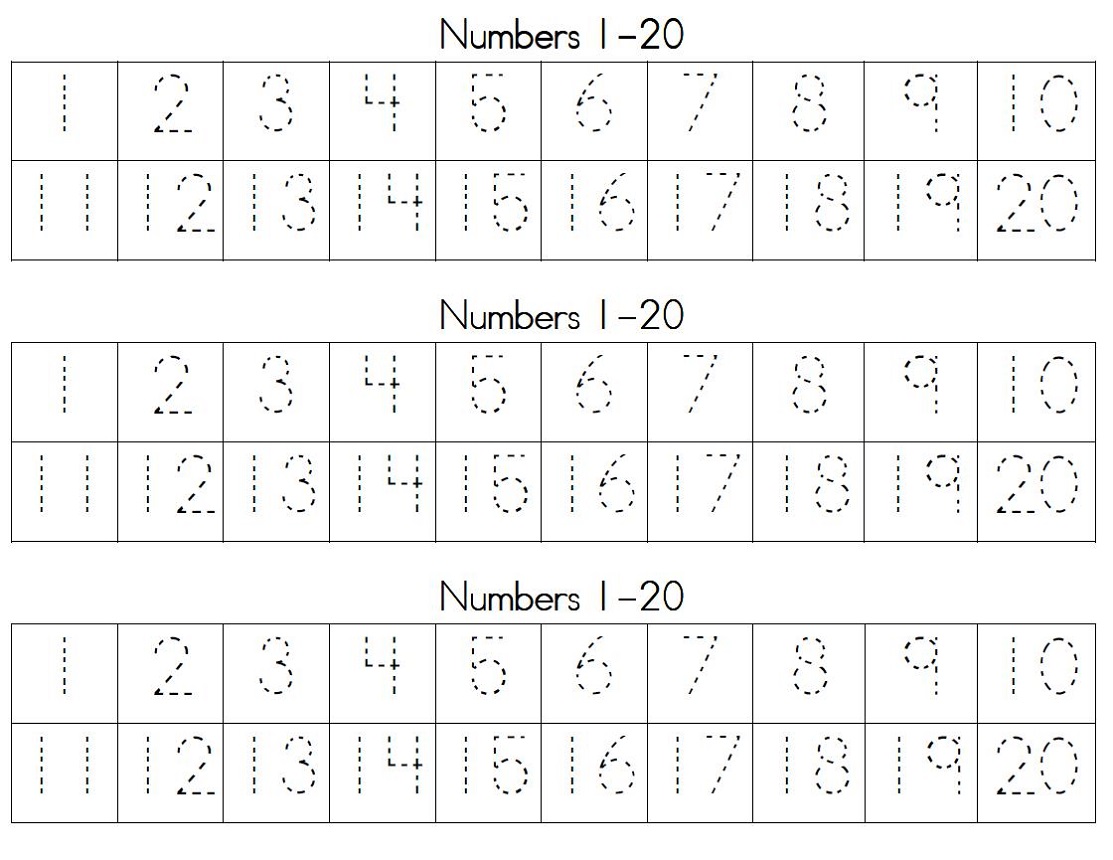
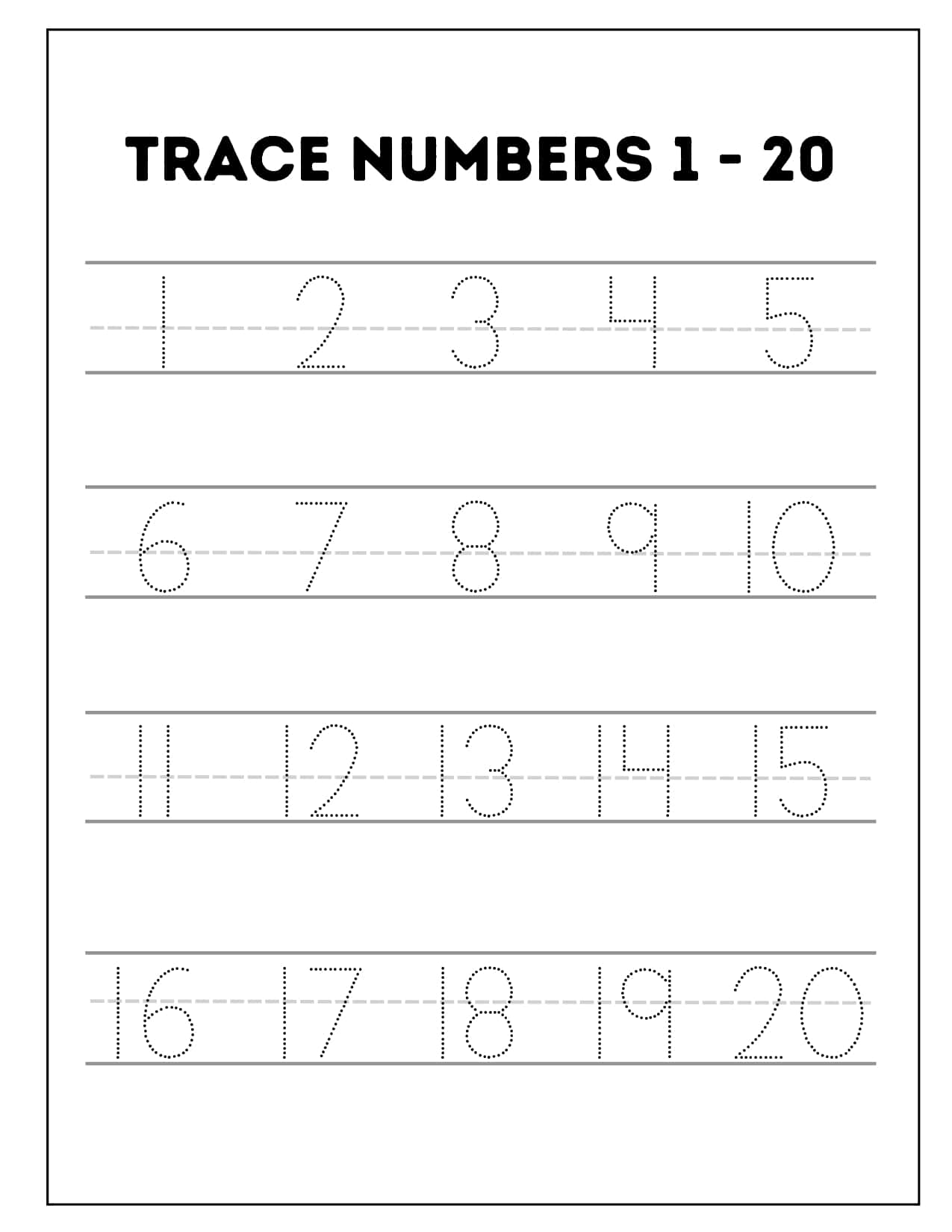
This specific numeral collection takes children on a sequential journey from the foundational simplicity of the number one up to the double-digit milestone of twenty. Each digit features guided formation cues, clear directional arrows, and distinct starting points to encourage proper stroke order. Correct stroke habits prevent hand fatigue later in schooling. Throughout daily clinical observations in pediatric settings, repetitive exposure to correctly sequenced models builds muscle memory much faster than unstructured doodling. The layout balances white space with appropriately sized traceable numerals, ensuring visual clutter does not overwhelm developing visual-perceptual systems. Exploring resources found within Tracing Number collections provides additional reinforcement for these early mathematical and literacy milestones.
Key Learning Outcomes
Children engaging consistently with these guided tracing exercises develop reliable numeral formation and accurate directional habits. Hand-eye coordination improves measurably as small hand muscles learn to trace within confined visual tracks. Working through the sequence from one to twenty reinforces standard numerical order alongside spatial awareness on the page. Furthermore, learners build the intrinsic hand strength and endurance necessary for longer writing sessions across the primary grades. These overlapping benefits support foundational mathematical readiness while cementing critical pre-writing capabilities.
How to Use This Worksheet
Implementation succeeds best when adults treat these pages as a multi-sensory experience rather than a quiet desk chore. Before any pencil touches paper, encourage children to trace the large-format numerals with a finger, building tactile awareness of curves, slants, and straight lines. Placing the printed pages inside a heavy-duty plastic sleeve and utilizing dry-erase markers transforms a single printable into a reusable center activity. According to the American Occupational Therapy Association, building foundational hand strength through varied mediums enhances pencil control and overall fine motor endurance. Diversifying practice methods keeps frustration low and engagement exceptionally high for young learners.
Practical Tips for Parents and Teachers
Adults should actively model an efficient tripod pencil grasp, ensuring fingers rest a short distance above the writing tip to maintain a clear line of sight. Scaffolding the activity means initially guiding a hand through the first few strokes before slowly fading physical assistance as confidence blooms. Extending the learning naturally involves counting physical objects like blocks or buttons that match the target numeral currently being traced. Limiting tracing sessions to short, five-minute bursts prevents hand cramping and keeps enthusiasm fresh. Connecting numerical symbols to real quantities prevents rote memorization and fosters genuine mathematical comprehension.
Age-Appropriate Recommendations
For toddlers and preschoolers aged two to four, the focus centers on large gross-motor pre-writing lines, sensory finger tracing, and exploring crayons within the guidelines of the NAEYC Developmentally Appropriate Practice framework. At this stage, perfection matters far less than willingness to engage with writing tools and spatial boundaries. Children aged five to eight transition smoothly into precise pencil control, mastering standard stroke sequences for numerals one through twenty. During these early elementary years, structured practice helps solidify automaticity, freeing up cognitive space for higher-level problem solving. Educators can pair these numerals with resources from Tracing Worksheets to build a comprehensive, well-rounded early intervention routine.
Early fine motor intervention significantly improves long-term handwriting fluency and academic self-confidence — American Occupational Therapy Association
Frequently Asked Questions
Clear answers regarding print setup and developmental benefits help caregivers maximize the value of these learning materials.
Explore More Free Printable Tracing Worksheets
Supporting a child’s early literacy and fine motor journey involves offering a wide variety of engaging, low-pressure practice materials. Discover an expansive collection of developmental resources designed for early learners, educators, and families by browsing the full library at KidTraces.com. Whether focusing on foundational pencil control found within Fine Motor and Pre-Writing Skills or exploring themed pages via Seasonal and Fun Themes, every printable is crafted to nurture confidence and joy in learning.
Developmental Milestone & Activity Table
| Development Stage | Recommended Daily Duration | Primary Learning Objective |
|---|---|---|
| Preschool & Pre-K | 10 – 15 Minutes | Pencil grip development & basic pre-stroke lines |
| Kindergarten | 15 – 20 Minutes | Letter/number formation & spatial line awareness |
| Early Elementary (Grade 1–2) | 20 – 30 Minutes | Fluency, sentence construction & neatness |
Images References