Introduction
Many children recognize numerals and express eager curiosity about counting long before their tiny hands possess the physical strength and dexterity required to form those digits on paper. According to the American Occupational Therapy Association, foundational fine motor control and bilateral hand coordination must develop steadily before young learners can comfortably manage sustained writing tasks. Many adults forget that pencil control relies heavily on core stability, shoulder strength, and intrinsic hand muscle development rather than finger movement alone. Bringing structured numeral practice into early learning environments helps bridge that gap between cognitive understanding and physical execution. The free printable trace numbers 1 100 worksheet offers a systematic approach to building this essential skill. Children encounter a clear, scaffolded pathway that takes them from simple digits to larger number sequences without overwhelming their developing visual-motor integration systems. It sounds simple, and that is the exact point of effective early childhood materials.
💡 Educational Key Takeaways:
- Core Skill: Structured Trace Numbers 1 100 Worksheet focused on developing pencil grip, stroke control, and early literacy/math confidence.
- Target Scope: Suited for homeschoolers, preschool, kindergarten, and elementary learners.
- Best Recommendation: Practice 10–15 minutes daily with ergonomic writing tools to reinforce muscle memory without hand fatigue.
What This Worksheet Covers
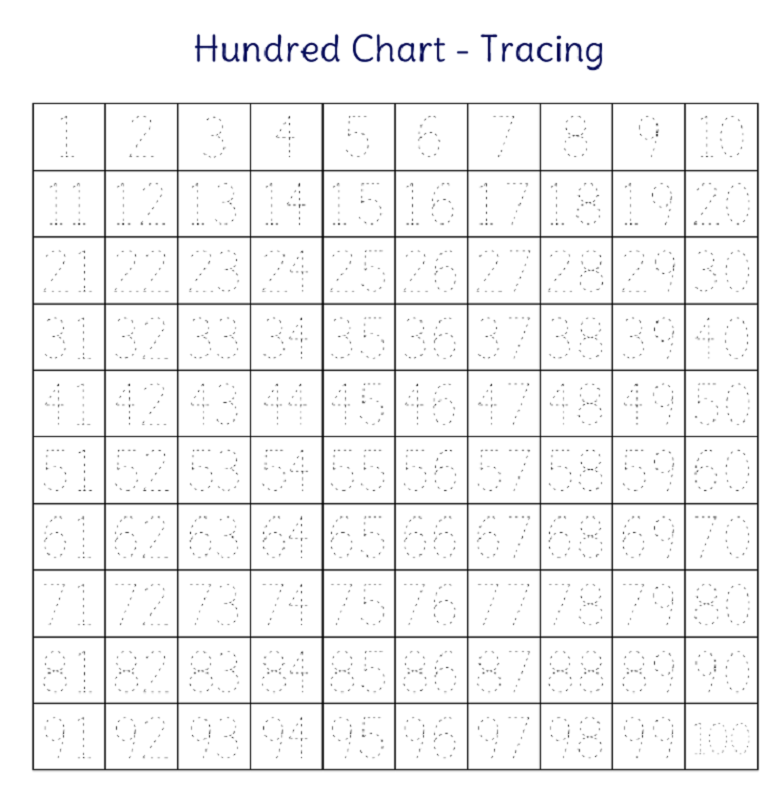
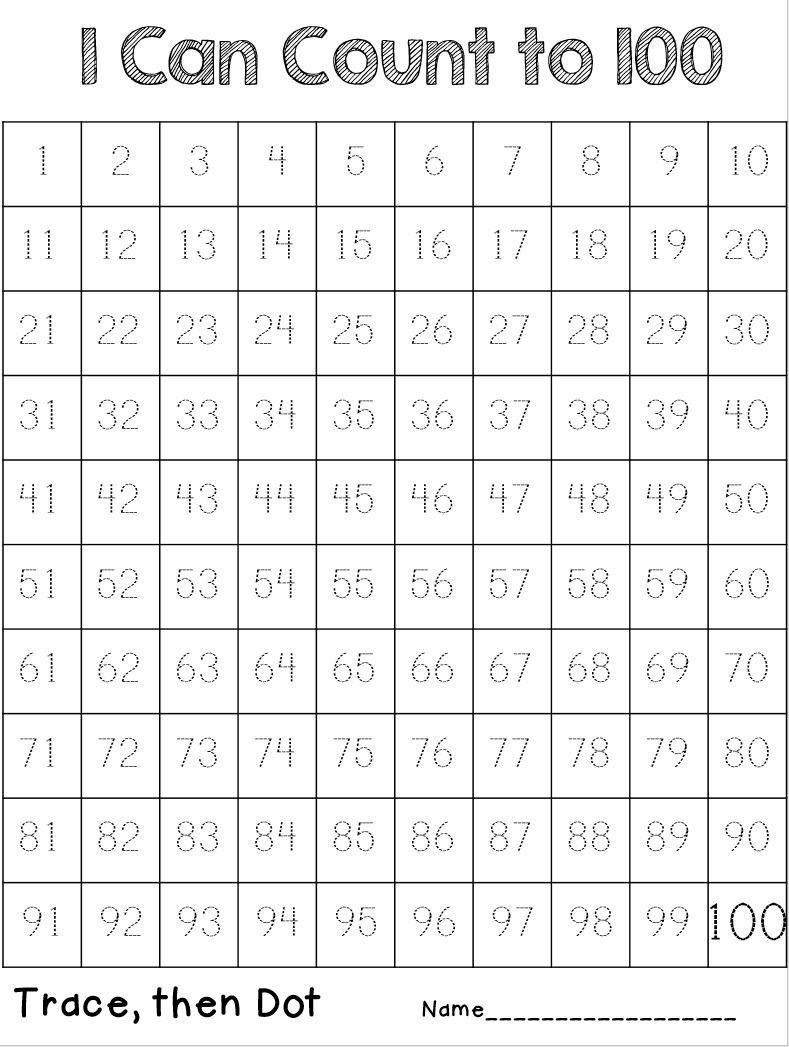
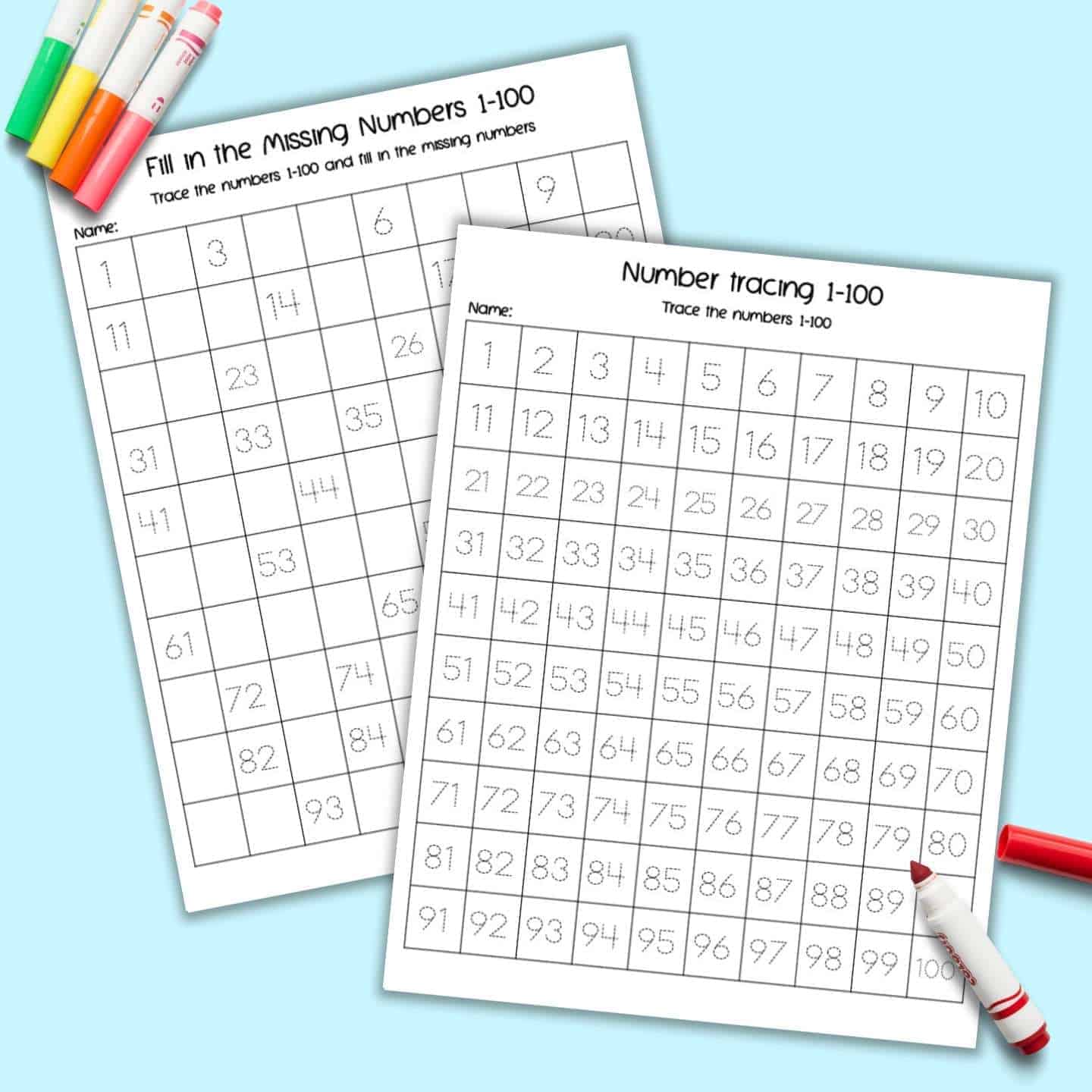
This comprehensive resource guides learners through the complete sequence of numerals from one to one hundred, establishing correct stroke order, directional awareness, and spatial organization. Each digit is carefully presented with clear starting points and directional arrows that teach children where to place the writing instrument and how to move it fluidly across the page. Hand-eye coordination improves naturally as young eyes track the rows of numerals and guide small hands along the dotted paths. Exploring resources within the Tracing Number section further reinforces these crucial early math and writing connections. Children learn that numerals possess specific anatomical structures, starting at the top and moving downward or curving consistently. By breaking down complex number shapes into manageable strokes, learners avoid developing awkward grip habits or reverse formations that can become deeply ingrained over time. The gradual progression ensures that confidence builds steadily alongside physical capability.
Key Learning Outcomes
Consistent interaction with these structured counting pages yields multiple developmental benefits for young learners in both classroom and home settings. First, numeral formation accuracy improves as children repeatedly trace the precise motor pathways required to construct each digit from zero through nine. Second, sequential memory strengthens as learners trace numbers in order, anchoring their understanding of the base-ten numbering system and early mathematical concepts. Third, visual-motor integration is enhanced, allowing the brain and hands to work in synchronized harmony to maintain pencil control within designated boundaries. Fourth, muscular endurance in the hand and fingers increases gradually, reducing the common complaint of hand fatigue during longer academic tasks. Finally, attentional focus and task persistence grow as children complete rows and celebrate milestones throughout the numerical journey.
How to Use This Worksheet
Successful implementation of early writing tools depends heavily on creating a supportive, low-stress environment that values effort over immediate perfection. Educators often observe that rushing a child through numerical pages leads to frustration and sloppy pencil habits. Introducing these printables should feel like a natural extension of playful counting games or daily classroom routines rather than a rigid test of skill. According to the National Association for the Education of Young Children, active engagement through meaningful contexts significantly enhances skill retention in young children. Caregivers can pair the sheets with tactile experiences like tracing numbers in sand, shaping playdough numerals, or counting physical objects before putting pencil to paper. This multisensory approach solidifies the cognitive blueprint of each number before the fine motor system attempts to replicate it.
Practical Tips for Parents and Teachers
Supporting a developing writer requires patience, keen observation, and gentle guidance regarding posture and hand mechanics. Adults should verify that the child sits with feet flat on the floor and hips at a ninety-degree angle, which provides the core stability necessary for distal hand control. When assessing pencil grasp, look for a functional tripod or quadripod grip rather than a tight fist, and offer short writing tools like broken crayons or golf pencils to naturally encourage finger repositioning. Scaffolding the activity is essential; rather than demanding all one hundred numbers at once, adults can cover parts of the page or focus on just one decade per session. Extending the learning comes naturally by having children count aloud as they trace, connecting the auditory sound of the number with its visual symbol and physical formation.
Age-Appropriate Recommendations
Developmental readiness dictates how children interact with numerical tracing activities across different early childhood stages. For toddlers and preschoolers aged two to four, alignment with the Head Start Early Learning Outcomes Framework suggests focusing on recognizing numerals, tracing simple pre-writing lines, and exploring numbers one through ten through playful, large-scale movements. During these early years, fine motor activities should emphasize hand strength and sensory exploration rather than formal handwriting drills. For kindergarten and early elementary children aged five to eight, the focus shifts toward precise stroke formation and sequential mastery up to one hundred, aligning with foundational mathematics standards. At this stage, children refine their pencil pressure, maintain consistent sizing within lines, and build the automaticity required for fluent math writing. Additional skill-building materials can be found by browsing the broader collection of Tracing Worksheets to support diverse developmental needs. Integrating targeted practice from the Fine Motor and Pre-Writing Skills category ensures that children possess the physical stamina required for sustained academic success.
Foundational fine motor control and bilateral hand coordination must develop steadily before young learners can comfortably manage sustained writing tasks. — American Occupational Therapy Association
Frequently Asked Questions
Clear answers regarding printable resources help parents and educators maximize the developmental benefits of early writing tools.
Explore More Free Printable Tracing Worksheets
Supporting a child’s journey toward confident handwriting and early numeracy involves offering a rich variety of engaging, developmentally appropriate practice materials. Exploring the full library available at KidTraces.com provides access to countless resources designed to make learning joyful and effective for every young learner. Whether focusing on letter formation, spatial awareness, or pencil control, having the right printable on hand makes all the difference in building lifelong academic confidence.
Developmental Milestone & Activity Table
| Development Stage | Recommended Daily Duration | Primary Learning Objective |
|---|---|---|
| Preschool & Pre-K | 10 – 15 Minutes | Pencil grip development & basic pre-stroke lines |
| Kindergarten | 15 – 20 Minutes | Letter/number formation & spatial line awareness |
| Early Elementary (Grade 1–2) | 20 – 30 Minutes | Fluency, sentence construction & neatness |
Images References