Introduction
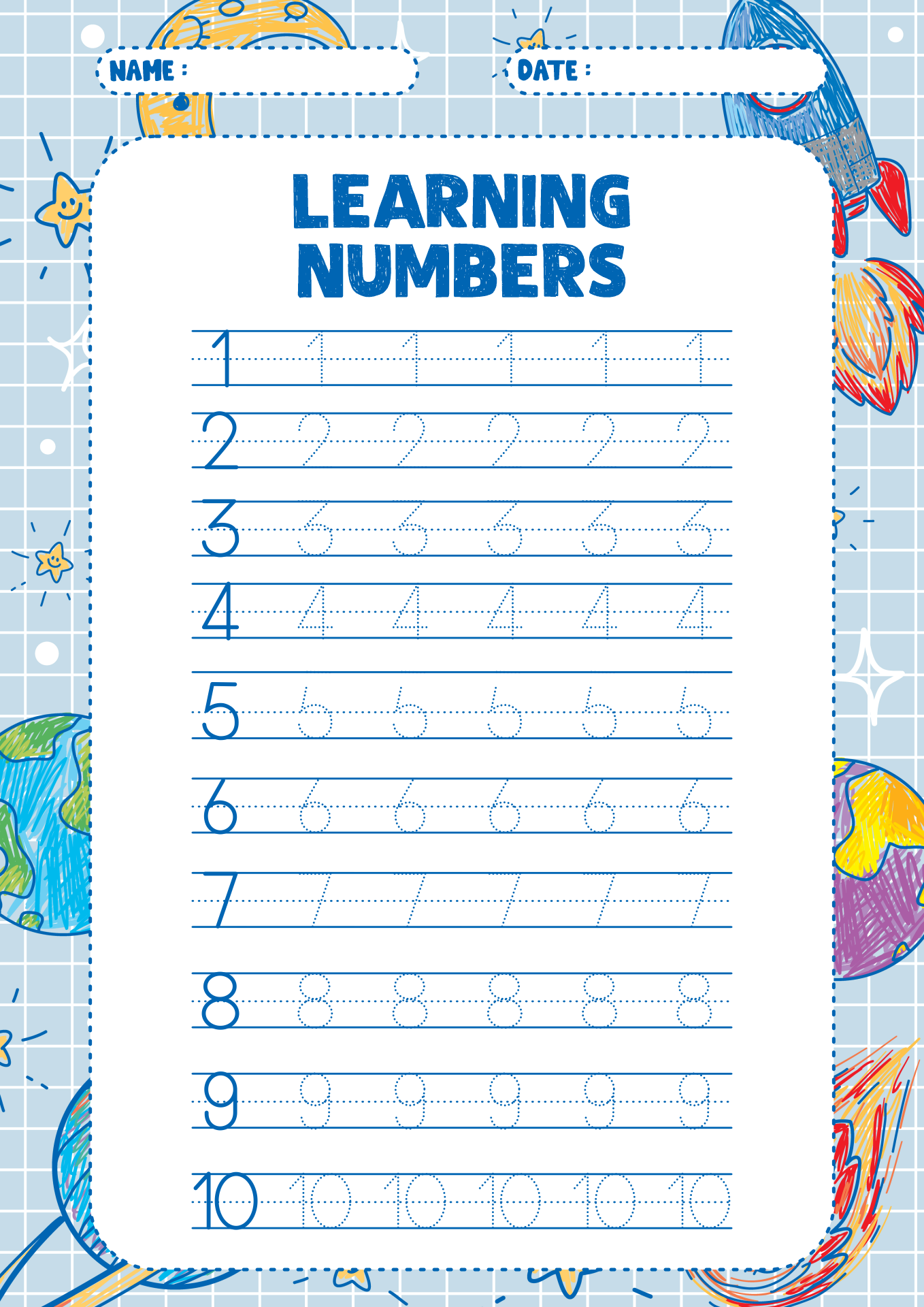
Watch any group of preschoolers, and a fascinating developmental truth emerges very quickly. Many children recognize numerals and letters long before their intrinsic fine motor muscles possess the strength and coordination required to actually form them on paper. According to the National Association for the Education of Young Children (NAEYC), early writing development relies heavily on meaningful, developmentally appropriate experiences that connect visual symbols to physical movement. Translating visual recognition into controlled pencil strokes demands intentional practice with proper stroke sequence and spatial awareness. The free printable tracing numbers and objectives for kids bridges that exact gap. It offers a structured, engaging format where children can safely transition from understanding math concepts to mastering the physical execution of writing numbers from zero to nine.
💡 Educational Key Takeaways:
- Core Skill: Structured Tracing Numbers And Objectives For Kids focused on developing pencil grip, stroke control, and early literacy/math confidence.
- Target Scope: Suited for homeschoolers, preschool, kindergarten, and elementary learners.
- Best Recommendation: Practice 10–15 minutes daily with ergonomic writing tools to reinforce muscle memory without hand fatigue.
What This Worksheet Covers
Every number possesses a unique directional flow that can challenge young fingers if approached without guidance. This specialized material focuses specifically on numeral formation, precise stroke order, and proportional sizing within structured boundaries. Children frequently reverse digits like three, five, or seven during early childhood development. Targeted tracing routines counteract this tendency by repeatedly reinforcing the correct starting points and directional paths through visual cues. It sounds simple, and that’s the point. By breaking complex numeral shapes down into distinct, manageable segments, the page removes the overwhelming pressure of blank-page writing and encourages focused muscle memory development.
Key Learning Outcomes
Working through these numeral exercises yields clear developmental progress across several crucial domains. Learners establish consistent directional habits, consistently starting their pencil movements at the top rather than the bottom of each digit. Hand-eye coordination sharpens as pencils follow dotted lines across varying spatial configurations, building the visual-motor integration necessary for advanced math and writing tasks. Children also internalize accurate numeral magnitude and proportion, learning to fit digits neatly inside designated boxes or guidelines. Furthermore, foundational core stability and proximal shoulder control improve naturally as young hands sustain the postural control needed to complete the entire worksheet sequence.
How to Use This Worksheet
Success with early writing sheets depends entirely on the physical and environmental setup provided before the pencil touches the paper. Adults should ensure the workspace features a child-sized chair and table where feet rest flat on the floor, supporting optimal core stability and distal hand control. Introduce the sheet by demonstrating the correct starting point for the first numeral in the air or on a textured surface. According to the American Occupational Therapy Association (AOTA), utilizing multisensory techniques like tracing numerals in sand or shaving cream before pencil-on-paper tasks significantly enhances motor memory retention. Encourage children to verbalize the stroke direction while tracing, such as saying “around and back down” for the number two, which integrates auditory processing with kinesthetic learning.
Practical Tips for Parents and Teachers
Observing pencil grip closely during these exercises prevents the entrenchment of awkward, fatiguing hand postures. If a child grasps the writing utensil with a fisted grip or wraps fingers tightly over the thumb, gently guide the hand into an efficient three-finger grasp using a short piece of chalk or a broken crayon to naturally restrict finger movement. Scaffold the experience by starting with larger tactile prompts before moving to standard-sized worksheets, and always keep sessions brief to prevent hand fatigue. Resist the urge to correct every minor deviation from the dotted line; celebrate the effort, focus on correct directional flow, and utilize resources like Tracing Number pages for targeted follow-up practice once initial confidence is secured.
Age-Appropriate Recommendations
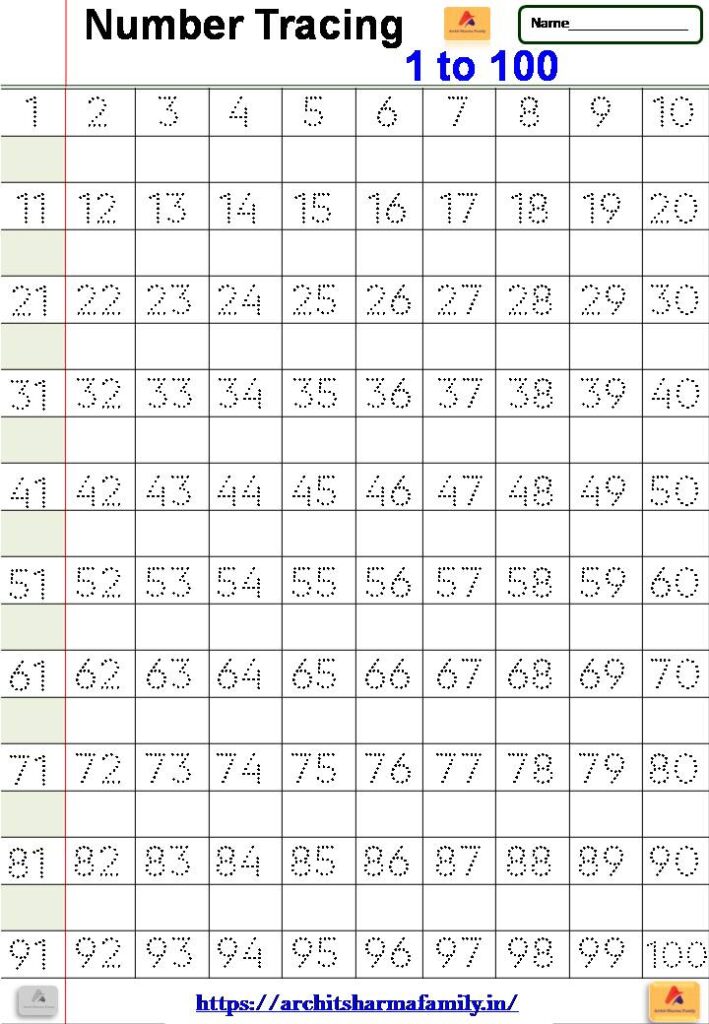
Developmental expectations vary significantly across early childhood, requiring careful alignment with recognized milestones. For toddlers and young preschoolers aged two to four, the focus centers on gross motor pre-writing lines, exploring the Fine Motor and Pre-Writing Skills collection, and making large, sweeping marks that build upper arm strength. As children progress into kindergarten and early primary grades spanning ages five to eight, the focus shifts toward precise numeral formation aligned with standards such as the Common Core Kindergarten Mathematics standard K.CC.A.3, which requires children to write numbers from zero to twenty. During these older years, structured number tracing sheets provide the necessary scaffolding for children transitioning from guided dotted lines to independent mathematical notation.
According to the American Occupational Therapy Association (AOTA), targeted multisensory pre-writing and tracing activities significantly enhance foundational fine motor control and visual-motor integration in young children. — AOTA Practice Guidelines
Frequently Asked Questions
Clear guidance helps adults maximize the benefits of these printable resources while avoiding common pitfalls associated with early writing instruction.
Explore More Free Printable Tracing Worksheets
Supporting a young learner involves offering varied, engaging practice materials that keep enthusiasm high week after week. Beyond foundational math sheets, children benefit immensely from exploring letter formation found within the Alphabet And Numbers Tracing section. Discover the complete array of educational materials available for parents, educators, and homeschoolers by visiting the main hub at KidTraces.com to find countless printables tailored to every developmental stage.
Developmental Milestone & Activity Table
| Development Stage | Recommended Daily Duration | Primary Learning Objective |
|---|---|---|
| Preschool & Pre-K | 10 – 15 Minutes | Pencil grip development & basic pre-stroke lines |
| Kindergarten | 15 – 20 Minutes | Letter/number formation & spatial line awareness |
| Early Elementary (Grade 1–2) | 20 – 30 Minutes | Fluency, sentence construction & neatness |
Images References