Introduction
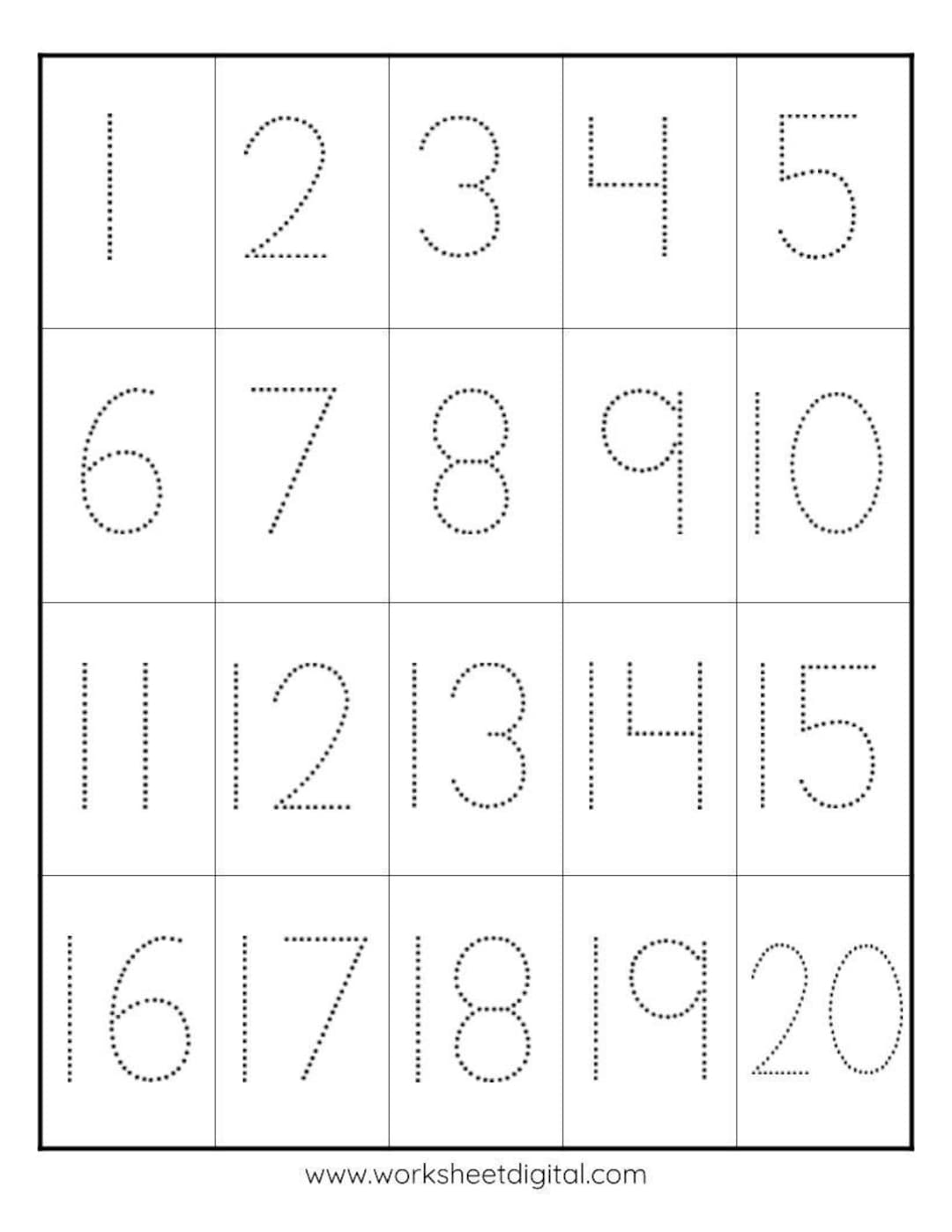
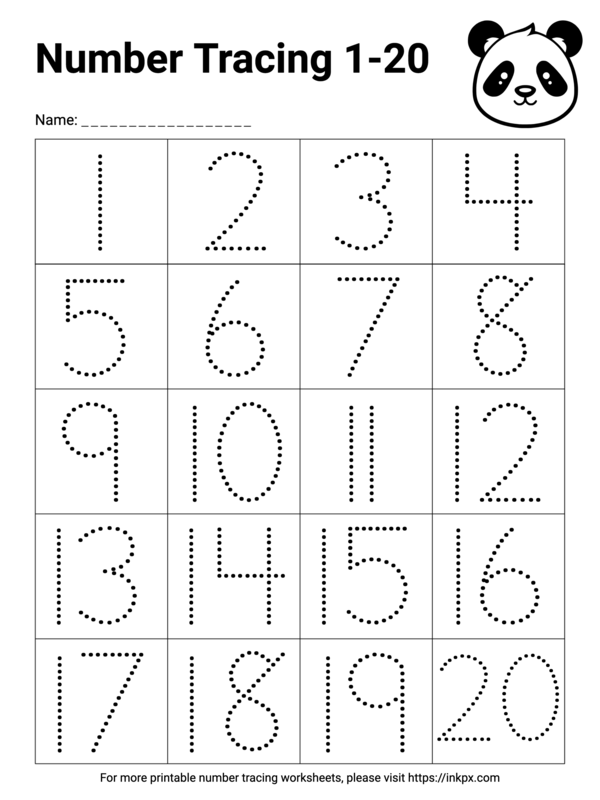
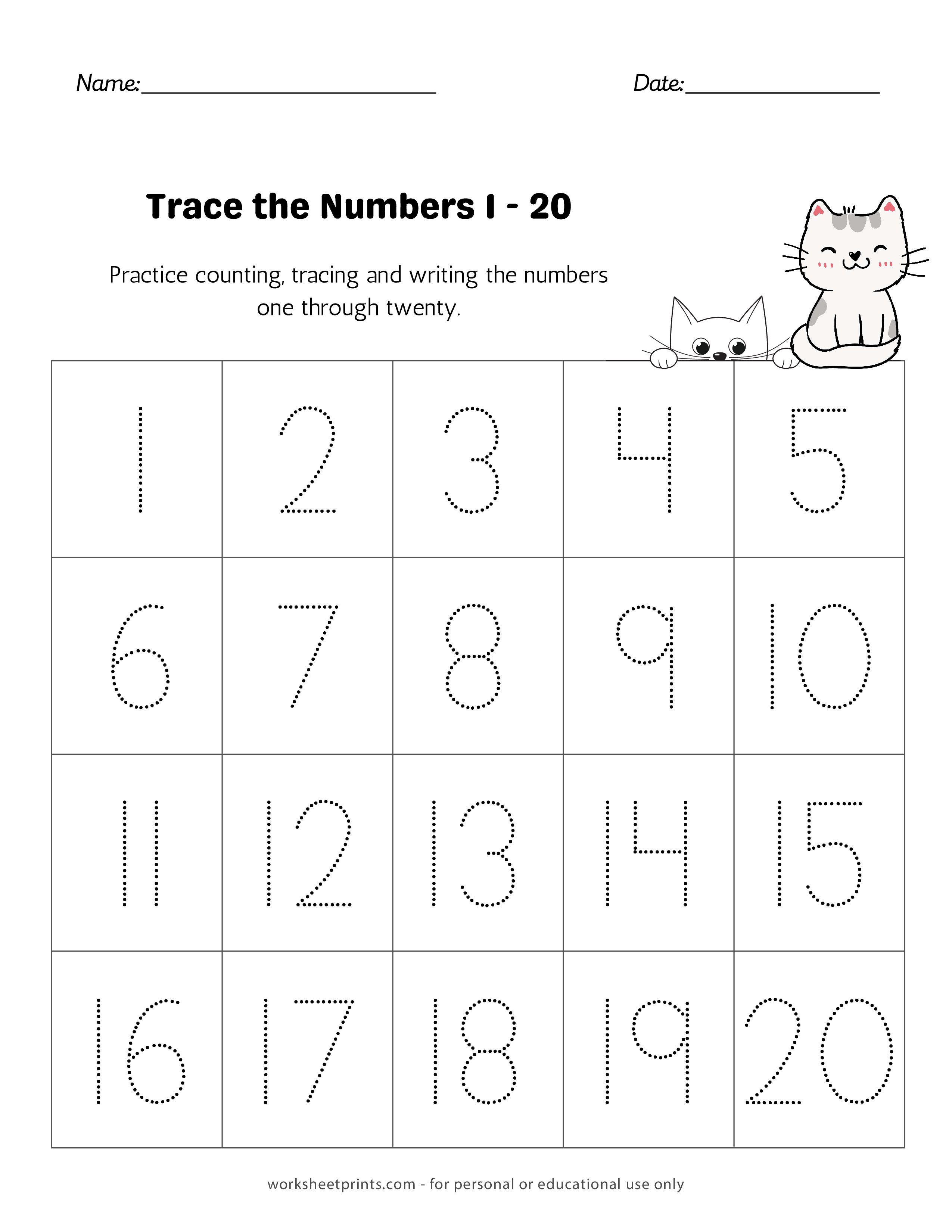
Watch any group of preschoolers, and children will eagerly point out numbers on signs, books, and doors long before tiny fingers possess the intrinsic hand strength required to form those digits with a pencil. According to the American Occupational Therapy Association, foundational fine motor control and bilateral coordination must develop sequentially before children can master formal handwriting tasks. It sounds simple, and that is the point. Bridging this gap between visual recognition and physical execution requires intentional, scaffolded practice that respects physical development. The 1 20 number tracing worksheets offer an essential bridge, guiding young learners safely from early pre-writing strokes to confident, independent numeral formation through structured repetition.
💡 Educational Key Takeaways:
- Core Skill: Structured 1 20 Number Tracing Worksheets focused on developing pencil grip, stroke control, and early literacy/math confidence.
- Target Scope: Suited for homeschoolers, preschool, kindergarten, and elementary learners.
- Best Recommendation: Practice 10–15 minutes daily with ergonomic writing tools to reinforce muscle memory without hand fatigue.
What This Worksheet Covers
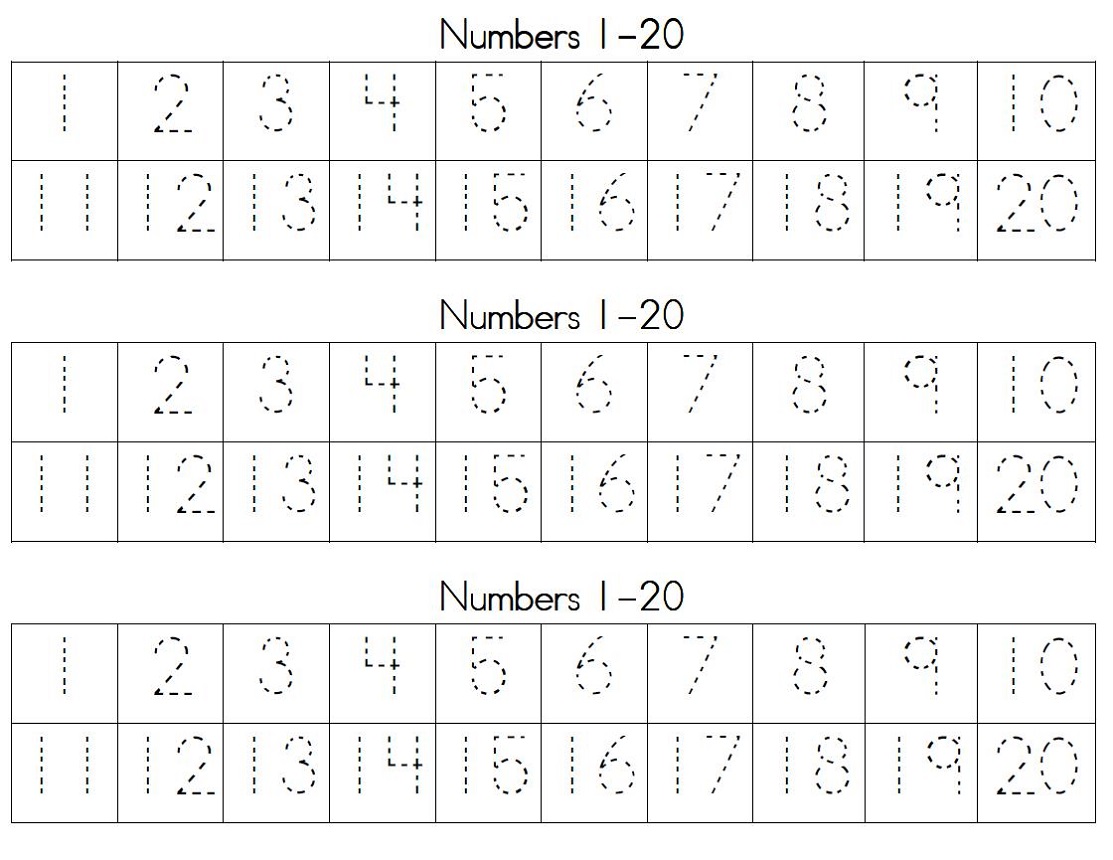
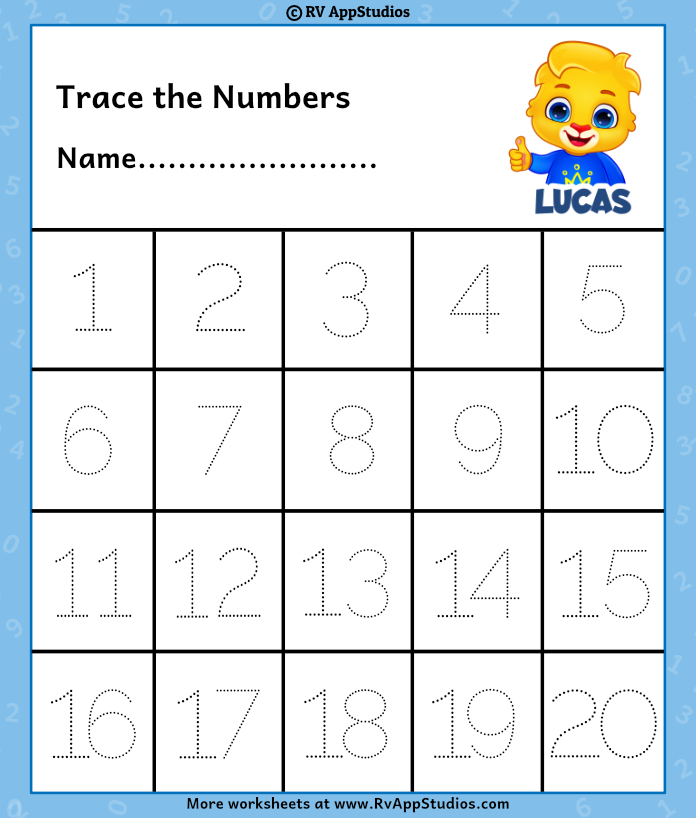
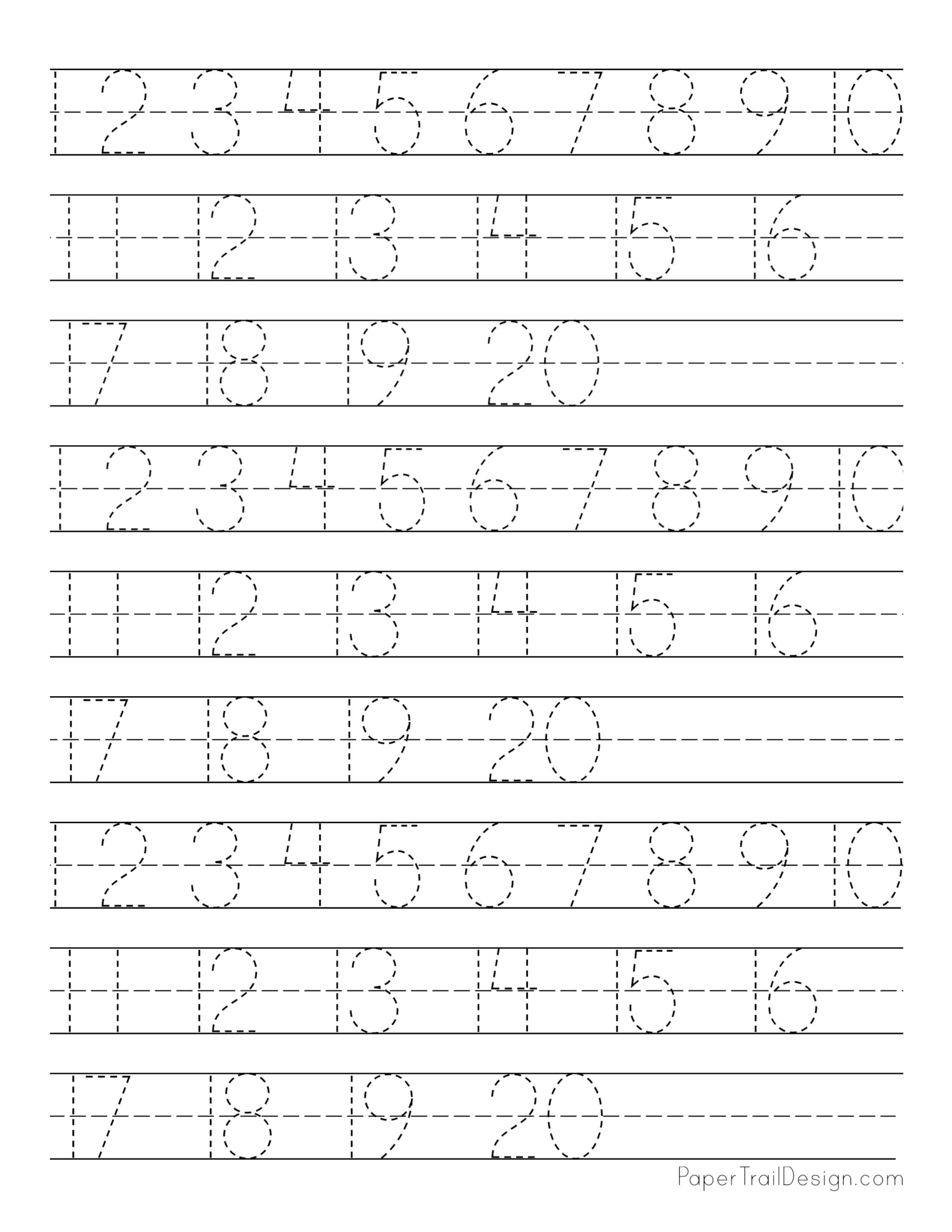
Every numeral from one to twenty carries unique mechanical demands, requiring distinct starting points, curved arcs, diagonal slants, and straight vertical lines. This structured resource focuses heavily on letter and numeral formation, stroke order, and spatial orientation. Guided formation elements provide clear starting dots, directional arrows, and faint dotted paths that teach children where a stroke begins and where it terminates. Developing this muscle memory early prevents awkward pencil grasps and laborious writing habits from forming later in elementary school. Here is what makes this worksheet different: rather than rushing straight to independent writing, the layout isolates each digit, giving developing hands adequate room to understand proportion, spacing, and directional flow across the writing surface.
Key Learning Outcomes
Consistent practice with these numerical sheets yields measurable developmental gains across multiple domains. Children rapidly master correct stroke order and directional continuity for all twenty digits, reducing common reversals like writing backward threes and fives. Hand-eye coordination improves dramatically as pencil tips learn to follow dotted lines smoothly without straying off course. Finger dexterity and intrinsic hand muscle strength increase through sustained gripping and controlled releasing movements. Furthermore, spatial awareness expands as learners navigate between the lines, learning to size numbers appropriately within dedicated boundaries. These foundational milestones connect directly to broader academic competencies found throughout resources like Tracing Number collections.
How to Use This Worksheet
Success with early writing tools depends entirely on how adults introduce the materials to the child. Begin by observing the child’s grasp, ensuring fingers rest naturally in a functional tripod or quadripod position rather than a tightly clenched fist. Invite the child to trace the large master number with an index finger first, feeling the physical trajectory before introducing a writing utensil. Keep writing sessions brief, lasting roughly five to ten minutes per day to prevent hand fatigue, frustration, and a negative association with writing tasks. When children master basic digits, educators and parents can expand the challenge by transitioning from thick crayons to standard pencils, or by exploring related resources available via Tracing Worksheets.
Practical Tips for Parents and Teachers
Adults play a powerful scaffolding role when supporting early childhood writing development. Model proper stroke order explicitly by writing the numeral on a nearby whiteboard while verbally describing the movements, such as stating “slant down and slide right” for the number four. Scaffold the activity by covering half the page if a full sheet of twenty numbers feels visually overwhelming to a younger child. Extend learning naturally by having children count physical objects like buttons or blocks to match the number they just traced, cementing the cognitive link between the symbol and its true mathematical value. For further skill reinforcement, consider incorporating materials found within Fine Motor and Pre-Writing Skills to build baseline hand strength.
Age-Appropriate Expectations
Developmental readiness spans a wide spectrum between toddlerhood and primary school. According to the National Association for the Education of Young Children Developmentally Appropriate Practice guidelines, children aged two to four typically focus on gross motor control, vertical line drawing, and large circular scribbles, making early exploration of numbers more tactile than pencil-bound. By ages five to eight, children enter a phase of refined fine motor precision, where guided numerical tracing aligns directly with early academic expectations. During these primary years, children transition from tracing large dotted guides to writing numbers independently on standard primary lined paper, gaining the fluency required for mathematics and daily written expression.
Foundational fine motor control and bilateral coordination must develop sequentially before children can master formal handwriting tasks. — American Occupational Therapy Association (AOTA)
Frequently Asked Questions
Answers to common questions regarding printing, skill development, and expert recommendations ensure a smooth experience for every educator and caregiver supporting young writers.
According to the National Association for the Education of Young Children, learning experiences must align with a child’s current developmental stage, balancing cognitive challenge with physical readiness. — NAEYC
Explore More Free Printable Tracing Worksheets
Supporting a young learner through the exciting journey of early literacy and pre-writing requires a diverse collection of engaging, high-quality materials. Educators, parents, and homeschoolers can discover a comprehensive library of resources designed to nurture every stage of development by visiting KidTraces.com. Whether the daily lesson plan calls for targeted stroke practice or engaging seasonal themes, the complete collection ensures children build lifelong confidence with every single stroke.
Developmental Milestone & Activity Table
| Development Stage | Recommended Daily Duration | Primary Learning Objective |
|---|---|---|
| Preschool & Pre-K | 10 – 15 Minutes | Pencil grip development & basic pre-stroke lines |
| Kindergarten | 15 – 20 Minutes | Letter/number formation & spatial line awareness |
| Early Elementary (Grade 1–2) | 20 – 30 Minutes | Fluency, sentence construction & neatness |
Images References