Introduction
Many children recognize numerals and point out digits in the environment long before their small hands possess the intrinsic strength required to form them on paper. According to the National Association for the Education of Young Children, purposeful early writing experiences must align with physical development rather than rushing mechanical output. Bridging this gap between cognitive recognition and physical execution requires carefully scaffolded tools that respect childhood timelines. Enter the printable number chart 1 10, a foundational resource designed to transform abstract mathematical concepts into tactile, manageable stroke practice. Young learners often look at a number and understand its value, yet struggle to coordinate the fingers, wrist, and eyes to replicate it. It sounds simple, and that’s the point, because mastering the basic building blocks of numeracy lays the groundwork for all future academic confidence. Utilizing a structured chart gives developing hands a visual roadmap, encouraging proper directionality and spatial awareness from the very first pencil stroke.
💡 Technical Key Takeaways:
- Core Focus: Diagnostic schematic and terminal connection layout for Printable Number Chart 1 10.
- Target Scope: Field technicians, automotive DIYers, and residential/commercial electricians.
- Safety Rule: Always disconnect the primary power source/battery terminal and verify zero voltage with a multimeter before touching wires.
What This Worksheet Covers
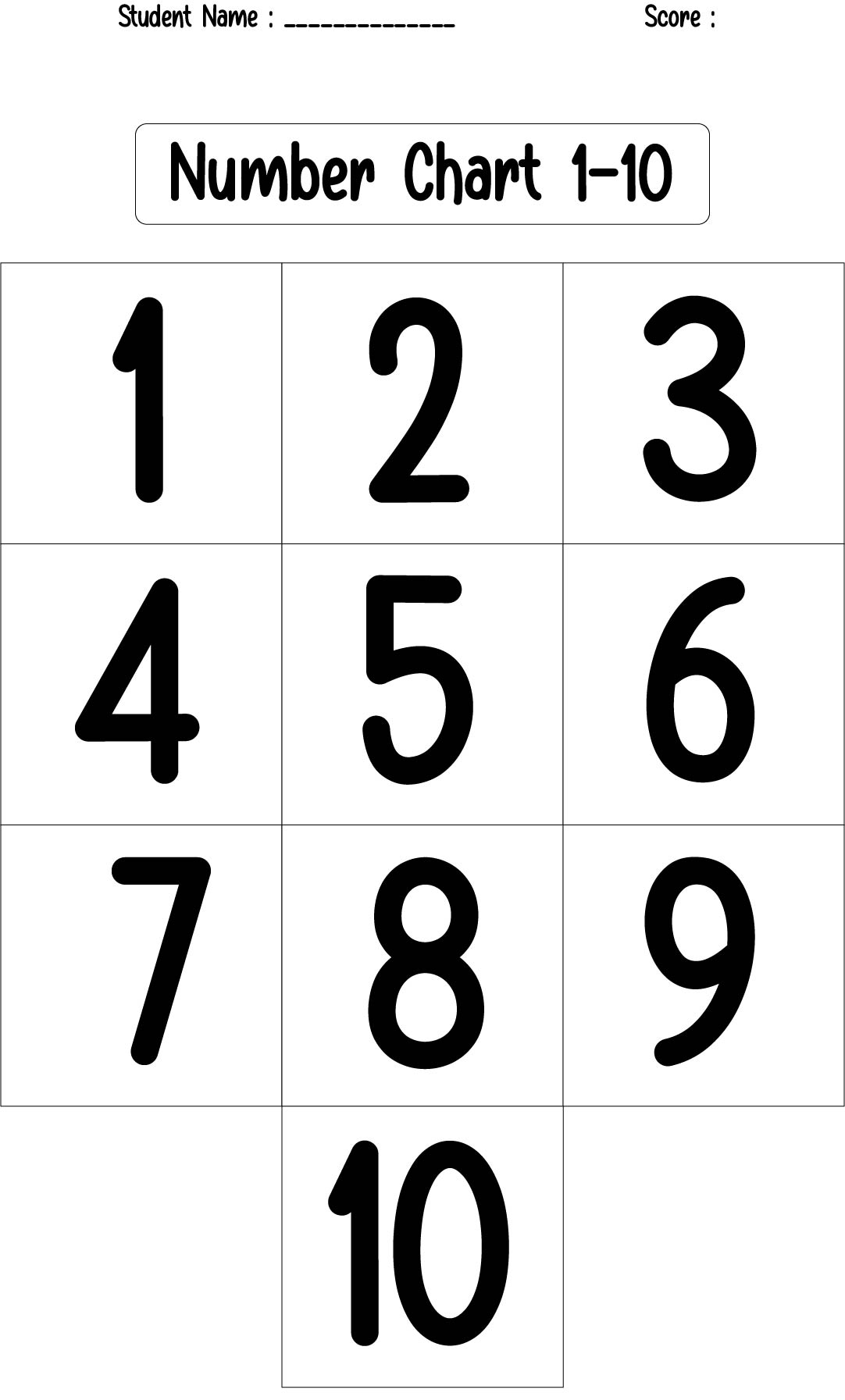
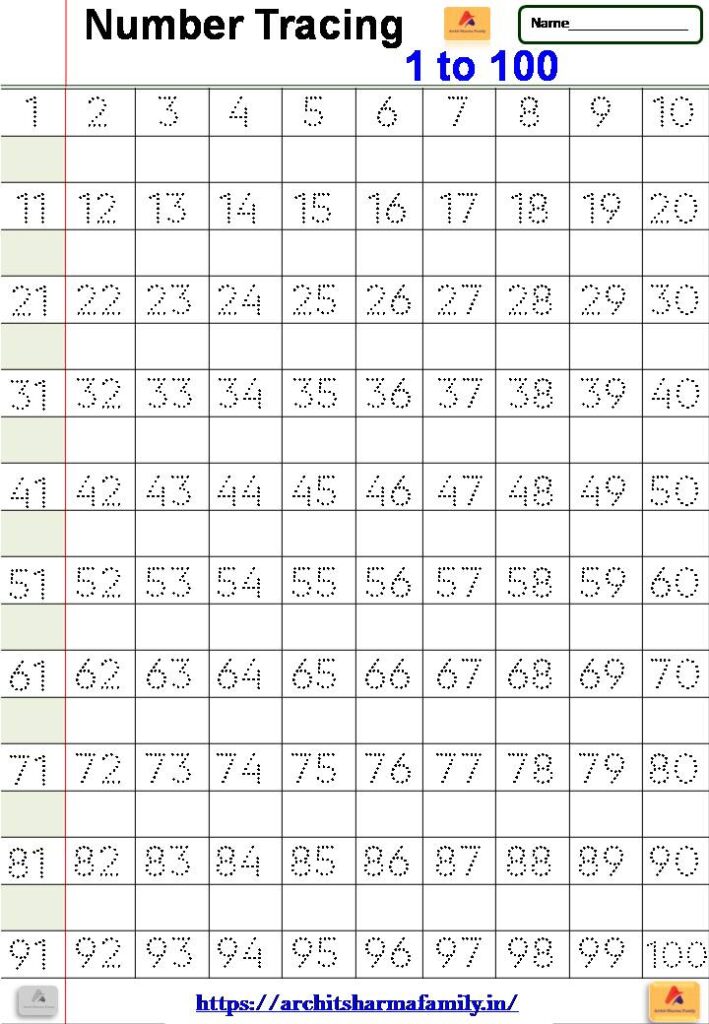
This printable resource focuses on the foundational digits from one through ten, presenting each number in a clear, large-format layout that invites early interaction. Beyond simply viewing numerals, children engage directly with guided formation paths that show precisely where pencil tips should begin and end. Each numeral features directional arrows and subtle starting dots, eliminating guesswork and reducing the frustration often associated with early writing tasks. The layout purposefully balances visual simplicity with educational depth, ensuring that attention remains fixed on stroke order rather than distracting decorations. Incorporating this chart into daily routines supports the broader journey found across Alphabet And Numbers Tracing collections, where early literacy and numeracy intersect seamlessly. Children move progressively from identifying quantities to physicalizing numbers through controlled hand movements, reinforcing mathematical vocabulary simultaneously with motor planning.
Key Learning Outcomes
Working consistently with a numerical layout builds crucial competencies that extend far beyond simple handwriting practice. Learners cultivate exact numeral formation and stroke order, which prevents the development of awkward habits that become harder to correct later in childhood. Hand-eye coordination improves dramatically as pencils follow precise dotted pathways, requiring sustained visual attention and fine motor control. Spatial awareness deepens when children learn to contain their writing within designated boundaries, understanding proportional sizing and alignment on a page. Furthermore, number recognition solidifies through this multi-sensory repetition, connecting the visual symbol of a digit with the kinesthetic memory of drawing it. These combined outcomes support broader foundational capacities detailed within Fine Motor and Pre-Writing Skills, preparing tiny fingers for the physical demands of elementary school classrooms.
How to Use This Worksheet
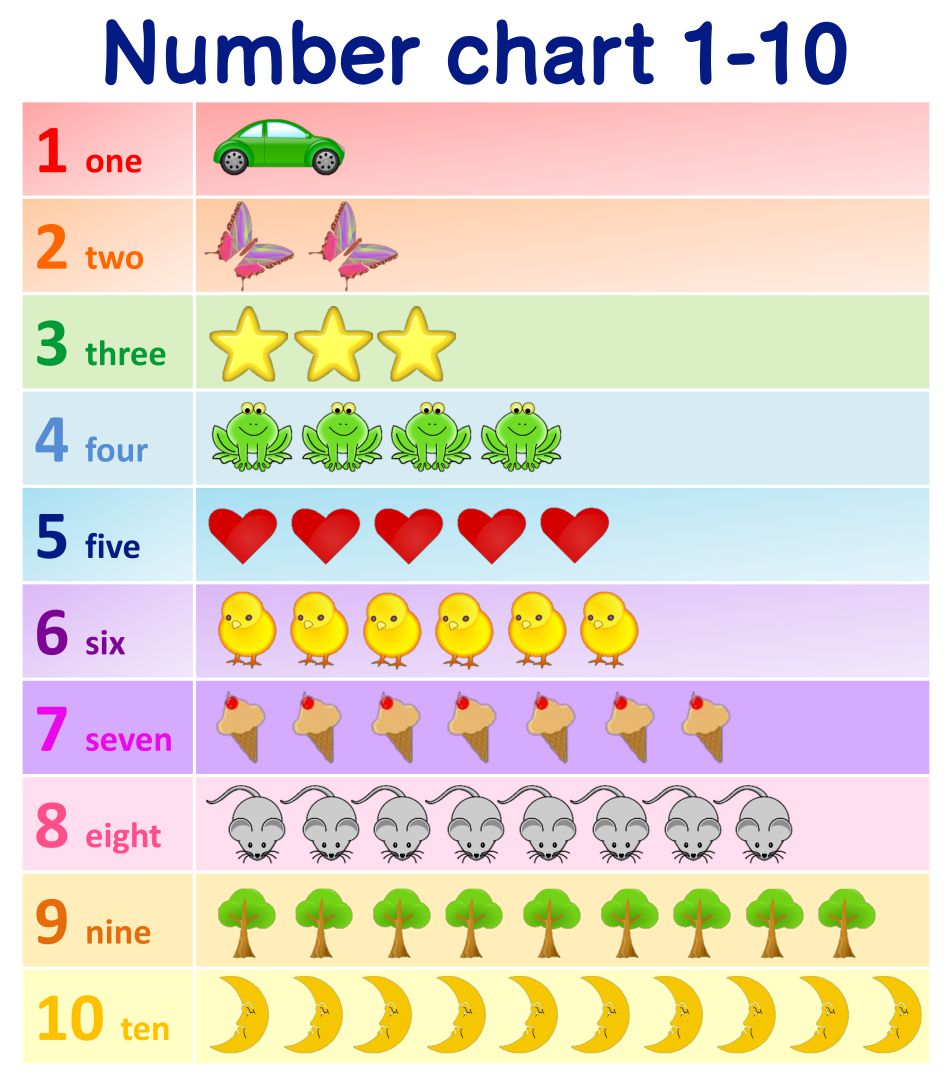
Maximizing the educational value of a numerical chart involves creating a low-stress, engaging environment where mistakes are treated as normal parts of learning. Placing the sheet inside a clear dry-erase sleeve allows learners to practice the same digits repeatedly without the anxiety of permanent errors. Educators and caregivers can introduce tactile elements, encouraging children to trace the numbers with a finger or a slightly damp cotton swab before ever picking up a writing utensil. Pairing the visual chart with physical objects like counting beads or small blocks grounds the abstract symbols in concrete reality. It is fascinating to observe a child trace the digit eight while spontaneously counting out eight small counters, demonstrating an intuitive bridge between quantity and written form. Such multi-sensory reinforcement transforms a standard paper task into an interactive mathematical exploration.
Practical Tips for Parents and Teachers
Supporting a developing tripod grasp requires observing how little fingers wrap around pencils and offering gentle, encouraging adjustments rather than strict corrections. When hand fatigue sets in, which happens frequently given developing intrinsic hand muscles, transition immediately to vertical surfaces like easels or taped-up wall charts to promote natural wrist extension. Scaffolding the activity means starting with just numbers one through five before introducing the rest of the sequence, preventing cognitive and physical overload. Celebrate small victories, such as starting a numeral at the correct top dot or maintaining a smooth, continuous curve on the number three. Extending the activity can be as simple as hunting for those same numbers around the room or practicing writing them in a shallow tray filled with sand or salt, ensuring that enthusiasm remains high.
Age-Appropriate Recommendations
Children between two and four years old benefit most from large, tactile explorations of these digits, aligning closely with the framework of the CDC developmental milestones regarding early motor control and imitation of vertical lines. During these toddler and preschool years, perfection in formation is entirely secondary to positive engagement, finger strength, and exploratory tracing with fingers or thick crayons. As children progress into the five to eight age bracket, expectations shift toward accuracy, proper pencil grip, and independent line control. At this stage, aligning with standard handwriting curricula and early elementary expectations, learners should demonstrate consistent top-to-bottom and left-to-right stroke habits. According to the American Occupational Therapy Association, foundational visual-motor integration skills practiced during these early years are vital predictors of later academic success and classroom stamina.
Visual-motor integration and fine motor precision developed through early tracing tasks serve as core predictors of academic success and classroom participation. — American Occupational Therapy Association (AOTA)
Frequently Asked Questions
Navigating early childhood education resources can raise practical questions about implementation, printing, and skill development. Clear answers help parents and educators maximize the benefits of free printables in home and school environments alike.
Explore More Free Printable Tracing Worksheets
Extending this foundational numeracy work into other developmental domains helps maintain engagement and reinforces critical school-readiness habits. Exploring related resources allows learners to practice diverse pencil strokes, letter formations, and creative themes without losing momentum. The complete library of curated materials available at KidTraces.com offers limitless opportunities for children to build confidence, hand strength, and cognitive fluency. Whether expanding into Shape and Line Tracing for advanced pre-writing control or diving into seasonal motifs found within Seasonal and Fun Themes, every worksheet serves as a stepping stone toward lifelong learning. Consistent, joyful practice remains the most effective tool in any educator or caregiver toolkit, transforming every printed page into an invitation to grow.
Quick Wiring Specifications & Terminal Guide
| Component / Circuit | Standard Wire Gauge | Recommended Protection |
|---|---|---|
| Control & Trigger Signals | 18 – 20 AWG | 5A – 7.5A Inline Fuse |
| Standard Auxiliary Load | 14 – 16 AWG | 15A – 20A Circuit Breaker |
| Main Power Feed / Supply | 10 – 12 AWG | 30A – 40A Heavy-Duty Relay |
Images References