Introduction
Many children recognize letters, lines, and complex geometric concepts long before their fine motor control allows them to reproduce those forms on paper. According to the American Occupational Therapy Association, foundational hand strength and visual-motor integration are critical prerequisites that must develop before a child can successfully master functional handwriting. Bridging this gap requires targeted pencil control exercises that do not feel like tedious drills. Tracing shapes using connect-the-dot work sheets offers an engaging bridge, transforming abstract pre-writing strokes into playful challenges that captivate young learners. It sounds simple, and that’s the point: removing the pressure of open-ended drawing while scaffolding precise motor planning. By connecting dots sequentially, children build the foundational muscle memory required for future literacy and mathematics, all while experiencing the quiet joy of discovery on the page.
💡 Educational Key Takeaways:
- Core Skill: Structured – Tracing Shapes Using Connect-The-Dot Work Sheets focused on developing pencil grip, stroke control, and early literacy/math confidence.
- Target Scope: Suited for homeschoolers, preschool, kindergarten, and elementary learners.
- Best Recommendation: Practice 10–15 minutes daily with ergonomic writing tools to reinforce muscle memory without hand fatigue.
What This Worksheet Covers
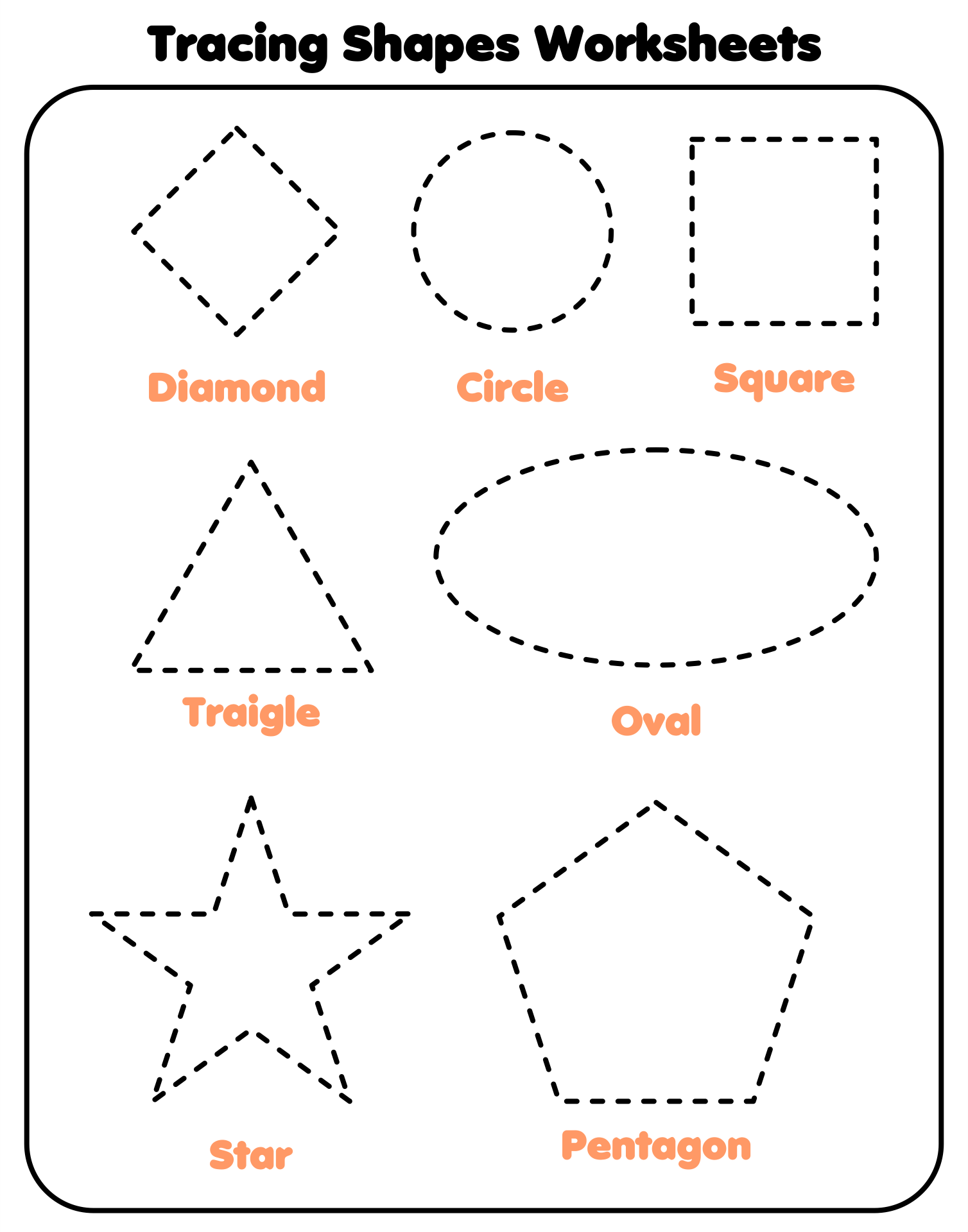
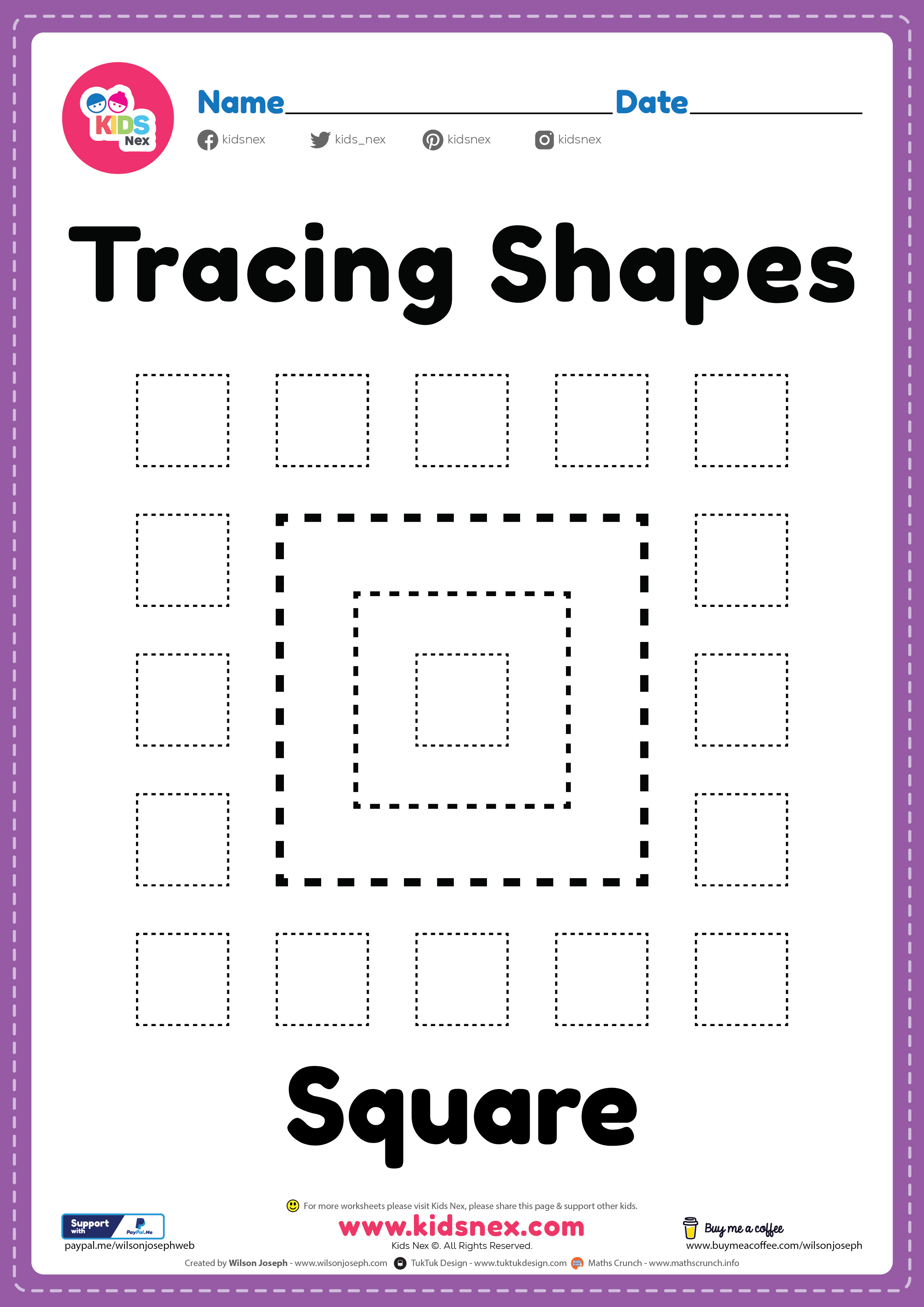
This specific printable resource targets the precise mechanics of pencil control by combining sequential dot-to-dot sequences with geometric shape outlines. When children draw lines from point A to point B, they engage in visual-motor integration, coordinating what the eyes perceive with how the hand moves. Here’s what makes this worksheet different: it breaks down intimidating shapes into manageable, sequential steps, preventing the visual overwhelm that often leads to frustration during early writing tasks. Rather than demanding a fluid circle or triangle all at once, the sheet invites the hand to pause, assess spatial relationships, and execute controlled strokes repeatedly. This process directly strengthens the small intrinsic muscles of the hand, refines bilateral coordination, and teaches children how to regulate the speed and pressure of a writing utensil.
Key Learning Outcomes
Engaging with these geometric connect-the-dot pages fosters several critical developmental milestones essential for academic readiness. First, learners refine directional awareness, practicing left-to-right and top-to-bottom progression that translates directly to reading and writing fluency. Second, the activity enhances visual closure, helping young minds perceive and complete incomplete shapes—a skill noted by the National Association for the Education of Young Children as vital for early spatial reasoning. Third, the exercise builds sustained attention and persistence as children follow a numbered or alphabetized sequence to reveal a finished illustration. Finally, repeated execution of these guided pathways promotes a functional tripod or quadrupod grasp, paving the way for effortless letter and number formation detailed further within resources like Fine Motor and Pre-Writing Skills.
How to Use This Worksheet
Successful implementation relies on creating an environment that prioritizes comfort and steady hand positioning over rapid completion. Placing the paper on a flat, stable surface at a slight slant encourages an ergonomic wrist position, preventing fatigue during extended tracing sessions. Adults should encourage children to anchor their paper with their non-dominant hand, a subtle bilateral skill that anchors posture and stabilizes the workspace. It is often helpful to start with a finger tracing run before introducing a marker, crayon, or pencil, allowing the child’s brain to map the movement path kinesthetically. If a child makes a stray mark or misses a dot, view the moment as a natural part of motor learning rather than an error to erase.
Practical Tips for Parents and Teachers
Observing children at the table reveals that hand fatigue often stems from an overly tight grip rather than a lack of capability. Scaffolding this experience means offering shorter writing tools, such as broken crayons or golf pencils, which naturally encourage a proper tripod grasp by eliminating room for a heavy fist wrap. For learners who struggle with visual tracking from one dot to the next, coloring alternate dots or using highlighters can draw crucial attention to the sequence. Extending the activity is just as valuable; once the shape is connected, children can shade inside the boundaries using short, controlled strokes, blending fine motor precision with artistic expression. Similar targeted line control exercises are readily available within the collection dedicated to Shape and Line Tracing.
Age-Appropriate Recommendations
Developmental expectations vary widely between a two-year-old toddler and an eight-year-old primary student, making it essential to tailor the approach. According to the CDC developmental milestones, children around age three typically begin copying simple circles and vertical lines, whereas four- and five-year-olds can coordinate more complex intersecting shapes like squares and triangles. For younger preschoolers, worksheets featuring fewer, larger dots spaced widely apart prevent cognitive and motor overload. For older kindergarteners and early elementary students, denser dot patterns challenge fine motor endurance and reinforce numerical sequencing. Additional alphabet and number reinforcement can be seamlessly integrated using materials found under Alphabet And Numbers Tracing to support overarching school readiness.
Foundational visual-motor integration and hand strength are critical prerequisites for functional handwriting development — American Occupational Therapy Association
Frequently Asked Questions
Navigating early childhood resources is easier when common questions regarding printing, motor skills, and developmental standards are addressed clearly and directly.
Young children often recognize complex visual patterns long before their hands possess the intrinsic strength required to reproduce them — National Association for the Education of Young Children
Explore More Free Printable Tracing Worksheets
Supporting a child’s journey toward confident writing requires a diverse toolkit of engaging, low-stress practice materials. Beyond geometric shapes, young learners benefit immensely from exploring varied stroke patterns, seasonal motifs, and guided letter pathways that keep practice fresh and exciting. Every child progresses at an entirely unique pace, making it wonderful to have a rich variety of printable resources ready for rotation. Caregivers, educators, and homeschoolers can discover a vast array of completely free, developmentally appropriate materials suited for every stage of early childhood development by visiting the full library at KidTraces.com.
Developmental Milestone & Activity Table
| Development Stage | Recommended Daily Duration | Primary Learning Objective |
|---|---|---|
| Preschool & Pre-K | 10 – 15 Minutes | Pencil grip development & basic pre-stroke lines |
| Kindergarten | 15 – 20 Minutes | Letter/number formation & spatial line awareness |
| Early Elementary (Grade 1–2) | 20 – 30 Minutes | Fluency, sentence construction & neatness |
Images References