Introduction
Many children recognize letters, shapes, and complex symbols long before their developing fine motor systems possess the strength and coordination to form them on paper. According to the American Occupational Therapy Association, foundational hand strength, stable proximal posture, and refined finger dexterity must mature concurrently to support functional, legible handwriting. It sounds simple, and that is precisely the point. When children sit down to practice triangle handwriting, the goal extends far beyond merely connecting dots on a page. Geometry meets penmanship in a targeted exercise designed to bridge the gap between visual understanding and physical execution. Every slanted stroke and sharp corner challenges the hand muscles to adjust tension, control momentum, and change direction with deliberate precision. This free printable transforms a basic geometric shape into an essential training ground for pencil control, giving learners the structural building blocks they need before tackling more complex alphabetical formations.
💡 Educational Key Takeaways:
- Core Skill: Structured Triangle Handwriting focused on developing pencil grip, stroke control, and early literacy/math confidence.
- Target Scope: Suited for homeschoolers, preschool, kindergarten, and elementary learners.
- Best Recommendation: Practice 10–15 minutes daily with ergonomic writing tools to reinforce muscle memory without hand fatigue.
What This Worksheet Covers
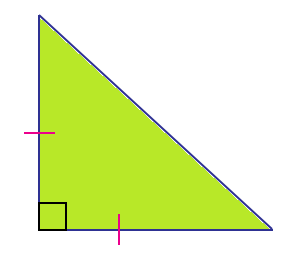
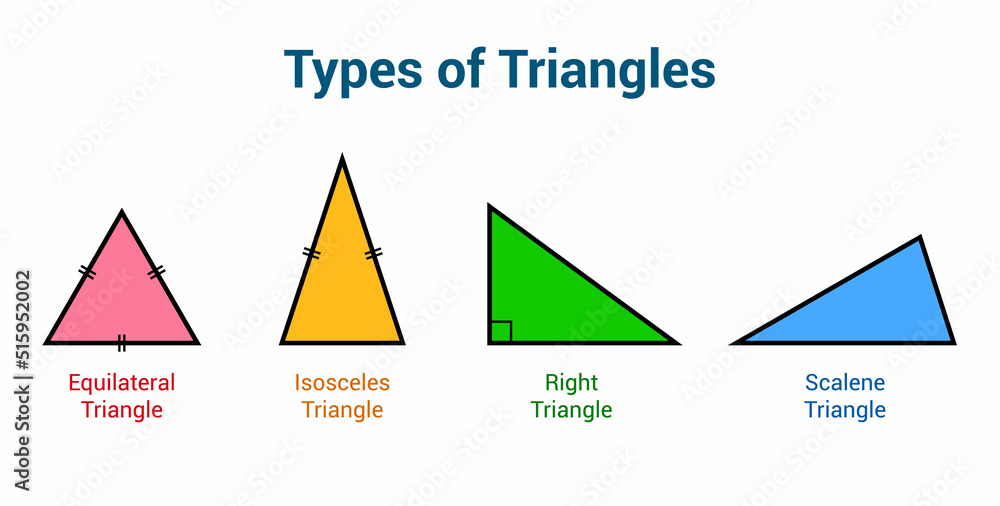
Geometric templates offer a powerful avenue for developing the exact motor control required for written communication. Triangle handwriting focuses heavily on diagonal line integration, which children frequently find much more challenging than standard horizontal or vertical strokes. The printable provides structured pathways that guide the hand through acute angles, teaching little fingers how to slow down, pivot, and maintain consistent downward pressure. Navigating a triangle requires distinct shifts in wrist stability and finger movement, particularly when moving upward against gravity on the right-hand slope and descending sharply on the left. By isolating these specific angular movements, the worksheet helps eradicate common pencil habits like heavy-handed pressing or losing control during directional changes. It targets the intrinsic muscles of the hand, encouraging a dynamic tripod grasp as the writing tool traverses the three distinct vertices of the shape.
Key Learning Outcomes
Engaging with this resource yields multiple developmental benefits that directly translate into everyday academic tasks. Learners master continuous stroke planning, which improves the visual-motor integration needed to map letters like A, V, and W onto lined paper. Hand-eye coordination sharpens as the eyes track ahead of the pencil tip to anticipate the upcoming corner. Spatial awareness deepens organically as the child learns to keep the pencil within designated boundaries, fostering a stronger sense of proportion and scale. Furthermore, repetition builds crucial muscle memory in the hand and wrist, transforming an awkward, fatiguing grip into a fluid, confident motion that supports long writing sessions without discomfort.
How to Use This Worksheet
Effective implementation relies on setting up an environment that encourages focus, physical comfort, and proper body mechanics. The workspace should feature a child-sized chair and table where both feet rest flat on the floor, establishing the core stability necessary for distal hand control. Adults can introduce the sheet by encouraging the child to trace the perimeter with an index finger first, tracing the imaginary paths of the triangle before introducing a writing utensil. Once the pencil touches the paper, monitoring the pacing matters immensely. Encouraging slow, controlled movements rather than rushed scribbles ensures that the small hand muscles actively engage in stabilizing the pencil through every sharp turn.
Practical Tips for Parents and Teachers
Scaffolding the activity makes a remarkable difference for children who struggle with fine motor endurance or directional control. Adults can gently model the correct pencil grip by demonstrating an open web space and relaxed fingers, avoiding white-knuckled death grips that lead to early hand fatigue. For children who press too lightly or too heavily, placing a sheet of textured craft foam underneath the printable provides immediate tactile feedback, making the pencil strokes feel more substantial. When fatigue sets in, pausing the session prevents frustration and protects the developing muscle memory from reinforcing poor grip habits. For additional practice with fundamental hand movements, educators often integrate resources found within Fine Motor and Pre-Writing Skills to build baseline strength before tackling angular shapes.
Age-Appropriate Recommendations
Developmental readiness dictates how children interact with geometric writing sheets across early childhood. According to the National Association for the Education of Young Children guidelines for developmentally appropriate practice, children ages two to four benefit most from large-scale tracing using thick crayons, finger paints, or vertical surfaces that encourage whole-arm movement from the shoulder. At this stage, focusing on large triangles helps build gross motor foundation before refining distal control. Conversely, children ages five to eight transition successfully to standard pencils and smaller triangular templates on horizontal desks, aligning directly with kindergarten and early elementary standards for pre-writing stroke mastery. To expand foundational geometric control into early symbol recognition, educators frequently utilize activities from Shape and Line Tracing to reinforce visual-motor integration.
Fine motor control and visual-motor integration are among the strongest predictors of early academic success and reading readiness in young learners. — American Occupational Therapy Association
Frequently Asked Questions
Navigating how to implement printables effectively often raises practical questions for educators and caregivers alike. The answers below address the most common inquiries regarding formatting, downloads, and developmental milestones.
Structured pre-writing activities significantly enhance letter formation speed and spatial organization in primary students. — National Association for the Education of Young Children
Explore More Free Printable Tracing Worksheets
Supporting a comprehensive pre-writing curriculum requires access to a wide variety of engaging, skill-building resources that grow alongside the child. Whether the focus is mastering curved pathways, learning foundational letter shapes, or celebrating seasonal milestones, having the right materials readily available makes all the difference in a child’s learning journey. Educators, parents, and homeschoolers can discover a vast assortment of free, high-quality practice materials designed by visiting KidTraces.com to explore the complete library of learning tools.
Developmental Milestone & Activity Table
| Development Stage | Recommended Daily Duration | Primary Learning Objective |
|---|---|---|
| Preschool & Pre-K | 10 – 15 Minutes | Pencil grip development & basic pre-stroke lines |
| Kindergarten | 15 – 20 Minutes | Letter/number formation & spatial line awareness |
| Early Elementary (Grade 1–2) | 20 – 30 Minutes | Fluency, sentence construction & neatness |
Images References