Introduction
Many children recognize letters, numbers, and complex shapes long before their fine motor stamina and hand muscles are truly ready to form them on paper. According to the American Occupational Therapy Association, foundational fine motor control and bilateral hand coordination are essential prerequisites for functional handwriting and classroom success. Educators frequently observe the frustration that occurs when cognitive understanding outpaces physical capability. Bridging this gap requires targeted preparatory exercises that build intrinsic hand strength without the immediate pressure of traditional letter formation. The hand and circle game printable pdf download serves as an engaging, low-stress bridge between visual recognition and precise motor output. It sounds simple, and that’s the point. By focusing on repetitive circular motions and spatial boundaries, young learners develop the exact muscle memory needed for future academic tasks.
💡 Technical Key Takeaways:
- Core Focus: Diagnostic schematic and terminal connection layout for Hand And Circle Game Printable Pdf Download.
- Target Scope: Field technicians, automotive DIYers, and residential/commercial electricians.
- Safety Rule: Always disconnect the primary power source/battery terminal and verify zero voltage with a multimeter before touching wires.
What This Worksheet Covers
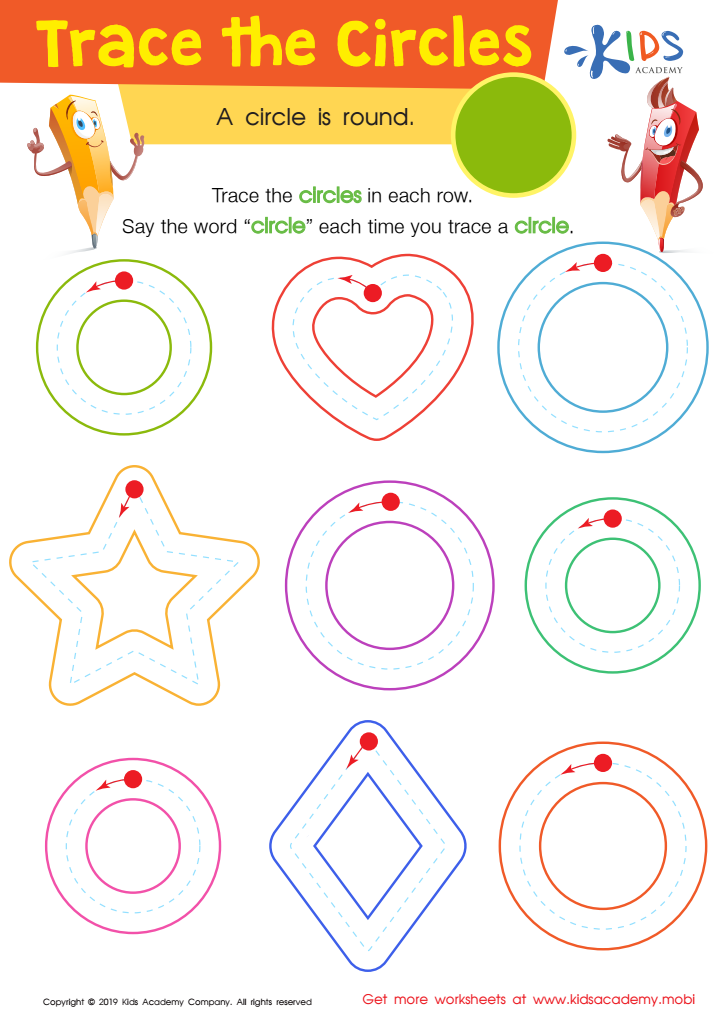
This specific printable targets the fundamental motor planning and visual-spatial tracking required for early writing readiness. Circular shapes are foundational components for numerous letters and numbers, making them an ideal focal point for developmental growth. Here’s what makes this worksheet different: rather than demanding immediate mastery of strict line formations, it invites children to explore continuous fluid movement within designated perimeters. Learners engage with hand-eye coordination challenges that demand consistent pacing, directional awareness, and sustained control over writing implements. Exploring these mechanics naturally enhances overall Fine Motor and Pre-Writing Skills across various developmental stages.
Key Learning Outcomes
Children engaging with this resource build essential competencies that extend far beyond simple paper-and-pencil tasks. Primary developmental benefits include refined wrist stability, improved bilateral integration where one hand stabilizes the paper while the other executes the motion, and enhanced visual tracking along curved trajectories. Furthermore, learners strengthen the small intrinsic muscles of the hand responsible for a functional grasp, which directly supports subsequent work found within Shape and Line Tracing curricula. Consistency in circular motion also lays the groundwork for fluid transitions when students eventually progress to practicing formal loops and curves.
How to Use This Worksheet
Successful implementation relies on keeping the environment supportive, relaxed, and tailored to the individual child’s current developmental stage. Practitioners should introduce the activity as a game rather than a formal test of academic ability, encouraging playful exploration of the page. Placing the sheet on a vertical surface, such as an easel or taped to a wall, naturally promotes optimal wrist extension and shoulder stability, which is often recommended in pediatric occupational therapy settings. Integrating movement breaks and sensory-rich warm-ups, like squeezing clay or playing with finger puppets, helps activate the specific muscle groups needed for the tracing task ahead.
Practical Tips for Parents and Teachers
Adults play a vital role in scaffolding the experience to prevent hand fatigue and frustration. Modeling the correct pencil grip explicitly, using short broken crayons or ergonomic writing tools, encourages natural thumb opposition and prevents fist grasps. Scaffolding the activity involves starting with larger, sweeping hand motions in the air before transitioning to the paper, allowing the child’s brain to map the movement kinesthetically. If a child demonstrates fatigue, pause the activity immediately and offer gentle hand stretches rather than pushing through tiredness, which can reinforce poor movement habits. For older learners seeking additional creative challenges, pairing these exercises with foundational concepts from Seasonal and Fun Themes maintains high engagement and sustained motivation.
Age-Appropriate Recommendations
Understanding developmental milestones ensures that expectations align with a child’s neurological and physical maturity. According to the National Association for the Education of Young Children Developmentally Appropriate Practice, children aged two to four benefit most from large, gross-motor-oriented circular drawing experiences using thick markers or chalk, where the focus is on fluid arm movement. For children aged five to eight, the focus shifts toward refined pencil control, precision within smaller boundaries, and proper stroke directionality as outlined in the Common Core ELA standards for early writing readiness (CCSS.ELA-LITERACY.L.K.1.A). Matching the tool size and complexity of the sheet to the child’s exact developmental window prevents unnecessary frustration and fosters genuine confidence.
Foundational fine motor control and bilateral hand coordination are essential prerequisites for functional handwriting and classroom success. — American Occupational Therapy Association
Frequently Asked Questions
Answers to common questions regarding downloading, printing, and utilizing this fine motor resource in home and classroom environments are outlined below.
According to developmental research, children who master fluid pre-writing strokes show greater ease when transitioning to formal letter formation in later primary grades. — Reading Rockets
Explore More Free Printable Tracing Worksheets
Expanding a child’s developmental toolkit involves offering a diverse array of engaging, scaffolded practice materials tailored to every stage of growth. Educators, parents, and therapists can easily discover an extensive library designed to support foundational pencil grip, spatial awareness, and early literacy at KidTraces.com. Exploring targeted categories such as Alphabet And Numbers Tracing ensures continuous, well-rounded progress throughout the entire early childhood journey.
Quick Wiring Specifications & Terminal Guide
| Component / Circuit | Standard Wire Gauge | Recommended Protection |
|---|---|---|
| Control & Trigger Signals | 18 – 20 AWG | 5A – 7.5A Inline Fuse |
| Standard Auxiliary Load | 14 – 16 AWG | 15A – 20A Circuit Breaker |
| Main Power Feed / Supply | 10 – 12 AWG | 30A – 40A Heavy-Duty Relay |
Images References