Introduction
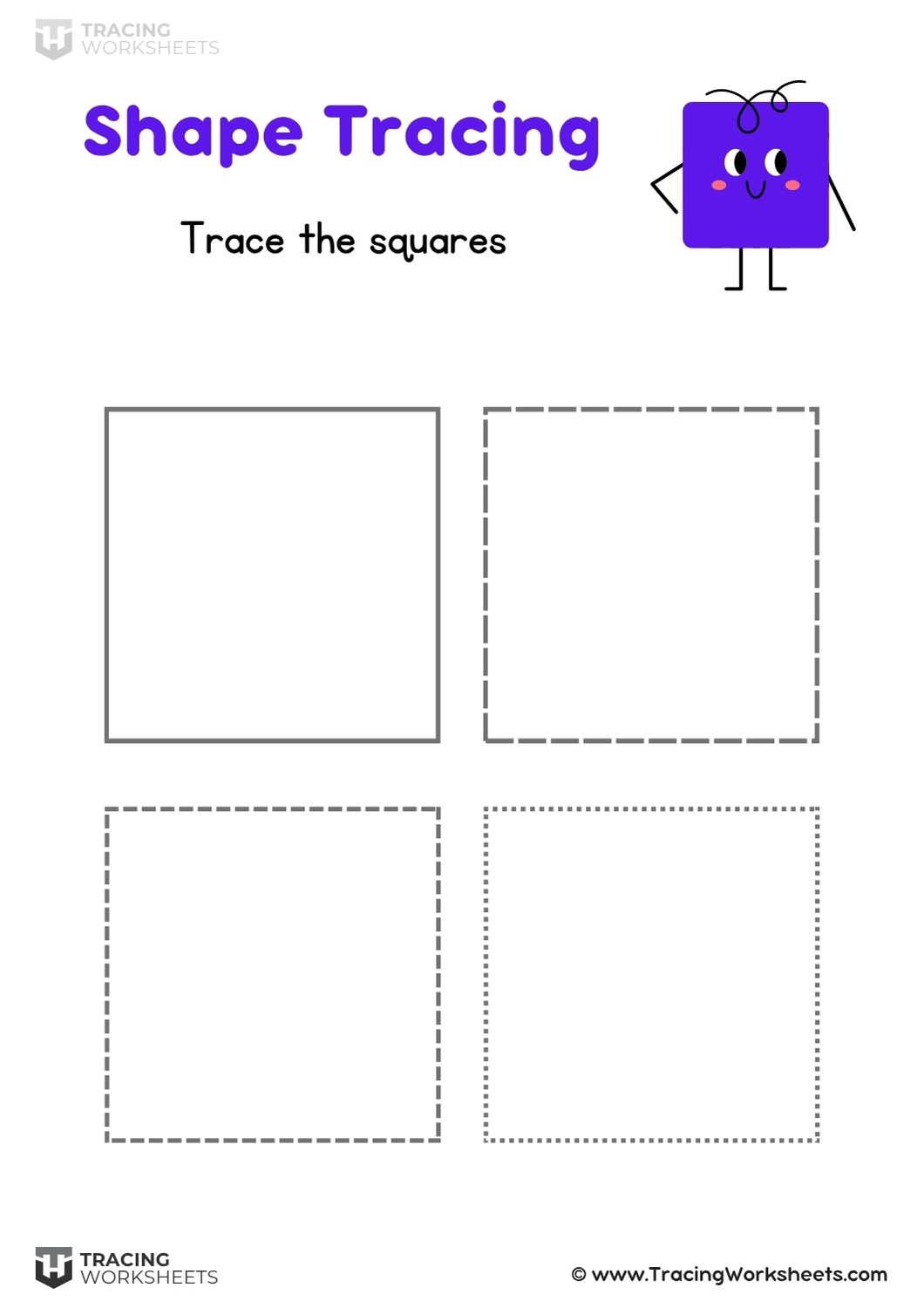
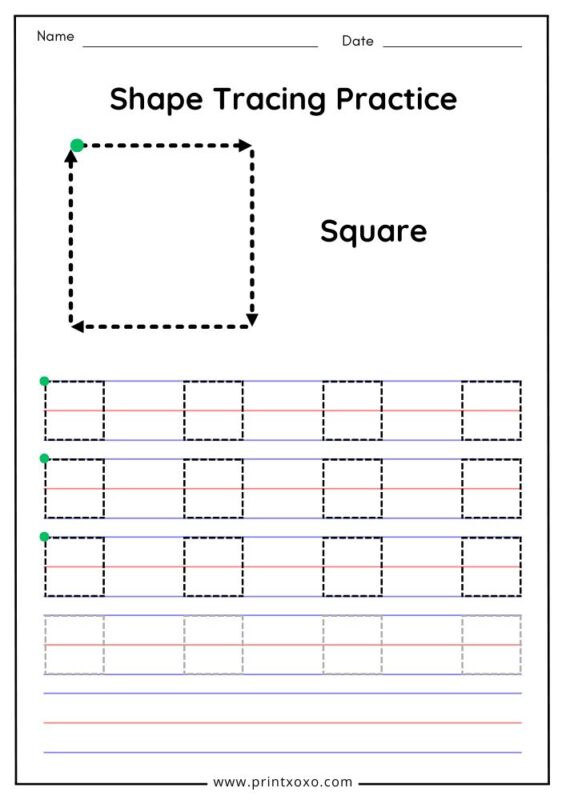
Many children recognize letters, numbers, and geometric shapes long before their fine motor control allows them to replicate those forms with a pencil. In occupational therapy and early childhood classrooms, bridging that gap requires intentional pre-writing foundations that teach spatial awareness and directional consistency. According to the American Occupational Therapy Association, foundational visual-motor and manipulation skills are essential precursors to functional handwriting and academic success. Mastering these prerequisites prevents early hand fatigue, awkward pencil grasps, and frustration during more complex writing tasks. The free printable tracing dotted square with arrow serves as a fundamental tool in this developmental progression. It translates abstract shape concepts into concrete motor plans, guiding little hands along predictable paths before introducing letters and numbers. By focusing on directional arrows and dotted boundaries, the activity transforms simple shape practice into purposeful neuromuscular training.
💡 Educational Key Takeaways:
- Core Skill: Structured Tracing Dotted Square With Arrow focused on developing pencil grip, stroke control, and early literacy/math confidence.
- Target Scope: Suited for homeschoolers, preschool, kindergarten, and elementary learners.
- Best Recommendation: Practice 10–15 minutes daily with ergonomic writing tools to reinforce muscle memory without hand fatigue.
What This Worksheet Covers
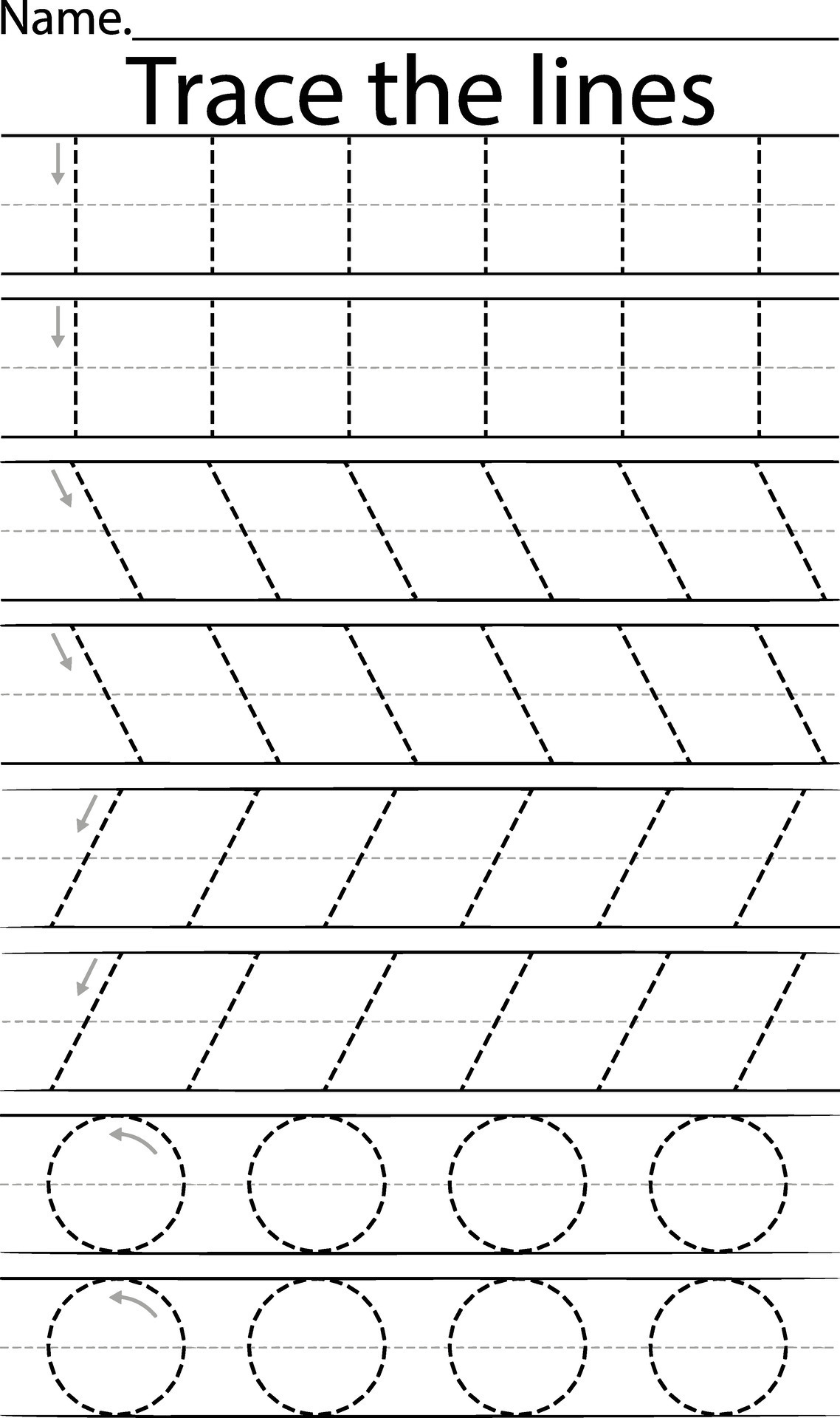
Geometric shapes provide the foundational architecture for all printed letters and numbers. A square, in particular, requires controlled straight lines, crisp ninety-degree corners, and deliberate hand-eye coordination to stop and change direction. When children engage with the tracing dotted square with arrow, they actively process visual boundaries, spatial orientation, and bilateral integration. Many young learners tend to rush through strokes or round sharp corners because maintaining tension in the intrinsic hand muscles requires sustained effort. This resource specifically targets pencil control by utilizing directional arrows that establish proper stroke sequence from top to bottom and left to right. Such intentional scaffolding promotes fluid visual tracking, which directly supports the visual perception required for reading and writing across a broader curriculum. For more related activities, check out our Diamond Line Tracing.
Key Learning Outcomes
Working through this guided shape exercise strengthens several interrelated developmental domains simultaneously. Children refine their fine motor control and bilateral coordination as one hand stabilizes the paper while the dominant hand executes the tracing stroke. According to the National Association for the Education of Young Children, active manipulation of art and writing tools fosters essential motor planning capabilities in early childhood. Learners also internalize crucial directional concepts like top, bottom, left, and right through tactile and visual feedback. Furthermore, completing the continuous path builds visual attention, persistence, and the sustained concentration necessary for academic readiness in preschool and kindergarten environments.
How to Use This Worksheet
Successful implementation goes beyond simply handing a child a pencil and a piece of paper. Educators and caregivers should first demonstrate the stroke by tracing the arrow and dotted lines with an index finger, verbalizing the direction out loud. This multi-sensory approach engages visual, auditory, and kinesthetic pathways simultaneously, cementing the motor plan in the child’s brain. If the pencil grip falters or the child squeezes the writing tool too tightly, pause the activity to introduce a shorter crayon or a specialized grip. It sounds simple, and that is the exact point. Keeping sessions brief, positive, and playful ensures that the hand muscles develop endurance without experiencing painful cramping or fatigue.
Practical Tips for Parents and Teachers
Scaffolding the experience allows children of varying developmental levels to find success and build confidence. For learners struggling with light pressure, placing the sheet over a textured surface or a slightly cushioned mat provides helpful tactile feedback through the pencil tip. When extending the activity for older or more advanced children, challenge them to lift the pencil at the corners to practice independent start-and-stop control rather than continuous looping. Modeling a relaxed tripod grasp during shared writing moments encourages children to mirror healthy hand mechanics naturally. Consistency matters far more than volume, so short, frequent tracing sessions yield much better long-term results than occasional marathon worksheets.
Age-Appropriate Recommendations
Developmental expectations vary significantly across the early childhood years. For toddlers and preschoolers aged two to four, shape tracing aligns closely with the early stages of the NAEYC Developmentally Appropriate Practice framework, focusing on gross motor integration, large arm movements, and basic vertical or horizontal line imitation. At this stage, thicker writing tools and larger tracing paths accommodate developing hand muscles. For children aged five to eight, the expectations shift toward precision, aligned with foundational writing standards where controlled corners and deliberate pencil stops become critical for letter formation. Introducing the Shape and Line Tracing collection helps bridge these developmental milestones smoothly. Educators can also integrate resources from Fine Motor and Pre-Writing Skills to build comprehensive hand strength prior to formal spelling tasks. For further skill extension, exploring Tracing Worksheets offers varied avenues for continuous growth.
Foundational visual-motor and manipulation skills are essential precursors to functional handwriting and academic success — American Occupational Therapy Association
Frequently Asked Questions
Answers to common questions regarding implementation and developmental benefits provide clarity for adults guiding early learners.
Explore More Free Printable Tracing Worksheets
Supporting a child’s journey toward confident writing involves a rich variety of engaging, developmentally appropriate practice materials. Finding the right tools to match a child’s current fine motor stage makes learning an enjoyable daily routine rather than a chore. Caregivers and educators can discover a vast array of resources tailored to every developmental milestone by visiting the complete library at KidTraces.com. Whether focusing on early pre-writing lines, letter formation, or seasonal themes, consistent practice builds a strong foundation for lifelong literacy success.
Developmental Milestone & Activity Table
| Development Stage | Recommended Daily Duration | Primary Learning Objective |
|---|---|---|
| Preschool & Pre-K | 10 – 15 Minutes | Pencil grip development & basic pre-stroke lines |
| Kindergarten | 15 – 20 Minutes | Letter/number formation & spatial line awareness |
| Early Elementary (Grade 1–2) | 20 – 30 Minutes | Fluency, sentence construction & neatness |
Images References