Introduction
Many young children recognize letters and shapes long before their fine motor control and hand strength are truly ready to form them on paper. According to the American Occupational Therapy Association, foundational fine motor skills—such as proper grasp and finger dexterity—are essential predictors of academic success and everyday functional independence. Translating visual understanding into physical penmanship requires bridging a significant neurological and muscular gap. It sounds simple, and that’s the point. Young learners need targeted, repetitive stroke practice to build the muscle memory required for confident handwriting. This developmental journey begins well before formal spelling or sentence composition takes root. Integrating curve circle pattern worksheets into early learning routines offers a structured pathway for developing this crucial pencil control. These resources systematically guide tiny hands through the continuous motions that form the basis of both letters and numbers.
💡 Educational Key Takeaways:
- Core Skill: Structured Curve Circle Pattern Worksheets focused on developing pencil grip, stroke control, and early literacy/math confidence.
- Target Scope: Suited for homeschoolers, preschool, kindergarten, and elementary learners.
- Best Recommendation: Practice 10–15 minutes daily with ergonomic writing tools to reinforce muscle memory without hand fatigue.
What This Worksheet Covers
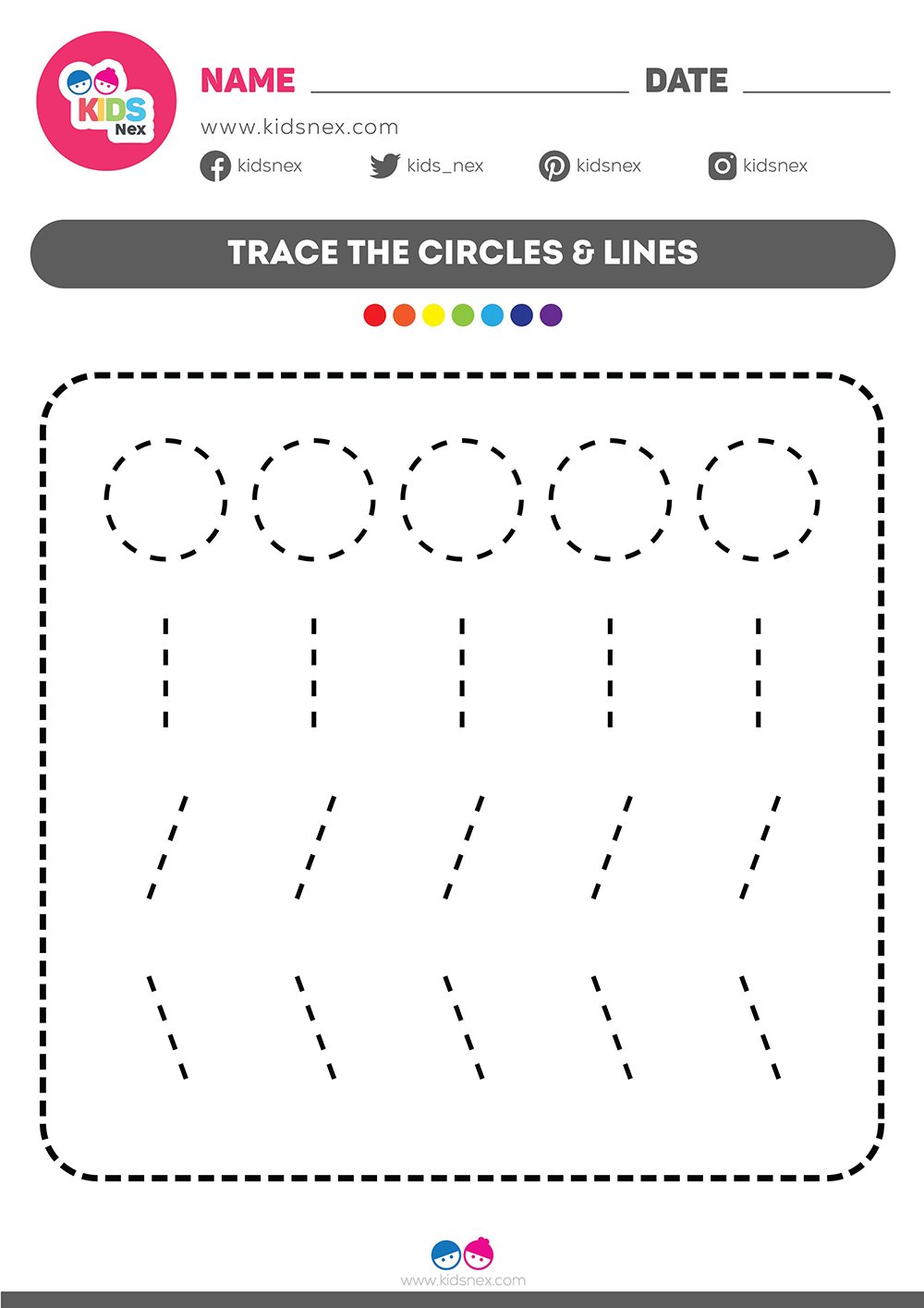
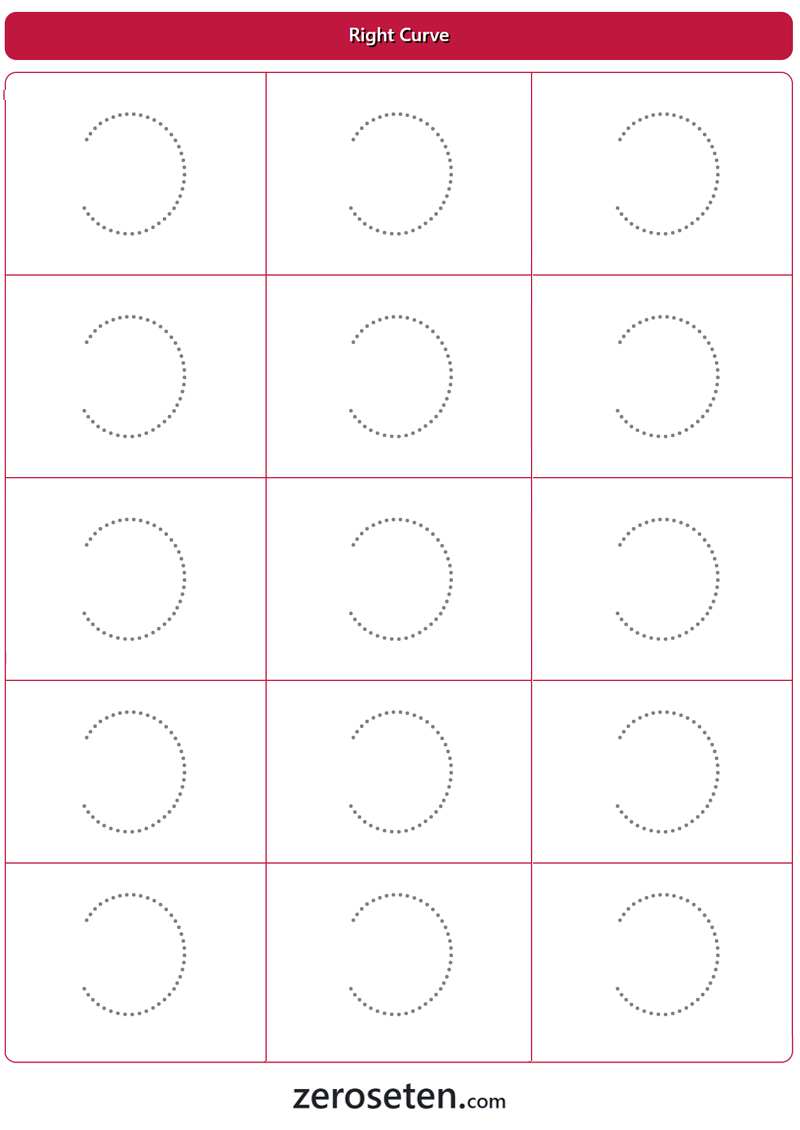
Pencil control is not something that appears overnight; it evolves through sequential mastery of vertical, horizontal, diagonal, and curved strokes. The curve circle pattern worksheets focus specifically on circular loops, sweeping arcs, and continuous rolling patterns that mimic the foundation of letters like ‘c’, ‘o’, ‘s’, and ‘e’. Instead of jumping straight into complex letter formation, children practice the fluid hand movements that prevent hand fatigue and cramping. Many children grip a writing utensil with a tight, full-fist grasp because their intrinsic hand muscles lack the stability needed for a dynamic tripod grasp. By tracing continuous curves and concentric circles, little fingers learn to regulate pressure and maintain consistent directional flow across the page. This targeted practice strengthens the small muscles in the palm while improving bilateral coordination, allowing one hand to stabilize the paper while the dominant hand executes the tracing path. For broader foundational skill-building, educators often pair these exercises with resources found in the Shape and Line Tracing section to reinforce early geometric control.
Key Learning Outcomes
Mastering continuous curved strokes yields rapid, noticeable improvements across several developmental domains. Children naturally refine their visual-motor integration, learning to coordinate what the eyes perceive with the exact physical path of the pencil. Muscle endurance builds steadily as hands glide through looping patterns without premature fatigue. Directionality and spatial awareness improve significantly, teaching learners how to navigate page boundaries from left to right and top to bottom. Children also develop reliable stroke fluidity, which minimizes jerky, interrupted movements that often plague early writers. Additional dexterity milestones can be explored further within the Fine Motor and Pre-Writing Skills directory.
How to Use This Worksheet
Maximizing the benefits of these tracing sheets requires thoughtful adult facilitation and an emphasis on process over perfection. According to Reading Rockets, early literacy and writing readiness flourish when children engage in playful, low-stress multisensory practice rather than rote drill-and-kill repetition. Adults should introduce the page by having children trace the curves with an index finger first to internalize the movement pattern kinesthetically. Providing shorter writing sessions prevents frustration and ensures that concentration remains high. When fatigue sets in, it is best to pause rather than force continued practice with a compromised pencil grasp.
Practical Tips for Parents and Teachers
Supporting a developing writer means observing grip mechanics closely and offering gentle, constructive redirection when tension arises. Modeling the correct dynamic tripod grip—where the pencil rests between the thumb and index finger while supported by the middle finger—sets children up for long-term writing comfort. Scaffolding the activity can involve starting with oversized crayons on thick paper before moving to standard pencils and printable sheets. Extending the learning comes naturally by asking children to describe the shapes they trace using descriptive vocabulary like round, looping, smooth, or continuous. When learners are ready for specific character formations, exploring the Dotted Letters For Tracing collection provides a seamless transition toward alphabet mastery.
Age-Appropriate Recommendations
Navigating the path of early childhood development requires aligning activities with recognized developmental milestones and educational frameworks. According to the National Association for the Education of Young Children (NAEYC) Developmentally Appropriate Practice guidelines, children aged two to four benefit most from large-scale motor patterns, such as drawing sweeping circles in the air, in sand, or on vertical surfaces, which engage larger shoulder and arm muscles. As children progress into the five-to-eight age bracket, expectations shift toward refined wrist and finger control, making structured curve circle pattern worksheets ideal for honing precision, pencil pressure regulation, and stamina during longer writing tasks.
Foundational fine motor skills are essential predictors of academic success and everyday functional independence — American Occupational Therapy Association
Frequently Asked Questions
Finding clear answers to common printing, developmental, and implementation questions helps adults make the most of these educational materials.
Early literacy and writing readiness flourish when children engage in playful, low-stress multisensory practice rather than rote drill — Reading Rockets
Explore More Free Printable Tracing Worksheets
Expanding a child’s collection of learning materials keeps engagement high and provides continuous challenges as fine motor abilities mature. A wide variety of supplementary practice materials, spanning everything from early geometric forms to letter sequencing, is always accessible to support home and classroom instruction. Discovering new ways to make handwriting practice enjoyable ensures that children remain confident and eager learners throughout their early educational journey. Explore the complete library of resources available anytime at KidTraces.com to find additional tools tailored to every stage of pre-writing development.
Developmental Milestone & Activity Table
| Development Stage | Recommended Daily Duration | Primary Learning Objective |
|---|---|---|
| Preschool & Pre-K | 10 – 15 Minutes | Pencil grip development & basic pre-stroke lines |
| Kindergarten | 15 – 20 Minutes | Letter/number formation & spatial line awareness |
| Early Elementary (Grade 1–2) | 20 – 30 Minutes | Fluency, sentence construction & neatness |
Images References