Introduction
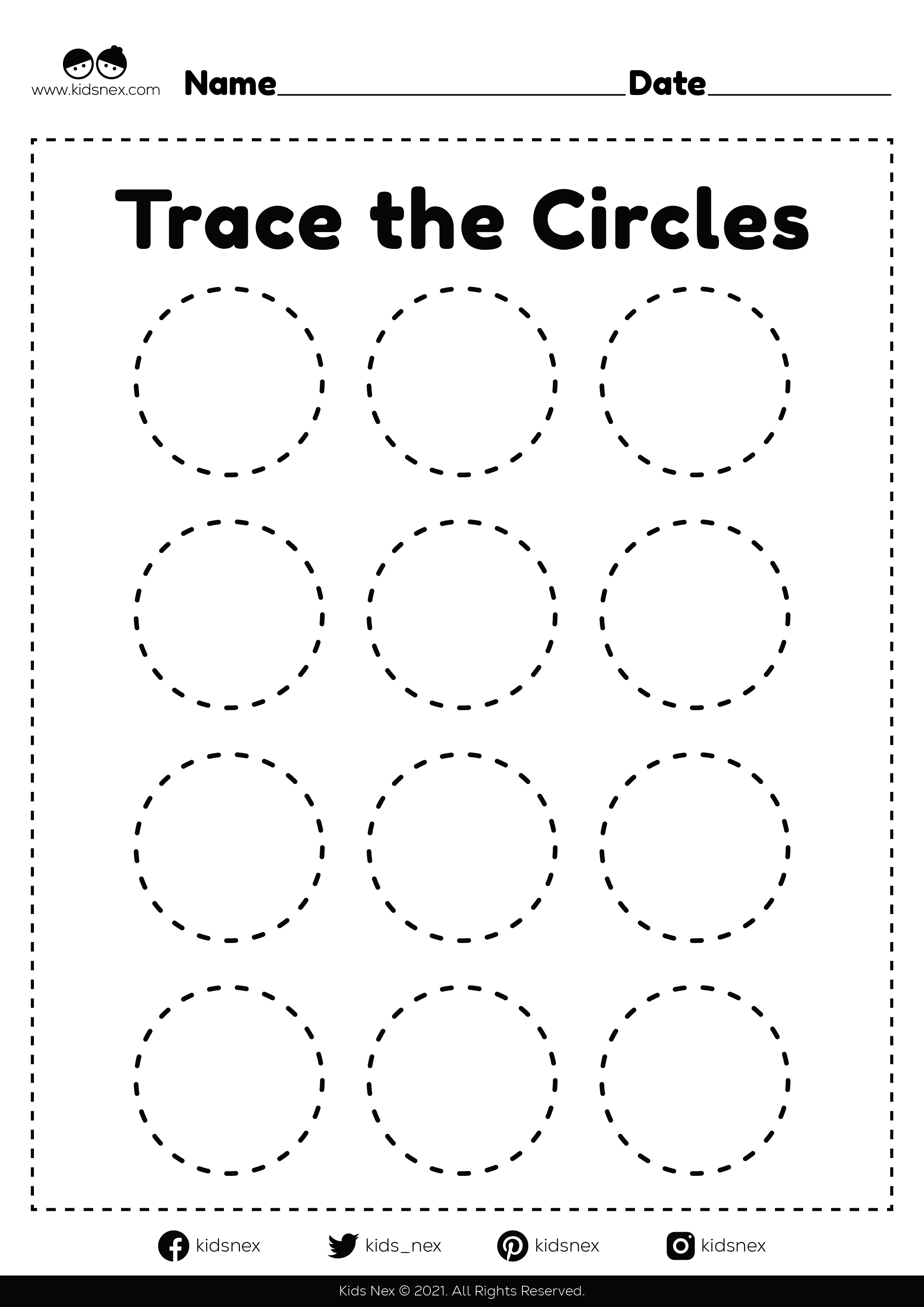
Many young children recognize letters and shapes long before their fine motor control allows them to form those same patterns on paper. According to the American Occupational Therapy Association, foundational pencil control relies heavily on the coordinated development of intrinsic hand muscles, visual-motor integration, and postural stability. Educators frequently observe enthusiastic learners gripping crayons with full fists, eager to write but lacking the necessary stroke precision. Bridging that gap requires purposeful practice materials that isolate specific pre-writing movements. The free printable half circle tracing shape for p.g provides targeted stroke isolation to help young hands build the muscle memory required for curved letter formation.
💡 Educational Key Takeaways:
- Core Skill: Structured Half Circle Tracing Shape For P.G focused on developing pencil grip, stroke control, and early literacy/math confidence.
- Target Scope: Suited for homeschoolers, preschool, kindergarten, and elementary learners.
- Best Recommendation: Practice 10–15 minutes daily with ergonomic writing tools to reinforce muscle memory without hand fatigue.
What This Worksheet Covers
Mastering curved lines is an essential stepping stone in the journey from scribbling to legible handwriting. This resource specifically isolates the semi-circle curve, which serves as the foundational building block for lowercase letters such as c, o, a, d, g, and q. When children trace these curved paths, they train their eyes to track visual boundaries while teaching their hands to modulate pressure and direction simultaneously. It sounds simple, and that is precisely the point. By stripping away complex letter formations, the activity allows developing writers to focus entirely on maintaining continuous contact with the paper and executing smooth, controlled arcs.
Key Learning Outcomes
Focused practice with curved lines yields noticeable improvements in multiple developmental domains. Learners naturally refine their visual-motor integration as their eyes guide their hands along the dotted pathways. Working through these exercises also strengthens bilateral coordination, as one hand stabilizes the paper while the dominant hand executes the tracing motion. Furthermore, children develop directional awareness by repeatedly practicing left-to-right and top-to-bottom trajectories. These foundational experiences directly support broader Fine Motor and Pre-Writing Skills that educators rely on for daily classroom tasks.
How to Use This Worksheet
Success with pre-writing sheets depends heavily on the physical environment and the approach taken by the adult guiding the activity. Begin by ensuring the seating arrangement promotes stability, with the child’s feet flat on the floor and hips at a ninety-degree angle. Encourage a functional grasp, but avoid rigid corrections that cause hand fatigue or frustration. Instead of rushing through the entire page, limit sessions to short, five-minute intervals to maintain engagement and prevent muscle strain. Integrating these targeted exercises complements broader practice found within Shape and Line Tracing collections.
Practical Tips for Parents and Teachers
Adults play a vital role in scaffolding these early tracing experiences for maximum developmental benefit. Start by demonstrating the stroke in the air or on a vertical surface, which naturally engages larger shoulder and elbow muscles before transitioning to tabletop paper work. According to the National Association for the Education of Young Children, young children learn best through active exploration and multi-sensory engagement, so consider letting learners trace the half-circle shapes with textured materials or finger paint before picking up a pencil. When pencil use begins, gently guide the hand through the initial strokes to provide tactile feedback on curve tension and directionality. If a child shows signs of fatigue, pause the activity immediately to preserve a positive association with writing tasks.
Age-Appropriate Recommendations
Developmental readiness spans a wide spectrum between toddlerhood and early elementary school. For younger children around ages two to four, the focus aligns with the National Association for the Education of Young Children Developmentally Appropriate Practice guidelines, emphasizing gross motor arm movements, large multi-sensory tracing, and exploration of basic curved lines without strict boundaries. As children advance into kindergarten and early primary grades around ages five to eight, expectations shift toward precise pencil control, proper stroke sequence, and consistent adherence to guided lines. During these later stages, learners can successfully integrate curved shape tracing directly into alphabet mastery, connecting their half-circle practice with resources like Dotted Letters For Tracing to form complete letters.
Foundational hand muscle development and visual-motor integration are key predictors of early writing fluency and stroke accuracy. — American Occupational Therapy Association
Frequently Asked Questions
Explore More Free Printable Tracing Worksheets
Expanding a child’s pre-writing toolkit involves introducing diverse stroke patterns, shapes, and thematic exercises that keep engagement high. Exploring a wide variety of guided printables helps reinforce muscle memory without causing burnout or repetitive strain. Caregivers and educators can discover an extensive array of supplementary resources designed to support every stage of early writing development by visiting the complete library at KidTraces.com.
Developmental Milestone & Activity Table
| Development Stage | Recommended Daily Duration | Primary Learning Objective |
|---|---|---|
| Preschool & Pre-K | 10 – 15 Minutes | Pencil grip development & basic pre-stroke lines |
| Kindergarten | 15 – 20 Minutes | Letter/number formation & spatial line awareness |
| Early Elementary (Grade 1–2) | 20 – 30 Minutes | Fluency, sentence construction & neatness |
Images References