Introduction
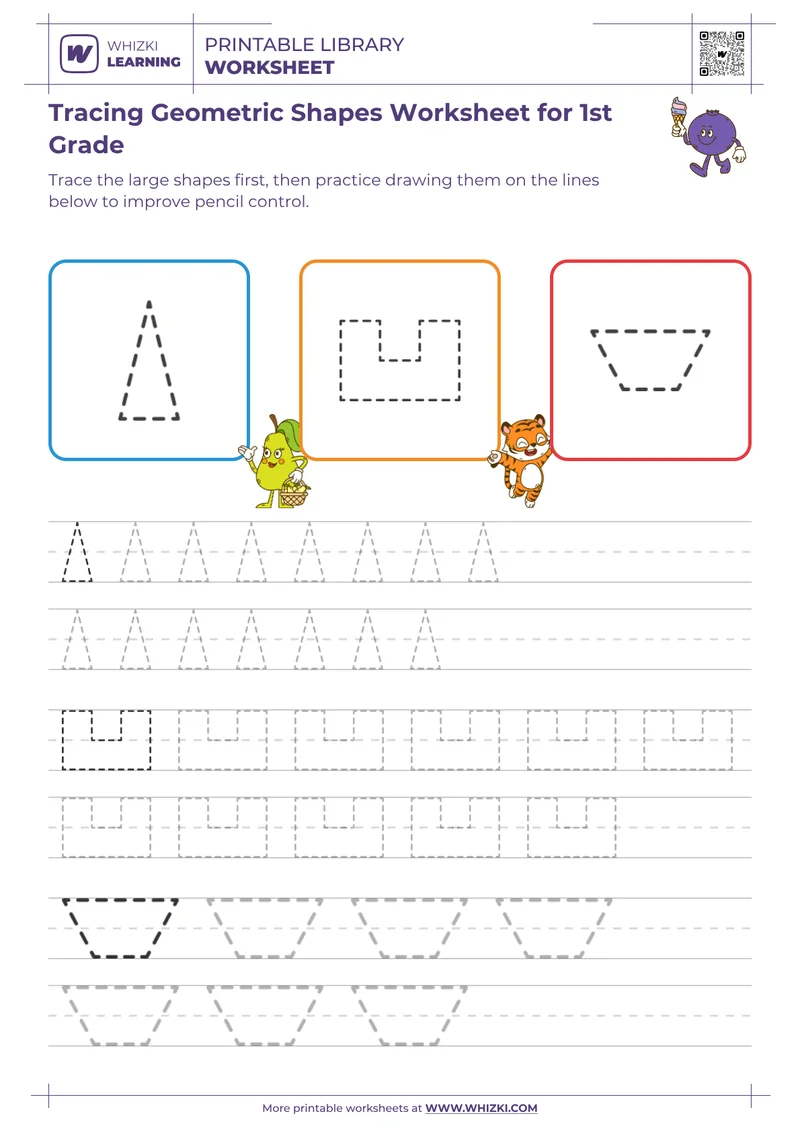
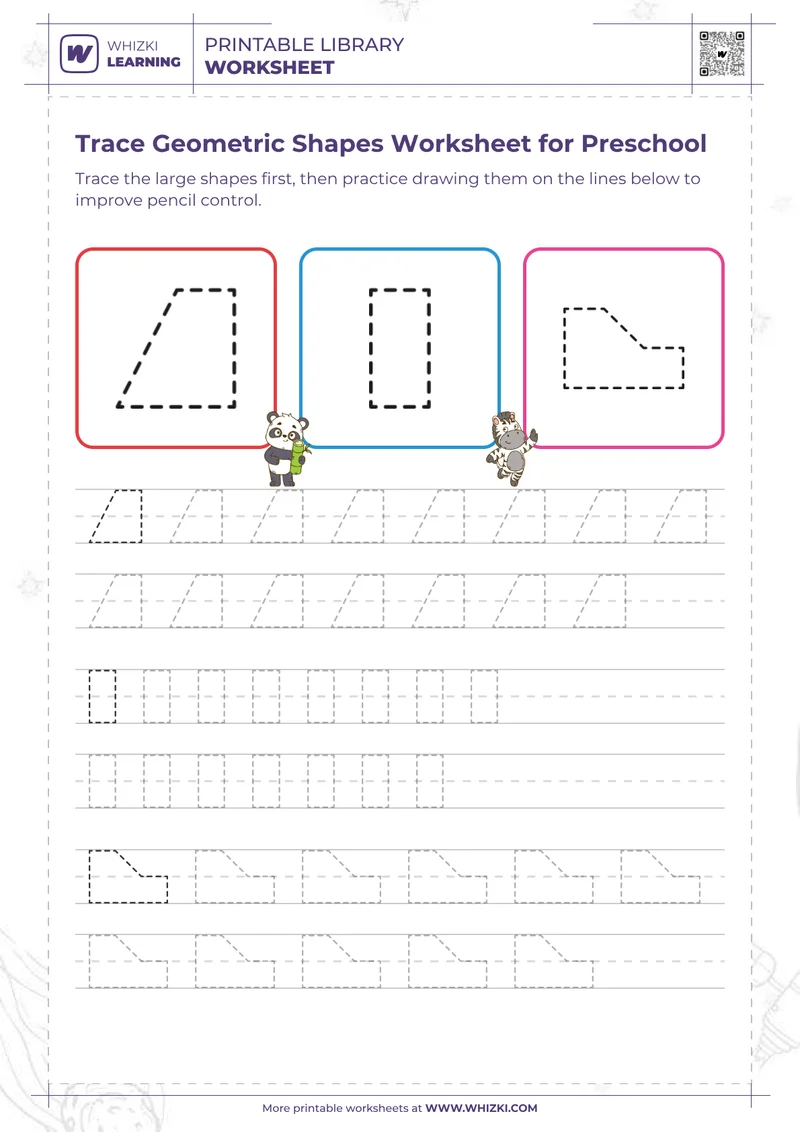
Many young children recognize letters and symbols long before their fine motor control and hand muscles are ready to form those complex shapes on paper. According to the American Occupational Therapy Association, foundational fine motor control relies heavily on the early mastery of basic geometric shapes, which serve as the visual and motor building blocks for future handwriting. Educators frequently observe children who can read a word effortlessly yet struggle to control a pencil along a consistent path. Bridging that gap requires purposeful practice that isolates pre-writing strokes from the immediate pressure of letter formation. The geometric shape tracing activity,1″,0″,0%”,10″” provides an engaging, structured bridge for children developing essential pencil control. It sounds simple, and that is the exact point. By removing the cognitive load of spelling or memorizing letter sequences, young learners can concentrate entirely on spatial awareness, visual-motor integration, and steady hand movements.
💡 Educational Key Takeaways:
- Core Skill: Structured Geometric Shape Tracing Activity”,1″,0″,0%”,10″ focused on developing pencil grip, stroke control, and early literacy/math confidence.
- Target Scope: Suited for homeschoolers, preschool, kindergarten, and elementary learners.
- Best Recommendation: Practice 10–15 minutes daily with ergonomic writing tools to reinforce muscle memory without hand fatigue.
What This Worksheet Covers
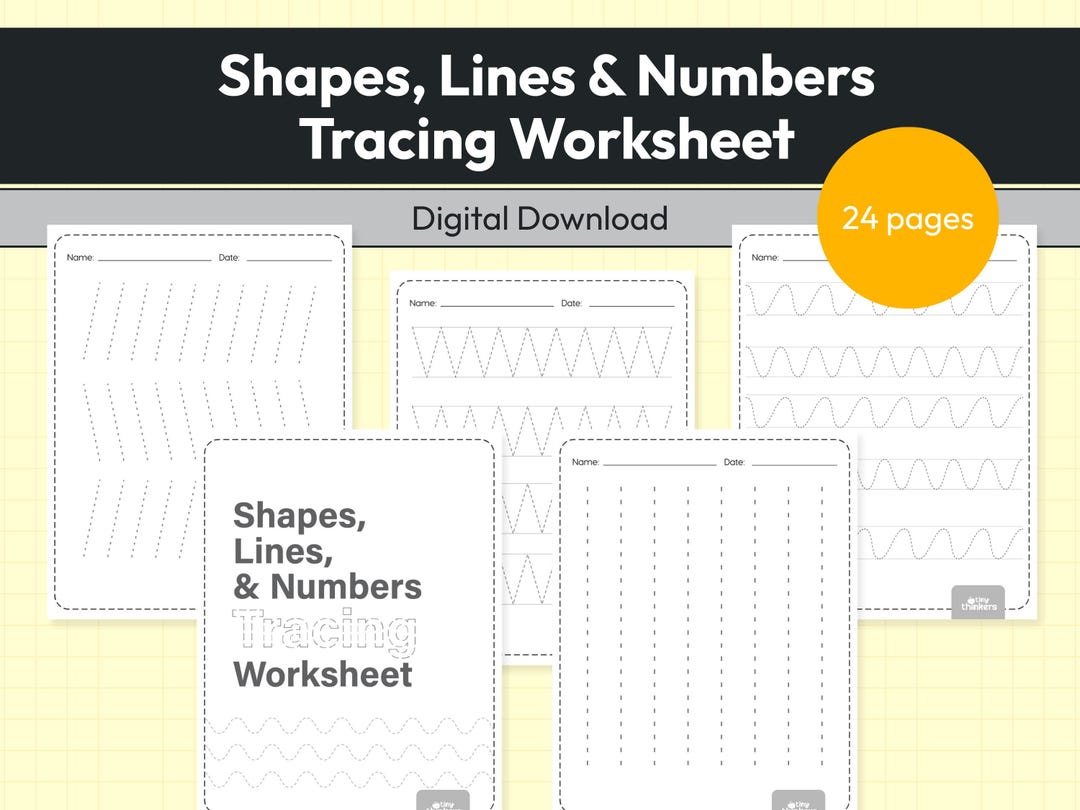
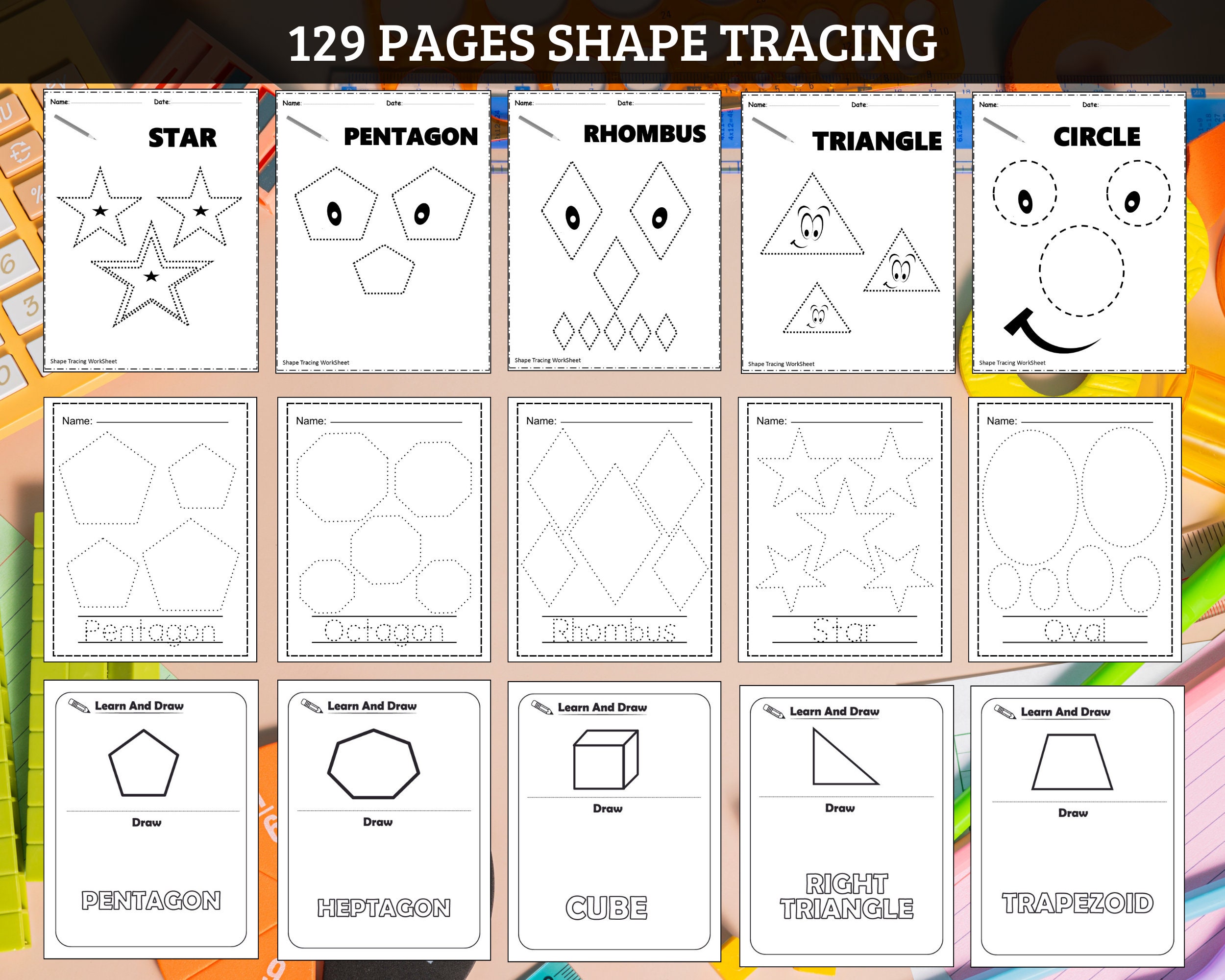
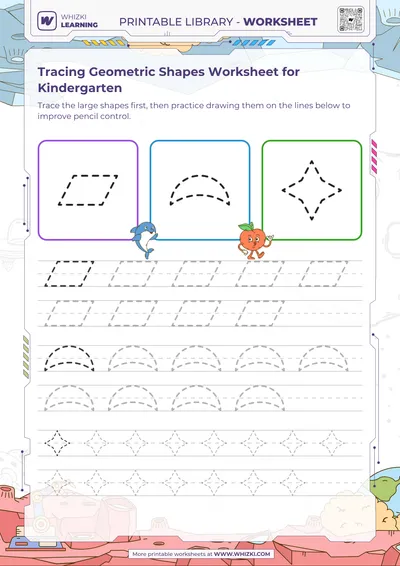
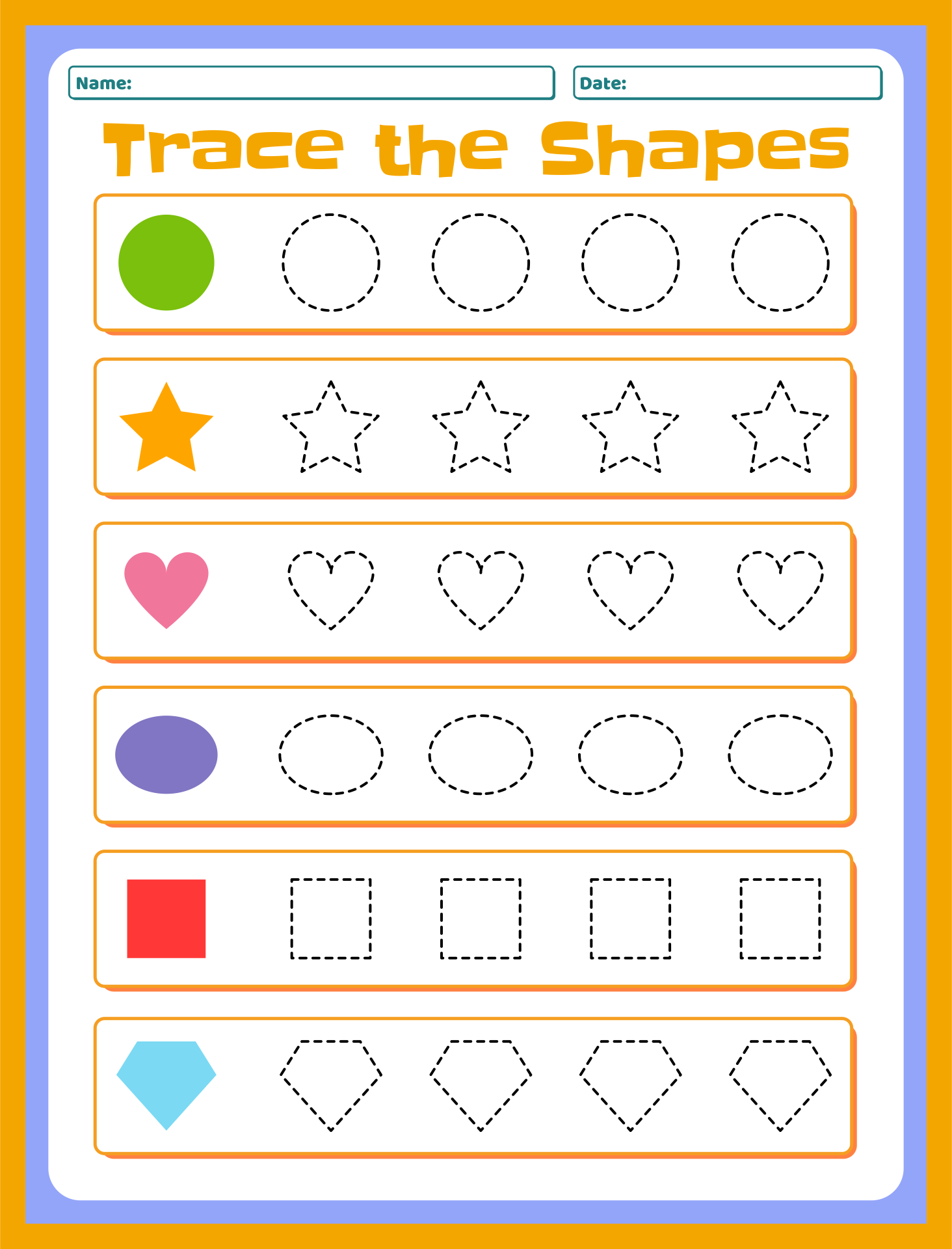
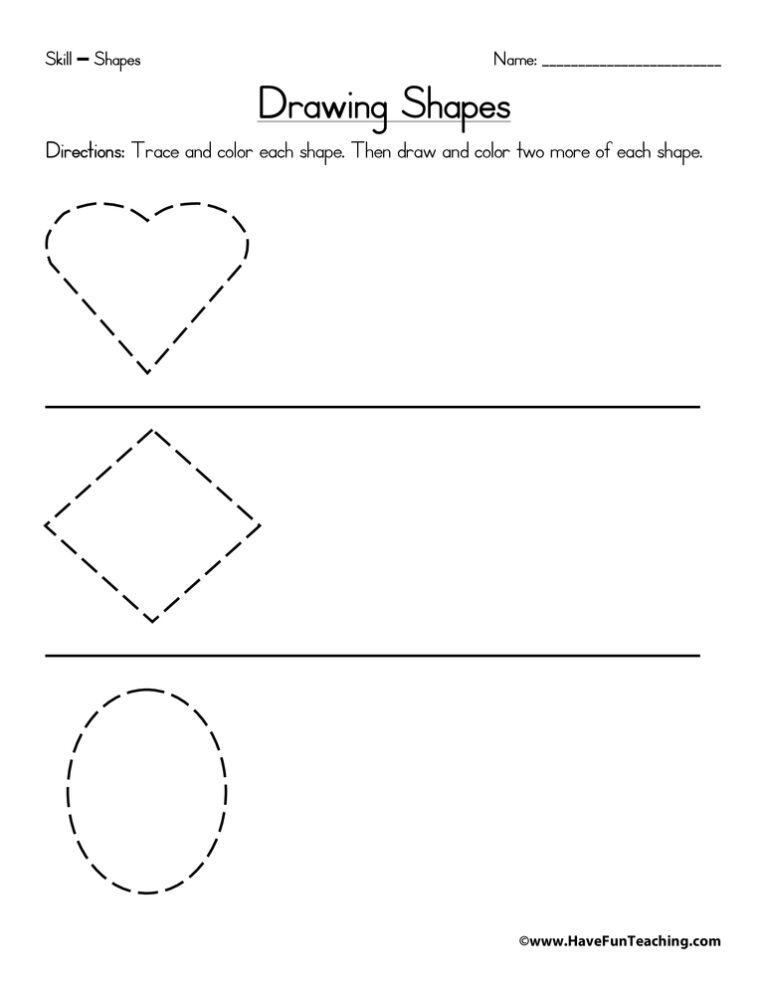
This specialized printable targets the foundational stroke patterns required for both art and literacy. Circles, squares, triangles, and rectangles demand distinct pencil movements, including continuous curves, sharp angular direction changes, and precise stopping points. Mastering these shapes supports the development of the Fine Motor and Pre-Writing Skills necessary for academic success. Children practice moving across the midline, sustaining controlled pressure, and coordinating both sides of the body through visual tracking. The layout introduces shapes in a logical developmental sequence, moving from simple curved lines to more complex intersecting angles. This progression aligns with clinical observations in pediatric therapy rooms, where successful mastery of a circle typically precedes the ability to accurately draw a diagonal cross or a square.
Key Learning Outcomes
Engaging with this resource yields multiple developmental benefits that extend far beyond simple tracing. Learners develop enhanced hand-eye coordination as their eyes guide the pencil tip smoothly along dotted pathways. Wrist stability and intrinsic hand muscle strength improve naturally as children sustain proper grip pressure across various geometric angles. Spatial perception is sharpened because the activity requires understanding boundaries, corners, and directional shifts on a two-dimensional plane. Additionally, concentration and visual attention span expand as children complete each distinct shape from start to finish. Finally, foundational confidence blossoms when young learners realize they can successfully control a writing utensil to create recognizable geometric forms.
How to Use This Worksheet
Facilitating this activity effectively involves more than simply handing a child a pencil and a paper. Establishing a comfortable physical workspace ensures optimal posture, with feet flat on the floor and elbows resting comfortably at a ninety-degree angle on the table. Encouraging an efficient tripod grasp prevents early hand fatigue, though alternative grasps should be supported gently if hand strength is still developing. Educators and caregivers can guide the child to start tracing at the designated visual cue points, usually marked with a clear dot or arrow, to reinforce consistent directional habits. According to the National Association for the Education of Young Children, scaffolding children through playful, hands-on modeling produces deeper skill retention than rote repetition alone. Exploring related resources via Shape and Line Tracing can further reinforce these foundational movement patterns.
Practical Tips for Parents and Teachers
Creating a supportive learning environment requires patience and an understanding of individual developmental timelines. Adults can model the correct starting point and directional stroke in the air or on a separate sheet before the child attempts the paper. Scaffolding the activity down can involve using thicker markers or tracing over raised tactile shapes if visual-motor control is initially challenging. Conversely, extending the learning can involve asking the child to identify objects in the room that match the traced shapes, bridging paper practice with the physical world. For children exploring early literacy paths alongside motor work, reviewing materials found in Dotted Letters For Tracing provides a seamless next step once shape control is established. Keeping sessions short, positive, and pressure-free ensures that children associate writing practice with enjoyment rather than frustration.
Age-Appropriate Recommendations
Developmental expectations vary significantly across early childhood, making age-targeted placement essential. For toddlers and preschoolers ages two through four, the focus centers on basic imitation and tracing of vertical lines, horizontal lines, and simple circles, aligning with the early benchmarks of the CDC developmental milestones. At this stage, chunky crayons or short pencils encourage a natural palmar or digital pronate grasp that transitions organically into a mature tripod grip. For children ages five through eight, expectations advance toward independent copying and precise closure of complex shapes like triangles, diamonds, and rectangles. This older group benefits from refining stroke pressure and directional flow, which directly supports formal handwriting instruction found in school curricula. Integrating broader general resources through the General Kidtraces collection helps maintain a balanced approach to overall early childhood readiness.
Foundational motor control and shape recognition serve as the primary physical precursors to legible handwriting and spatial organization in early childhood education. — American Occupational Therapy Association
Frequently Asked Questions
Caregivers and educators frequently have practical questions about implementing tracing printables effectively in home and classroom environments. Clear, direct answers help streamline the preparation process and maximize developmental benefits for young learners.
Consistent engagement with structured tracing sheets significantly improves pencil grip strength, spatial awareness, and fine motor precision in children ages three to six. — National Association for the Education of Young Children
Explore More Free Printable Tracing Worksheets
Supporting a child through early childhood development is an ongoing journey that benefits from a wide variety of engaging, accessible resources. Beyond geometric practice, children often thrive when exploring themed activities, early literacy exercises, and numerical foundations. A comprehensive library of free materials awaits at KidTraces.com, designed specifically to nurture confidence and skill acquisition at every developmental stage. Whether exploring Alphabet And Numbers Tracing or discovering new seasonal ideas within Seasonal and Fun Themes, every printable aims to make foundational learning both joyful and effective.
Developmental Milestone & Activity Table
| Development Stage | Recommended Daily Duration | Primary Learning Objective |
|---|---|---|
| Preschool & Pre-K | 10 – 15 Minutes | Pencil grip development & basic pre-stroke lines |
| Kindergarten | 15 – 20 Minutes | Letter/number formation & spatial line awareness |
| Early Elementary (Grade 1–2) | 20 – 30 Minutes | Fluency, sentence construction & neatness |
Images References