Introduction
Many children recognize letters and symbols long before their fine motor skills can actually form them on paper. This common gap between cognitive understanding and physical execution often leads to frustration during early writing instruction. According to the American Occupational Therapy Association, foundational fine motor control and visual-motor integration are essential prerequisites for successful academic performance and functional handwriting. Bridging this gap requires targeted preparatory exercises that build hand strength without the pressure of forming complex letters right away. Free printable large shape tracing sheets offer an ideal entry point by allowing young learners to master foundational strokes through oversized geometric visuals. These resources establish the crucial hand-eye coordination needed before progressing to more demanding tasks found in Shape and Line Tracing collections.
💡 Educational Key Takeaways:
- Core Skill: Structured Large Shape Tracing focused on developing pencil grip, stroke control, and early literacy/math confidence.
- Target Scope: Suited for homeschoolers, preschool, kindergarten, and elementary learners.
- Best Recommendation: Practice 10–15 minutes daily with ergonomic writing tools to reinforce muscle memory without hand fatigue.
What This Worksheet Covers
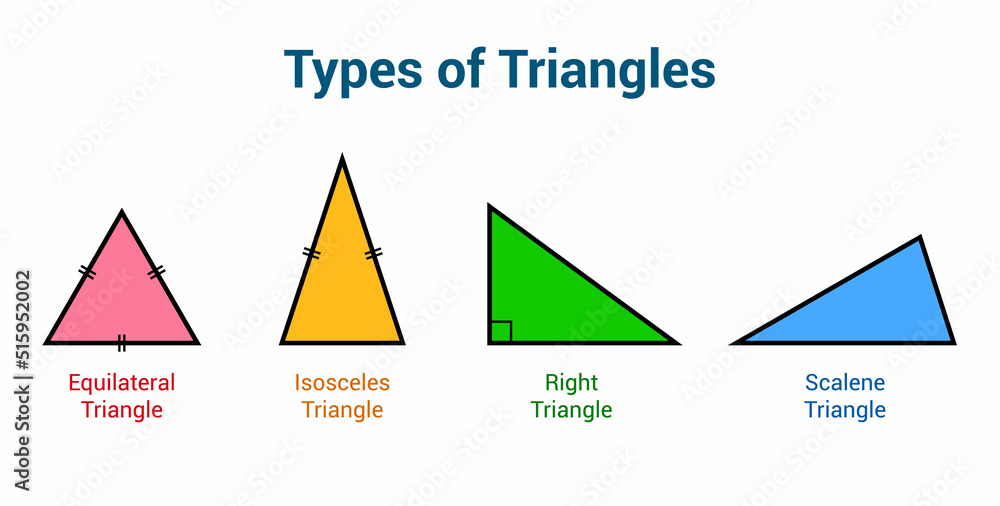
Large shape tracing materials focus heavily on foundational pre-writing strokes, directional consistency, and visual-motor control. Instead of jumping straight into letters, these printables feature expansive circles, squares, triangles, and diamonds designed to engage larger muscle groups in the hand and wrist. Working with oversized boundaries helps learners understand spatial awareness and boundary control on a blank page. Mastering these basic geometric forms naturally prepares tiny hands for the curves and straight lines required in Fine Motor and Pre-Writing Skills development.
Key Learning Outcomes
Engaging with large shape tracing supports the development of sustained visual attention and bilateral hand coordination. Learners build intrinsic hand muscle strength and improve pencil pressure regulation as they navigate continuous lines. Additionally, repeated exposure to these shapes reinforces directional vocabulary such as top, bottom, curve, and corner. These targeted outcomes provide a robust foundation that later supports precision tasks such as Dotted Letters For Tracing activities.
How to Use This Worksheet
Setting up the environment plays a massive role in successful tracing sessions. Slant boards or vertical surfaces encourage a natural wrist extension, which aligns the hand bones correctly for a functional pencil grasp. It sounds simple, and that is the point. Placing the worksheet on an easel or taping it to a wall transforms a simple desk activity into a therapeutic gross-to-fine motor exercise that engages the shoulder and core stability necessary for handwriting endurance.
Practical Tips for Parents and Teachers
Adults should model correct grip mechanics while encouraging relaxed hand postures rather than rigid enforcement. Scaffolding the activity can involve starting with thick markers on heavy cardstock before transitioning to standard pencils and regular paper. Extending the learning happens naturally when children trace tactile versions made of yarn or playdough before putting a writing utensil to the page. Celebrating smooth, continuous motions rather than absolute perfection keeps motivation high during early intervention sessions.
Age-Appropriate Recommendations
For toddlers and preschoolers aged two to four, large shape tracing aligns closely with the National Association for the Education of Young Children guidelines for developmentally appropriate practice, emphasizing sensory exploration and gross motor integration. Children in this bracket benefit from tracing gigantic shapes with thick crayons or finger paints. For older children aged five to eight, these large shapes serve as a warm-up tool to refine pencil control and fluid movement before tackling complex writing tasks featured in Alphabet And Numbers Tracing curricula.
According to the Centers for Disease Control and Prevention developmental milestones, young children typically develop the ability to copy simple shapes like circles and vertical lines between the ages of three and four. — CDC
Frequently Asked Questions
Navigating early childhood writing tools can raise numerous questions for educators and caregivers alike. Below are direct answers to common inquiries regarding formatting, skill progression, and developmental milestones.
Explore More Free Printable Tracing Worksheets
Supporting a young learner requires a diverse array of practice materials tailored to every developmental stage. Expanding beyond geometric designs helps maintain high engagement levels through novel themes and structured challenges. The complete collection of resources available at KidTraces.com provides endless opportunities to nurture early literacy and pencil control. Exploring categories like Seasonal and Fun Themes ensures that handwriting practice always remains an enjoyable part of the daily routine.
Developmental Milestone & Activity Table
| Development Stage | Recommended Daily Duration | Primary Learning Objective |
|---|---|---|
| Preschool & Pre-K | 10 – 15 Minutes | Pencil grip development & basic pre-stroke lines |
| Kindergarten | 15 – 20 Minutes | Letter/number formation & spatial line awareness |
| Early Elementary (Grade 1–2) | 20 – 30 Minutes | Fluency, sentence construction & neatness |
Images References