Introduction
Many children recognize letters, numbers, and symbols long before their fine motor skills can actually form them on paper. This common disconnect often catches adults off guard, leading to premature pushes for letter drills. According to the American Occupational Therapy Association, foundational motor control and sensorimotor experiences must be established before complex handwriting tasks can be mastered successfully. Bridging this visual-motor gap requires targeted pre-writing practice that focuses on hand strength, spatial awareness, and stroke control rather than rote copying. Age 4 shape tracing activities serve as an essential stepping stone in this developmental journey, giving developing hands the foundational geometry needed for future literacy success. These resources transform abstract lines into concrete physical motions, building the precise muscle memory required for confident pencil handling.
💡 Educational Key Takeaways:
- Core Skill: Structured Age 4 Shape Tracing Activities focused on developing pencil grip, stroke control, and early literacy/math confidence.
- Target Scope: Suited for homeschoolers, preschool, kindergarten, and elementary learners.
- Best Recommendation: Practice 10–15 minutes daily with ergonomic writing tools to reinforce muscle memory without hand fatigue.
What This Worksheet Covers
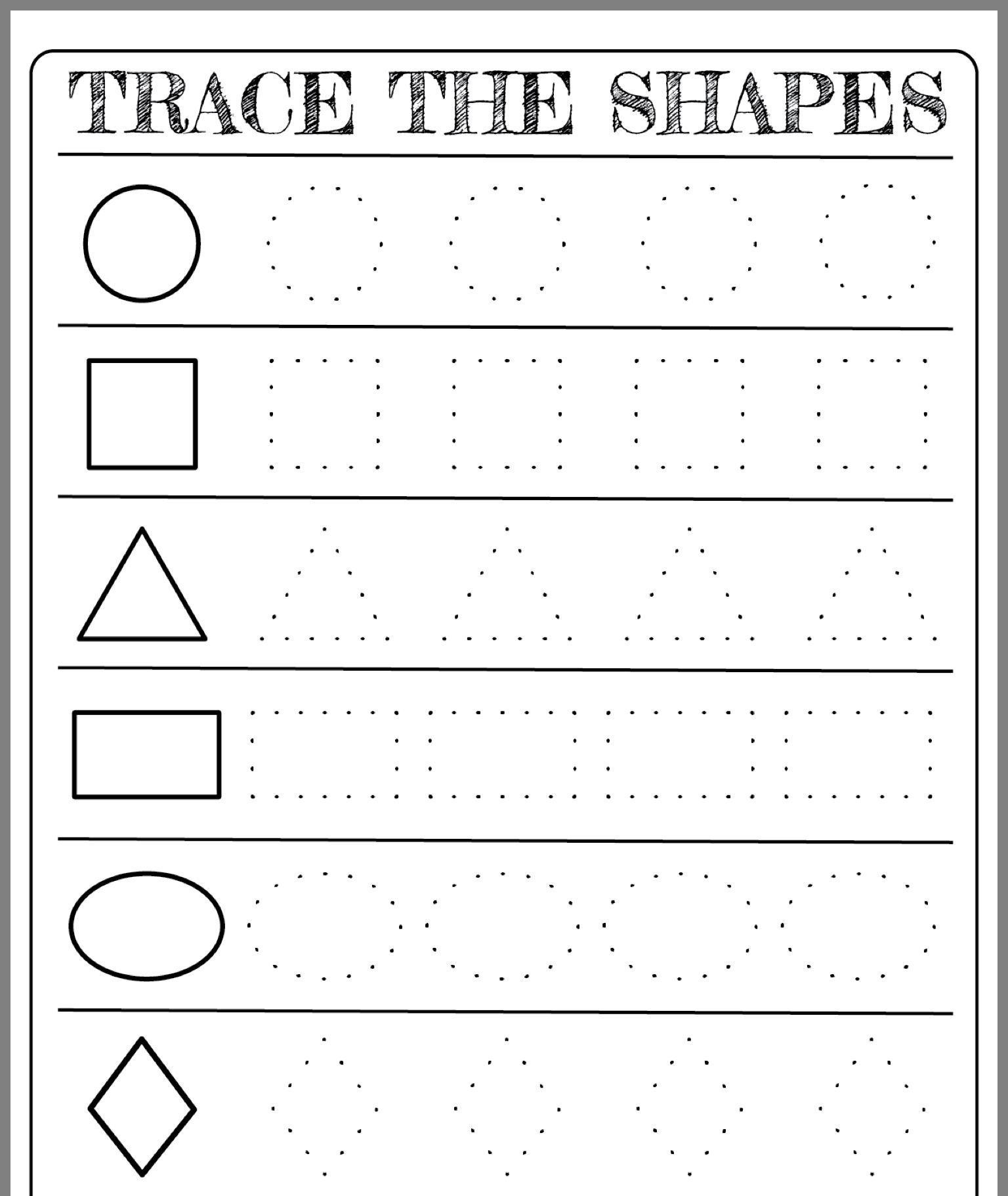
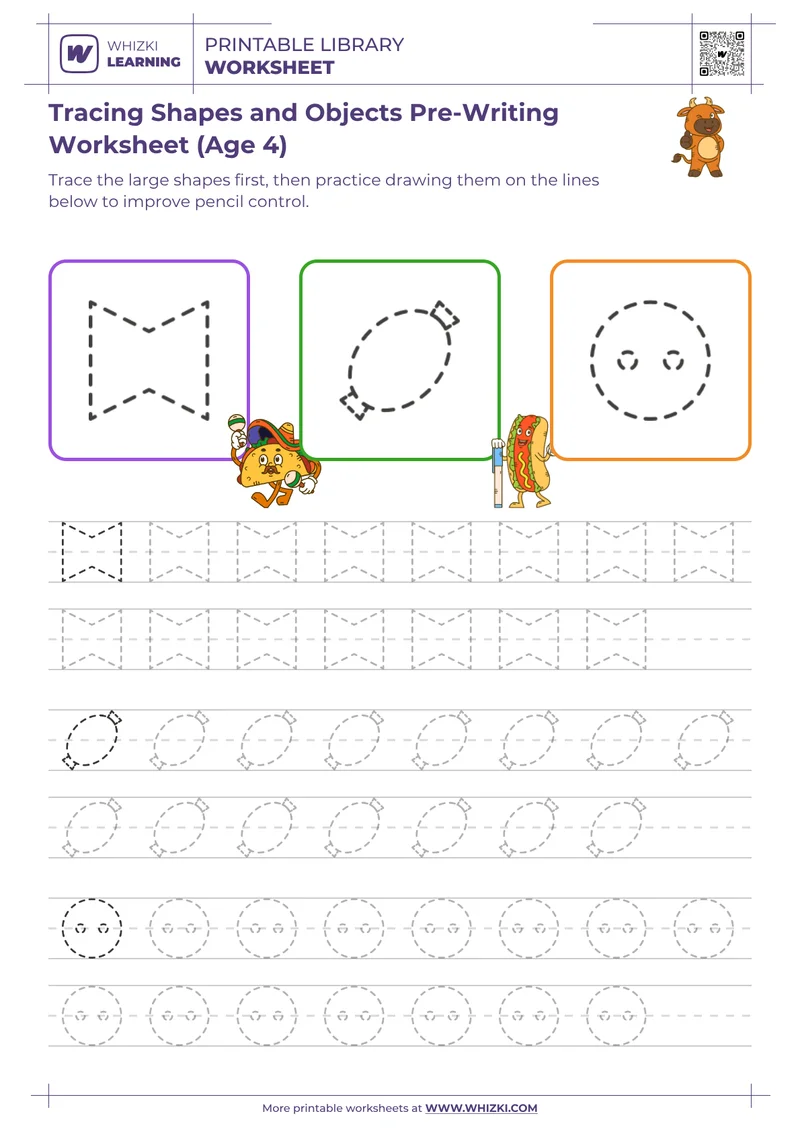
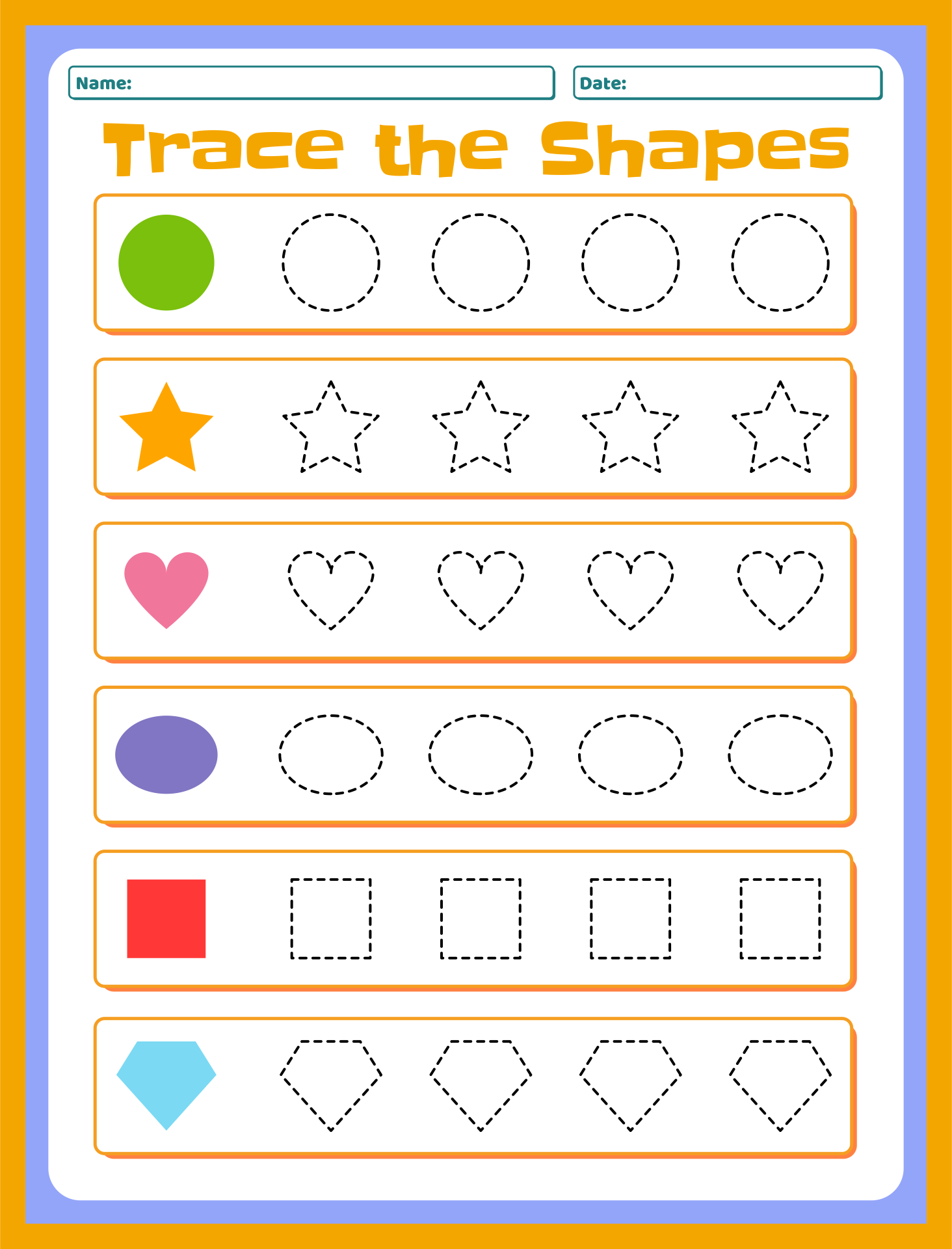
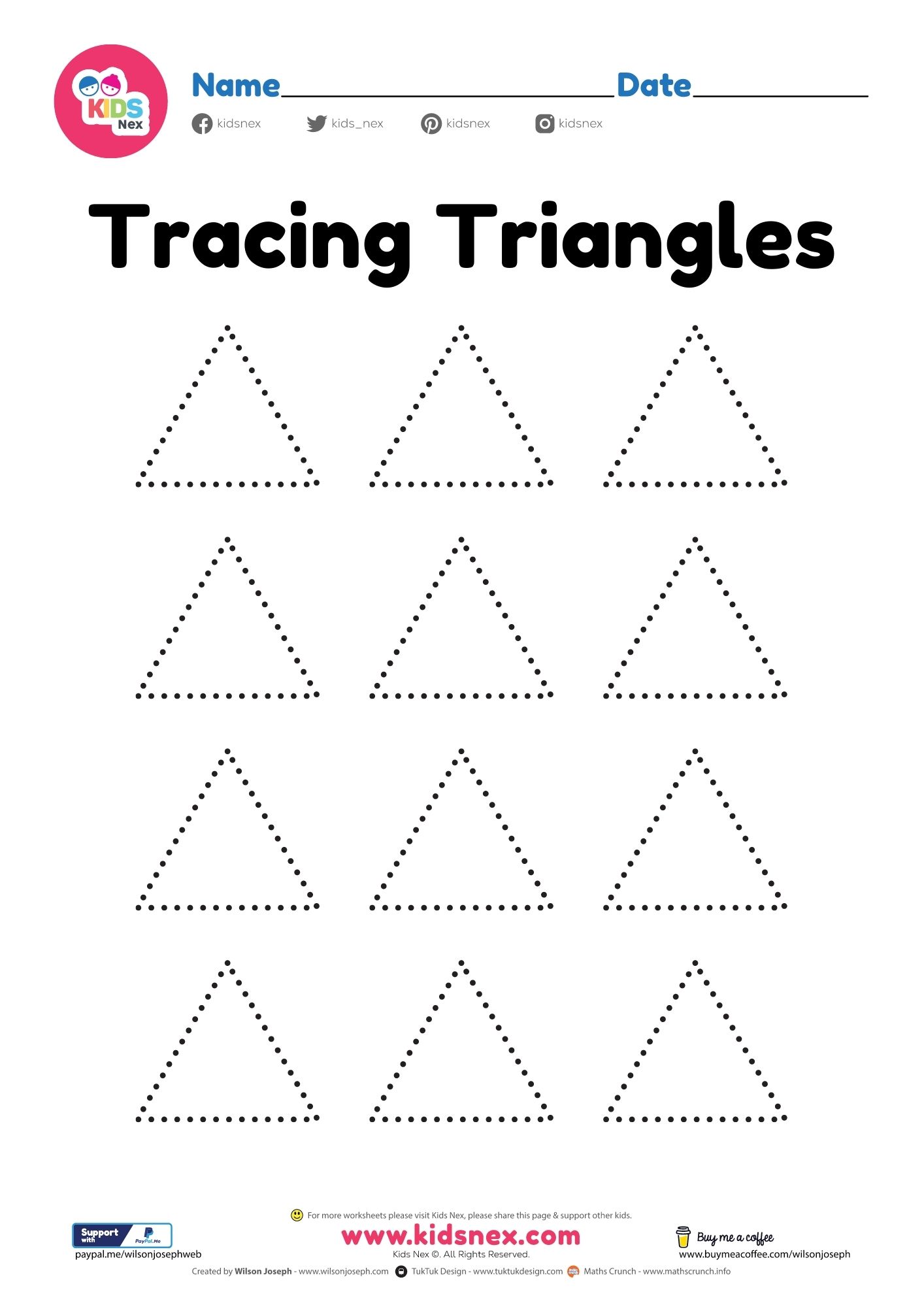
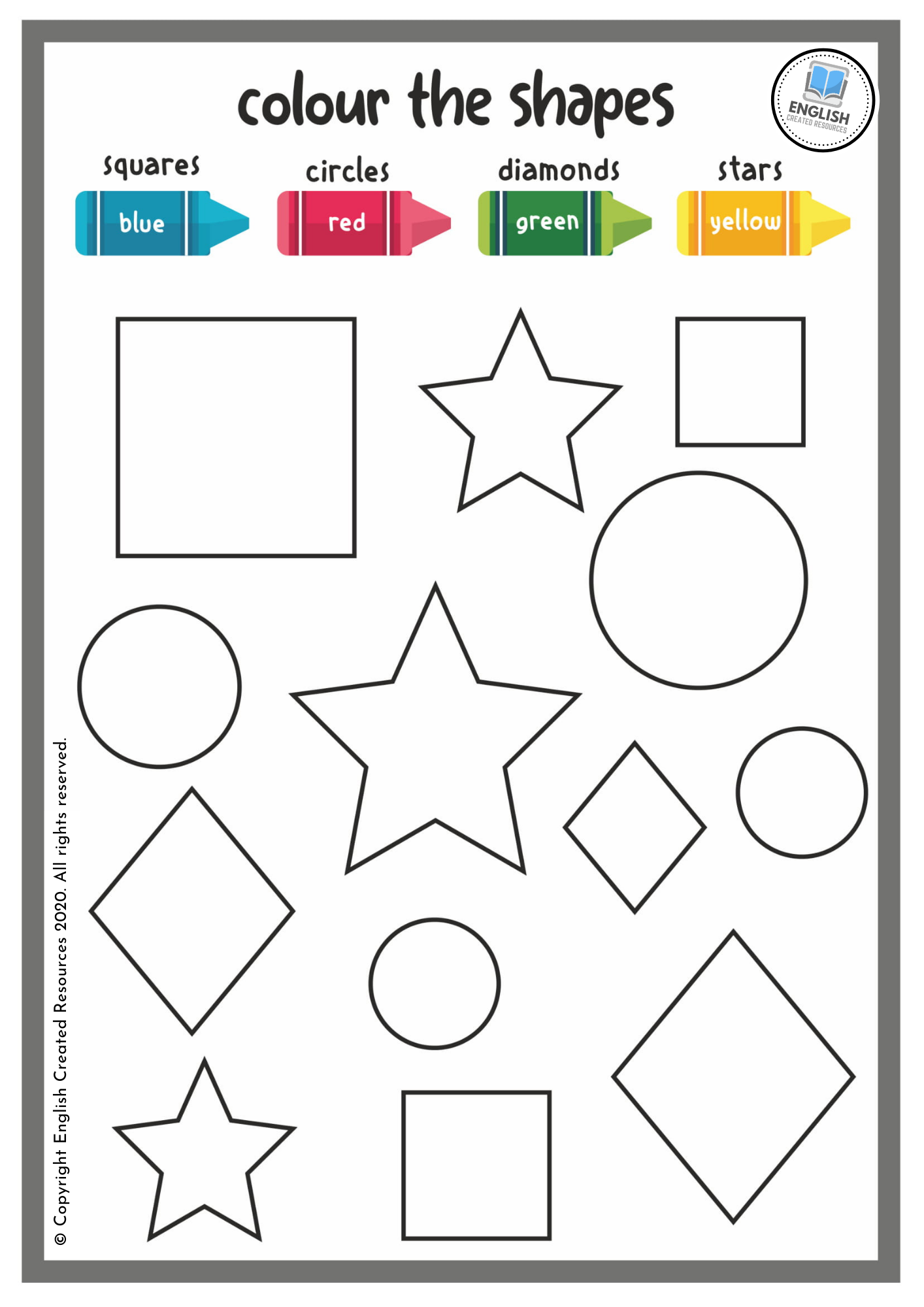
Shape tracing sheets focus heavily on pre-writing strokes, pencil control, and geometric awareness designed for young learners. Children encounter a variety of fundamental shapes, ranging from simple vertical and horizontal lines to circles, squares, triangles, and intersecting diagonals. Each geometric form breaks down the exact strokes required for future letter and number writing, teaching hands how to change direction smoothly, maintain consistent pressure, and cross the visual midline. Furthermore, these printables emphasize visual closure and spatial orientation, helping little ones understand where shapes begin and end on a blank page. Exploring these fundamental patterns supports the collection found within Shape and Line Tracing, which targets precise pen strokes and spatial control.
Key Learning Outcomes
Mastering these printables yields several distinct developmental milestones that support overall school readiness. Learners build intrinsic hand strength and refined pincer grasps as they slowly trace along dotted guidelines. Visual-motor integration improves significantly as eyes guide the hand to stay on target across complex curves and sharp corners. Directional awareness also takes root, teaching young children how to move from top to bottom and left to right naturally. These combined achievements directly feed into the broader competencies outlined across Fine Motor and Pre-Writing Skills, ensuring hands are well-prepared for more demanding tasks.
How to Use This Worksheet
Successful implementation relies on keeping the atmosphere low-stress, engaging, and centered around playful exploration rather than rigid perfection. Adults should introduce the pages during quiet morning times or designated creative centers when energy levels remain high and frustration levels stay low. Placing the paper on a flat, stable surface helps maintain proper posture and wrist positioning. For children who struggle with standard paper friction, slipping the sheet into a dry-erase sleeve allows for repeated tracing with thick dry-erase markers, reducing the pressure to get it right on the first try. Pairing these exercises with multisensory exploration—such as drawing shapes in damp sand or tracing textured cardboard cutouts—reinforces the physical memory of each stroke before the pencil ever touches the page.
Practical Tips for Parents and Teachers
Adults play a crucial role in shaping lifelong writing habits by modeling correct pencil grips and offering gentle, encouraging guidance. It helps to use a mature tripod grasp as a visual reference while explaining how the fingers work together as a team to steer the crayon. Scaffolding the activity means starting with thick, tactile writing tools like short crayons or golf pencils, which naturally encourage a proper grasp by limiting the space available for a fist grip. When children show signs of hand fatigue, such as shaking fingers or a drooping wrist, pause the session immediately. Extending the learning then becomes a matter of finding shapes in the everyday environment, such as tracing a square window frame in the air, which connects the paper activity back to the physical world.
Age-Appropriate Recommendations
According to the CDC developmental milestones, children around age four are typically expected to draw simple shapes like circles and copy crosses, making this exact developmental window ideal for structured shape tracing. For younger toddlers around ages two and three, the focus should remain on unstructured scribbling, vertical strokes, and gross motor arm movements rather than staying inside designated dotted lines. Conversely, older children approaching ages five through eight utilize these foundational geometric paths to refine letter formation, spacing, and stroke proportions under frameworks like Handwriting Without Tears. This progressive alignment ensures that every child works at a pace that honors their unique neurological and physical development.
CDC developmental milestones indicate that four-year-old children are typically capable of copying a circle and drawing basic intersecting lines, establishing the ideal cognitive and motor readiness for structured shape tracing activities. — Centers for Disease Control and Prevention
Frequently Asked Questions
Clear answers regarding printable execution help caregivers maximize the educational value of every single tracing session.
Explore More Free Printable Tracing Worksheets
Supporting a young learner requires access to a diverse library of resources that grow alongside evolving capabilities. Beyond geometry, children benefit greatly from exploring letter formation and early literacy patterns found within Alphabet And Numbers Tracing. Caregivers seeking comprehensive developmental support will also find a wealth of supplemental resources ready for download across KidTraces.com to encourage lifelong confidence in writing.
Developmental Milestone & Activity Table
| Development Stage | Recommended Daily Duration | Primary Learning Objective |
|---|---|---|
| Preschool & Pre-K | 10 – 15 Minutes | Pencil grip development & basic pre-stroke lines |
| Kindergarten | 15 – 20 Minutes | Letter/number formation & spatial line awareness |
| Early Elementary (Grade 1–2) | 20 – 30 Minutes | Fluency, sentence construction & neatness |
Images References