Introduction
Many children recognize letters, shapes, and complex environmental print long before their fine motor control allows them to form those same strokes on paper. According to the American Occupational Therapy Association, foundational fine motor skills—such as hand strength, bilateral coordination, and visual-motor integration—are absolute prerequisites for functional handwriting and classroom success. It sounds simple, and that is precisely the point. The humble horizontal stroke represents one of the earliest foundational movements a young child masters before tackling complex letters and numbers. Horizontal line tracing worksheets provide the structured, repetitive practice needed to build the muscle memory required for confident, fluid writing across the early childhood years.
💡 Educational Key Takeaways:
- Core Skill: Structured Horizontal Line Tracing Worksheets focused on developing pencil grip, stroke control, and early literacy/math confidence.
- Target Scope: Suited for homeschoolers, preschool, kindergarten, and elementary learners.
- Best Recommendation: Practice 10–15 minutes daily with ergonomic writing tools to reinforce muscle memory without hand fatigue.
What This Worksheet Covers
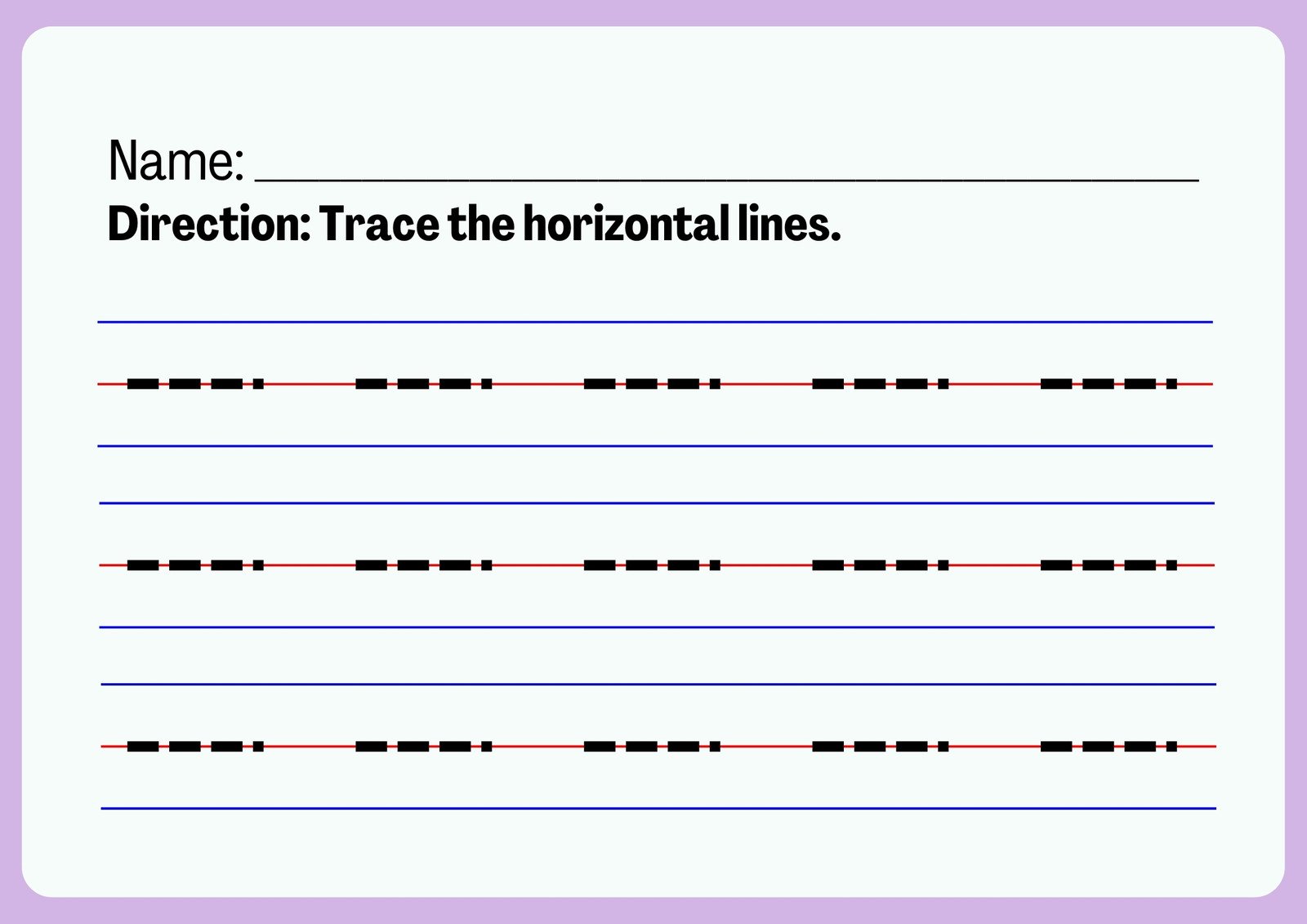
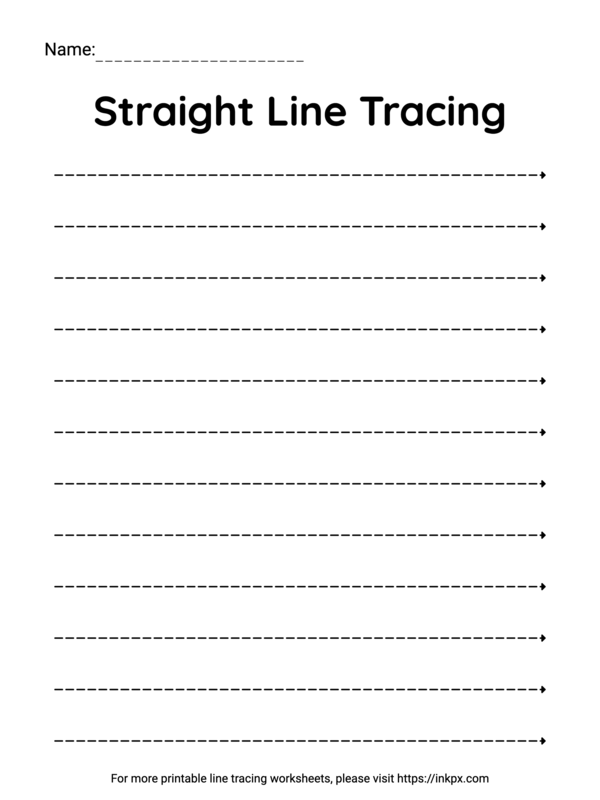
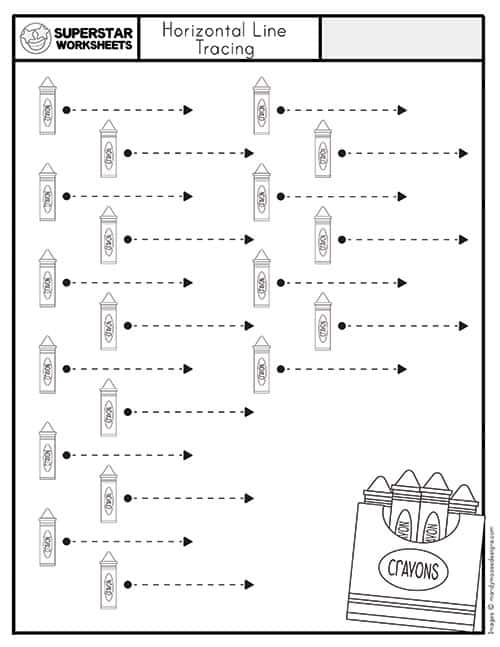
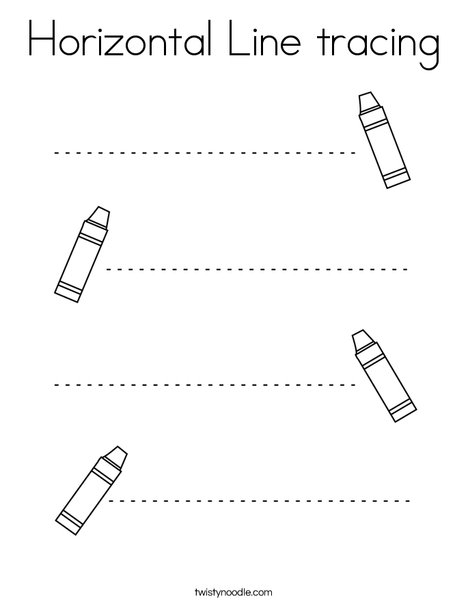
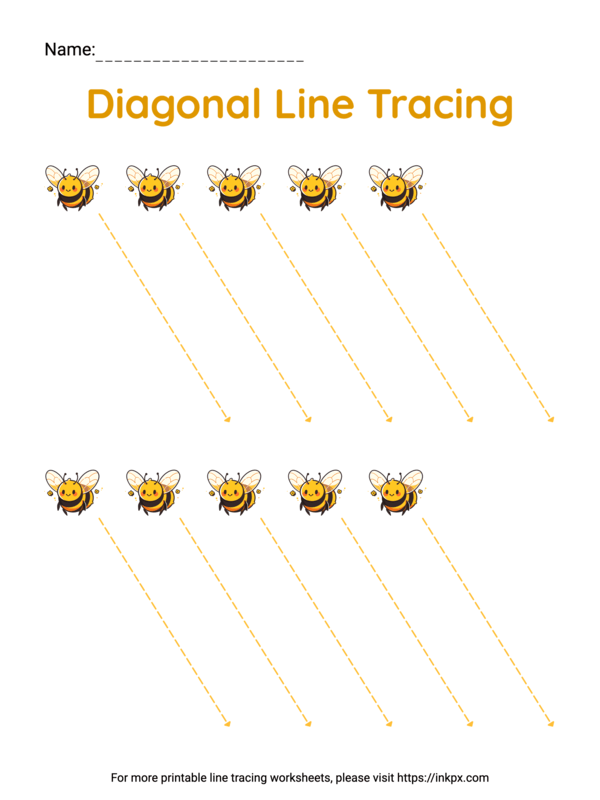
Targeting the fundamental left-to-right progression used in Western writing systems, these printable exercises focus specifically on horizontal line control. Children navigate paths moving smoothly from left to right, training the eyes and hands to track across a page in the exact direction required for future reading and writing tasks. The layout moves from short, dotted tracking paths to longer, continuous strokes, accommodating different developmental stages. Exploring broader developmental trajectories often begins by integrating tools found within Shape and Line Tracing collections. These exercises gently bridge the gap between gross motor arm movements and precise finger-wrist control.
Key Learning Outcomes
Working through these pages cultivates precise visual-motor integration, teaching young learners to synchronize what the eyes see with how the hand moves. Directionality becomes ingrained as children naturally practice moving from left to right, establishing an essential habit for future literacy development. Pencil control improves dramatically as little fingers learn to regulate pressure and speed while staying on the designated track. Hand-eye coordination is consistently challenged and strengthened through the continuous visual feedback of watching the pencil tip meet the printed line. Ultimately, children build the foundational stamina required to sustain attention and physical effort during longer academic tasks. For more related activities, check out our Find The Pentagon Interactive Games For Kids.
How to Use This Worksheet
Success with pre-writing sheets depends heavily on posture, positioning, and supportive preparation rather than rigid enforcement. Tape the paper securely to the table surface to prevent frustrating sliding, allowing the non-dominant hand to stabilize the workspace naturally. Invite children to trace the lines using various tactile methods before touching a pencil, such as running a finger through textured cutouts or driving a toy car along the path. Transitioning to shorter writing utensils, like broken wax crayons or golf pencils, naturally encourages an efficient tripod grasp by limiting the space available for an adult-like fist grip. Pacing matters immensely, so keep sessions brief, playful, and strictly tied to positive reinforcement.
Practical Tips for Parents and Teachers
Adults play a vital scaffolding role by modeling the correct left-to-right stroke formation before handing over the writing tool. Notice how the child holds the pencil, and gently redirect an over-fisted grip toward the barrel without creating frustration or anxiety. Extend the activity by having learners draw their own horizontal paths across blank paper, turning abstract lines into roads for toy animals or train tracks. Scaffold the difficulty by starting with thick, bold paths and gradually progressing to narrower, finely dotted lines as control improves. Celebrate the process over the perfection, acknowledging every steady attempt to stay on track rather than fixating on stray marks.
Age-Appropriate Recommendations
According to the National Association for the Education of Young Children guidelines for developmentally appropriate practice, children aged two to four benefit most from gross and early fine motor experiences that emphasize sensory exploration and large muscle control. For this younger cohort, horizontal line worksheets should feature thick, prominent tracks paired with chunky crayons or paintbrushes. Children aged five to eight transition into formal handwriting instruction, aligning with rigorous standards such as Common Core ELA standard L.K.1.a, which requires printing uppercase and lowercase letters. At this older stage, the same horizontal paths refine pencil pressure, spacing, and endurance, laying the groundwork for fluent sentence composition and organized written expression.
Proficient fine motor control and visual-motor integration are strongly correlated with early academic achievement and letter writing fluency in kindergarteners. — American Occupational Therapy Association
Frequently Asked Questions
Answers to common inquiries regarding implementation, printing, and developmental milestones are detailed below to support caregivers and educators effectively.
Explore More Free Printable Tracing Worksheets
Expanding a child’s pre-writing toolkit requires a diverse variety of engaging resources tailored to every developmental milestone and interest. Exploring the complete library available at KidTraces.com offers limitless opportunities for skill-building across multiple categories. Discover specialized practice sets by browsing through Fine Motor and Pre-Writing Skills or adding thematic engagement with Seasonal and Fun Themes. Every printable is thoughtfully designed to make early literacy practice accessible, joyful, and deeply effective for every young learner.
Developmental Milestone & Activity Table
| Development Stage | Recommended Daily Duration | Primary Learning Objective |
|---|---|---|
| Preschool & Pre-K | 10 – 15 Minutes | Pencil grip development & basic pre-stroke lines |
| Kindergarten | 15 – 20 Minutes | Letter/number formation & spatial line awareness |
| Early Elementary (Grade 1–2) | 20 – 30 Minutes | Fluency, sentence construction & neatness |
Images References