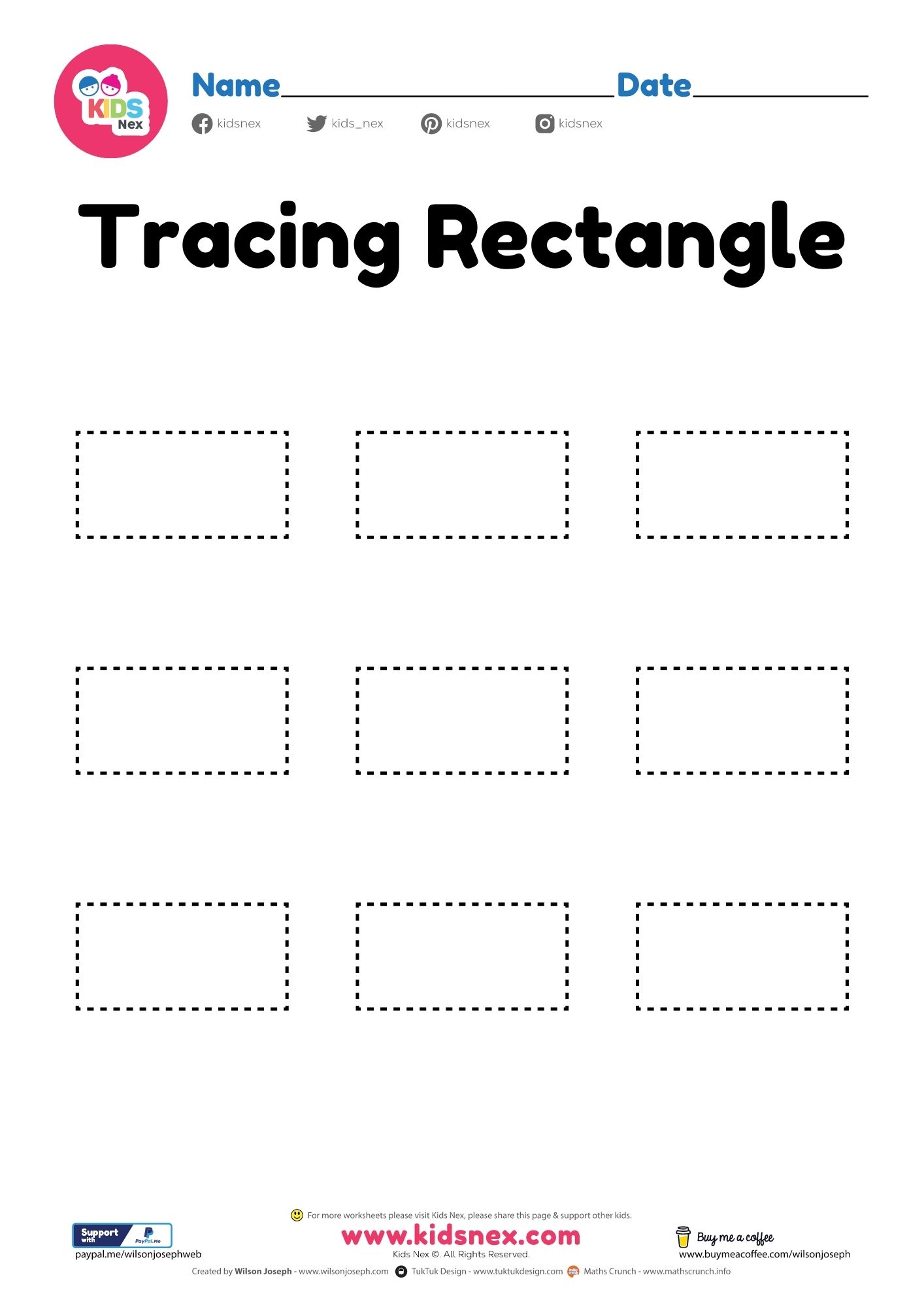
Introduction
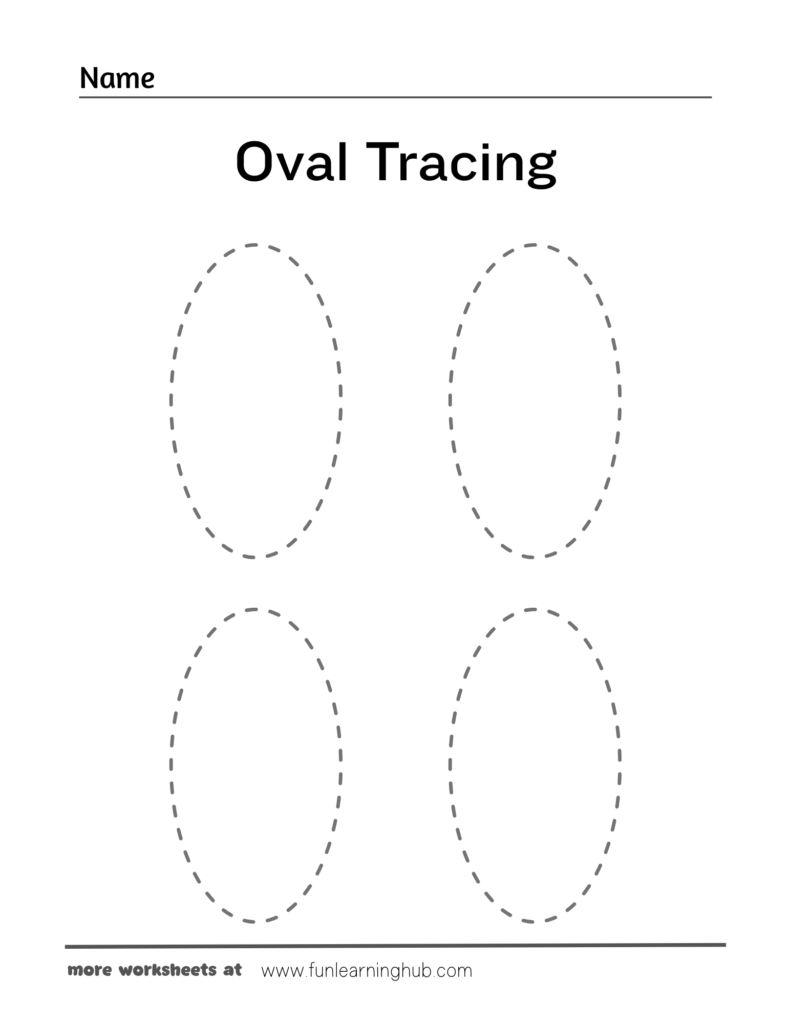
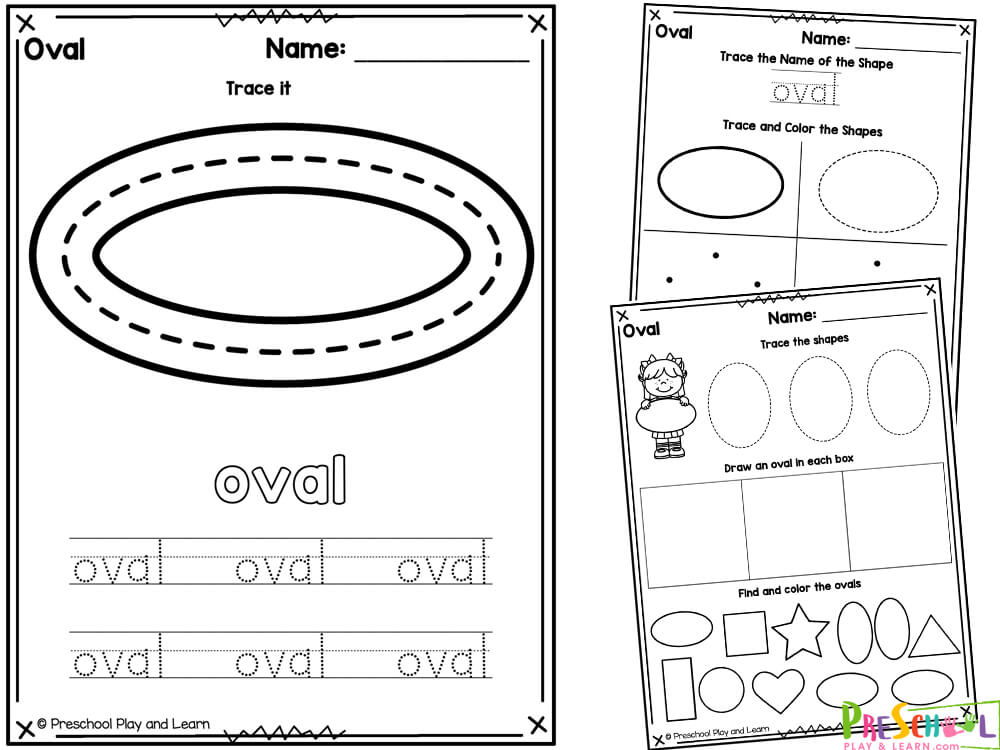
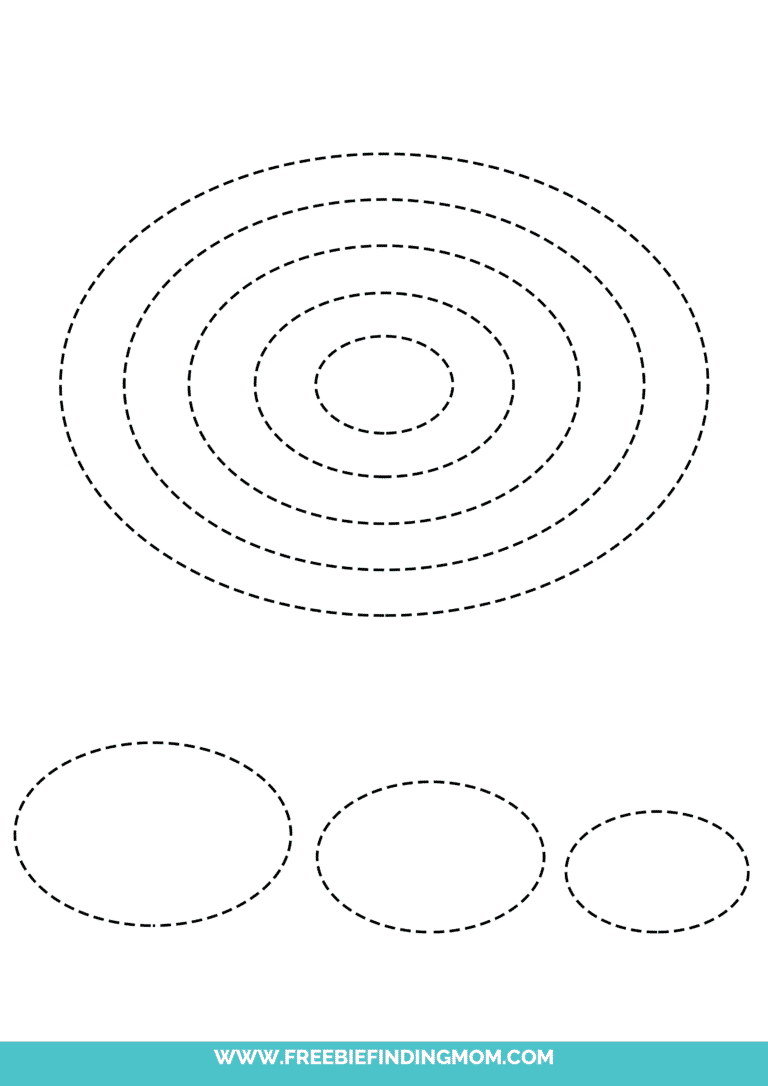
Many children recognize letters, numbers, and shapes long before their fine motor skills can actually form them on paper. According to the American Occupational Therapy Association, foundational hand strength and coordinated finger movements must develop steadily before young hands can master complex writing tasks. It sounds simple, and that is precisely the point. The free printable oval tracing resource at {site_name} bridges this gap by offering targeted pencil control practice. Continuous curved lines require refined bilateral coordination and visual-motor integration. Mastering the continuous loop of an oval prepares the hand for letters like a, d, o, and g. Tracing sheets give children the structured canvas needed to build muscle memory without the pressure of spelling or letter formation. Here’s what makes this worksheet different: it treats shape formation as an essential prerequisite to literacy rather than a mere art activity. Children engage deeply with fluid hand motions, laying the neurological groundwork for effortless handwriting later on.
💡 Educational Key Takeaways:
- Core Skill: Structured Oval Tracing focused on developing pencil grip, stroke control, and early literacy/math confidence.
- Target Scope: Suited for homeschoolers, preschool, kindergarten, and elementary learners.
- Best Recommendation: Practice 10–15 minutes daily with ergonomic writing tools to reinforce muscle memory without hand fatigue.
What This Worksheet Covers
Pencil control, fluid curved line execution, and continuous stroke coordination form the core curriculum of this printable. Children often struggle with transitions around corners and tight curves. Ovals provide the ideal stepping stone between broad circular motions and precise letter loops. The layout guides the hand smoothly across the page, demanding sustained visual attention and steady pressure regulation from the fingers. Educators and therapists frequently observe that erratic hand movements stem from a lack of mid-range stability in the shoulder and wrist. This tracing page encourages controlled extension and flexion, helping the hand maintain a consistent arc. Furthermore, practicing continuous loops prevents the common habit of lifting the pencil prematurely, fostering better stroke rhythm and overall writing fluency. Children also explore spatial boundaries, learning to keep their pencil lines contained within designated tracks.
Key Learning Outcomes
Learners cultivate enhanced bilateral hand use, stabilizing the paper with one hand while the dominant hand executes smooth, rounded strokes. Visual-motor integration improves noticeably as eyes track ahead of the moving pencil tip to anticipate the curve. Finger muscle endurance builds steadily during repeated oval loops, reducing hand fatigue during longer writing sessions. Directionality awareness strengthens naturally as children follow consistent clockwise or counterclockwise tracing patterns. Finally, confidence flourishes when young learners successfully complete unbroken shapes, motivating them to tackle more intricate Shape and Line Tracing activities without hesitation.
How to Use This Worksheet
Preparation and environment dictate the success of any fine motor session. Start by placing the paper on a flat, stable surface at a slight slant matching the child’s natural writing angle. Encourage a functional tripod grasp, ensuring the thumb and index finger oppose each other with the pencil resting securely against the middle finger. If the hand fatigues quickly, wrapping a small foam grip around the writing utensil can provide immediate relief and better control. Allow children to trace with a finger first to feel the kinetic flow of the oval shape before introducing crayons, markers, or pencils. It sounds simple, yet tactile rehearsal dramatically improves subsequent pencil accuracy.
Practical Tips for Parents and Teachers
Scaffolding a tracing exercise requires careful observation of individual endurance levels. Break longer sessions into brief, playful intervals rather than demanding unbroken concentration for extended periods. Model the correct starting point and directionality on a separate sheet, narrating the movement aloud to engage auditory learners. When scaffolding the task for younger children, start with thicker writing tools like chunky crayons that require less isolated finger strength. To extend the challenge for older preschoolers, transition from thick markers to standard #2 pencils, requiring more refined pressure modulation. Pair these sheets with playful hand-strengthening games, such as squeezing therapy putty or manipulating clay, to prepare the intrinsic muscles before paper tasks begin. Exploring options from Fine Motor and Pre-Writing Skills can provide additional exercises tailored to specific developmental needs.
Age-Appropriate Recommendations
According to the CDC developmental milestones, children aged two to four typically begin imitating vertical and horizontal lines, gradually progressing toward circular strokes and closed shapes. For this younger cohort, print the oval sheets at a larger scale and encourage finger painting or using thick markers to trace the paths. Children aged five to eight fall squarely within the National Association for the Education of Young Children Developmentally Appropriate Practice framework, refining letter formation and mastering lowercase letters that rely heavily on oval components. For this older group, standard-sized worksheets with narrower tracing paths help refine precision, control, and neatness. Integrating related resources from Alphabet And Numbers Tracing bridges the gap between geometric shapes and actual letter writing.
According to developmental motor research, mastering continuous curved strokes like ovals significantly reduces letter reversal rates by reinforcing consistent directional hand movements before formal alphabet instruction begins. — Early Childhood Fine Motor Study
Frequently Asked Questions
Finding the right approach to pre-writing practice often raises practical questions for adults guiding young learners. The answers below address common concerns regarding printing, motor development, and educational standards.
Explore More Free Printable Tracing Worksheets
Supporting a child’s journey toward fluent handwriting involves a rich variety of engaging, developmentally appropriate practice materials. Beyond geometric shapes, learners benefit from exploring diverse patterns, seasonal prompts, and letter formations that keep motivation high. Grown-ups supporting early learners can browse the full library of resources at KidTraces.com to find supportive tools for every stage of development. Whether looking for targeted letter practice or playful seasonal motifs, consistency and enjoyment remain the true cornerstones of lasting progress. Discover more themed resources through Seasonal and Fun Themes to keep practice fresh and exciting throughout the entire year.
Developmental Milestone & Activity Table
| Development Stage | Recommended Daily Duration | Primary Learning Objective |
|---|---|---|
| Preschool & Pre-K | 10 – 15 Minutes | Pencil grip development & basic pre-stroke lines |
| Kindergarten | 15 – 20 Minutes | Letter/number formation & spatial line awareness |
| Early Elementary (Grade 1–2) | 20 – 30 Minutes | Fluency, sentence construction & neatness |
Images References