Introduction
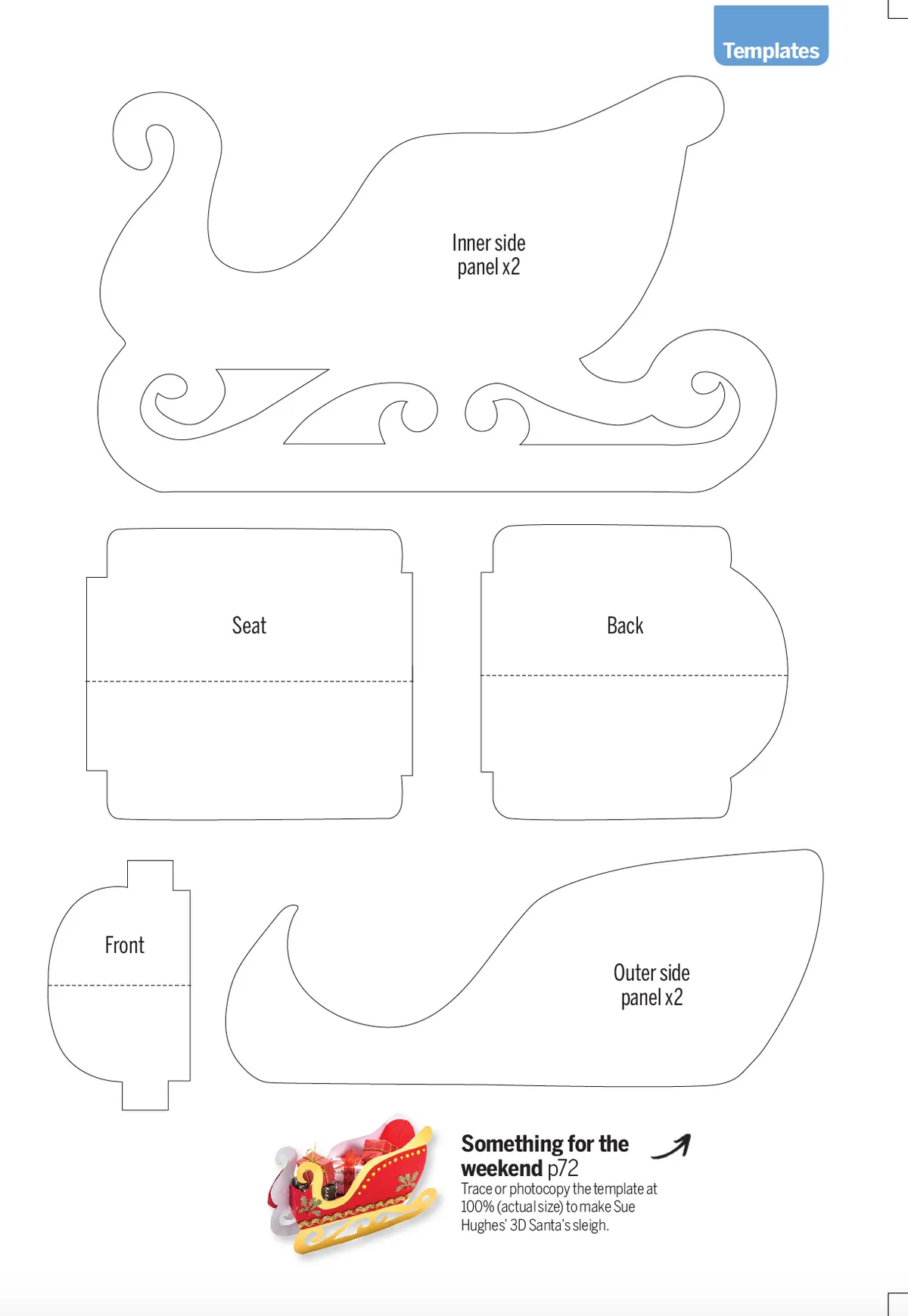
Many children recognize letters, numbers, and festive holiday symbols long before their fine motor control allows them to form those shapes with a pencil. According to the American Occupational Therapy Association, foundational fine motor skills—such as hand strength, intrinsic muscle coordination, and bilateral hand integration—are essential precursors to functional handwriting and pencil control. Holiday-themed materials bridge this developmental gap by providing high-interest contexts that naturally motivate young learners to practice crucial hand movements. Incorporating the santa’s sleigh printable creativeqorksheetshub.com into a daily routine transforms standard pencil practice into an engaging seasonal journey. It sounds simple, and that’s the point. Reducing cognitive load through familiar, joyful themes allows the brain to focus entirely on physical execution, stroke control, and spatial awareness.
💡 Technical Key Takeaways:
- Core Focus: Diagnostic schematic and terminal connection layout for Santa’S Sleigh Printable Creativeqorksheetshub.Com.
- Target Scope: Field technicians, automotive DIYers, and residential/commercial electricians.
- Safety Rule: Always disconnect the primary power source/battery terminal and verify zero voltage with a multimeter before touching wires.
What This Worksheet Covers
The worksheet focuses on directional stroke control, curved path navigation, and hand-eye coordination using a delightful holiday narrative. Children guide the iconic sleigh along carefully mapped trajectories, building the exact muscle memory required for successful handwriting down the road. These movement patterns reinforce top-to-bottom and left-to-right visual tracking habits, which serve as the bedrock for both reading and writing development. Exploring various holiday graphics encourages children to maintain concentration through repetitive yet entertaining motor tasks, preventing hand fatigue by alternating between gentle curves and steady horizontal spans. For more related activities, check out our Spring Flower Tracing.
Key Learning Outcomes
Targeted engagement with seasonal line paths directly yields measurable improvements in classroom and home learning environments. Learners master sustained pencil pressure regulation, transitioning away from heavy-handed scribbling toward measured, deliberate strokes. Visual-motor integration strengthens as little hands learn to visually anticipate curve changes and adjust wrist positioning mid-stroke. Spatial awareness improves significantly, helping children understand boundaries on a standard writing page. Finally, finger dexterity and intrinsic hand muscle endurance increase naturally through repeated directional tracing.
How to Use This Worksheet
Successful implementation relies heavily on creating a low-stress environment where experimentation is celebrated alongside precision. Placing the sheet on a flat, stable surface ensures that the non-dominant hand can effectively stabilize the paper while the dominant hand executes the tracing paths. Educators often pair these activities with sensory-rich warm-ups, such as rolling playdough snakes or squeezing stress balls, to awaken the small muscles of the hand before any pencil touches paper. Allowing learners to trace the paths first with an index finger provides crucial tactile feedback before picking up a writing instrument.
Practical Tips for Parents and Teachers
Observing pencil grasp during tracing sessions reveals a great deal about hand fatigue and dexterity development. Encourage a functional tripod grasp by gently positioning short, broken crayons or golf pencils, which naturally prevent fist-grinds and promote finger isolation. Scaffolding the activity means letting children use thick markers initially for high-contrast visibility, then graduating to standard pencils as control improves. Avoid rushing the completion of the page; slow, mindful tracing builds vastly superior neuromuscular pathways compared to rapid, careless scribbling. Offering verbal encouragement focused on effort rather than perfection keeps motivation high throughout the learning process.
Age-Appropriate Recommendations
For younger toddlers and preschoolers aged two to four, the focus rests squarely on gross motor line control and simple pre-writing strokes, aligning directly with the National Association for the Education of Young Children Developmentally Appropriate Practice guidelines. At this stage, children benefit from thick tracing paths and larger motifs that accommodate developing palm and digital grasps. For older children in kindergarten through second grade, aged five to eight, the expectations shift toward precision, pencil stamina, and fluid directional continuity. According to Reading Rockets, purposeful writing activities that integrate fine motor control accelerate overall literacy acquisition by connecting physical motion directly to symbolic representation. Educators and parents can explore additional resources tailored to these developmental milestones through Seasonal and Fun Themes and Shape and Line Tracing.
Handwriting and fine motor control heavily influence academic success, self-esteem, and daily functional independence in early childhood. — American Occupational Therapy Association
Frequently Asked Questions
Clear answers to common questions help adults maximize the educational impact of every tracing session.
Explore More Free Printable Tracing Worksheets
Supporting a child’s journey toward confident writing requires access to a wide variety of engaging, developmentally appropriate materials. Beyond holiday-specific sheets, building a strong foundation involves practicing foundational strokes, letter forms, and number formations across diverse contexts. Discover an extensive collection designed by educators to support every stage of early development by browsing the full library at KidTraces.com. Whether a learner needs extra practice with Fine Motor and Pre-Writing Skills or wants to explore Alphabet And Numbers Tracing, consistent, joyful practice remains the key to lifelong academic success.
Quick Wiring Specifications & Terminal Guide
| Component / Circuit | Standard Wire Gauge | Recommended Protection |
|---|---|---|
| Control & Trigger Signals | 18 – 20 AWG | 5A – 7.5A Inline Fuse |
| Standard Auxiliary Load | 14 – 16 AWG | 15A – 20A Circuit Breaker |
| Main Power Feed / Supply | 10 – 12 AWG | 30A – 40A Heavy-Duty Relay |
Images References