Introduction
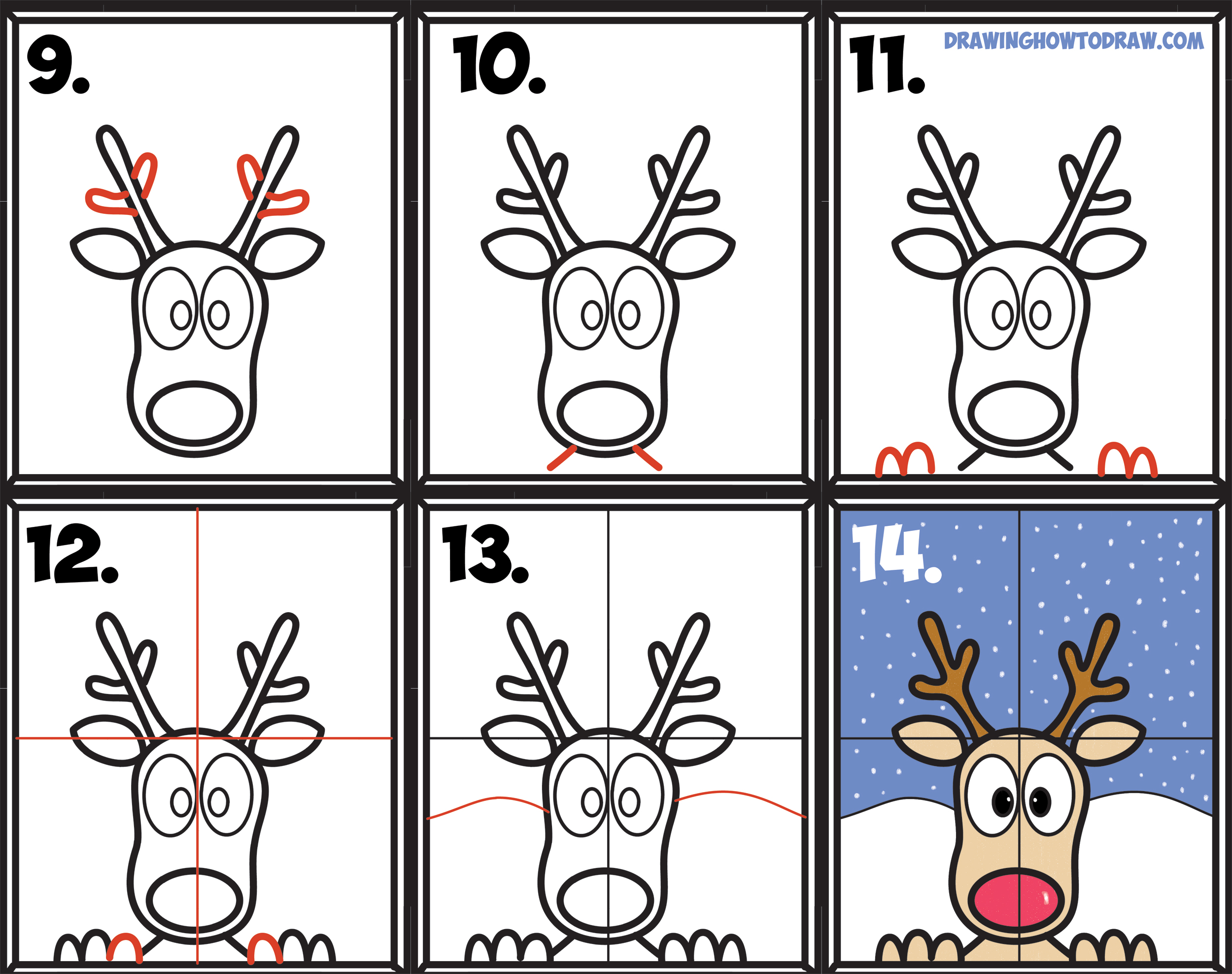
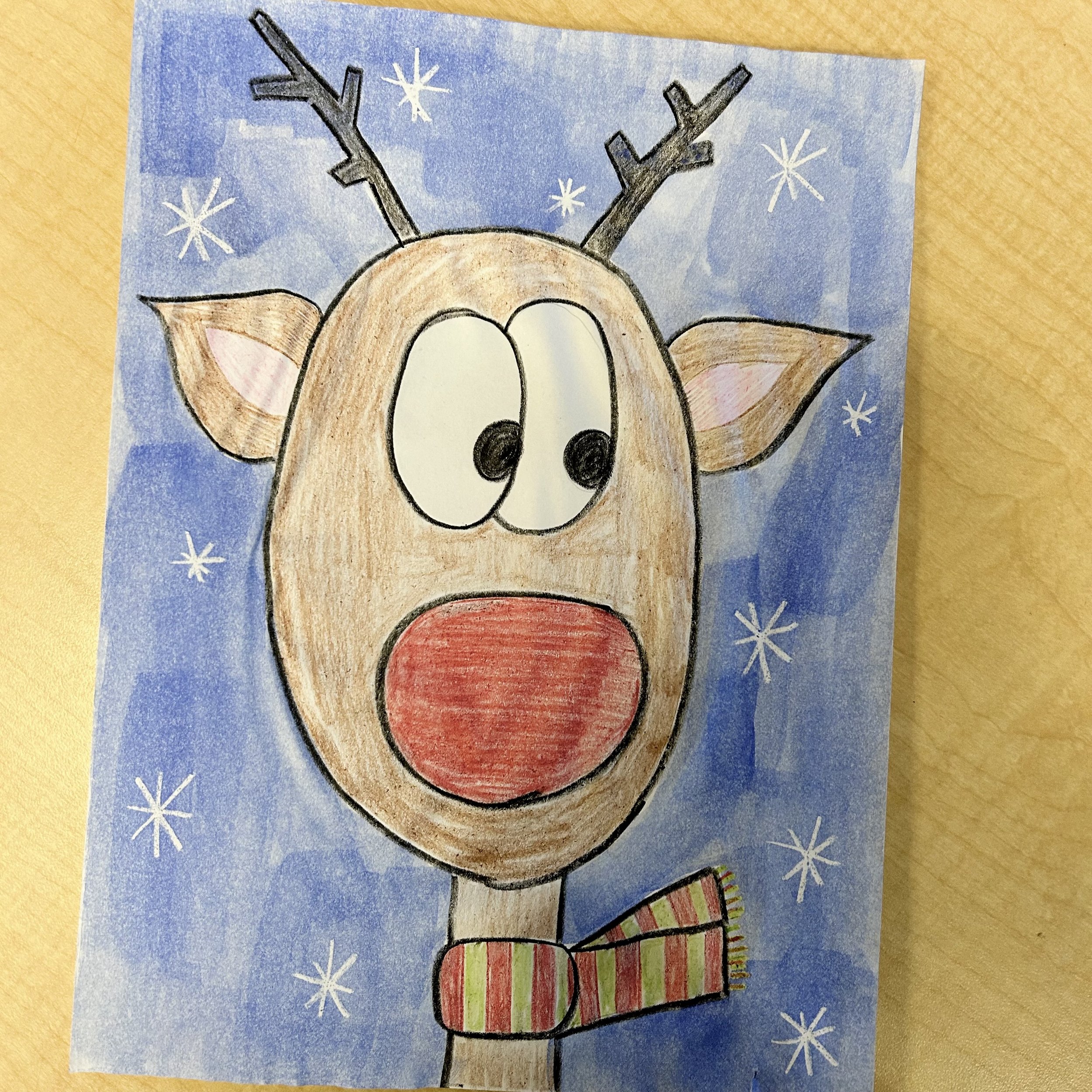
Many children recognize letters, shapes, and holiday themes long before their developing fine motor skills can actually form them on paper. According to the National Association for the Education of Young Children, young children learn best through engaging experiences that connect creative arts with foundational skill development. Holiday-themed materials provide a brilliant bridge for this exact developmental gap. Seasonal motifs capture young imaginations instantly, turning what might otherwise feel like tedious pencil work into an exciting festive challenge. Integrating reindeer art fopr kids tracing into a daily routine offers a playful gateway to building essential hand control. It sounds simple, and that is precisely the point. When children enjoy the visual context of a worksheet, resistance fades and purposeful practice begins.
💡 Educational Key Takeaways:
- Core Skill: Structured Reindeer Art Fopr Kids Tracing focused on developing pencil grip, stroke control, and early literacy/math confidence.
- Target Scope: Suited for homeschoolers, preschool, kindergarten, and elementary learners.
- Best Recommendation: Practice 10–15 minutes daily with ergonomic writing tools to reinforce muscle memory without hand fatigue.
What This Worksheet Covers
This specialized printable merges seasonal creativity with structured pencil control exercises, focusing heavily on seasonal and fun themes to maintain high engagement. Children encounter dotted antlers, curved snouts, and festive holiday lines that demand careful visual-motor integration. Tracing these specific contours requires small, precise hand adjustments rather than large, sweeping arm movements. Every curved path and zigzag line introduces children to the fundamental geometric shapes that eventually form the basis of manuscript handwriting. Hand strength grows naturally as fingers learn to modulate pressure, pressing lightly for delicate flourishes and firmly for bold outlines. For more related activities, check out our Fairy Castle Tracing.
Key Learning Outcomes
Working through these seasonal templates helps children refine pencil grip stability, bilateral hand coordination, and visual tracking skills. According to the American Occupational Therapy Association, mastering early pre-writing strokes directly correlates with later academic success and legible handwriting. Learners build finger dexterity by navigating intricate curves, sharp angles, and continuous loops without lifting the writing utensil. Spatial awareness improves significantly as little hands learn to stay within designated boundaries, respecting margins and following directional arrows. Ultimately, completing these festive activities boosts overall confidence, transforming hesitant beginners into enthusiastic, capable writers.
How to Use This Worksheet
Successful implementation begins with providing the right writing tools, such as short golf pencils or broken crayons, which naturally encourage an efficient tripod grasp. Educators and caregivers can introduce the page during morning stations, quiet time, or holiday-themed centers to keep routines predictable yet exciting. Placing the paper on a slightly sloped surface or securing it with low-tack tape helps stabilize the page for children who struggle with bilateral integration. Allowing learners to choose their own colored markers or glitter pens adds an extra layer of intrinsic motivation. Praise the effort behind the pencil control rather than just the final visual output, reinforcing that steady progress matters most.
Practical Tips for Parents and Teachers
Adults should always model proper stroke direction in front of the child before handing over the writing instrument, demonstrating top-to-bottom and left-to-right progression. Scaffolding the activity works wonders for hesitant learners; adults can gently guide a hand through the first few tricky antler curves before letting go. Extending the learning comes easily by having children cut out their finished masterpieces with safety scissors to practice parallel bilateral motor skills. Providing frequent movement breaks prevents hand fatigue, ensuring that writing practice stays positive rather than frustrating. Notice if a child grips the pencil with a fist or wraps their thumb across the shaft, gently correcting hand placement before bad habits solidify.
Age-Appropriate Recommendations
For toddlers and preschoolers ages two through four, focusing on Shape and Line Tracing within the reindeer artwork builds foundational gross and fine motor coordination aligned with the Head Start Early Learning Outcomes Framework. At this stage, thicker lines and larger forms accommodate developing palmar and digital grasps without causing strain. Kindergarteners and early elementary students ages five through eight benefit from more complex, detailed outlines found in Seasonal and Fun Themes, which support the fine motor stamina required for formal spelling and creative writing tasks. Transitioning older children to these intricate seasonal pages helps refine pencil pressure modulation and precision control just in time for cursive introduction.
Mastery of foundational pre-writing strokes by kindergarten age significantly predicts subsequent handwriting legibility and academic writing fluency. — American Occupational Therapy Association
Frequently Asked Questions
Navigating early childhood educational tools raises common questions among parents and teachers alike. Clear, direct answers help ensure every child gets the maximum benefit from their tracing practice sessions.
Explore More Free Printable Tracing Worksheets
Supporting a young writer involves offering a wide variety of fresh, engaging practice materials throughout the entire school year. Exploring categories like Alphabet And Numbers Tracing or Dotted Letters For Tracing keeps children curious and motivated to learn. Additional resources for building dexterity are always accessible within the full library at KidTraces.com, where every printable is designed by educators to foster genuine confidence and skill growth in early learners.
Developmental Milestone & Activity Table
| Development Stage | Recommended Daily Duration | Primary Learning Objective |
|---|---|---|
| Preschool & Pre-K | 10 – 15 Minutes | Pencil grip development & basic pre-stroke lines |
| Kindergarten | 15 – 20 Minutes | Letter/number formation & spatial line awareness |
| Early Elementary (Grade 1–2) | 20 – 30 Minutes | Fluency, sentence construction & neatness |
Images References