Introduction
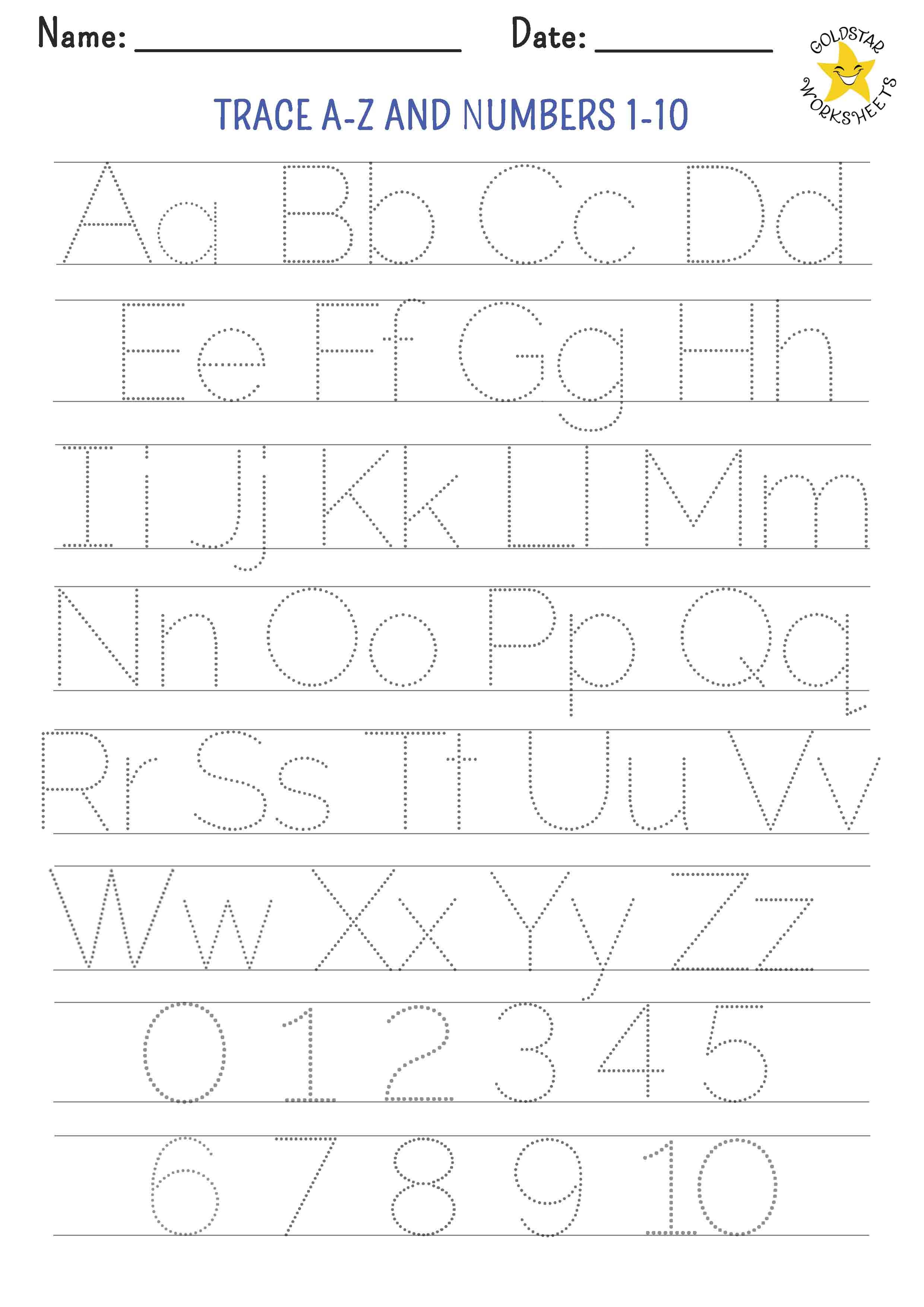
Many children recognize letters and numbers long before their fine motor skills are strong enough to actually form them on paper. This developmental gap often leads to frustration if adults rush straight into traditional writing tasks without proper preparation. According to the National Association for the Education of Young Children, young learners thrive when early writing experiences focus on playful, hands-on exploration rather than rigid drills. The free printable letter tracing with numberworksheet bridges this exact gap by combining visual recognition with guided stroke practice. It sounds simple, and that is the exact point. Here is what makes this worksheet different: it respects the physical realities of growing hands while gently introducing foundational literacy and numeracy concepts through structured, repeatable practice.
💡 Educational Key Takeaways:
- Core Skill: Structured Letter Tracing With Numberworksheet focused on developing pencil grip, stroke control, and early literacy/math confidence.
- Target Scope: Suited for homeschoolers, preschool, kindergarten, and elementary learners.
- Best Recommendation: Practice 10–15 minutes daily with ergonomic writing tools to reinforce muscle memory without hand fatigue.
What This Worksheet Covers
Mastering pencil control requires a careful sequence of visual-motor integration tasks. This specific printable merges alphabet letter formation with numerical sequencing on a single, cohesive page. Children encounter dotted paths that clearly indicate starting points and directional arrows, which eliminate guesswork during pencil execution. By transitioning seamlessly from letter shapes to counting numerals, learners reinforce the visual distinctness of both writing systems simultaneously. This dual focus prevents cognitive overload while maximizing the efficiency of early childhood practice sessions. Exploring related tools such as Alphabet And Numbers Tracing further expands this foundational skill set across multiple learning environments.
Key Learning Outcomes
Consistent interaction with these structured pages builds profound muscle memory and visual-spatial awareness. Learners rapidly internalize correct stroke order, moving from top to bottom and left to right with increasing fluidity. Hand-eye coordination sharpens as small finger muscles adapt to regulating pencil pressure along curved and straight paths. Furthermore, simultaneous exposure to letters and numbers builds crucial cognitive scaffolding that supports both early literacy and foundational math readiness. Children also develop vital self-regulation and focus through the quiet, rhythmic nature of tracing repeated characters, laying the groundwork for lifelong academic confidence.
How to Use This Worksheet
Success with early writing tools relies heavily on the physical environment and adult setup. Begin by ensuring the child sits with feet flat on the floor and hips at a ninety-degree angle, as core stability directly dictates hand control. Offer short, thick writing utensils like broken crayons or short pencils to naturally encourage an efficient grasp. Allow the child to trace the lines with an index finger first to physically feel the directional flow before introducing a writing tool. Integrating targeted resources like Tracing Worksheets can provide additional variety while maintaining these core ergonomic principles.
Practical Tips for Parents and Teachers
Scaffolding makes the difference between a joyful learning session and a tearful struggle. Adults should actively model correct pencil grip and stroke direction before inviting the child to try independently. Notice when hand fatigue sets in, often signaled by a tight white-knuckle grip or shifting posture, and gently pause the activity. Celebrate small victories like a steady vertical line or a properly closed circle rather than demanding perfection across an entire page. Extending the learning by having children trace shapes in salt trays or paint with cotton swabs adds multisensory depth without adding paper frustration.
Age-Appropriate Recommendations
Children move through distinct developmental stages between the ages of two and eight. According to the CDC developmental milestones, toddlers typically transition from whole-arm scribbles to finger-led lines, making larger, simpler dotted patterns ideal for younger preschoolers. As children enter kindergarten and early elementary grades, aligned with Handwriting Without Tears methodologies, they refine their pencil control to navigate smaller grid lines and precise directional arrows. Younger participants benefit immensely from exploring Shape and Line Tracing to build foundational pre-writing strokes before tackling complex alphanumeric characters.
According to the American Occupational Therapy Association, foundational fine motor control and visual-motor integration are among the strongest predictors of early academic success in kindergarten classrooms. — American Occupational Therapy Association (AOTA)
Frequently Asked Questions
Navigating early childhood education resources can raise practical questions regarding printing, setup, and developmental readiness. The answers below address the most common inquiries from educators and caregivers seeking to optimize fine motor practice at home or in the classroom.
Explore More Free Printable Tracing Worksheets
Supporting a young writer involves offering a rich variety of engaging, developmentally appropriate practice materials over time. Exploring the full collection at KidTraces.com provides access to hundreds of thoughtfully designed printables that grow alongside developing hands and minds. Every child deserves access to high-quality, confidence-building resources that make the journey into literacy and numeracy an absolute joy from the very first stroke.
Developmental Milestone & Activity Table
| Development Stage | Recommended Daily Duration | Primary Learning Objective |
|---|---|---|
| Preschool & Pre-K | 10 – 15 Minutes | Pencil grip development & basic pre-stroke lines |
| Kindergarten | 15 – 20 Minutes | Letter/number formation & spatial line awareness |
| Early Elementary (Grade 1–2) | 20 – 30 Minutes | Fluency, sentence construction & neatness |
Images References