Introduction
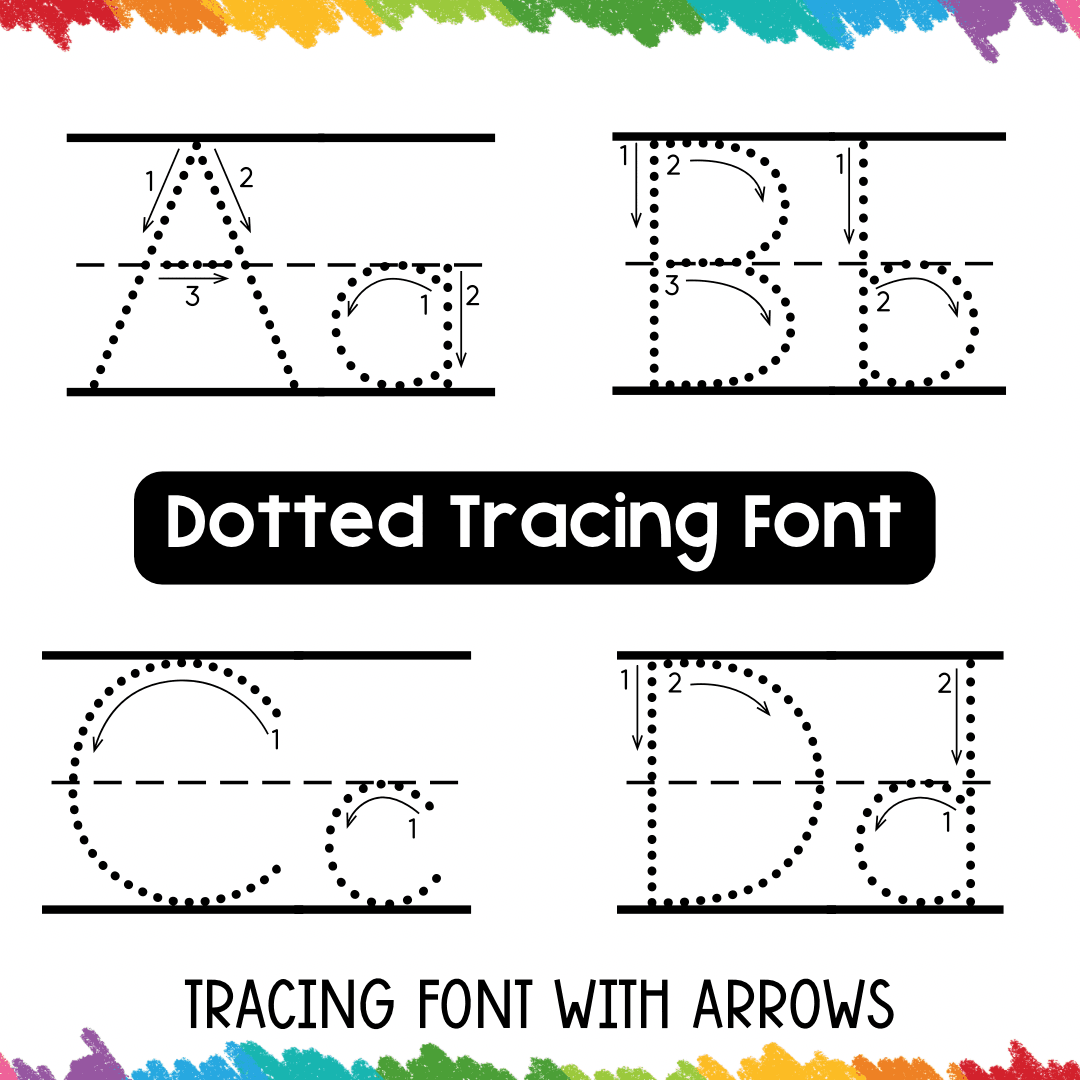
Many children recognize letters, shout out the alphabet, and point to printed words long before their fine motor control and hand strength are ready to actually form those shapes on paper. According to the American Occupational Therapy Association, foundational motor skills and visual-motor integration must develop collaboratively to support successful handwriting. Observing a child struggle with pencil pressure or upside-down strokes highlights the need for structured guidance rather than simple repetition. The free printable letter tracing with directional arrows provides a reliable bridge between cognitive recognition and physical execution, teaching correct letter formation from the very first stroke.
💡 Educational Key Takeaways:
- Core Skill: Structured Letter Tracing With Directional Arrows focused on developing pencil grip, stroke control, and early literacy/math confidence.
- Target Scope: Suited for homeschoolers, preschool, kindergarten, and elementary learners.
- Best Recommendation: Practice 10–15 minutes daily with ergonomic writing tools to reinforce muscle memory without hand fatigue.
What This Worksheet Covers
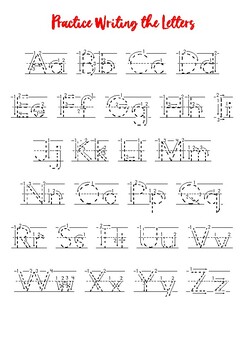
Mastering letter and numeral formation requires consistent practice with stroke order, starting points, and directionality. This specific resource focuses heavily on dotted letters and guided formation, ensuring young learners do not develop inefficient habits that become difficult to break later in childhood. When children trace letters using clear visual cues, they learn to coordinate their eyes and hands simultaneously. It sounds simple, and that’s the point: removing the guesswork allows the brain to focus entirely on building muscle memory for each distinct shape. Exploring additional Dotted Letters For Tracing expands this crucial foundation for early learners.
Key Learning Outcomes
Consistent interaction with directional arrows fosters several essential academic milestones. Children naturally build spatial awareness on the page, learning how letters anchor to baseline, midline, and top line boundaries. Proper pencil control strengthens the small muscles in the hand, paving the way for sustained writing endurance during longer classroom tasks. Furthermore, correct stroke sequence enhances letter recognition fluency, because the physical motion of writing reinforces the visual memory of the letter itself. Integrating this practice alongside Alphabet And Numbers Tracing ensures a well-rounded approach to early literacy and numeracy skills.
How to Use This Worksheet
Introducing a new tracing page works best when adults model the exact starting point and directional flow before handing over the writing utensil. Tracing with a finger first allows the child to feel the movement kinesthetically without the added pressure of pencil grip mechanics. Once the physical path is familiar, transitioning to a short, tripod-friendly crayon or broken piece of chalk encourages proper finger positioning naturally. Keeping sessions short and engaging prevents hand fatigue and frustration, turning handwriting practice into a positive, low-stress daily routine.
Practical Tips for Parents and Teachers
Adults play a pivotal role in scaffolding these early fine motor experiences. When a child grips a pencil too tightly or starts at the bottom of a letter instead of the top, gentle redirection preserves enthusiasm while correcting the habit. According to the National Association for the Education of Young Children guidelines on developmentally appropriate practice, young children thrive when instruction matches their current physical and cognitive capabilities. Providing vertical surfaces, such as taping the worksheet to an easel or wall, naturally promotes wrist extension and postural stability, which directly supports finer pencil control on a flat table.
Age-Appropriate Recommendations
Younger children between ages two and four benefit most from large, gross-motor arm movements, exploring pre-writing lines, and practicing basic tracing on oversized shapes. As children progress toward ages five through eight, their developing hand-target coordination aligns with structured handwriting curricula like Handwriting Without Tears, making this specific printable ideal for formal letter formation and spacing work. Tailoring expectations to the child’s developmental stage ensures that practice remains encouraging rather than overwhelming.
Visual-motor integration and fine motor control are primary predictors of early writing readiness and academic success. — American Occupational Therapy Association
Frequently Asked Questions
Answers to common questions regarding printable tracing resources help educators and families maximize learning outcomes effectively.
Explore More Free Printable Tracing Worksheets
Supporting a child’s early literacy journey involves exploring a wide variety of engaging, skill-building resources tailored to different developmental stages. Beyond alphabet practice, young learners often benefit from targeted exercises found across the full library at KidTraces.com. Whether focusing on pencil control through Shape and Line Tracing or preparing for kindergarten routines using Fine Motor and Pre-Writing Skills, consistent and joyful practice makes all the difference in building lifelong writing confidence.
Developmental Milestone & Activity Table
| Development Stage | Recommended Daily Duration | Primary Learning Objective |
|---|---|---|
| Preschool & Pre-K | 10 – 15 Minutes | Pencil grip development & basic pre-stroke lines |
| Kindergarten | 15 – 20 Minutes | Letter/number formation & spatial line awareness |
| Early Elementary (Grade 1–2) | 20 – 30 Minutes | Fluency, sentence construction & neatness |
Images References