Introduction
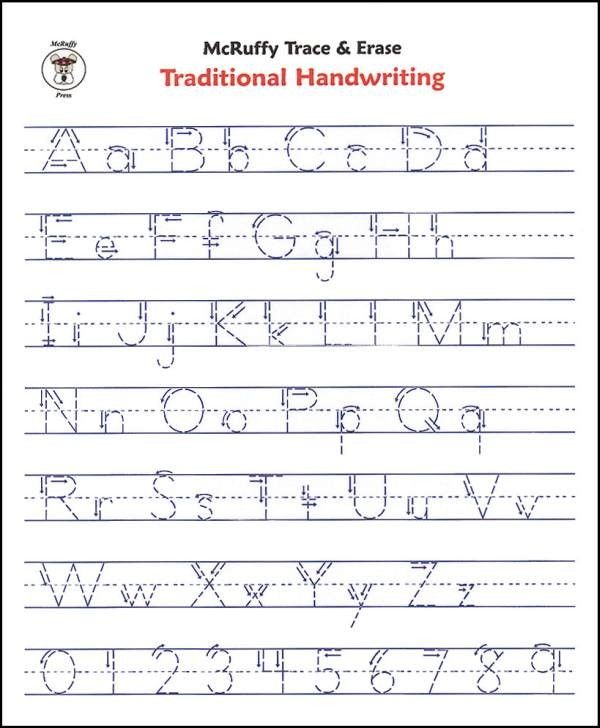
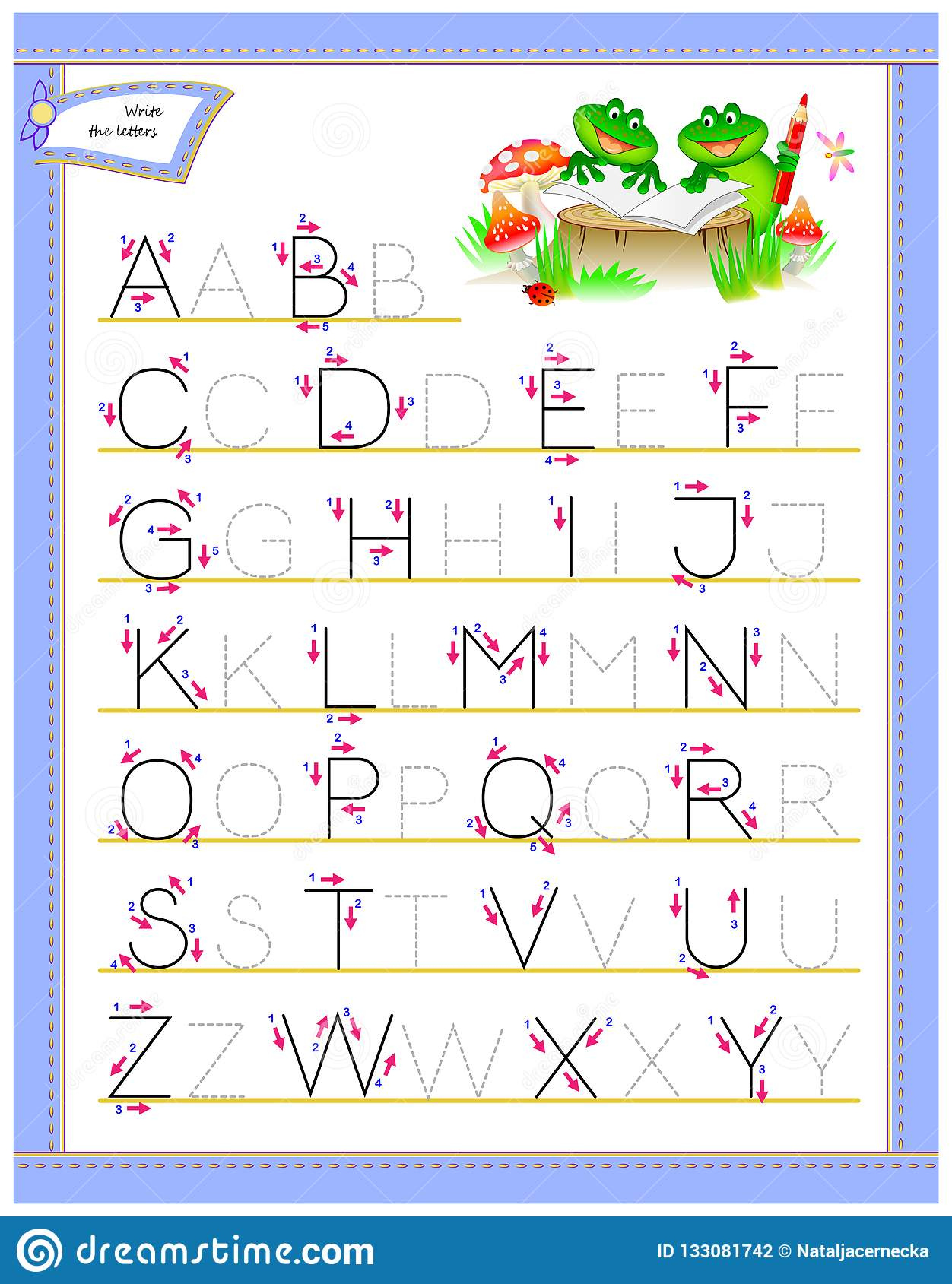
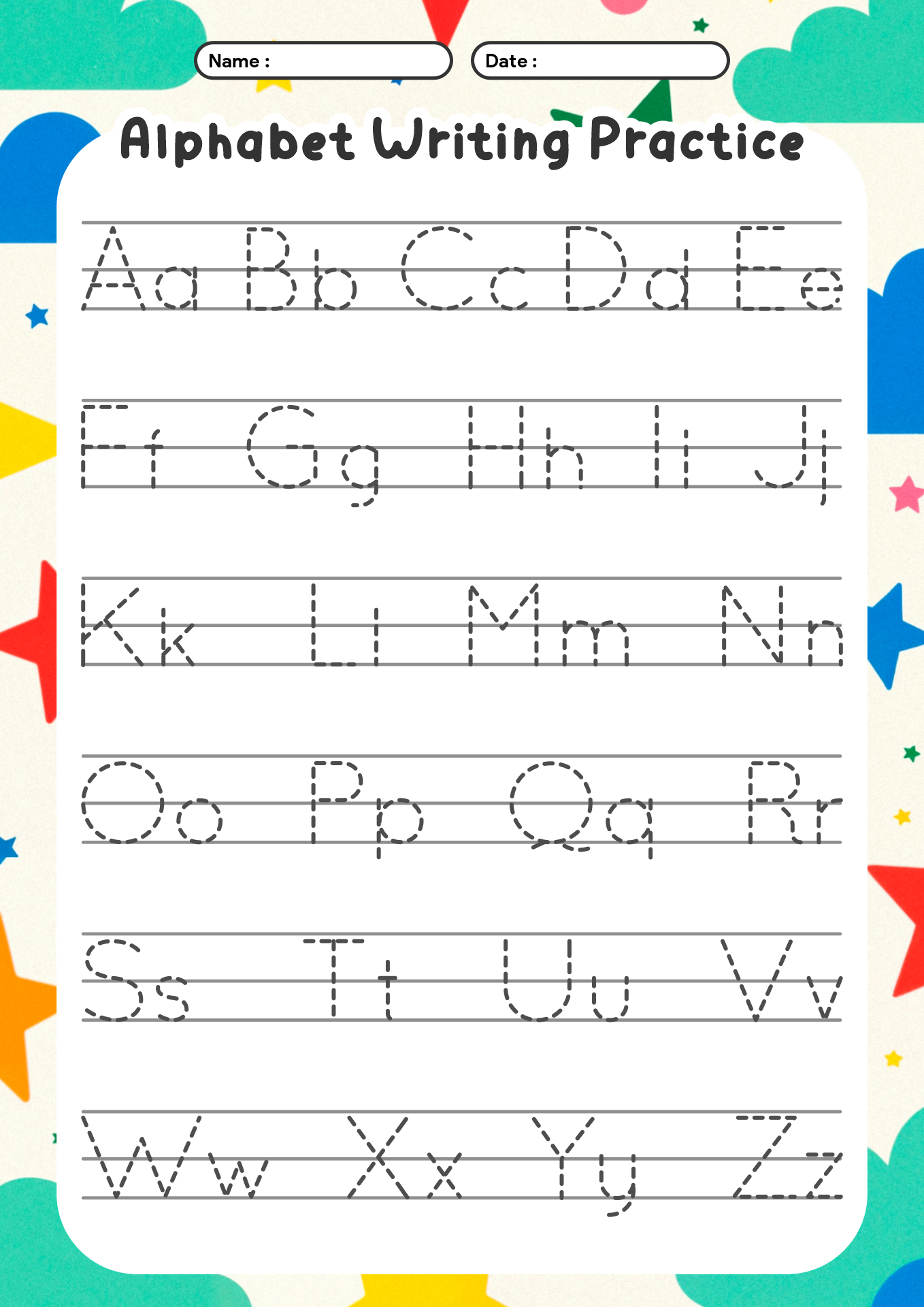
Many children recognize letters, point to street signs, and spell their own names long before their tiny hands possess the intrinsic muscle strength required to form those same letters on paper. According to the American Occupational Therapy Association, foundational fine motor control and bilateral coordination are essential prerequisites for functional handwriting tasks in early childhood. This developmental gap often frustrates eager learners when pencil meets paper. Bridging the divide between cognitive recognition and physical execution requires intentional tools that scaffold motor memory without causing hand fatigue. The stick font alphabet tracing worksheet pdf with stroke order arrows offers a clean, visual roadmap designed specifically to guide small hands through correct letter and numeral formation. By stripping away distracting artistic flourishes, this resource presents a pure, straightforward stick font that keeps visual clutter to an absolute minimum, allowing young learners to focus entirely on directional lines, curves, and starting points. Explore more in our Alphabet And Numbers Tracing collection.
💡 Educational Key Takeaways:
- Core Skill: Structured Stick Font Alphabet Tracing Worksheet Pdf With Stroke Order Arrows focused on developing pencil grip, stroke control, and early literacy/math confidence.
- Target Scope: Suited for homeschoolers, preschool, kindergarten, and elementary learners.
- Best Recommendation: Practice 10–15 minutes daily with ergonomic writing tools to reinforce muscle memory without hand fatigue.
What This Worksheet Covers
Mastering letter formation involves more than simply connecting dots on a page; it requires an internalized understanding of spatial orientation, top-to-bottom stroke habits, and left-to-right progression. According to the International Dyslexia Association, explicit instruction in handwriting and stroke direction significantly reinforces orthographic mapping, making letter retrieval automatic during early literacy tasks. The stick font layout targets these exact cognitive and physical demands by breaking down every letter of the alphabet into discrete, manageable strokes. Each character features clear, numbered arrows that teach children precisely where to place the writing utensil, which direction to move, and when to lift the pencil for the next stroke. This systematic approach transforms abstract geometric symbols into predictable, muscle-memory patterns that reduce letter reversals and build lasting writing fluency for preschool, kindergarten, and early elementary students. For more related activities, check out our Alphabet Tracing Cards Transport.
Key Learning Outcomes
Working consistently with guided tracing materials yields measurable improvements across several core developmental domains. Children naturally develop heightened visual-motor integration as their eyes track the directional arrows while their hands execute the corresponding lines. Fine motor precision flourishes through the repetitive, controlled movements needed to stay within narrow letter boundaries. Furthermore, early learners internalize correct stroke sequences, which prevents the formation of inefficient, slow habits like drawing letters from the bottom up. Letter recognition and phonics awareness also receive a powerful boost because the physical act of tracing imprints the visual shape of each character deeply into the child’s neurological pathways.
How to Use This Worksheet
Successful implementation relies heavily on timing, environmental setup, and respectful observation of each child’s current developmental stage. Children benefit most when introduced to just two or three target letters per session rather than attempting an entire alphabet sheet in one sitting. It sounds simple, and that’s the point: short, frequent, positive bursts of writing practice build endurance without triggering frustration or hand cramping. Before putting pencil to paper, encourage air-writing where the child traces the large stick font letters in the air using a straight index finger, engaging gross motor pathways first. Placing the worksheet on a slightly slanted surface or a specialized writing board can also promote an upright wrist posture, which naturally encourages a functional, tripod grasp over a maladaptive fisted grip.
Practical Tips for Parents and Teachers
Adults play a vital role as supportive coaches rather than strict taskmasters during early writing sessions. Modeling the correct grip openly and offering adaptive tools like short golf pencils or triangular crayons can instantly improve hand positioning. Scaffolding the activity involves gently guiding the child’s hand for the first stroke before letting them finish independently, while extending the learning might include asking the child to name words that start with the target letter once traced. Positive reinforcement should always highlight effort, persistence, and proper starting points rather than pristine aesthetic perfection. Keeping the mood light and encouraging ensures the child associates writing with creativity and success rather than anxiety.
Age-Appropriate Recommendations
Developmental readiness guides how adults should approach these printables across different age brackets. For children ages two to four, aligned with the National Association for the Education of Young Children Developmentally Appropriate Practice, the focus should remain on large pre-writing strokes, sensory tracing, and thick markers rather than demanding precise pencil control on small lines. By ages five to eight, as children navigate formal academic expectations outlined in Common Core ELA standards such as LK.1.a and RF.K.1.d, structured tracing sheets become invaluable tools for mastering legible manuscript printing, proper letter sizing, and appropriate spacing between words. Adapting expectations to match biological maturation prevents burnout and fosters lifelong confidence in written expression.
Explicit instruction in letter formation and consistent stroke direction significantly enhances orthographic mapping and reading fluency in young learners. — International Dyslexia Association
Frequently Asked Questions
Navigating early writing resources brings up common logistical and developmental questions for educators and families alike. Clear answers help streamline the learning process both at home and inside the busy classroom.
Explore More Free Printable Tracing Worksheets
Supporting a well-rounded fine motor and pre-writing curriculum requires access to a diverse array of targeted resources. Expanding beyond simple alphabet sheets allows children to refine pencil control across varying domains, from playful seasonal themes to structured geometric line practice. To discover a comprehensive library designed by educators and specialists, explore the complete collection of resources available at KidTraces.com. Whether looking to strengthen foundational muscle control through Fine Motor and Pre-Writing Skills, practice early letter recognition via Dotted Letters For Tracing, or build broader printing abilities using Alphabet And Numbers Tracing, every educator and parent can find supportive tools tailored to individual learning paths. Explore Shape and Line Tracing for early pencil strokes, browse Word and Name Tracing for personalized literacy growth, or check out Seasonal and Fun Themes to keep motivation soaring all year long.
Developmental Milestone & Activity Table
| Development Stage | Recommended Daily Duration | Primary Learning Objective |
|---|---|---|
| Preschool & Pre-K | 10 – 15 Minutes | Pencil grip development & basic pre-stroke lines |
| Kindergarten | 15 – 20 Minutes | Letter/number formation & spatial line awareness |
| Early Elementary (Grade 1–2) | 20 – 30 Minutes | Fluency, sentence construction & neatness |
Images References