Introduction
Many children recognize letters, shapes, and numbers long before their fine motor coordination is strong enough to form those same symbols on paper. According to the International Dyslexia Association, structured multi-sensory instruction is essential for connecting visual symbols to tactile and motor memory during early literacy development. Traditional paper-and-pencil tasks often fail because growing hands lack the intrinsic hand strength and arch stability required to maintain a functional pencil grasp. Bridging this developmental gap requires tools that engage multiple pathways of the nervous system simultaneously. The free printable multi sensory letter formation activities include what educators and occupational therapists look for to bridge tactile exploration and early writing readiness. It sounds simple, and that’s the point: combining tactile touch, verbal cues, and visual tracking turns abstract symbols into deeply rooted muscle memory.
💡 Technical Key Takeaways:
- Core Focus: Diagnostic schematic and terminal connection layout for Multi Sensory Letter Formation Activities Include What.
- Target Scope: Field technicians, automotive DIYers, and residential/commercial electricians.
- Safety Rule: Always disconnect the primary power source/battery terminal and verify zero voltage with a multimeter before touching wires.
What This Worksheet Covers
Letter and numeral formation requires a precise sequence of strokes, a clear starting point, and consistent directionality to prevent letter reversals and build fluid handwriting habits. When adults search for multi sensory letter formation activities include what resources provide, they discover materials designed to transition children from gross motor arm movements down to refined finger and wrist control. These printables anchor visual templates with touch-based cues, giving young learners tactile feedback before asking them to master pencil pressure. Exploring options within Alphabet And Numbers Tracing helps children build familiarity with standard stroke orders. Furthermore, integrating Dotted Letters For Tracing guides the hand along an intentional path, reducing cognitive fatigue while reinforcing spatial awareness across the writing surface.
Key Learning Outcomes
Mastering early handwriting mechanics involves several overlapping developmental milestones that ensure long-term writing fluency and speed. Children build functional pencil grasps and finger dexterity as they navigate curved and straight pre-writing strokes. Establishing consistent stroke directionality prevents common reversals of easily confused letters like b, d, p, and q. Spatial awareness improves significantly when learners keep their pencil tips within defined boundaries and respect baseline alignment. Finally, integrating tactile recognition with visual symbols accelerates alphabet knowledge, ensuring children can retrieve letter shapes quickly when transitioning to independent writing tasks.
How to Use This Worksheet
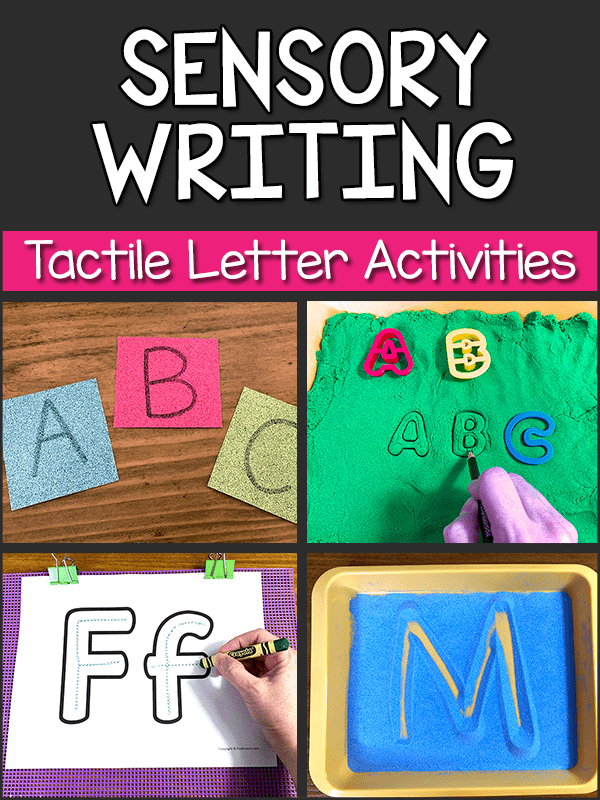
Effective implementation of tactile and tracing materials relies on keeping sessions short, engaging, and attuned to each child’s current attention span and hand fatigue levels. Before introducing a writing utensil, adults can have children trace the letters using their index fingers through textured mediums like salt trays or sandpaper sheets. Transitioning to the physical page requires careful attention to posture, ensuring feet rest flat on the floor and paper is angled appropriately to match the child’s natural writing slant. Reviewing Fine Motor and Pre-Writing Skills offers additional context on how hand strength directly influences pencil control. It’s often helpful to laminate the printables or slide them into dry-erase sleeves, allowing children to practice repeatedly without the pressure of permanent mistakes.
Practical Tips for Parents and Teachers
Adults play a crucial role in scaffolding learning by modeling correct grip and verbalizing stroke directions out loud during practice sessions. Rather than correcting every error, focus praise on effort, correct starting points, and smooth continuous lines. Short, five-minute daily practice sessions yield far better neural retention than long, exhausting weekend worksheets. When children show signs of hand fatigue, such as squeezing the pencil too tightly or dropping their wrist, pause the activity and incorporate hand-strengthening games like playing with clay or squeezing sponges. Scaffolding also involves grading the task: start with larger gross-motor tracing on vertical surfaces before moving to smaller, seated desk work.
Age-Appropriate Expectations
According to the National Association for the Education of Young Children Developmentally Appropriate Practice, toddlers and preschoolers aged two to four learn best through sensory-rich, exploratory play that builds gross motor control and basic pre-writing lines. Children in this stage benefit from large arm movements, vertical surface painting, and tracing simple shapes rather than forming exact letters. By ages five through eight, aligned with Kindergarten and first-grade Common Core standards such as CCSS.ELA-LITERACY.L.K.1.A and CCSS.ELA-LITERACY.L.1.1.A, children transition to writing uppercase and lowercase letters with correct formation, spacing, and appropriate line sizing. Recognizing this developmental progression ensures that expectations match neurological and physical readiness.
Multi-sensory instruction significantly improves letter naming and writing fluency in early childhood learners by engaging visual, auditory, and kinesthetic pathways simultaneously. — International Dyslexia Association
Frequently Asked Questions
Navigating early writing tools is easier with clear, direct answers to common questions about printing, fine motor development, and educational standards.
Tracing supports fine motor development by strengthening the intrinsic hand muscles, improving visual-motor integration, and teaching pencil control needed for legible handwriting. — American Occupational Therapy Association
Explore More Free Printable Tracing Worksheets
Supporting a young writer requires a diverse toolkit of engaging resources designed to keep practice fresh and motivating. Whether children need extra practice with Shape and Line Tracing to master pencil control or seasonal motivation through Seasonal and Fun Themes, having access to varied printables makes all the difference. Explore the complete collection of learning materials by visiting KidTraces.com to find targeted activities for every stage of development.
Quick Wiring Specifications & Terminal Guide
| Component / Circuit | Standard Wire Gauge | Recommended Protection |
|---|---|---|
| Control & Trigger Signals | 18 – 20 AWG | 5A – 7.5A Inline Fuse |
| Standard Auxiliary Load | 14 – 16 AWG | 15A – 20A Circuit Breaker |
| Main Power Feed / Supply | 10 – 12 AWG | 30A – 40A Heavy-Duty Relay |
Images References