Introduction
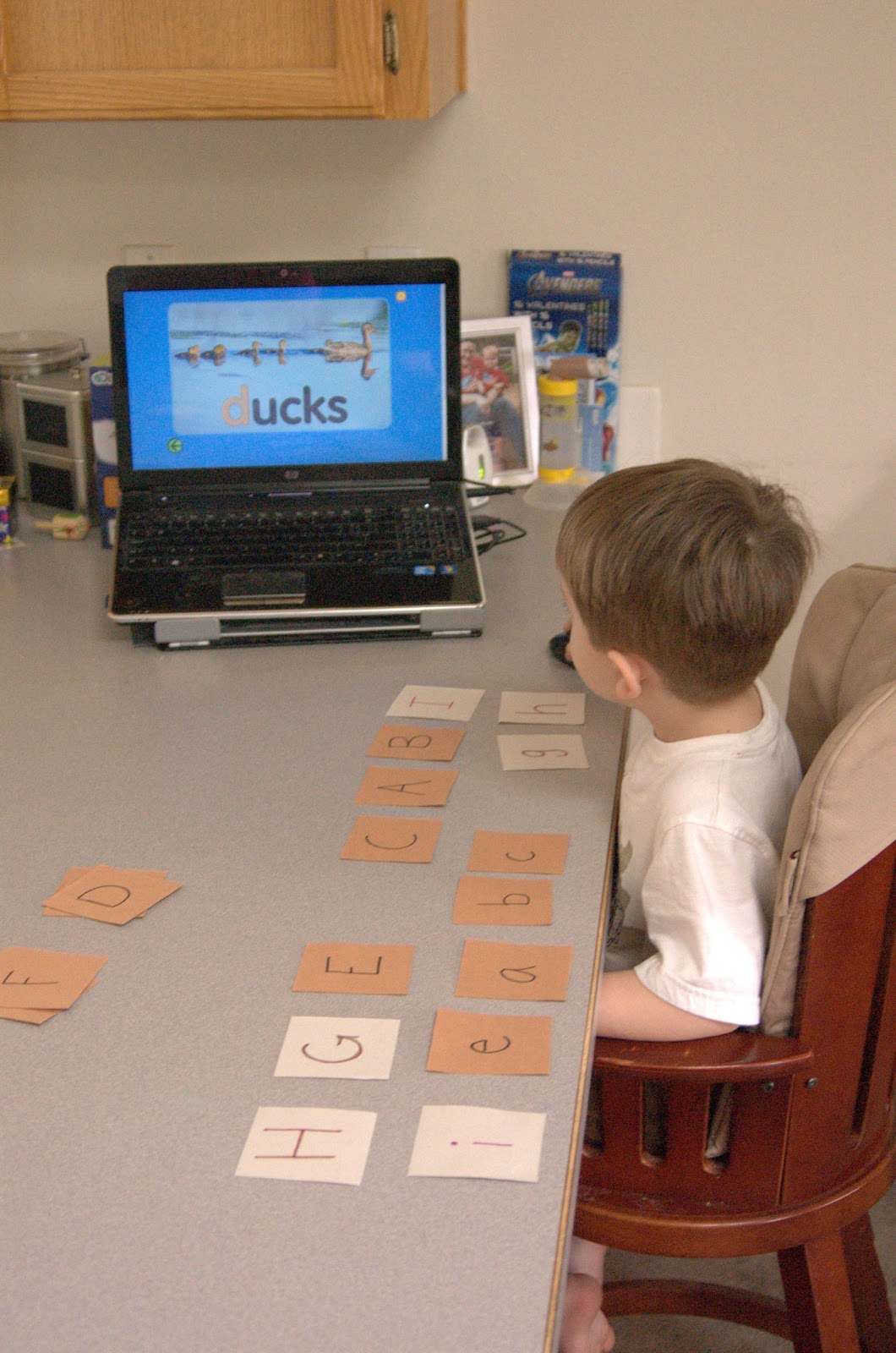
Many children recognize letters, sounds, and visual symbols long before their developing hand muscles possess the endurance and dexterity required to actually form them on paper. According to the National Association for the Education of Young Children, young learners thrive when early literacy experiences are paired with hands-on, developmentally appropriate fine motor practice rather than rigorous desk drills. Bridging this gap between cognitive recognition and physical execution requires intentional tools that scaffold letter formation without overwhelming the child. The free printable starfall letter d activities provide an engaging bridge, blending phonics awareness with targeted pencil control to support early childhood development. Explore more in our Seasonal and Fun Themes collection.
💡 Technical Key Takeaways:
- Core Focus: Diagnostic schematic and terminal connection layout for Starfall Letter D Activities.
- Target Scope: Field technicians, automotive DIYers, and residential/commercial electricians.
- Safety Rule: Always disconnect the primary power source/battery terminal and verify zero voltage with a multimeter before touching wires.
What This Worksheet Covers
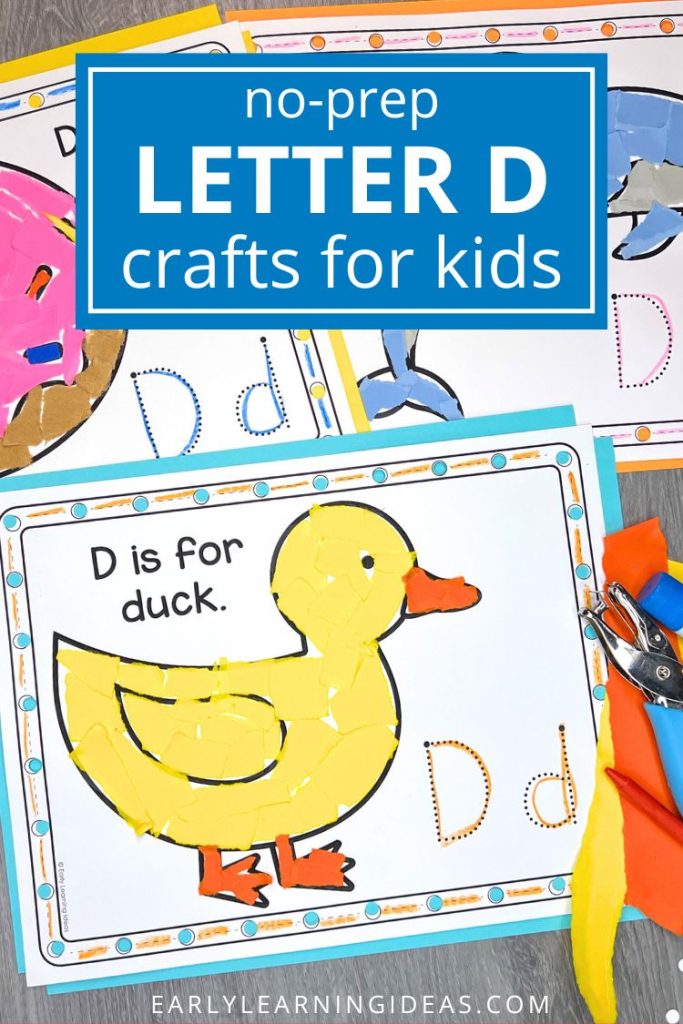
Mastering the letter D demands a specific combination of vertical line control and smooth, continuous curve formation. This resource focuses heavily on guided letter and numeral formation, stroke order, and directional awareness through structured practice grids. It sounds simple, and that’s the point. By isolating the vertical stem and the sweeping bowl of the uppercase and lowercase D, the printables reduce cognitive overload so the hand can focus entirely on motor execution. Children encounter dotted outlines that provide clear visual feedback, teaching them precisely where to anchor the pencil and how to move it across the page without lifting prematurely.
Key Learning Outcomes
Engaging consistently with structured letter tracing fosters several critical developmental milestones essential for academic readiness. Learners develop enhanced visual-motor integration, translating what the eye perceives into precise hand movements across the paper. Consistent practice strengthens the intrinsic muscles of the hand and fingers, directly improving pencil grasp and reducing writing fatigue during longer tasks. Furthermore, children build strong directional habits, learning that letters typically begin at the top and move downward or rightward. Letter recognition and phonemic awareness also deepen organically as the hand repeatedly mimics the physical shape of the target sound, cementing the connection between letter symbols and spoken language.
How to Use This Worksheet
Introducing a new letter page works best when integrated into a broader, multi-sensory literacy routine rather than presented as an isolated task. Adults can begin by having children trace the giant letter D outline in the air, in a tray of sand, or on a textured surface to build muscle memory before touching a pencil to paper. When transitioning to the printable sheet, encourage a functional tripod or modified grasp that allows for fluid finger movement. It helps to sit beside the learner, offering gentle verbal cues about starting points and pencil directionality rather than taking over the writing utensil.
Practical Tips for Parents and Teachers
Here’s what makes this worksheet different: it allows for flexible scaffolding depending on where the child is in their fine motor journey. For younger or struggling writers, slipping the printed sheet inside a heavy-duty dry-erase pocket allows them to practice with chunky markers, which are easier to grip and effortlessly wipe away for a low-stakes do-over. Breaking practice into short, five-minute sessions prevents hand cramping and keeps enthusiasm high. Adults can also extend the learning by inviting children to hunt around the room for objects starting with the target sound after finishing the tracing lines, connecting the physical pencil stroke back to real-world vocabulary.
Age-Appropriate Recommendations
For toddlers and preschoolers ages two through four, the primary objective centers on exploring pre-writing strokes, building finger strength, and experimenting with general pencil control using thick crayons or markers. According to Handwriting Without Tears guidelines, children in this age bracket benefit most from large-scale motor movements and playful exploration of vertical and curved lines. As children progress into kindergarten and early elementary school, ages five through eight, expectations shift toward precise letter formation, accurate stroke sequencing, and consistent sizing within standard writing lines. At this stage, the starfall letter d activities serve as an effective tool for refining pencil pressure and building the automaticity required for fluent, legible handwriting.
Handwriting automaticity frees working memory for higher-level composition and creative expression in early elementary grades — International Dyslexia Association
Frequently Asked Questions
Navigating early literacy resources is straightforward when caregivers have clear answers to common printing and developmental questions regarding these specialized tracing sheets.
Explore More Free Printable Tracing Worksheets
Supporting a well-rounded pre-writing curriculum requires a diverse assortment of practice materials that grow alongside the child’s abilities. Caregivers and educators can discover a vast collection of guided resources by browsing through Dotted Letters For Tracing for foundational letter practice. To strengthen foundational hand control before tackling letters, explore the variety available under Fine Motor and Pre-Writing Skills. Additionally, children learning foundational strokes will love the options found in Shape and Line Tracing. Every child learns at an individualized pace, and having access to varied, supportive printables makes all the difference. Visit the full library anytime at KidTraces.com to find everything needed to inspire a lifelong love of writing.
Quick Wiring Specifications & Terminal Guide
| Component / Circuit | Standard Wire Gauge | Recommended Protection |
|---|---|---|
| Control & Trigger Signals | 18 – 20 AWG | 5A – 7.5A Inline Fuse |
| Standard Auxiliary Load | 14 – 16 AWG | 15A – 20A Circuit Breaker |
| Main Power Feed / Supply | 10 – 12 AWG | 30A – 40A Heavy-Duty Relay |
Images References