Introduction
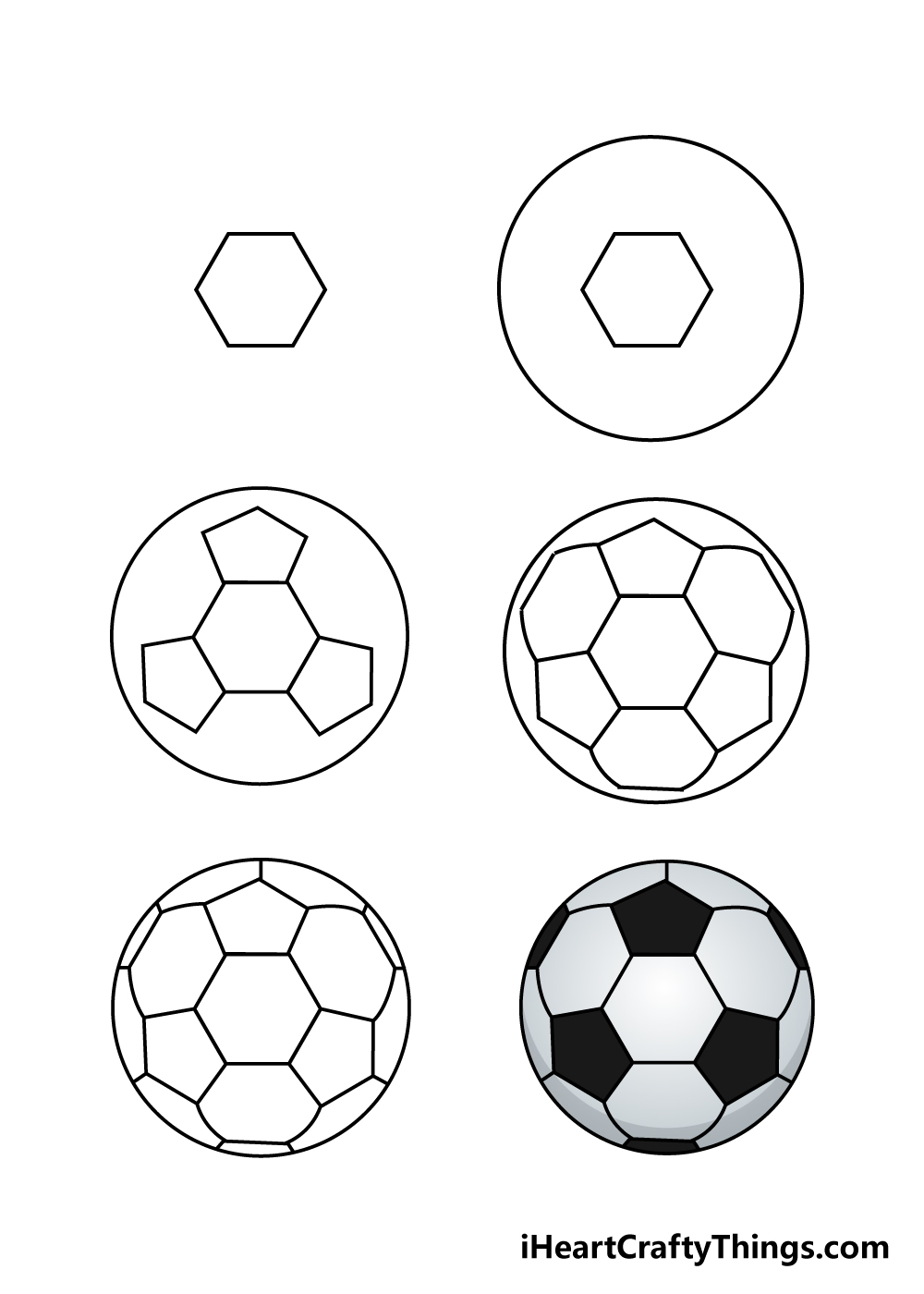
Many young children recognize letters, shapes, and numbers long before their fine motor coordination allows them to comfortably form them on paper. According to the American Occupational Therapy Association, foundational hand strength and visual-motor integration must develop collaboratively before children can achieve functional pencil control. Tapping into high-interest themes can bridge this gap by transforming repetitive penmanship drills into engaging play. Seasonal and recreational motifs capture attention span, reducing resistance during pencil-to-paper tasks. Within this developmental landscape, the soccerball trce worksheet provides a targeted bridge between active play and structured pre-writing practice. It sounds simple, and that is the exact point: reducing visual clutter allows young learners to focus entirely on stroke execution, spatial awareness, and rhythm. Here is what makes this printable resource different: it harnesses a beloved sport to motivate reluctant writers while building essential muscle memory through thematic tracing lines. Explore more in our Seasonal and Fun Themes collection.
💡 Technical Key Takeaways:
- Core Focus: Diagnostic schematic and terminal connection layout for Soccerball Trce.
- Target Scope: Field technicians, automotive DIYers, and residential/commercial electricians.
- Safety Rule: Always disconnect the primary power source/battery terminal and verify zero voltage with a multimeter before touching wires.
What This Worksheet Covers
This printable resource focuses heavily on thematic control, guiding children through purposeful movement patterns designed to refine hand-eye coordination. Tracing pathways require continuous visual attention and precise muscular adjustments from the shoulder, elbow, and wrist down to the intrinsic muscles of the hand. While many adults view tracing as a passive exercise, practitioners observe that children must actively engage their proprioceptive systems to keep pencils moving smoothly along dotted lines. The soccerball trce layout incorporates curved lines, diagonal paths, and circular motifs that mimic the kicking trajectories and hexagonal patterns associated with the sport. Through these varied line structures, young learners experience the foundational strokes required for both manuscript lettering and numeral formation. For more related activities, check out our Traceable Image Santa Sleigh.
Key Learning Outcomes
Engaging consistently with this resource helps children build postural stability, which serves as the physical anchor for all upper-body dexterity. As little fingers navigate the soccer-themed paths, they refine bilateral coordination by learning to stabilize the paper with one hand while the dominant hand executes the pencil stroke. Additionally, visual-motor integration improves significantly as young minds learn to translate what the eyes perceive into controlled physical action across the page. Children also develop crucial directional habits, learning to approach tracing patterns from left to right and top to bottom, which directly supports future reading and writing fluency. Ultimately, repeated exposure to these guided lines fosters pencil confidence, turning moments of initial frustration into calm, focused engagement.
How to Use This Worksheet
Successful implementation relies on creating an inviting workspace where posture and physical alignment are prioritized before any writing begins. Children should sit with feet flat on the floor, hips and knees at ninety-degree angles, and forearms resting comfortably on the table surface. Inserting the printable into a reusable dry-erase pocket allows children to practice without the pressure of permanent mistakes, encouraging them to test different angles and retry challenging curves. Adults can introduce the exercise by having the child trace the lines with an index finger first, activating tactile feedback before introducing a writing utensil. Once the pencil touches the paper, the focus shifts to maintaining steady pacing rather than rushing to finish the page.
Practical Tips for Parents and Teachers
Supporting healthy hand mechanics starts with modeling an efficient tripod grasp while avoiding rigid corrections that cause hand fatigue or tension. If a child fatigues quickly, switching to shorter, thicker writing tools like broken crayons or golf pencils can naturally encourage correct finger placement without forceful intervention. Scaffolding the activity involves gently guiding a child’s hand through the first few strokes to demonstrate rhythm and pressure before letting them work independently. For children who master the basic paths quickly, adults can extend the learning by asking them to describe the direction of the lines using spatial vocabulary like zigzag, loop, or curve. Encouraging breaks whenever posture slumps keeps the experience positive and prevents the formation of compensatory movement habits.
Age-Appropriate Recommendations
According to the National Association for the Education of Young Children Developmentally Appropriate Practice guidelines, children aged two to four benefit most from large, gross-motor-based pre-writing experiences and thick writing utensils that accommodate palmer grasps. During this early stage, the soccerball trce can be used on a vertical surface like an easel to encourage wrist extension and shoulder stability, which are critical precursors to fine motor control. For children aged five to eight, the focus shifts toward refined pencil control, proper letter proportions, and stamina during sustained writing tasks. At this older stage, the worksheet serves as a warm-up activity to prepare hand muscles for formal handwriting instruction aligned with early elementary expectations. Tailoring the complexity of the task to the child’s specific developmental window ensures that practice remains challenging yet thoroughly achievable.
Foundational hand strength and visual-motor integration must develop collaboratively before children can achieve functional pencil control. — American Occupational Therapy Association
Frequently Asked Questions
Answers to common questions regarding this resource clarify how to integrate tracing sheets effectively into daily routines at home or inside the classroom.
Explore More Free Printable Tracing Worksheets
Expanding a child’s fine motor toolkit requires access to a diverse variety of engaging, developmentally appropriate practice materials. For targeted practice with letters, explore the collection of Alphabet And Numbers Tracing sheets. To build early literacy recognition and letter formation, browse through the options available under Dotted Letters For Tracing. Building fundamental hand strength and pencil control is seamless when utilizing the resources found in Fine Motor and Pre-Writing Skills. Educators and caregivers can also discover countless thematic layouts by visiting the main library housed at KidTraces.com to support every stage of early childhood development.
Quick Wiring Specifications & Terminal Guide
| Component / Circuit | Standard Wire Gauge | Recommended Protection |
|---|---|---|
| Control & Trigger Signals | 18 – 20 AWG | 5A – 7.5A Inline Fuse |
| Standard Auxiliary Load | 14 – 16 AWG | 15A – 20A Circuit Breaker |
| Main Power Feed / Supply | 10 – 12 AWG | 30A – 40A Heavy-Duty Relay |
Images References