Introduction
Many children recognize letters, shapes, and patterns long before their fine motor skills can consistently form them on paper. According to the American Occupational Therapy Association, foundational hand strength and pencil control must develop progressively through purposeful play and targeted pre-writing exercises before complex writing tasks become comfortable. It sounds simple, and that is the point. When holiday magic enters the learning environment, engagement naturally follows. The reindeer tracing lines worksheet bridges the gap between playful seasonal motivation and essential pencil control. Early childhood classrooms and home learning spaces thrive on resources that capture attention while quietly building crucial neural pathways. Guiding a small pencil along a curving reindeer track transforms a routine drill into an exciting journey across the page, helping young learners stabilize their paper, coordinate both hands, and refine their visual-motor integration without frustration.
💡 Educational Key Takeaways:
- Core Skill: Structured Reindeer Tracing Lines Worksheet focused on developing pencil grip, stroke control, and early literacy/math confidence.
- Target Scope: Suited for homeschoolers, preschool, kindergarten, and elementary learners.
- Best Recommendation: Practice 10–15 minutes daily with ergonomic writing tools to reinforce muscle memory without hand fatigue.
What This Worksheet Covers
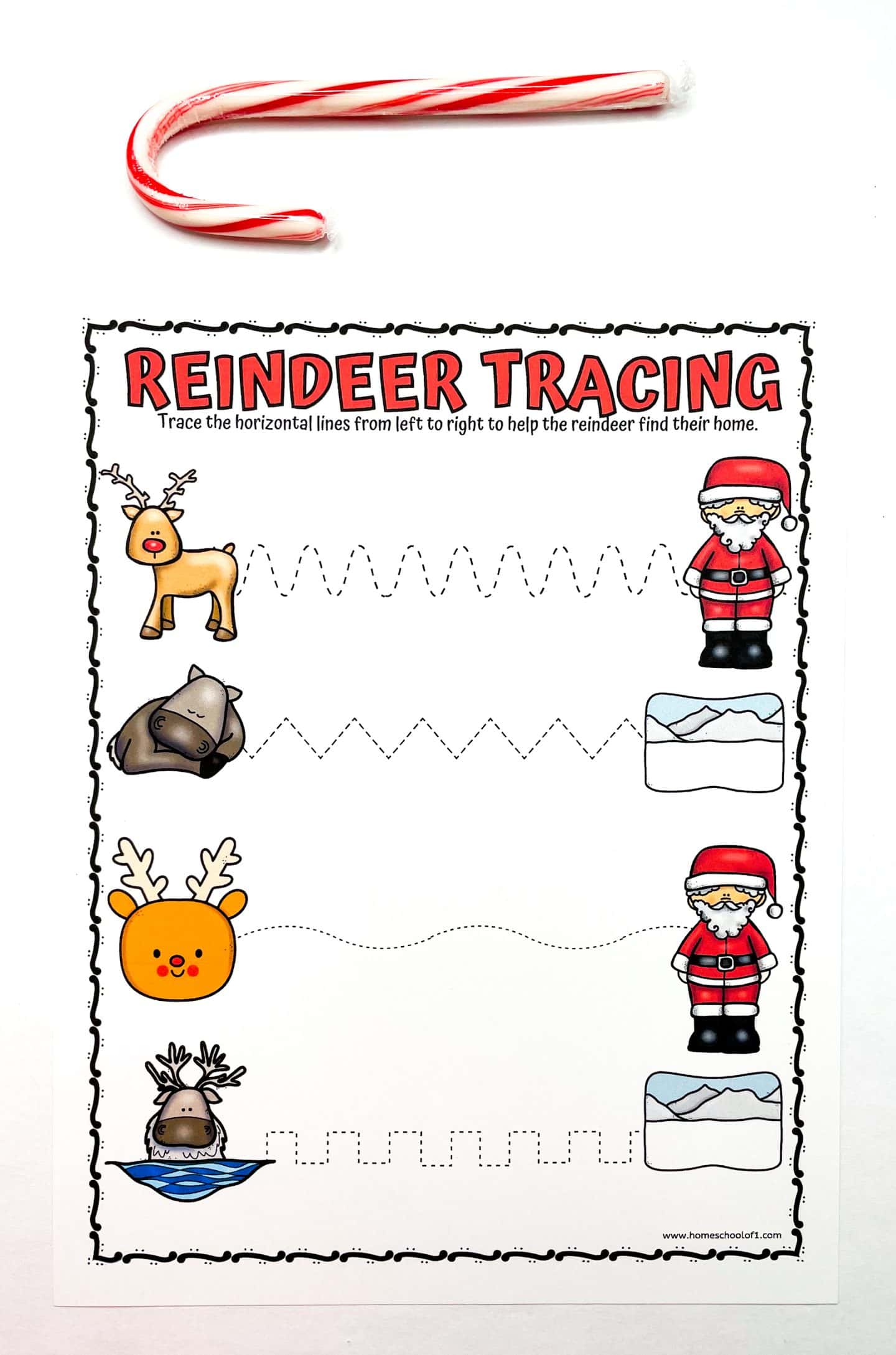
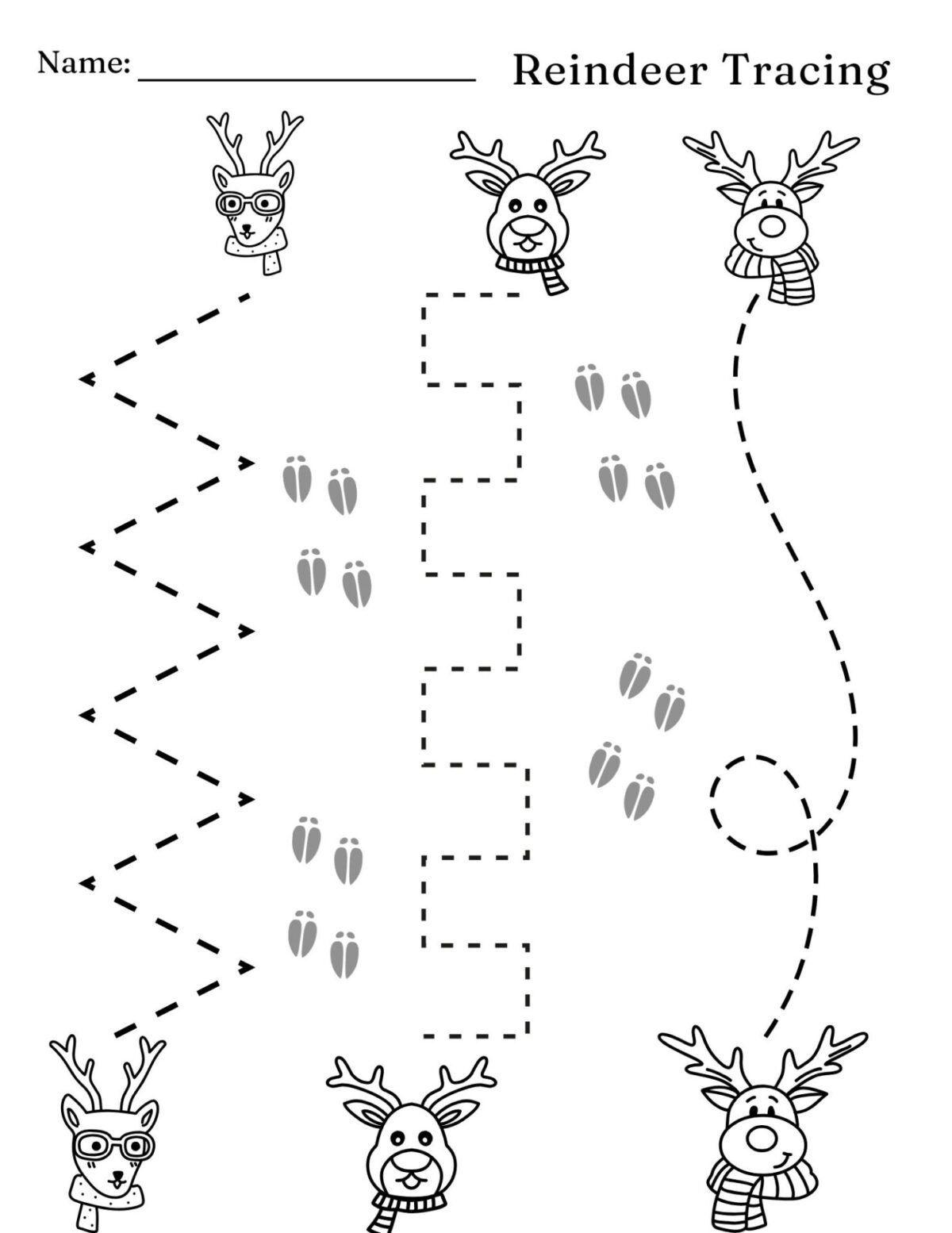
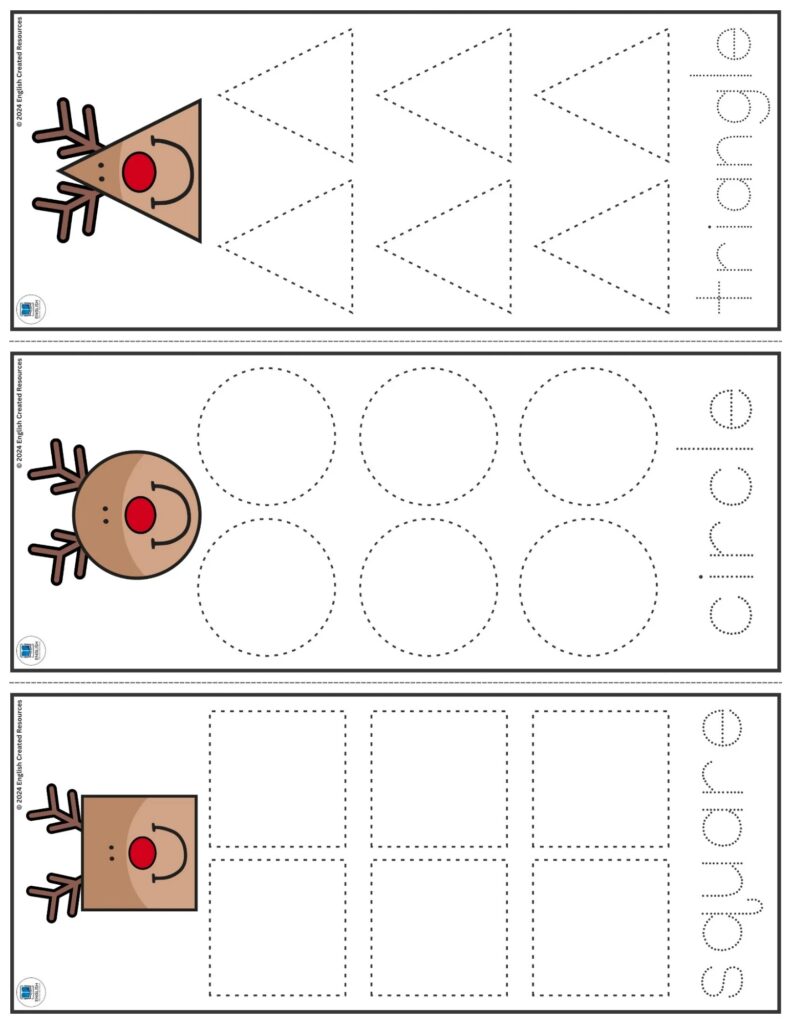
Pencil control is not something that appears overnight; it requires deliberate practice with varied strokes, angles, and lengths. This resource presents a carefully curated progression of horizontal, vertical, diagonal, wavy, and zigzag paths that mimic the joyful travels of holiday reindeer. Working through these distinct patterns prepares little hands for the complex curves and intersecting lines found in both manuscript and cursive writing systems. Children naturally discover how to adjust their hand pressure and maintain continuous visual tracking as they connect a friendly reindeer to a star, a sleigh, or a snowy forest. Such foundational movements reinforce the biomechanical mechanics of the hand, specifically targeting the intrinsic muscles responsible for precise finger movements. Exploring these seasonal paths directly supports broader Fine Motor and Pre-Writing Skills needed for academic independence.
Key Learning Outcomes
Young learners engaging with these festive paths build exceptional visual-motor integration by matching eye movements to hand execution across the page. Consistent repetition of straight and curved strokes enhances bilateral coordination, teaching the non-dominant hand to securely anchor the paper while the dominant hand moves. Stroke fluidity improves noticeably as children learn to moderate their speed, pausing at directional changes and sweeping smoothly through wide, rolling loops. Spatial awareness expands naturally as little ones navigate between boundary lines, respecting margins and understanding directional flow from left to right. Confidence blooms with every completed path, establishing a positive psychological association with writing tasks that carries over into everyday classroom activities.
How to Use This Worksheet
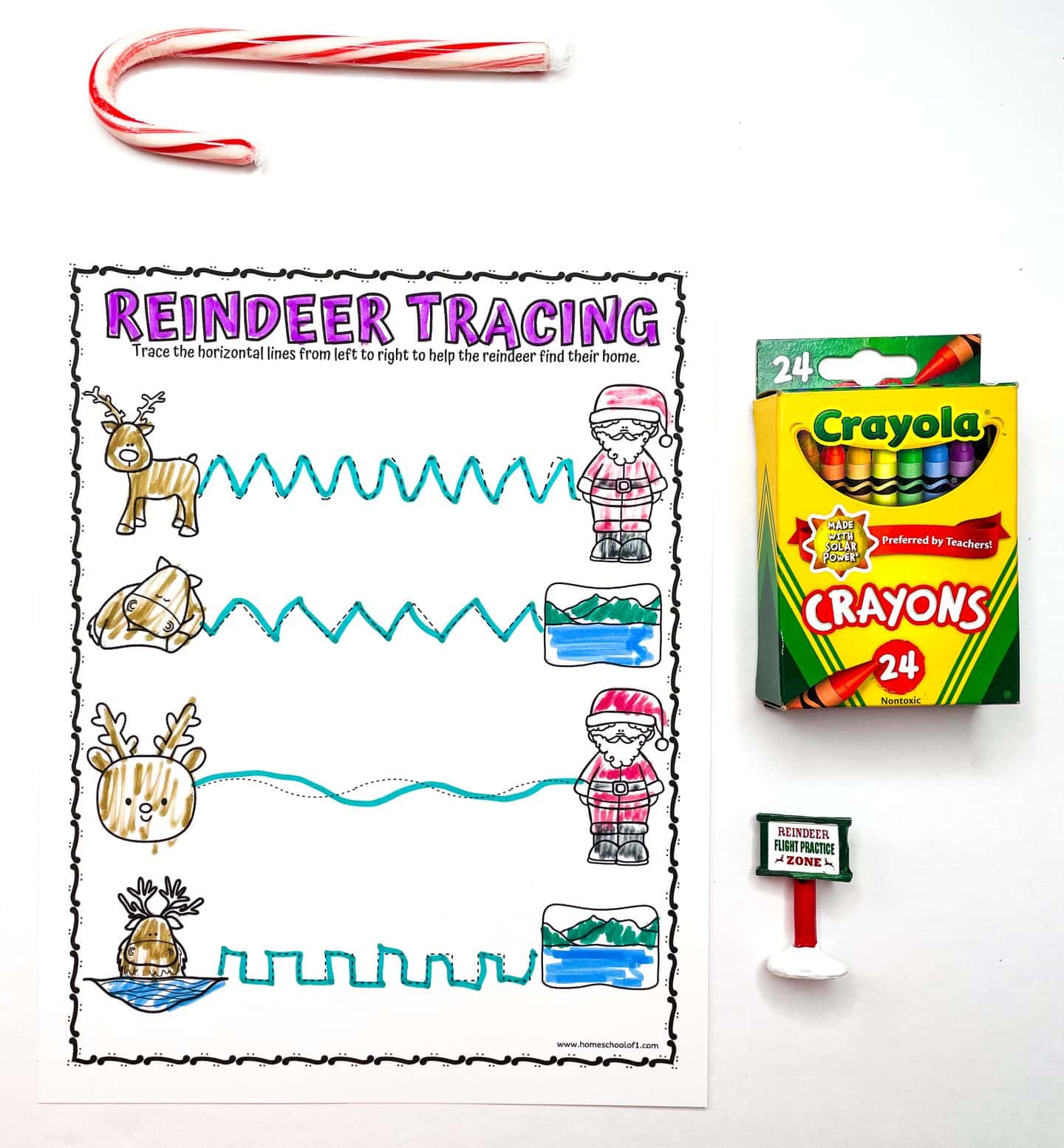
Successful implementation relies on meeting children at their current developmental level rather than forcing rigid expectations too early. Placing the sheet on a vertical surface, such as an easel or taped to a wall, naturally encourages an upright wrist posture and activates the large shoulder stabilizer muscles required for sustained writing endurance. Thicker writing utensils like short crayons, broken chalk, or golf pencils encourage an appropriate tripod or quadrupod grasp by discouraging full-fist wrapping habits. Educators often observe that children who resist standard worksheets will readily engage with themed activities when given permission to use scented markers or colored pencils to guide their reindeer home.
Practical Tips for Parents and Teachers
Adults can scaffold the experience by modeling proper pencil grip right before handing over the writing tool, demonstrating how the thumb and index finger form a friendly pinch. Tracing over the dotted lines first with an index finger provides a valuable kinesthetic preview, allowing the brain to map the movement before the pencil touches the paper. Scaffolding might involve gently steadying a child’s hand for the first few loops, then gradually fading physical assistance until independent control takes over. Extending the activity is just as easy: encourage children to tell a short story about the reindeer’s journey across the page, seamlessly blending early literacy and oral language development with physical motor practice.
Age-Appropriate Recommendations
Developmental expectations vary significantly across early childhood, making tailored approaches essential for lasting success. According to the National Association for the Education of Young Children guidelines for developmentally appropriate practice, toddlers and young preschoolers ages two through four benefit most from thick, continuous lines, gentle waves, and tactile tracing experiences that focus on gross-to-fine motor exploration. Children ages five through eight are ready to tackle narrower paths, intricate zigzags, and precise directional lines that closely mirror formal letter formation and spacing requirements found in standard curricula. Integrating themed resources from Seasonal and Fun Themes ensures that older preschoolers and early elementary students remain motivated as writing demands increase.
Foundational hand strength and pencil control must develop progressively through purposeful play and targeted pre-writing exercises before complex writing tasks become comfortable. — American Occupational Therapy Association
Frequently Asked Questions
Clear guidance helps adults maximize the benefits of tracing activities while keeping the experience lighthearted and stress-free for growing children.
Explore More Free Printable Tracing Worksheets
Building strong pre-writing foundations requires a diverse library of engaging, low-prep resources that keep young learners motivated throughout the entire year. Beyond holiday-inspired paths, children benefit greatly from exploring foundational letter forms through Alphabet And Numbers Tracing sheets and structured shape paths found within Shape and Line Tracing collections. Every printable is carefully crafted by educators and therapists to support developmental milestones in a playful, pressure-free environment. Discover the complete collection of free resources designed to support early childhood growth by visiting KidTraces.com today.
Developmental Milestone & Activity Table
| Development Stage | Recommended Daily Duration | Primary Learning Objective |
|---|---|---|
| Preschool & Pre-K | 10 – 15 Minutes | Pencil grip development & basic pre-stroke lines |
| Kindergarten | 15 – 20 Minutes | Letter/number formation & spatial line awareness |
| Early Elementary (Grade 1–2) | 20 – 30 Minutes | Fluency, sentence construction & neatness |
Images References