Introduction
Many children recognize upper-case letters, name them proudly on street signs, and point them out in storybooks long before their fine motor coordination allows them to actually form those shapes on paper. According to the National Association for the Education of Young Children, early writing development relies heavily on building hand strength and visual-motor integration before expecting formal letter mastery. It sounds simple, and that is the exact point of early intervention. Young hands need deliberate, structured support to bridge the gap between cognitive letter recognition and physical execution. Mastery starts with understanding how the hand moves across a page. This is where the letter tracing formation sheets capital letters resource transforms raw kinetic energy into purposeful, controlled penmanship through guided repetition. Explore more in our Alphabet And Numbers Tracing collection.
💡 Educational Key Takeaways:
- Core Skill: Structured Letter Tracing Formation Sheets Capital Letters focused on developing pencil grip, stroke control, and early literacy/math confidence.
- Target Scope: Suited for homeschoolers, preschool, kindergarten, and elementary learners.
- Best Recommendation: Practice 10–15 minutes daily with ergonomic writing tools to reinforce muscle memory without hand fatigue.
What This Worksheet Covers
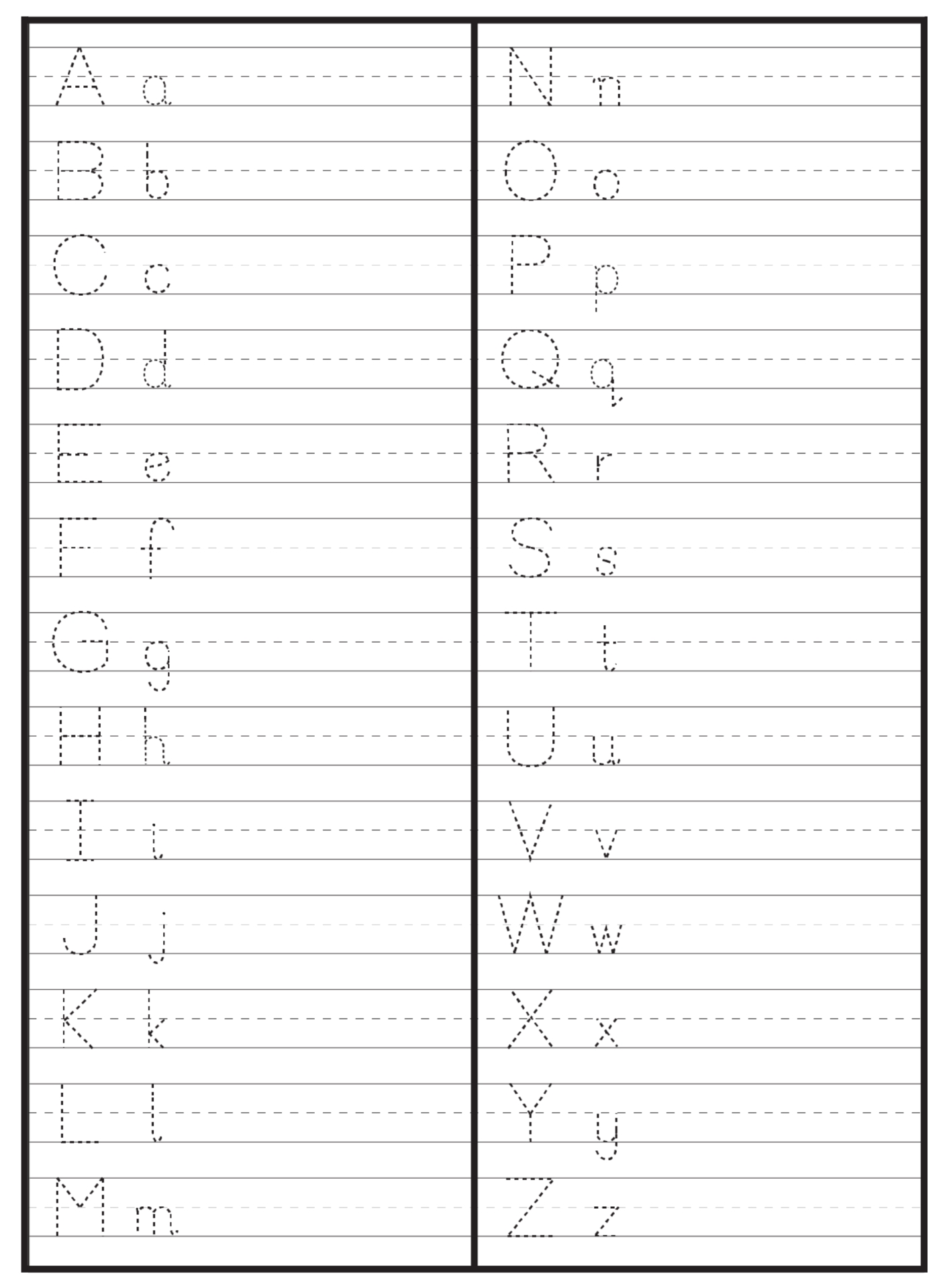
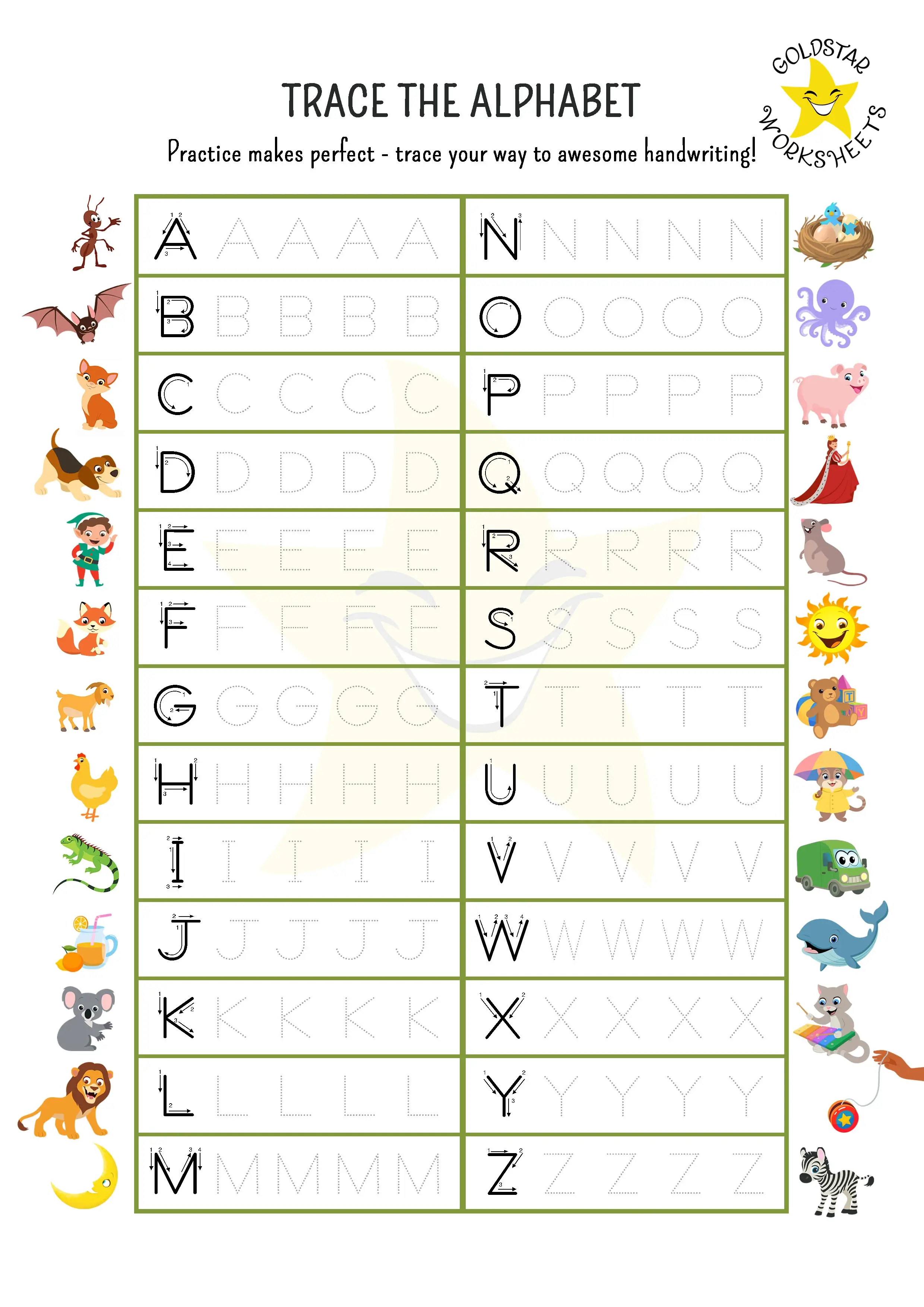
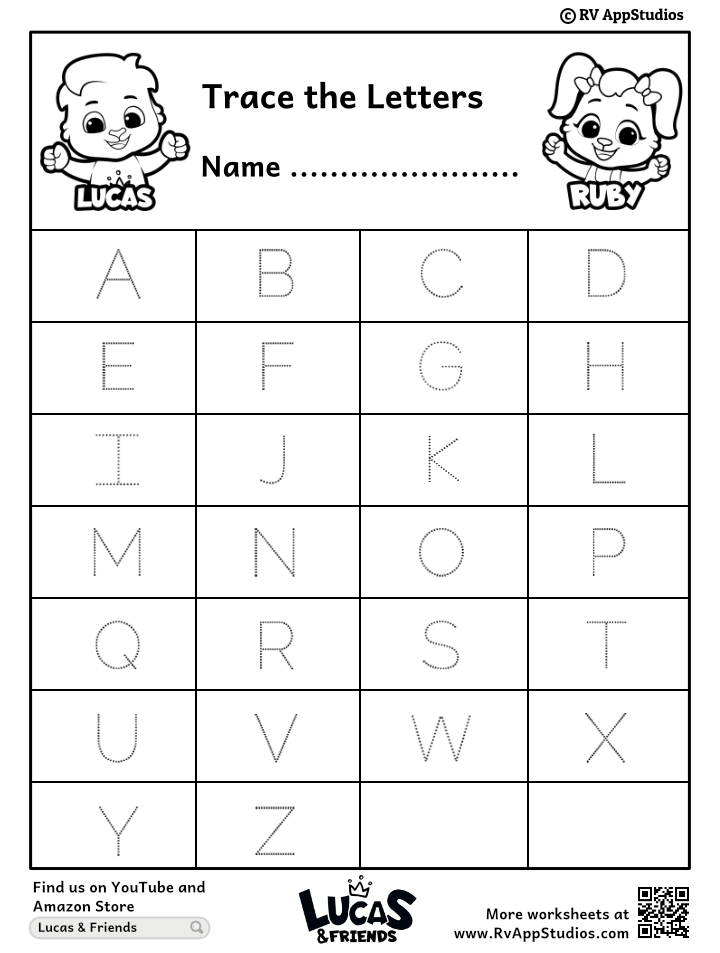
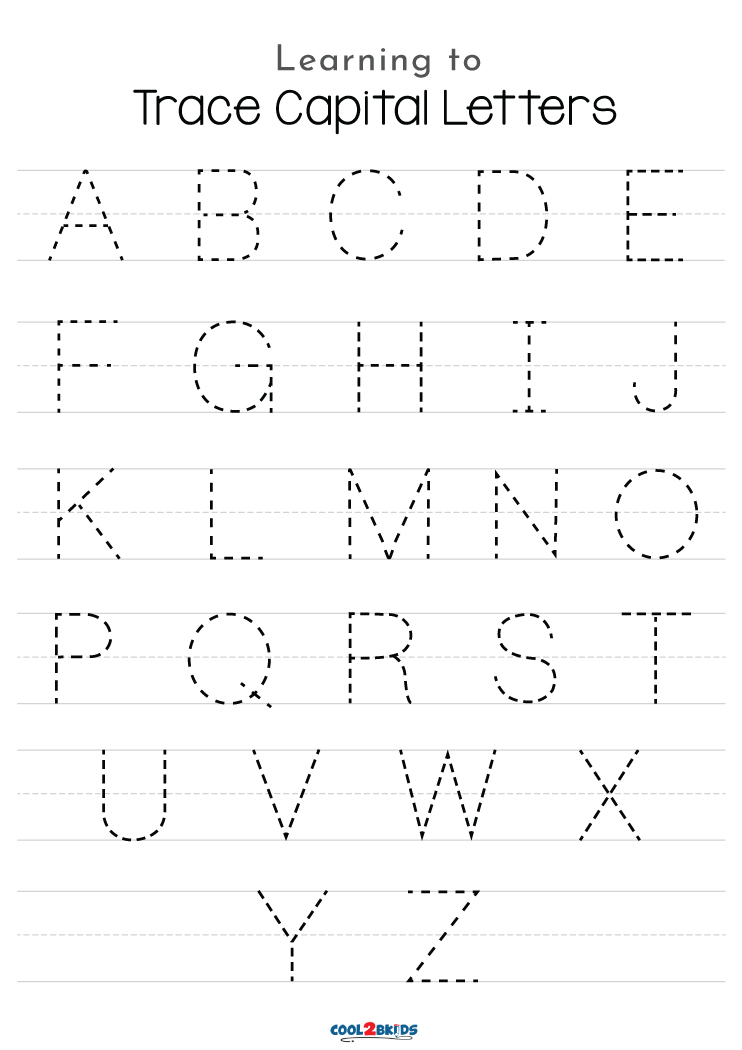
Capital letter formation requires specific sequential strokes, directional awareness, and spatial control that do not develop entirely by accident. Children often stumble when attempting capital letters because characters like A, E, and M demand multiple intersecting lines and directional changes. This printable tool focuses explicitly on stroke order, starting dots, and directional arrows to build muscle memory from the very first stroke. Many educators notice that without explicit guidance on where a pencil begins and ends, children adopt inefficient habits like starting letters from the bottom up. Breaking down the alphabet into logical, repeatable stroke patterns gives developing hands a reliable roadmap for every uppercase letter from A to Z.
Key Learning Outcomes
Targeted uppercase letter practice yields several critical developmental milestones for young learners. First, children internalize proper stroke sequencing, ensuring that every vertical pull and diagonal slide follows a consistent, efficient pathway. Second, visual-motor integration improves as tiny eyes guide steady hands along dotted pathways, reinforcing the connection between visual input and physical output. Third, hand-eye coordination strengthens naturally as pencils stay within structured boundary lines without frustrating trial-and-error setbacks. Finally, spatial awareness expands across the page, teaching young writers how to maintain consistent sizing and alignment within primary writing lines.
How to Use This Worksheet
Success with tracing sheets depends heavily on the initial setup and environmental approach. Placing the paper on a flat, well-lit surface with a comfortable seating arrangement ensures optimal posture and wrist extension. According to the American Occupational Therapy Association, maintaining an upright posture with feet flat on the floor provides the stable core foundation necessary for precise finger and hand movements. Adults should encourage a functional grasp, whether the child uses a standard tripod grip or a transitional adaptation that still allows finger mobility. Moving slowly matters far more than finishing quickly, as deliberate pacing allows the brain to encode the physical movement pattern into long-term procedural memory.
Practical Tips for Parents and Teachers
Scaffolding a child’s early writing experience requires patience and creative engagement. Begin by modeling the stroke in the air or on a sensory tray filled with sand before touching a pencil to the paper. Guiding a hand gently through the first few repetitions helps a child feel the correct pressure and motion without frustration. When supporting independent practice, celebrate small victories like keeping a continuous downward stroke or starting precisely at the designated green dot. For learners who need broader developmental foundations, integrating tools from Fine Motor and Pre-Writing Skills can strengthen intrinsic hand muscles before returning to detailed letter formation. If a child begins to show fatigue, pause the session immediately; forced practice while tired breeds poor motor habits.
Age-Appropriate Recommendations
Developmental readiness dictates how children interact with uppercase tracing pages. According to the Head Start Early Learning Outcomes Framework, children around ages three and four typically explore vertical and horizontal pre-writing strokes, making them ready to experiment with simple capital letters like L, T, and H. By ages five through eight, aligned with rigorous Common Core ELA standards (such as CCSS.ELA-LITERACY.L.K.1.A), children refine their uppercase formation to write all letters independently with appropriate size, spacing, and proportion. Younger preschoolers benefit most from heavy-line dotted guides, while older kindergarten and first-grade students thrive using standard primary writing lines that challenge them to grade their letter sizing without oversized boundaries.
Proper pencil grasp and foundational fine motor control established in early childhood directly correlate with sustained writing fluency and legibility in later elementary school grades — American Occupational Therapy Association
Frequently Asked Questions
Navigating early writing tools raises common questions for educators and caregivers alike. Clear, concise answers help optimize daily learning routines.
Explore More Free Printable Tracing Worksheets
Supporting a well-rounded handwriting journey requires a diverse array of practice materials tailored to every developmental stage. Beyond uppercase alphabet formation, young learners benefit greatly from exploring Dotted Letters For Tracing to refine precision, or transitioning into Word and Name Tracing once individual letter mechanics become second nature. For educators and families seeking a comprehensive collection of resources to inspire daily practice, the entire library at KidTraces.com offers structured, engaging printables designed to build confidence and capability in every young writer.
Developmental Milestone & Activity Table
| Development Stage | Recommended Daily Duration | Primary Learning Objective |
|---|---|---|
| Preschool & Pre-K | 10 – 15 Minutes | Pencil grip development & basic pre-stroke lines |
| Kindergarten | 15 – 20 Minutes | Letter/number formation & spatial line awareness |
| Early Elementary (Grade 1–2) | 20 – 30 Minutes | Fluency, sentence construction & neatness |
Images References