Introduction
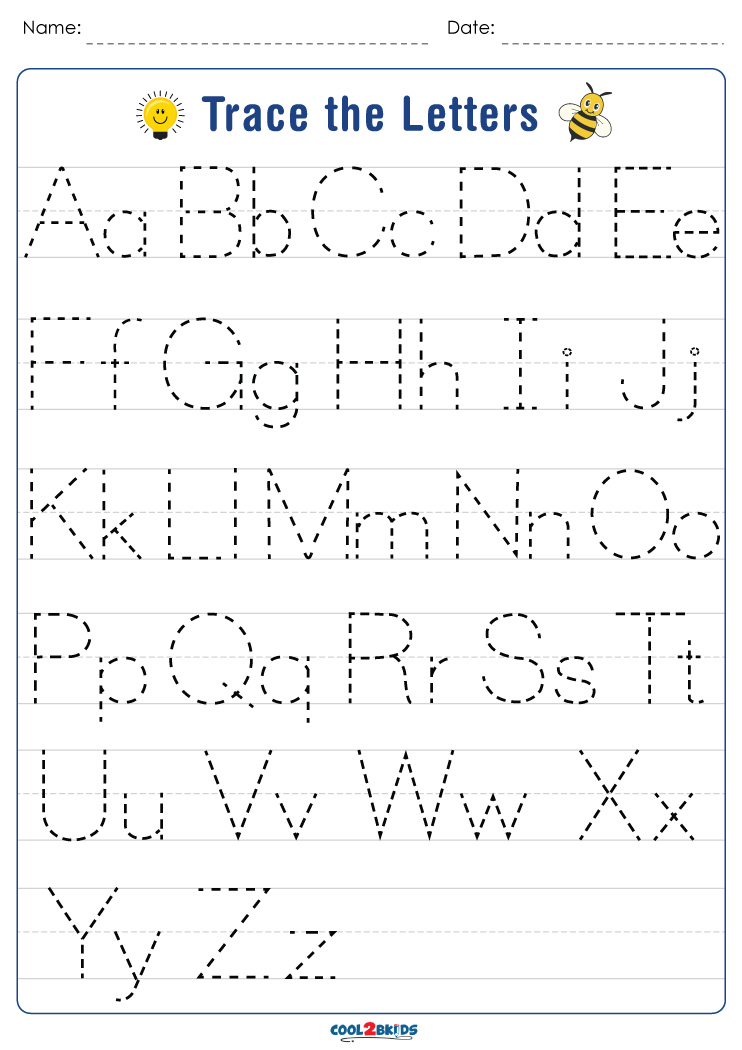
Many children recognize letters, shout out environmental print, and tell elaborate stories long before their fine motor systems can physically manage a traditional pencil. According to Reading Rockets, early literacy development relies heavily on the connection between phonemic awareness and visual letter recognition, meaning cognitive comprehension frequently outpaces hand strength during the kindergarten transition years. Children at age five sit at a crucial developmental crossroads where curiosity about reading intersects directly with the physical demands of writing. Bridging this gap requires targeted materials that connect graphemes with phonemes without overwhelming immature hand muscles. The free printable letter tracing and reading for five year olds addresses this exact developmental need by pairing early reading exposure with guided formation strokes. It sounds simple, and that is precisely the point. When five-year-olds interact with carefully engineered printables, literacy acquisition transforms from a frustrating academic chore into a natural extension of play and discovery.
💡 Educational Key Takeaways:
- Core Skill: Structured Letter Tracing And Reading For Five Year Olds focused on developing pencil grip, stroke control, and early literacy/math confidence.
- Target Scope: Suited for homeschoolers, preschool, kindergarten, and elementary learners.
- Best Recommendation: Practice 10–15 minutes daily with ergonomic writing tools to reinforce muscle memory without hand fatigue.
What This Worksheet Covers
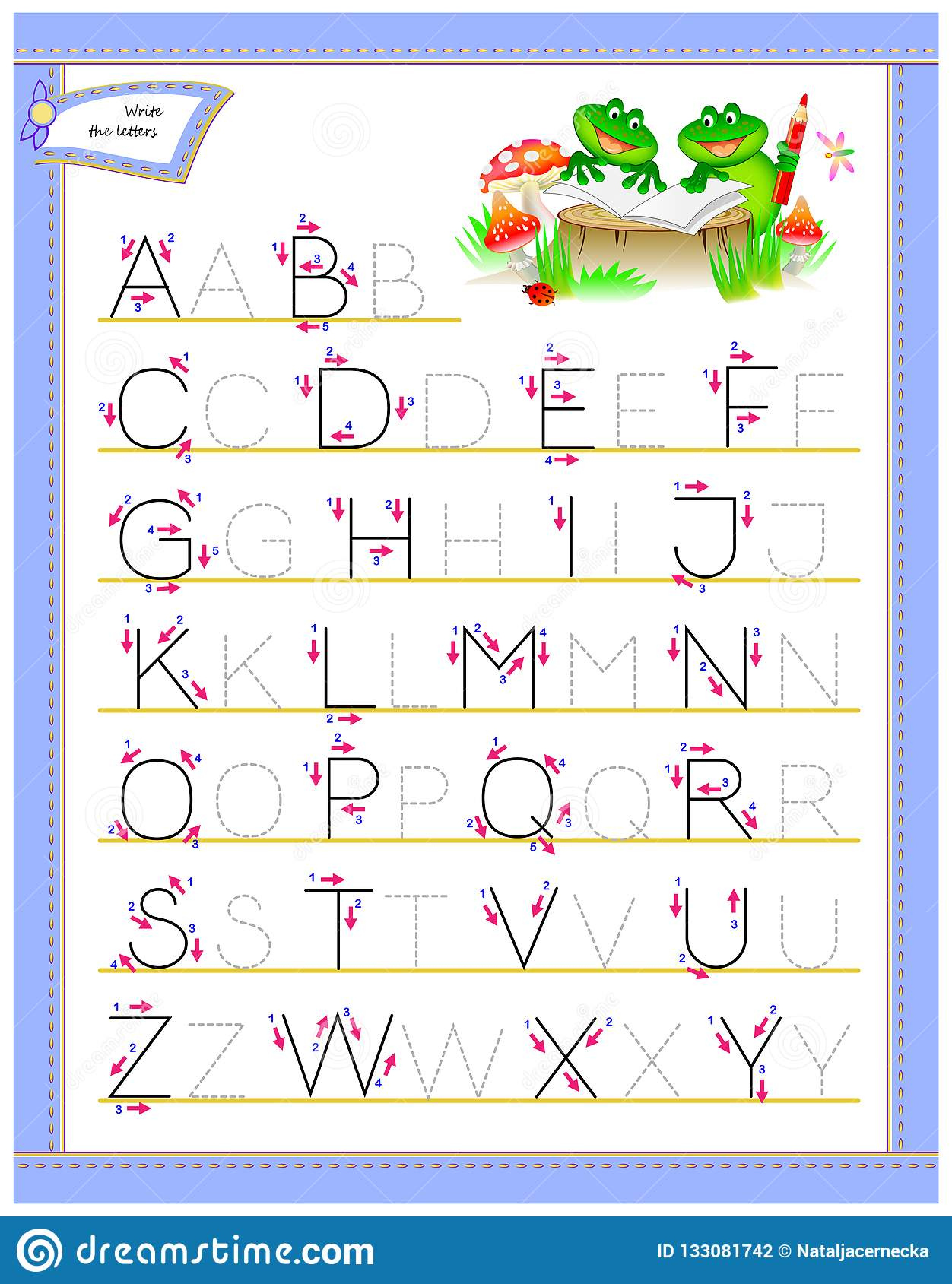
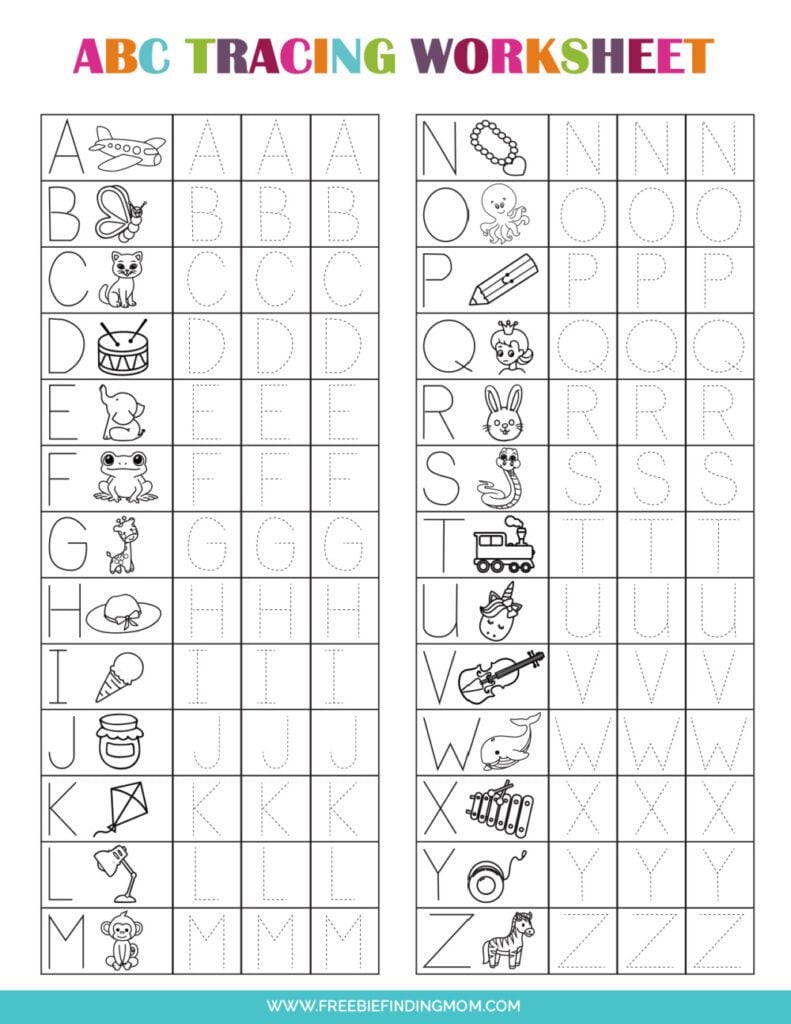
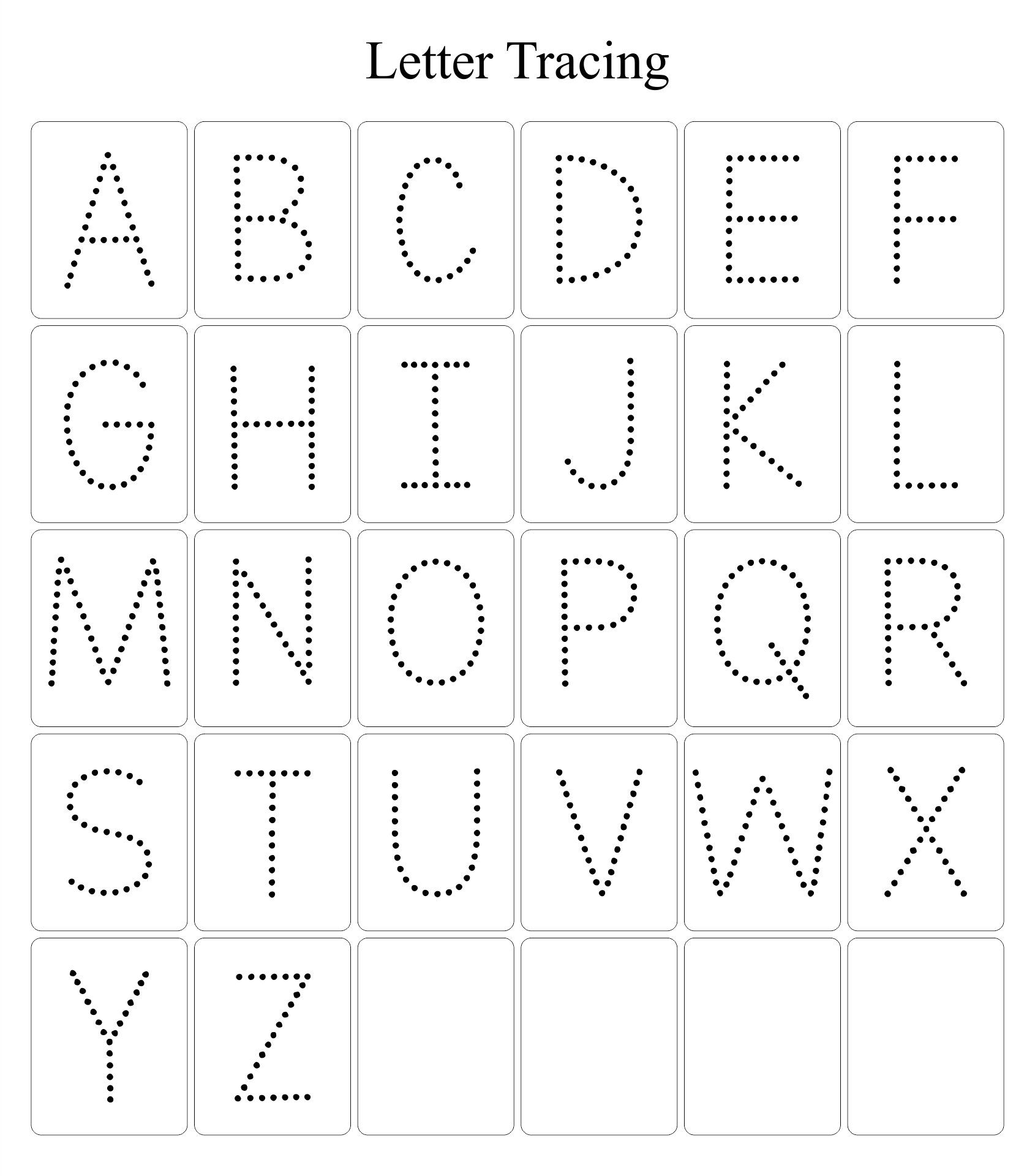
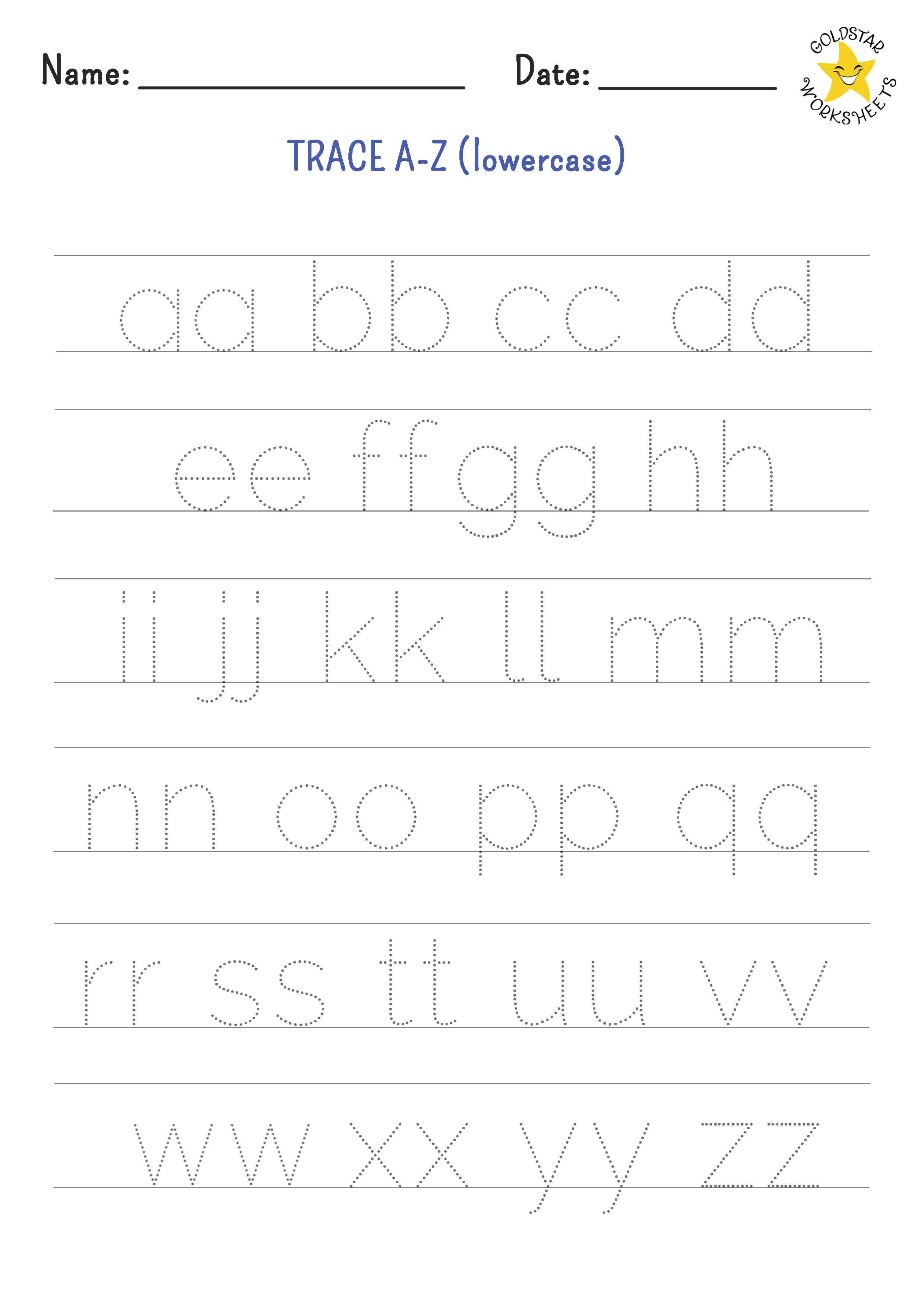
Letter formation and foundational reading skills form the dual core of this specific educational resource. The design intentionally integrates large, clear font selections alongside directional arrows that guide tiny hands through proper stroke sequencing from top to bottom and left to right. Occupational therapy assessments frequently reveal that young children struggle not with the concept of a letter, but with the motor memory required to execute continuous lines, curves, and diagonals. This printable provides generous tracing paths that accommodate the immature grasp patterns common in five-year-olds, transitioning gradually from thick visual guides to independent dotted outlines. Alongside letter generation, the material embeds contextual reading elements, ensuring that decoding sounds happens simultaneously with physical pencil output. Exploring additional options within the Alphabet And Numbers Tracing collection further reinforces these vital multisensory connections, giving young learners ample opportunity to build essential cognitive and motor pathways.
Key Learning Outcomes
Engaging systematically with these printables fosters several critical milestones in early childhood development. First, children internalize correct stroke order, which prevents the formation of inefficient writing habits that cause hand fatigue later in elementary school. Second, the simultaneous exposure to letter symbols and their corresponding sounds accelerates decoding abilities, supporting broader emergent reading goals outlined by literacy specialists. Third, consistent tracing practice builds intrinsic hand strength, specifically targeting the small intrinsic muscles of the hand and fingers required for proper pencil stabilization. Finally, children develop crucial visual-spatial awareness, learning how to track print across a page from left to right while maintaining proper spacing and alignment within visual boundaries.
How to Use This Worksheet
Successful implementation requires an environment that prioritizes positive reinforcement and short, focused sessions over rigid perfection. Five-year-olds typically maintain optimal focus for brief intervals, making five to ten minutes of daily engagement far more productive than an extended weekend session. Placing the sheet on a flat surface at an appropriate height allows the child’s feet to rest flat on the floor, establishing the core stability necessary for distal hand control. Educators and caregivers can introduce the sheet by first reading the target words or letters aloud, encouraging the child to echo the sounds before touching a writing utensil to the paper. Supplementing these activities with targeted exercises found in Fine Motor and Pre-Writing Skills helps prepare developing hands for the physical endurance required during longer writing tasks.
Practical Tips for Parents and Teachers
Adults play a vital scaffolding role during early tracing activities by observing grip mechanics and offering gentle, physical prompts rather than verbal corrections. When a child slips into a tight, whole-fist grasp, placing a small object like a crumpled piece of tissue paper inside the palm can encourage the ring and pinky fingers to curl inward naturally. Modeling the stroke in the air or on a textured surface before pencil-to-paper contact engages kinesthetic learning channels, making the transition to the worksheet much smoother. Scaffolding the experience also means knowing when to step back; if a child completes the top row with confidence, allow them to attempt the remaining rows independently without micromanaging every single line or curve. Introducing variety through resources such as Seasonal and Fun Themes keeps enthusiasm high when motivation dips.
Age-Appropriate Expectations
According to NAEYC Developmentally Appropriate Practice guidelines, five-year-old learners thrive on experiential, hands-on tasks that honor their unique developmental tempo rather than forcing premature academic rigor. While younger toddlers in the two-to-four age bracket focus primarily on gross motor lines, circular scribbles, and basic pre-writing strokes, kindergarten-aged children are ready to refine intentional directionality and letter-sound correspondence. Expecting a five-year-old to produce uniformly sized letters on narrow lines ignores normal neurological and skeletal development. Instead, developmental frameworks emphasize that legibility, directional consistency, and positive engagement matter far more at this stage than pristine aesthetic perfection on every single line.
According to the American Occupational Therapy Association (AOTA), classroom participation and academic success for young children heavily rely on foundational fine motor skills developed through purposeful, play-based manipulation and early writing experiences. — American Occupational Therapy Association
Frequently Asked Questions
Addressing common caregiver inquiries ensures these resources are utilized to their absolute maximum educational potential.
Explore More Free Printable Tracing Worksheets
Supporting a young learner through the exciting journey of early literacy and pencil control requires a rich variety of engaging, accessible materials. Exploring the full library at KidTraces.com provides educators, parents, and therapists with an extensive collection designed to meet every developmental stage, from foundational line control to confident word creation. Discovering new ways to make writing enjoyable ensures that children approach school readiness with enthusiasm, resilience, and joy.
Developmental Milestone & Activity Table
| Development Stage | Recommended Daily Duration | Primary Learning Objective |
|---|---|---|
| Preschool & Pre-K | 10 – 15 Minutes | Pencil grip development & basic pre-stroke lines |
| Kindergarten | 15 – 20 Minutes | Letter/number formation & spatial line awareness |
| Early Elementary (Grade 1–2) | 20 – 30 Minutes | Fluency, sentence construction & neatness |
Images References