Introduction
The “how to draw1-10” tracing worksheet provides a foundational learning experience crucial for early childhood development. This resource is designed for early learners, typically within the Preschool (ages 35) to early Elementary (grades K-1) educational levels. It effectively supports the development of essential fine motor skills, strengthens number recognition, and introduces the fundamental strokes for early handwriting. Educators and parents consistently trust printable tracing worksheets as valuable, hands-on tools for building pre-writing proficiency and numerical understanding. This specific worksheet serves as an excellent starting point for young children embarking on their educational journey with numbers. Explore more in our General Kidtraces collection.
💡 Technical Key Takeaways:
- Core Focus: Diagnostic schematic and terminal connection layout for How To Draw1-10.
- Target Scope: Field technicians, automotive DIYers, and residential/commercial electricians.
- Safety Rule: Always disconnect the primary power source/battery terminal and verify zero voltage with a multimeter before touching wires.
Benefits of the Worksheet
Engagement with the “how to draw1-10” worksheet yields several measurable learning benefits for young children. Precise pencil control develops through guided tracing, improving grip strength and dexterity. Hand-eye coordination is significantly enhanced as learners follow the visual cues to form each number. The correct formation of digits 1 through 10 is systematically taught, establishing proper stroke order from an early age. This structured practice fosters a positive attitude towards learning and builds writing confidence, crucial milestones in early childhood development. Furthermore, these activities lay groundwork for pre-mathematical skills by visually associating numerals with their shapes. For more related activities, check out our Kidtraces.Com”.
Worksheet Features and Activities
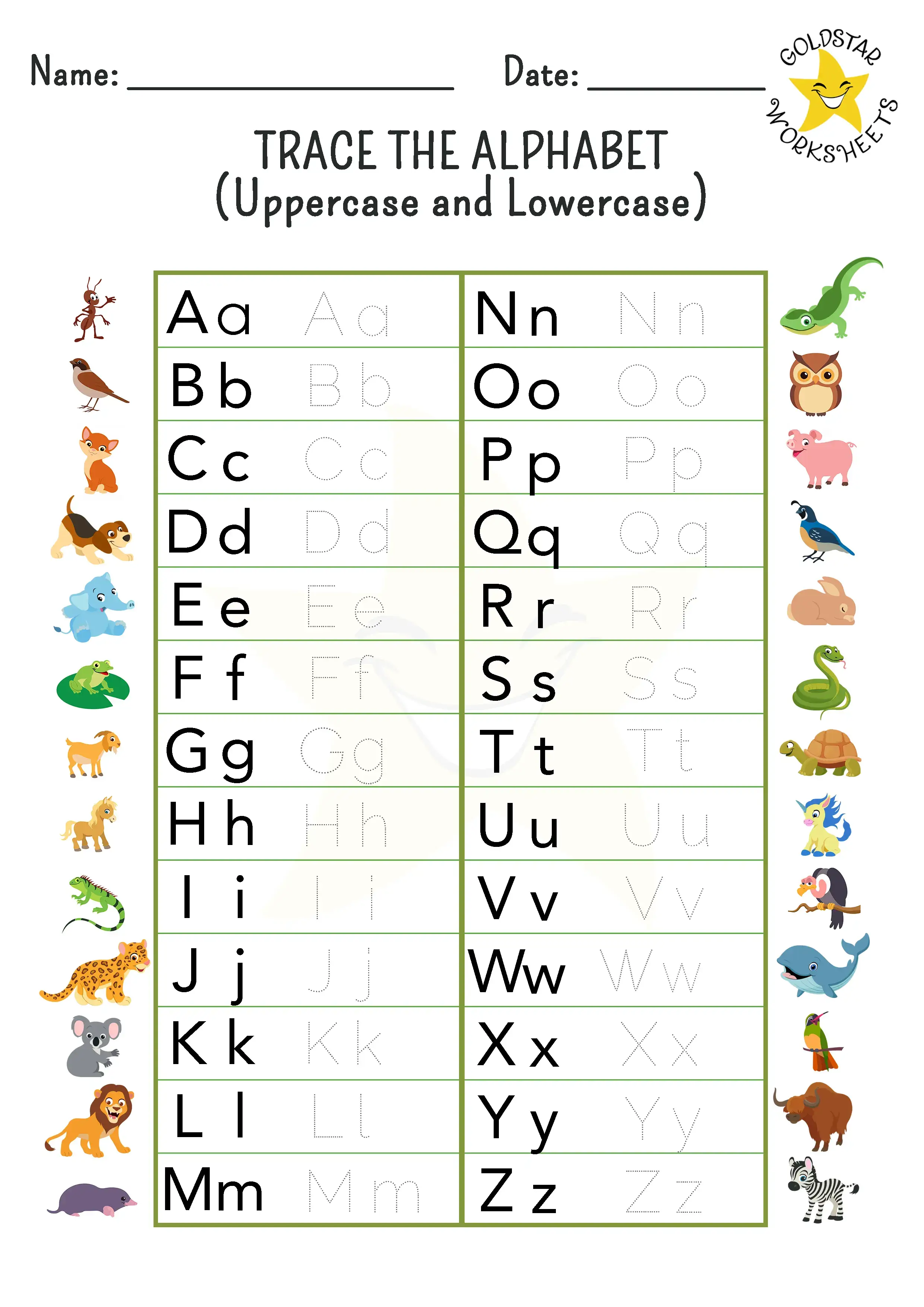
The “how to draw1-10” worksheet features a clear and engaging layout, thoughtfully designed for young learners. Tracing activities are guided by dotted lines, providing a clear path for children to follow. Guiding arrows indicate the correct stroke direction for each number, preventing the development of incorrect writing habits. The primary activity involves tracing numbers 1 through 10, allowing for repeated practice. The inclusion of simple, themed illustrations maintains engagement and makes the learning process enjoyable. Instructions are scaffolded progressively, moving from highly guided tracing to opportunities for independent practice, ensuring a gradual increase in difficulty appropriate for developing skills. Visual clarity and age-appropriate design minimize distractions and maximize focus. Discover more free resources across our collection library.
Explore More Worksheets
Integrating the “how to draw1-10” worksheet into a consistent learning routine offers significant advantages for skill acquisition. Continued practice with similar resources reinforces learned concepts and ensures ongoing development. Educators and parents are encouraged to explore the extensive collection of printable tracing resources available at kidtraces.com. This platform offers a wide array of materials designed to support various stages of skill development, facilitating continuous learning and growth for every child.
Quick Wiring Specifications & Terminal Guide
| Component / Circuit | Standard Wire Gauge | Recommended Protection |
|---|---|---|
| Control & Trigger Signals | 18 – 20 AWG | 5A – 7.5A Inline Fuse |
| Standard Auxiliary Load | 14 – 16 AWG | 15A – 20A Circuit Breaker |
| Main Power Feed / Supply | 10 – 12 AWG | 30A – 40A Heavy-Duty Relay |