Introduction
Many children recognize letters, shapes, and environmental print long before their developing fine motor skills can actually form them on paper. This common disconnect often frustrates learners who hold a clear mental image of a letter but struggle to command the pencil to draw it. According to the American Occupational Therapy Association, foundational fine motor control and visual-motor integration are critical precursors to functional handwriting and academic success. Bridging this gap requires structured visual supports that guide physical movement without causing hand fatigue. The guided letter writing traceable provides an accessible, scaffolded bridge between cognitive letter recognition and physical hand-eye coordination. Through intentional visual cues, children transition from erratic scribbling to controlled, repeatable strokes. Every printable page is designed to build muscle memory while keeping frustration low and engagement high.
💡 Educational Key Takeaways:
- Core Skill: Structured Guided Letter Writing Traceable focused on developing pencil grip, stroke control, and early literacy/math confidence.
- Target Scope: Suited for homeschoolers, preschool, kindergarten, and elementary learners.
- Best Recommendation: Practice 10–15 minutes daily with ergonomic writing tools to reinforce muscle memory without hand fatigue.
What This Worksheet Covers
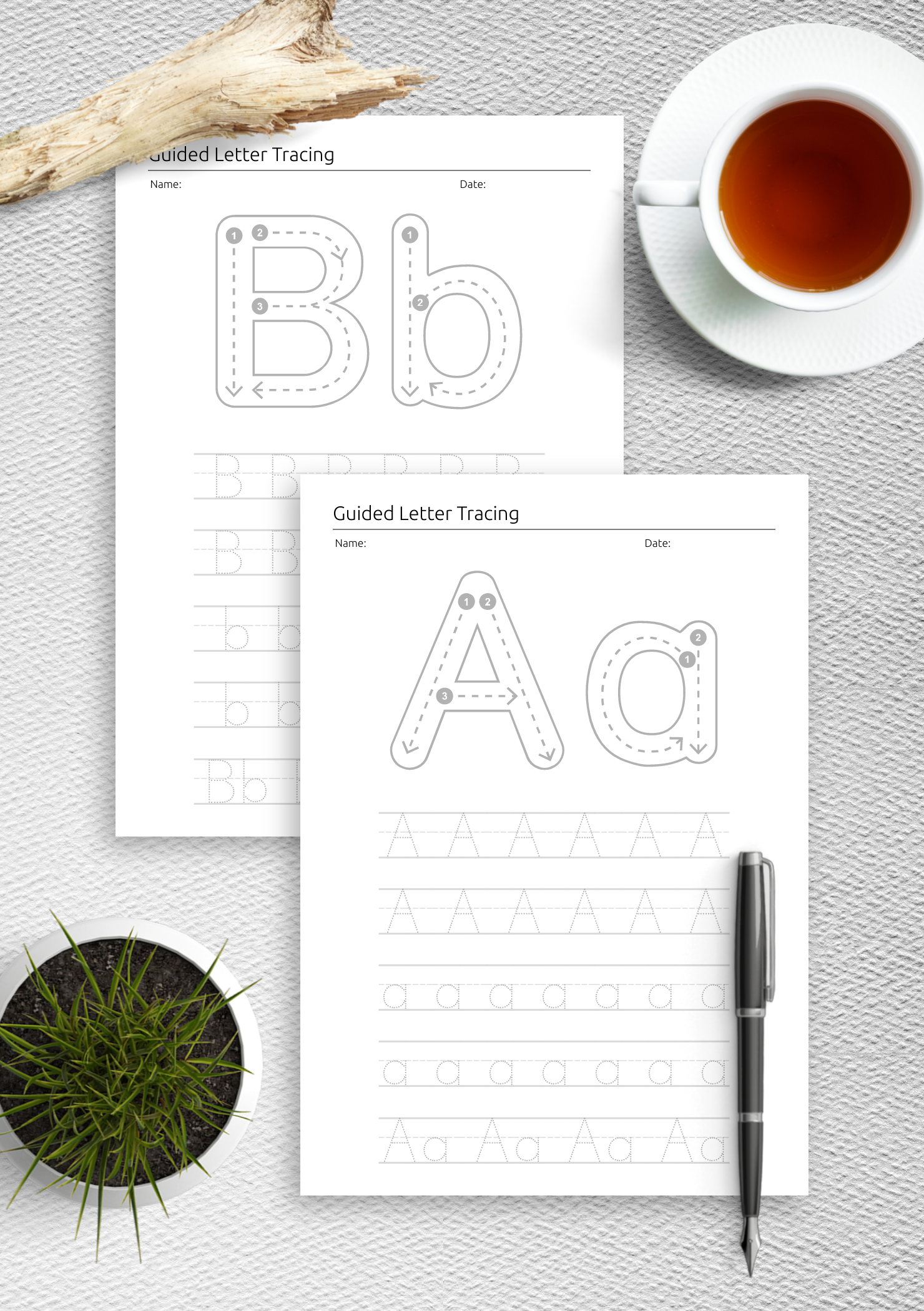
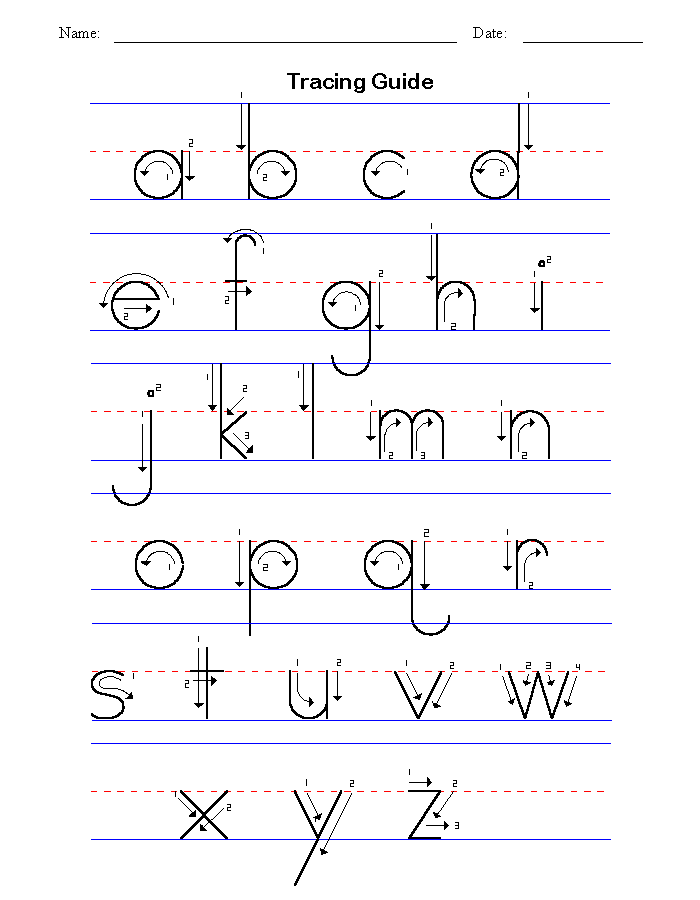
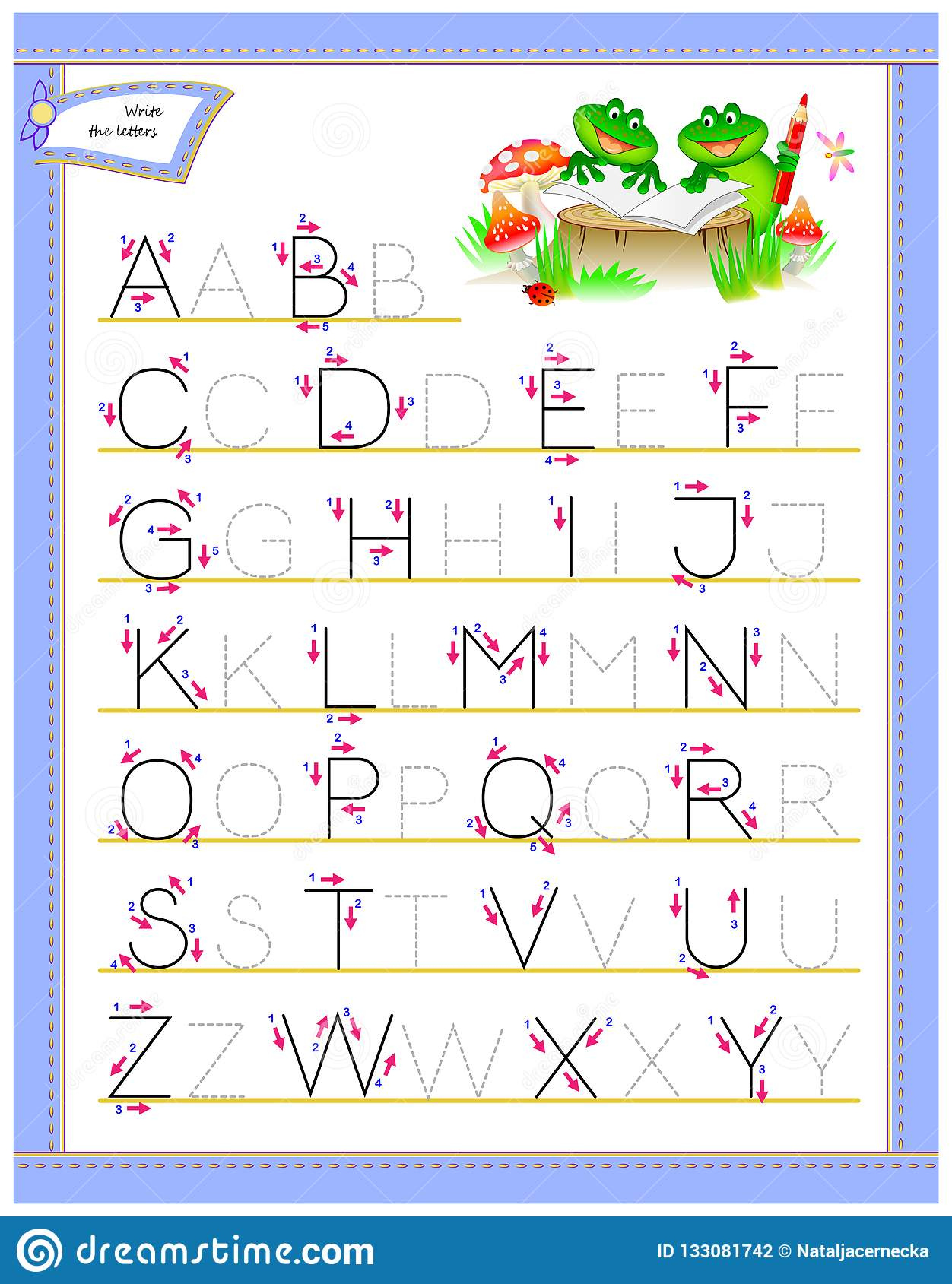
Letter and numeral formation require precise directional awareness, spatial planning, and consistent stroke order. When young learners stare at a blank page, spatial anxiety frequently sets in because starting points remain entirely invisible. The guided letter writing traceable eliminates this uncertainty by incorporating clear directional arrows, distinct starting dots, and fading dotted lines. This progression gently weans learners off heavy visual prompts, moving them toward independent letter production. Beyond single letters, the exercises address critical pre-writing arcs, vertical lines, and diagonal slants that form the skeletal structure of the alphabet. Working through these pages strengthens the intrinsic muscles of the hand while cementing correct formation habits before incorrect grips solidify into permanent patterns.
Key Learning Outcomes
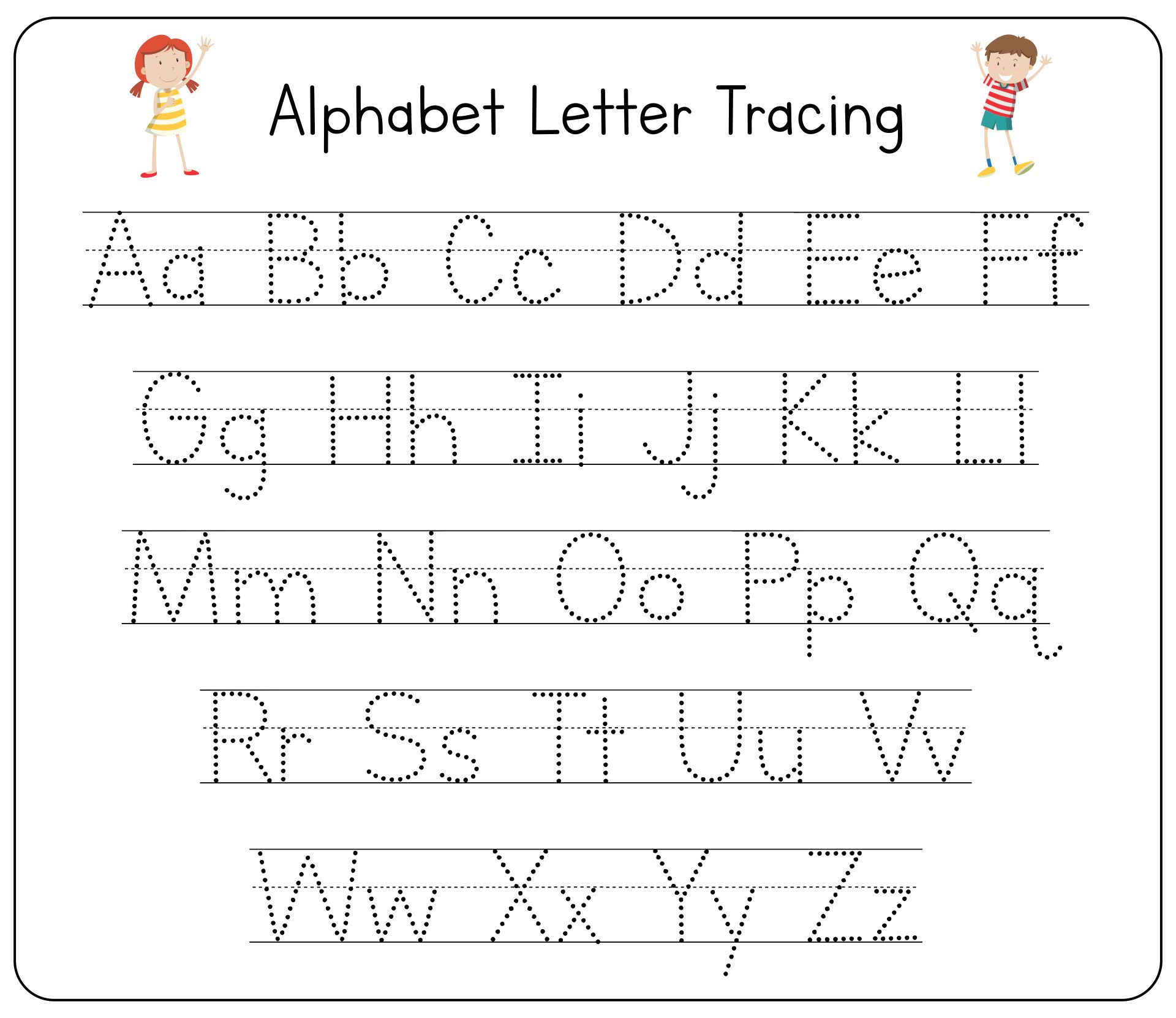
Mastery of early writing relies on a sequence of distinct developmental milestones rather than rote memorization. Consistent practice with these printables fosters reliable stroke sequencing, ensuring learners always begin letters at the top and move downward or outward. Visual-motor integration improves markedly as eyes track the pencil tip along targeted paths, sharpening hand-eye coordination essential for reading and math alignment. Spatial awareness also deepens, helping children understand baseline orientation and the necessary proportional spacing between distinct letters. Finally, sustained engagement with structured Dotted Letters For Tracing builds the endurance required for longer writing tasks, transforming handwriting from an exhausting chore into a fluid mode of self-expression.
How to Use This Worksheet
Successful implementation depends far more on posture and pacing than on rushing to complete every single line on the page. Begin by ensuring the child sits with feet flat on the floor and hips at a ninety-degree angle, which provides the stable core support necessary for delicate finger movements. Introduce the Alphabet And Numbers Tracing sheets by demonstrating the correct pencil grip, encouraging a relaxed tripod grasp rather than a tight, fist-like clench. It sounds simple, and that is the point: breaking writing sessions into short, five-minute intervals prevents hand cramping and preserves enthusiasm. Adults should sit beside the learner to model verbal self-talk, describing the movement out loud—such as pulling straight down and making a big belly bump—to reinforce the kinetic path.
Practical Tips for Parents and Teachers
Scaffolding a writing session means meeting the child precisely at their current motor capability rather than forcing rigid compliance. For learners struggling with pencil pressure, slip a textured rubber grip onto the writing utensil or use short, broken crayons to naturally encourage a proper three-finger grasp. To extend the activity beyond static paper, let children trace the letters in a shallow tray filled with colored salt or shaving cream before touching the printable page. Whenever fatigue sets in, pause the session immediately; a fresh, eager mind the next day accomplishes far more than an exhausted child forced to finish a worksheet. Exploring related activities through Fine Motor and Pre-Writing Skills adds variety and strengthens the foundational hand arches needed for lasting endurance.
Age-Appropriate Recommendations
According to the National Association for the Education of Young Children guidelines on developmentally appropriate practice, children aged two to four benefit most from gross-to-fine motor transitions, focusing on large horizontal and vertical lines rather than cramped letter blocks. During these early years, physical engagement should center on sensory pre-writing strokes and large tracing pathways. As children progress to ages five through eight, expectations shift toward standard handwriting conventions aligned with formal educational benchmarks. At this stage, guided letter tracing helps refine letter size, alignment, and proportional consistency on standard primary lines. Younger children thrive with playful, themed strokes, while older learners benefit from structured practice found in Word and Name Tracing exercises that anchor writing to personal identity and vocabulary development.
Visual-motor integration and fine motor control are recognized by occupational therapists as foundational prerequisites for functional handwriting and classroom success — American Occupational Therapy Association
Frequently Asked Questions
Clear answers to common questions help caregivers maximize the developmental benefits of every tracing session.
Explore More Free Printable Tracing Worksheets
Supporting a young writer involves providing a diverse collection of engaging, low-stress practice materials that grow alongside the child. A comprehensive library of resources covering everything from early pencil control to complex word formation remains available anytime at KidTraces.com. Caregivers and educators can easily browse categories dedicated to Shape and Line Tracing or discover Seasonal and Fun Themes designed to sustain motivation throughout the entire school year. Each printable is crafted to foster independence, confidence, and joyful learning.
Developmental Milestone & Activity Table
| Development Stage | Recommended Daily Duration | Primary Learning Objective |
|---|---|---|
| Preschool & Pre-K | 10 – 15 Minutes | Pencil grip development & basic pre-stroke lines |
| Kindergarten | 15 – 20 Minutes | Letter/number formation & spatial line awareness |
| Early Elementary (Grade 1–2) | 20 – 30 Minutes | Fluency, sentence construction & neatness |
Images References