Introduction
Many children recognize letters, numbers, and shapes long before their fine motor coordination allows them to form those same symbols on paper. This common gap between cognitive understanding and physical execution often leads to frustration during early writing instruction. According to the American Occupational Therapy Association, foundational fine motor skills—such as hand strength, bilateral coordination, and precise finger isolation—must develop sequentially to support effortless handwriting. Engaging young learners through captivating themes bridges this gap by turning repetitive hand-eye coordination drills into an imaginative quest. The free printable dragon flag tracing worksheets offer an engaging pathway to build pencil control, turning the often-tedious practice of line tracing into an epic adventure across mythical realms and soaring banners.
💡 Educational Key Takeaways:
- Core Skill: Structured Dragon Flag Tracing Worksheets focused on developing pencil grip, stroke control, and early literacy/math confidence.
- Target Scope: Suited for homeschoolers, preschool, kindergarten, and elementary learners.
- Best Recommendation: Practice 10–15 minutes daily with ergonomic writing tools to reinforce muscle memory without hand fatigue.
What This Worksheet Covers
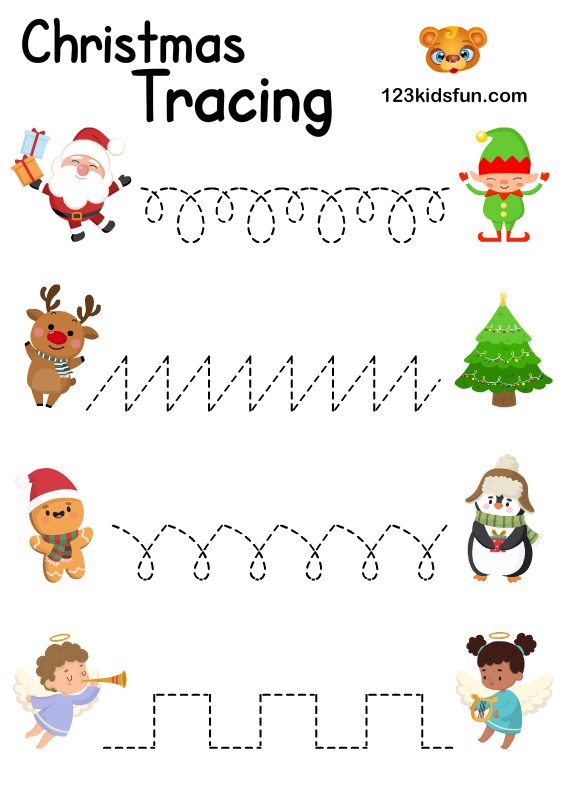
The dragon flag tracing worksheets provide a targeted collection of visual-motor exercises designed to refine pencil control through themed paths and banners. Each page features winding dragon tails, soaring pennants, and geometric flags that challenge children to guide a writing tool along precise dotted and dashed lines. By focusing on diagonal slants, undulating curves, and sharp angles, these printables directly address the fundamental pre-writing strokes required for formal letter and number formation. Children trace the billowing fabric of mythical banners, moving from gentle, wave-like trajectories to intricate zig-zags that demand sustained visual attention and steady hand muscles. It sounds simple, and that is the exact point. Keeping the visual layout clean while introducing an exciting dragon motif maintains high engagement without causing cognitive overload, supporting development across various Shape and Line Tracing activities.
Key Learning Outcomes
Working through these themed tracing pages fosters essential developmental milestones necessary for early academic success. First, learners strengthen the intrinsic muscles of the hand and improve the dynamic tripod grasp by maintaining continuous contact along varied line trajectories. Second, the exercises build directional awareness, teaching young hands to move consistently from left to right and from top to bottom across the page. Third, visual-motor integration improves as the eyes guide the hand to anticipate curves, corners, and endpoints within the dragon flag designs. Finally, these printables cultivate sustained focus and task persistence, transforming fine motor skill acquisition into a rewarding creative challenge that mirrors foundational concepts found in Fine Motor and Pre-Writing Skills.
How to Use This Worksheet
Successful implementation relies on creating an environment that encourages exploration while gently guiding proper physical mechanics. Begin by presenting the worksheet on a flat, stable surface where the child’s feet can rest flat on the floor, promoting optimal core stability for upper body control. Encourage starting points clearly indicated at the base of each dragon flag, reminding learners to keep their non-writing hand actively holding the paper steady. It is often helpful to let children trace the lines first with an index finger or a dry-erase marker inside a protective sleeve before putting pencil to paper. This multi-sensory approach builds kinesthetic memory of the stroke pathway, reducing hand fatigue and making the subsequent pencil-and-paper task much more approachable.
Practical Tips for Parents and Teachers
Observing hand placement closely during the tracing session helps prevent the formation of compensatory grips that can cause hand cramping later. If a fist grasp or heavy-handed pressing appears, gently place a small object like a crumpled tissue or a pom-pom in the palm to encourage the ring and pinky fingers to curl inward. Scaffold the activity by breaking longer tracing paths into smaller, manageable segments rather than demanding completion of an entire dragon banner in one sitting. For children who master basic lines quickly, extend the challenge by asking them to draw their own parallel flags or color the finished banners using small, controlled strokes. Introducing themed variety through Seasonal and Fun Themes keeps enthusiasm high as fine motor stamina grows over time.
Age-Appropriate Recommendations
According to the National Association for the Education of Young Children guidelines for developmentally appropriate practice, learning experiences for young children must match their current physical and cognitive capabilities. For toddlers and preschoolers aged two to four, the focus centers on gross motor arm movements, vertical and horizontal lines, and simple circular motions using thicker writing utensils on larger surfaces. As children enter kindergarten and the early elementary years through age eight, expectations shift toward refined pencil control, consistent letter formation, and smaller scale execution on standard paper. The dragon flag worksheets adapt naturally to these developmental stages, serving as gross motor pre-writing warm-ups for younger groups or precise visual-motor drills for older children refining their control.
Foundational fine motor skills, including hand strength and precise finger isolation, must develop sequentially to support lifelong writing proficiency — American Occupational Therapy Association
Frequently Asked Questions
According to the Reading Rockets literacy initiative, early writing and drawing experiences are directly linked to reading success by reinforcing letter-sound relationships and visual discrimination. — Reading Rockets
Explore More Free Printable Tracing Worksheets
Expanding a child’s fine motor toolkit requires access to a diverse array of engaging practice materials that target different developmental domains. The complete library at KidTraces.com offers hundreds of free printables designed by educators and therapists to support every stage of early writing. Whether exploring letter formation through Dotted Letters For Tracing or mastering early number concepts via Alphabet And Numbers Tracing, every resource is crafted to make learning purposeful, accessible, and deeply enjoyable for growing hands.
Developmental Milestone & Activity Table
| Development Stage | Recommended Daily Duration | Primary Learning Objective |
|---|---|---|
| Preschool & Pre-K | 10 – 15 Minutes | Pencil grip development & basic pre-stroke lines |
| Kindergarten | 15 – 20 Minutes | Letter/number formation & spatial line awareness |
| Early Elementary (Grade 1–2) | 20 – 30 Minutes | Fluency, sentence construction & neatness |
Images References