Introduction
Many children recognize letters, shapes, and words long before their developing hands possess the small muscle strength required to form them comfortably on paper. According to the National Association for the Education of Young Children (NAEYC), developmentally appropriate practice requires balancing hands-on play with purposeful, engaging skill-building exercises that respect physical maturation limits. Capturing a child’s natural enthusiasm for celebrations, birthday tracing transforms foundational pencil control practice into an exciting, meaningful activity. It sounds simple, and that is precisely the point. By weaving festive birthday themes into structured tracing layouts, educators and caregivers can bridge the gap between cognitive readiness and physical execution, reducing frustration while building essential fine motor endurance.
💡 Educational Key Takeaways:
- Core Skill: Structured Birthday Tracing focused on developing pencil grip, stroke control, and early literacy/math confidence.
- Target Scope: Suited for homeschoolers, preschool, kindergarten, and elementary learners.
- Best Recommendation: Practice 10–15 minutes daily with ergonomic writing tools to reinforce muscle memory without hand fatigue.
What This Worksheet Covers
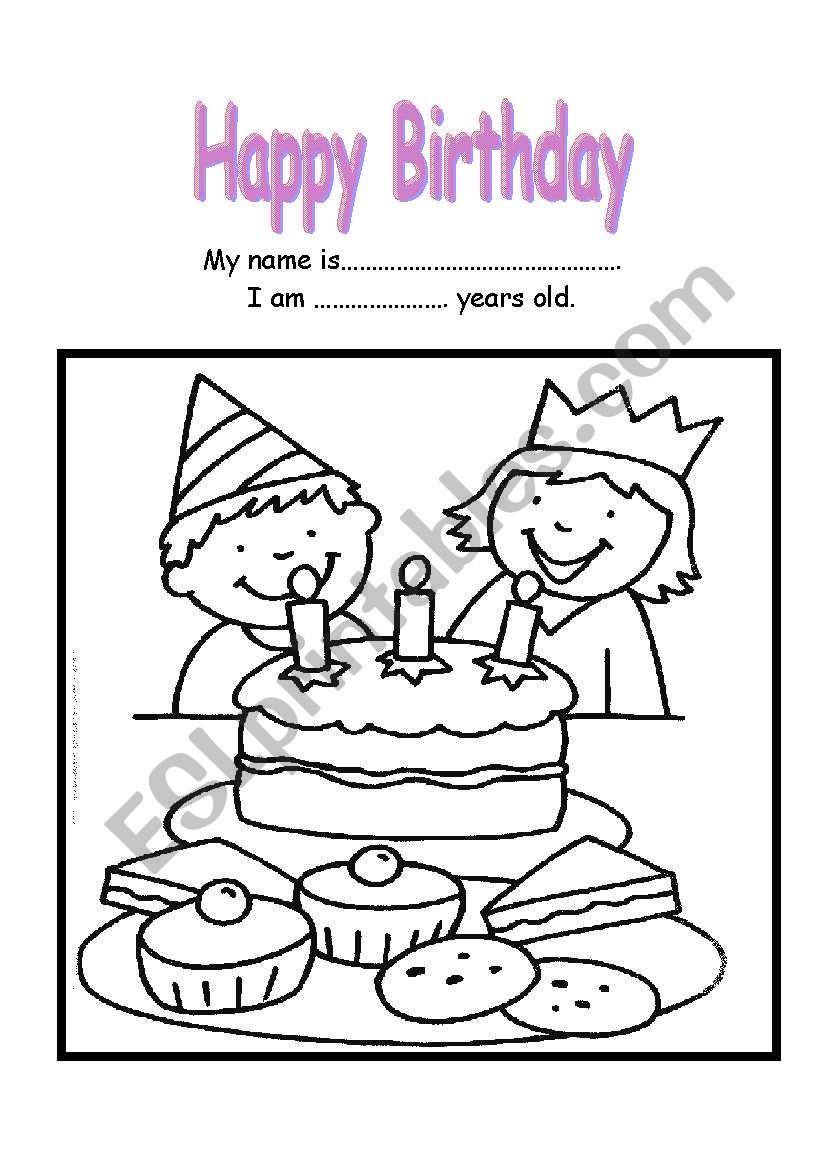
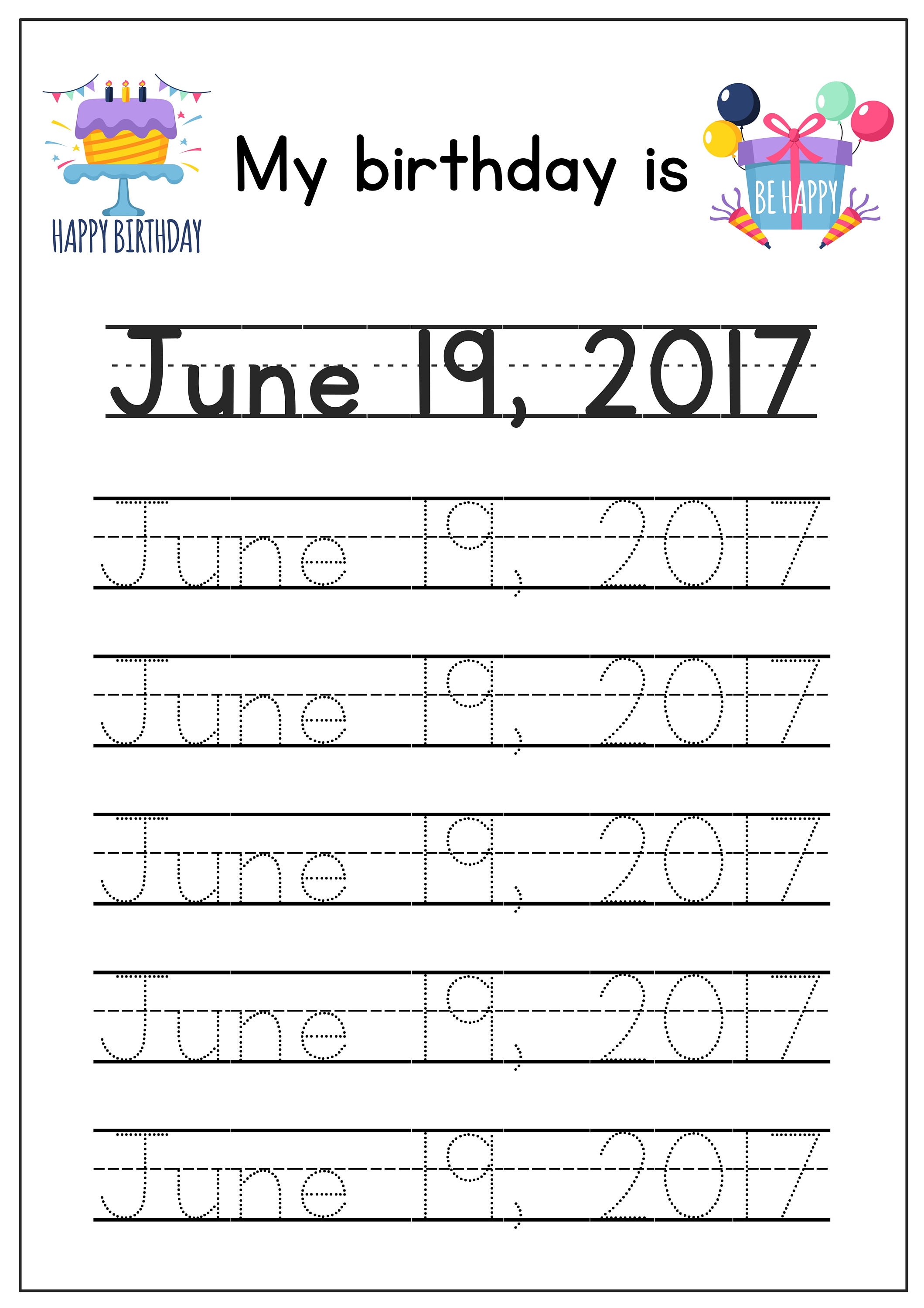
The free printable birthday tracing worksheet focuses on essential pre-writing strokes, directional line control, and thematic vocabulary formation. Children encounter a variety of visual paths, including wavy party streamers, looping balloon strings, and candle outlines, which collectively target the foundational hand movements necessary for future handwriting success. Additionally, structured letter and number pathways help young learners practice consistent stroke order, horizontal alignment, and spatial awareness on the page. The resource is carefully designed to transition children smoothly from basic curved line control to more intricate, multi-directional shapes.
Key Learning Outcomes
Engaging with this birthday-themed resource fosters several critical developmental domains simultaneously. Learners refine their visual-motor integration by coordinating eye movements with precise hand paths. Fine motor precision improves as tiny hand muscles adapt to varying line angles and curves found in the party designs. Furthermore, children strengthen bilateral coordination, learning to stabilize the paper with one hand while the writing hand executes controlled movements. Confidence also blossoms organically as children successfully complete each celebratory path, setting a positive emotional tone for future academic challenges found within broader Tracing Worksheets collections.
How to Use This Worksheet
Successful implementation relies on meeting children at their current physical capability rather than forcing a rigid output. Adults should introduce the page in a low-pressure environment, inviting children to “decorate the cake” or “guide the balloons” using crayons, markers, or pencils. It helps to observe how the child approaches the page, noting any tendencies to press too heavily or struggle with sustaining a functional pencil grasp. Scaffolding the activity by starting with thicker, tactile writing utensils before moving to standard pencils can make a remarkable difference in comfort and endurance.
Practical Tips for Parents and Teachers
Adults play a vital role in shaping healthy writing habits during early childhood activities. Begin by modeling an efficient tripod or quadrupod grip, gently correcting finger placement before fatigue sets in. Encourage children to start tracing from the top and move downward or from left to right, reinforcing natural reading and writing directions. When a child struggles with a particular loop or straight edge, guide their hand physically through the motion once or twice to build muscle memory. To extend the activity, pairing these sheets with related Shape and Line Tracing exercises helps reinforce directional control in diverse contexts.
Age-Appropriate Recommendations
According to developmental milestones outlined by the Centers for Disease Control and Prevention (CDC), younger children aged two to four typically benefit most from exploring broad, continuous strokes and large-format lines that accommodate developing shoulder and elbow control. For this younger group, the birthday page serves primarily as an introduction to directional tracking and sensory exploration of writing tools. Conversely, children aged five to eight are refining intrinsic hand muscles, allowing them to focus on precise letter formation, controlled spacing, and staying meticulously within narrow boundary lines. For older preschoolers, incorporating related practice from Word and Name Tracing categories bridges seasonal fun with personalized literacy goals.
Young children develop foundational fine motor control and directional stroke awareness more effectively through engaging, theme-based activities that maintain high motivation. — National Association for the Education of Young Children (NAEYC)
Frequently Asked Questions
Navigating early writing development often brings up practical questions regarding materials, timing, and skill progression. Clear guidance helps adults maximize the benefits of daily tracing practice while keeping the experience joyful and stress-free for young learners.
Explore More Free Printable Tracing Worksheets
Supporting a child’s journey toward fluent handwriting and strong fine motor control requires a rich variety of engaging, developmentally appropriate resources. Beyond celebratory themes, young learners benefit immensely from exploring diverse pathways, letters, numbers, and seasonal activities designed to maintain high interest and motivation. Caregivers, teachers, and homeschoolers can discover an extensive library of free educational resources by visiting KidTraces.com. Whether focusing on foundational strokes or advanced letter formation, finding the right printable helps build confidence every step of the way.
Developmental Milestone & Activity Table
| Development Stage | Recommended Daily Duration | Primary Learning Objective |
|---|---|---|
| Preschool & Pre-K | 10 – 15 Minutes | Pencil grip development & basic pre-stroke lines |
| Kindergarten | 15 – 20 Minutes | Letter/number formation & spatial line awareness |
| Early Elementary (Grade 1–2) | 20 – 30 Minutes | Fluency, sentence construction & neatness |
Images References