Introduction
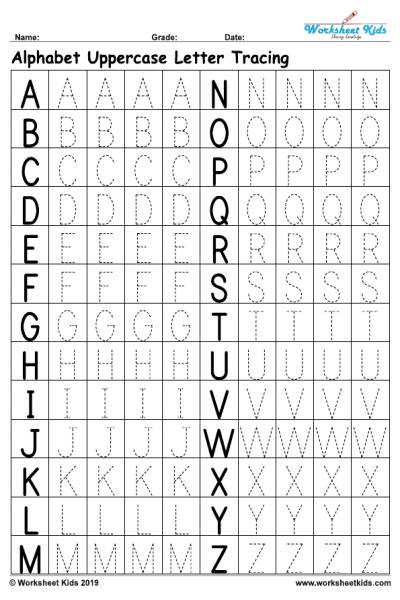
Many children recognize uppercase letters long before their little hands possess the intrinsic muscle strength required to form them on paper. According to the National Association for the Education of Young Children, early writing development relies heavily on playful, purposeful engagement with print alongside scaffolded physical practice. Recognizing this foundational gap between cognitive awareness and motor control transforms how adults approach early literacy. Bridging that divide requires targeted resources that isolate specific letter forms without overwhelming the developing nervous system. The free printable alphabet capital a to z only practice worksheets provide this exact focused environment, stripping away lowercase confusion and extraneous graphics to center entirely on uppercase mastery. It sounds simple, and that’s the point. By focusing purely on capital letters, young learners build essential motor memory and stroke confidence one letter at a time.
💡 Educational Key Takeaways:
- Core Skill: Structured Alphabet Capital A To Z Only Practice Worksheets focused on developing pencil grip, stroke control, and early literacy/math confidence.
- Target Scope: Suited for homeschoolers, preschool, kindergarten, and elementary learners.
- Best Recommendation: Practice 10–15 minutes daily with ergonomic writing tools to reinforce muscle memory without hand fatigue.
What This Worksheet Covers
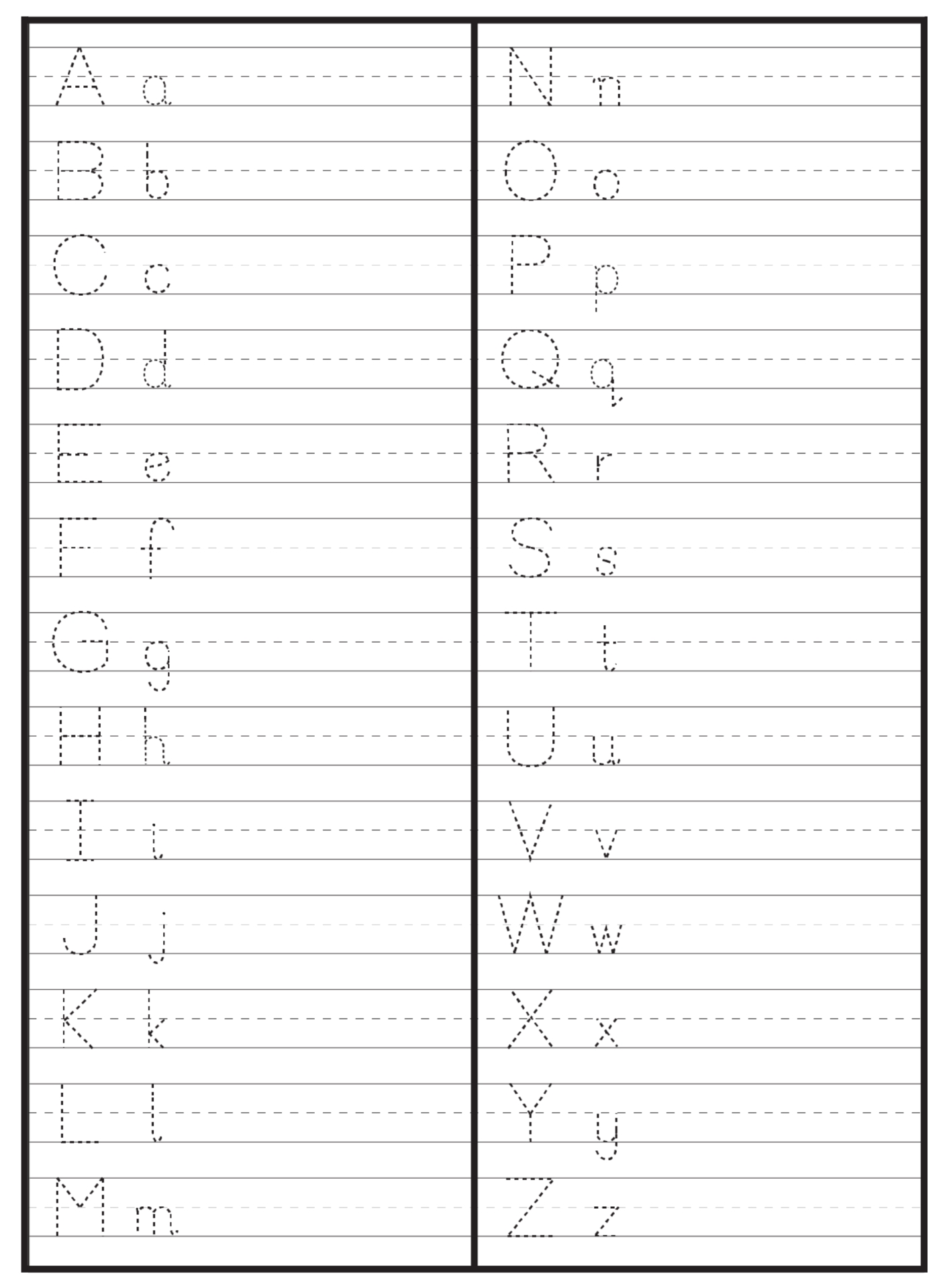
Targeting the entire uppercase alphabet from A through Z, these dedicated sheets focus closely on correct letter formation, starting points, and consistent directional stroke order. Many kindergarten classrooms reveal that children frequently invent their own stroke patterns—such as drawing the letter ‘O’ from the bottom up or constructing an ‘E’ with disconnected floating lines—which ultimately limits writing speed and endurance later in elementary school. These printable pages systematically guide the pencil hand through top-to-bottom and left-to-right trajectories, establishing muscle memory that prevents bad habits from cementing. Exploring the wider collection of Dotted Letters For Tracing further reinforces this spatial awareness, but starting with dedicated uppercase sheets lays the most stable structural foundation possible.
Key Learning Outcomes
Working consistently through these capital-focused pages helps children internalize directional habits, spatial boundaries, and visual discrimination of straight versus diagonal lines. As learners guide their pencils along each dotted path, they actively refine their visual-motor integration, ensuring the brain and hand communicate efficiently to place lines precisely where intended. Furthermore, repeated exposure to the complete uppercase alphabet builds letter recognition alongside tactile familiarity, easing the cognitive load when children eventually transition to writing independent words. According to the American Occupational Therapy Association, mastering foundational pre-writing strokes directly correlates with academic endurance and legibility as writing demands increase in later grades. This deliberate practice also enhances bilateral coordination, as the helper hand stabilizes the paper while the dominant hand executes precise finger and wrist movements.
How to Use This Worksheet
Successful implementation relies on keeping sessions short, engaging, and attuned to the physical stamina of young hands. Setting up a comfortable workspace where feet rest flat on the floor and the table sits at elbow height promotes optimal core stability, which directly influences distal hand control. Adults should observe how the child grasps the writing tool, gently encouraging a functional tripod grasp without causing frustration or fatigue. Integrating these sheets into a morning routine or literacy center works exceptionally well when paired with multi-sensory extensions, such as forming letters in tactile trays before putting pencil to paper. Exploring additional tools within Alphabet And Numbers Tracing can provide a seamless next step once these capital letters become entirely comfortable.
Practical Tips for Parents and Teachers
Scaffolding makes all the difference when a child encounters a particularly challenging diagonal formation like ‘K’ or ‘W’. Adults can model the correct stroke order on a separate page first, verbalizing the directional movements—such as saying “big line down, jump back up, slide in, slide out”—to engage auditory processing alongside visual observation. If hand fatigue sets in halfway down the page, pause the activity or switch to a thicker crayon to maintain positive engagement rather than forcing completion with an incorrect, strained grip. Fostering a supportive, low-pressure environment ensures that children view writing as an exciting form of communication rather than a tedious chore.
Age-Appropriate Recommendations
Aligning with the Head Start Early Learning Outcomes Framework, children aged three to four generally benefit from larger tactile tracing experiences and initial exposure to prominent uppercase letters like their own initials. During this preschool phase, the emphasis rests heavily on gross-to-fine motor transitions and understanding that print carries meaning. For children aged five to eight operating within Kindergarten Common Core standards (CCSS.ELA-LITERACY.L.K.1.A), these worksheets support the formal requirement to print many upper- and lowercase letters independently with proper spacing and form. At this older stage, the goal shifts toward automaticity, encouraging students to form capital letters fluidly without deliberate, conscious thought for every individual stroke.
Mastery of foundational pre-writing strokes and letter formation directly correlates with academic endurance, legible handwriting, and reduced hand fatigue in elementary school. — American Occupational Therapy Association
Frequently Asked Questions
Navigating early writing resources is easier with direct answers to common questions regarding printing setup, fine motor progression, and developmental milestones.
Explore More Free Printable Tracing Worksheets
Supporting a well-rounded fine motor curriculum requires access to diverse resources that adapt as children grow and develop new capabilities. Beyond capital letters, learners often benefit from exploring foundational Shape and Line Tracing pages to refine pencil control. Caregivers, teachers, and homeschoolers can discover a comprehensive library of resources organized by skill level at KidTraces.com to keep early writing practice fresh, engaging, and developmentally appropriate.
Developmental Milestone & Activity Table
| Development Stage | Recommended Daily Duration | Primary Learning Objective |
|---|---|---|
| Preschool & Pre-K | 10 – 15 Minutes | Pencil grip development & basic pre-stroke lines |
| Kindergarten | 15 – 20 Minutes | Letter/number formation & spatial line awareness |
| Early Elementary (Grade 1–2) | 20 – 30 Minutes | Fluency, sentence construction & neatness |
Images References