Introduction
Many children recognize letters and numbers long before their fine motor skills can actually form them on paper. According to the American Occupational Therapy Association, foundational fine motor skills—such as hand strength, bilateral coordination, and finger dexterity—are essential precursors to functional handwriting and everyday classroom tasks. Watching a child grip a pencil with a whole-hand fist while trying to remember a series of digits reveals the exact gap between cognitive awareness and physical execution. Bridging that gap requires targeted practice that makes pencil control feel purposeful rather than tedious. Phone number tracing worksheets offer a brilliant solution by turning abstract numerical sequences into meaningful, practical hand-eye coordination exercises. These printables give children a structured way to practice numeral formation while embedding critical safety knowledge into daily motor skill routines. Every stroke builds the muscle memory necessary for future academic success, transforming a simple safety drill into an engaging pre-writing workout.
💡 Educational Key Takeaways:
- Core Skill: Structured Phone Number Tracing Worksheets focused on developing pencil grip, stroke control, and early literacy/math confidence.
- Target Scope: Suited for homeschoolers, preschool, kindergarten, and elementary learners.
- Best Recommendation: Practice 10–15 minutes daily with ergonomic writing tools to reinforce muscle memory without hand fatigue.
What This Worksheet Covers
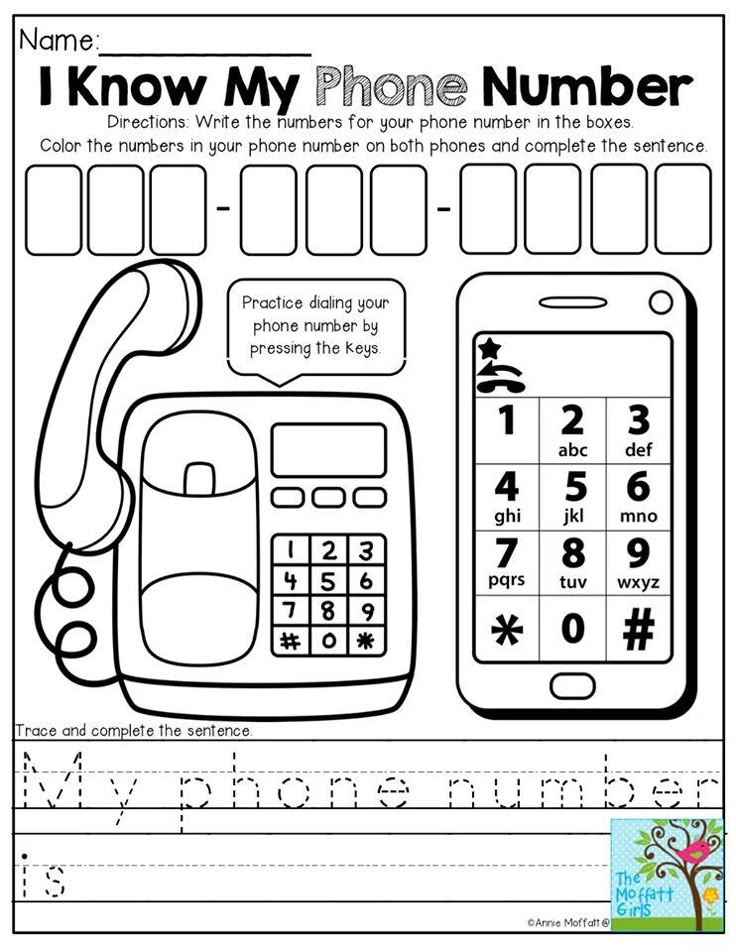
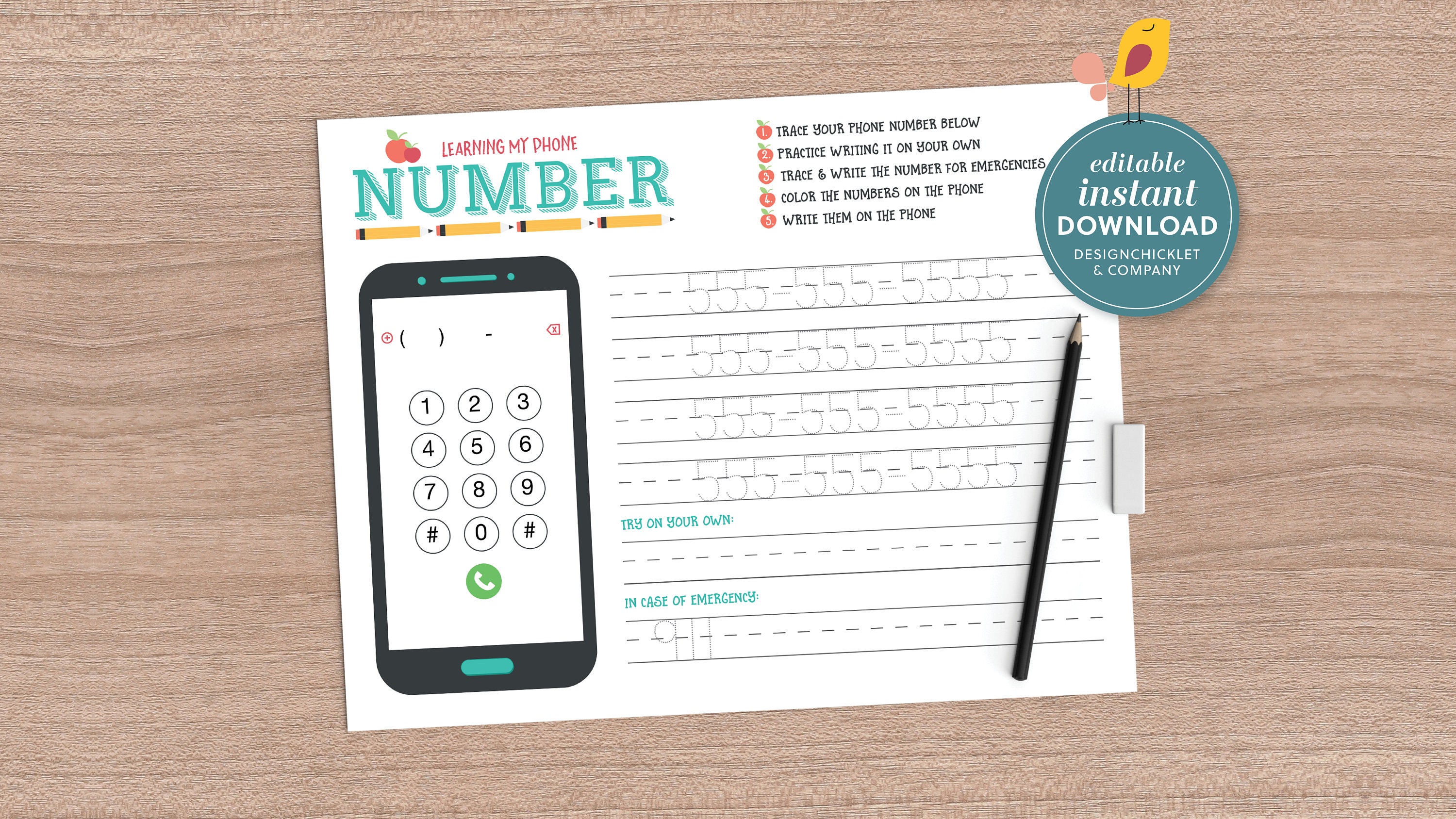
Phone number tracing printables focus heavily on numeral formation, visual-spatial awareness, and sequential memory. Mastering numbers zero through nine requires specific stroke orders, starting points, and directional awareness that differ vastly from standard alphabet instruction. When young learners trace a familiar ten-digit string, they engage in continuous hand movement that builds endurance across the small intrinsic muscles of the hand. It sounds simple, and that’s the point: repetition of these specific digits reinforces correct pencil paths while simultaneously teaching vital emergency information. Beyond basic number formation, these sheets guide children through consistent spacing, teaching little fingers to manage left-to-right progression across a narrow page layout. Many kids struggle with sizing, often making numbers too large to fit inside standard writing lines, but structured digit tracing provides the visual boundaries needed to scale handwriting down appropriately. Furthermore, the repetitive nature of tracing individual numbers helps eliminate common reversals, such as backward threes and mirrored sevens, by establishing strong neuromuscular pathways in the developing brain.
Key Learning Outcomes
Working through these specialized templates yields several distinct developmental milestones for early learners. Children dramatically improve their numeral formation accuracy and pencil control through guided stroke repetition. Hand-eye coordination strengthens significantly as eyes track multi-digit sequences from left to right across the sheet. Fine motor endurance increases, allowing young writers to complete longer writing tasks without experiencing hand fatigue or cramping. In addition to physical progress, learners memorize a crucial piece of personal safety information that can be called upon in an emergency. Cross-referencing these benefits with broader developmental goals highlights the value found within the Tracing Number collection, where foundational math skills meet essential writing practice.
How to Use This Worksheet
Introducing a new tracing page works best when physical preparation matches cognitive readiness. Begin by ensuring the child sits with feet flat on the floor and hips at a ninety-degree angle, which provides the core stability necessary for controlled hand movements. Encourage a dynamic tripod grasp where the pencil rests comfortably between the thumb, index, and middle fingers, allowing the wrist to move freely across the page. It helps to practice tracing the numbers in the air or over a textured surface first to engage tactile memory before the pencil touches paper. Adults should guide the child’s hand gently through the initial strokes to demonstrate proper starting points and directional flow, gradually fading physical assistance as confidence builds. Integrating these sheets into a morning routine or a quiet afternoon center time creates a predictable rhythm that encourages steady, frustration-free progress.
Practical Tips for Parents and Teachers
Scaffolding the activity makes a tremendous difference for children who tire easily or experience frustration with fine motor tasks. Slide the printed page inside a heavy-duty clear dry-erase pocket and let children use thin dry-erase markers for low-stakes practice that allows endless erasing. Here’s what makes this approach effective: removing the permanence of ink lowers anxiety and encourages experimentation with pencil grip and pressure. For children needing extra sensory input, trace the dotted lines with a finger dipped in paint or textured glue before using a writing utensil. Teachers and parents can easily extend the learning by reciting the numbers out loud in a rhythmic pattern, turning visual tracing into an auditory memory game. When children master basic digit control, transition them toward broader pre-writing foundations found within the Fine Motor and Pre-Writing Skills hub to keep their developmental momentum moving forward.
Age-Appropriate Recommendations
According to the National Association for the Education of Young Children guidelines on developmentally appropriate practice, learning experiences for young children must match their current physical and cognitive stages. For children ages two to four, the focus should remain on gross motor preparation, large-scale tracing, and understanding that symbols carry meaning. At this stage, adults should accept whole-hand grasps and focus purely on exposure to numbers rather than rigid handwriting perfection. For older children ages five to eight, expectations shift toward proper pencil grip, accurate stroke order, and independent completion of structured number sequences. During these early elementary years, practicing safety digits aligns wonderfully with foundational math and literacy expectations. To explore more targeted practice materials tailored specifically for early learners, browse the wider selection at Tracing Worksheets for continuous skill development.
Foundational fine motor skills—such as hand strength, bilateral coordination, and finger dexterity—are essential precursors to functional handwriting and everyday classroom tasks. — American Occupational Therapy Association
Frequently Asked Questions
Navigating early writing resources is much easier with clear answers to common questions about printing, skill progression, and developmental milestones.
According to the National Center for Learning Disabilities, explicit multisensory instruction in handwriting and symbol formation significantly improves overall literacy and fine motor retention. — National Center for Learning Disabilities
Explore More Free Printable Tracing Worksheets
Supporting a young writer involves offering a rich variety of engaging, developmentally appropriate challenges every single week. Children thrive when given fresh materials that target specific pencil control skills, letter formation rules, and creative themes. Exploring the full library at KidTraces.com provides endless opportunities to nurture confidence and precision in every budding author. Whether focusing on early strokes or complex letter combinations, having reliable printables on hand makes learning an absolute joy.
Developmental Milestone & Activity Table
| Development Stage | Recommended Daily Duration | Primary Learning Objective |
|---|---|---|
| Preschool & Pre-K | 10 – 15 Minutes | Pencil grip development & basic pre-stroke lines |
| Kindergarten | 15 – 20 Minutes | Letter/number formation & spatial line awareness |
| Early Elementary (Grade 1–2) | 20 – 30 Minutes | Fluency, sentence construction & neatness |
Images References