Introduction
Many children recognize letters, numbers, and symbols long before their fine motor skills can consistently form them on a blank page. According to the American Occupational Therapy Association, foundational hand strength and visual-motor integration must develop in tandem to support functional handwriting over time. Bridging that cognitive and physical gap requires intentional, scaffolded practice that builds pencil control safely and playfully. Utilizing structured materials like tracing shape3s and number gives learners the visual anchors they need to understand stroke direction, boundary control, and spatial awareness. Observing a child struggle with an unlined page often reveals a lack of pre-writing mechanics rather than a lack of understanding. It sounds simple, and that is precisely the point. Removing the burden of creative composition allows young minds to focus entirely on the physical act of formation. Here’s what makes this worksheet different: it pairs geometry with numeration to engage both logical thinking and physical coordination simultaneously.
💡 Educational Key Takeaways:
- Core Skill: Structured Tracing Shape3S And Number focused on developing pencil grip, stroke control, and early literacy/math confidence.
- Target Scope: Suited for homeschoolers, preschool, kindergarten, and elementary learners.
- Best Recommendation: Practice 10–15 minutes daily with ergonomic writing tools to reinforce muscle memory without hand fatigue.
What This Worksheet Covers
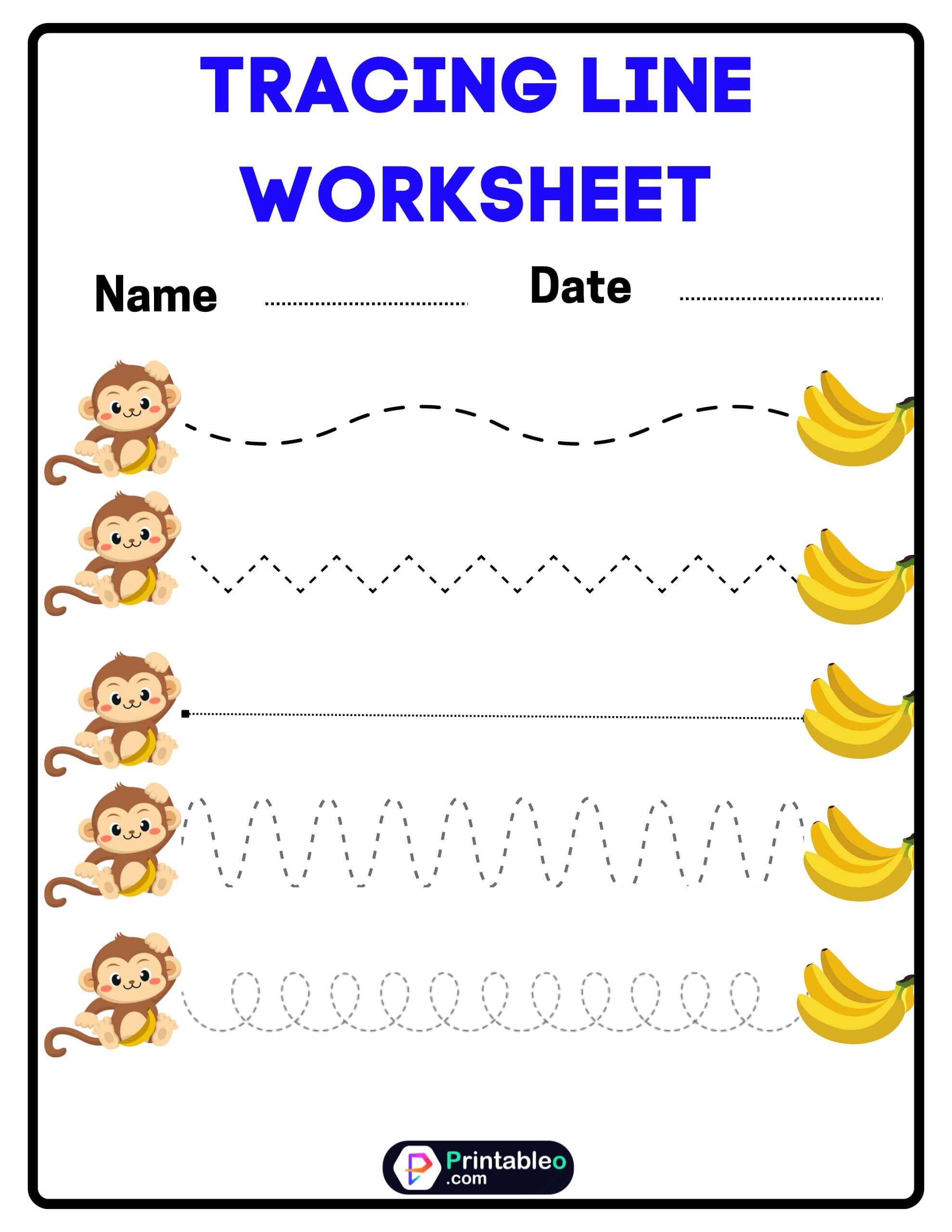
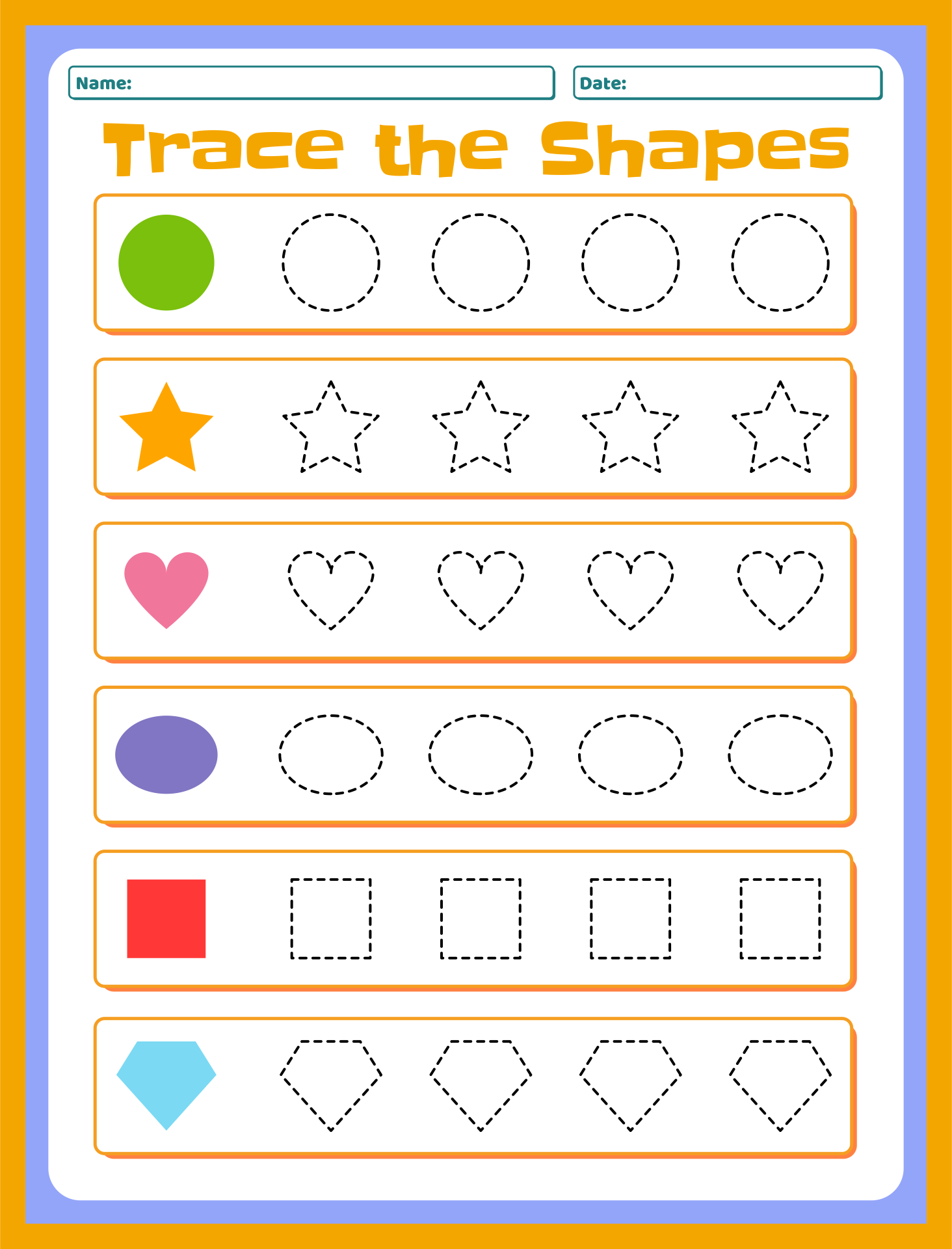
Targeting both foundational geometry and early mathematical symbols, this resource provides purposeful practice across multiple developmental domains. Children encounter foundational geometric shapes—such as circles, triangles, and squares—which rely heavily on continuous line control, sharp corner transitions, and visual closure. Alongside these geometric elements, numerals take center stage to introduce strict stroke order, top-to-bottom formation, and proportional scaling. Each section uses targeted line widths and clear starting dots to guide the writing hand through complex trajectories. Working through these exercises helps children master the curved loops of numbers like three and eight, as well as the intersecting lines found in shapes. Building confidence with these core components lays the groundwork for advanced academic tasks found in broader Tracing Worksheets.
Key Learning Outcomes
Learners engaging with these pages will systematically develop bilateral hand coordination by holding the paper steady with one hand while the dominant hand traces. Stroke accuracy improves dramatically as children learn to keep their pencil tips within defined visual boundaries without veering off course. Visual-motor integration solidifies because the brain learns to translate visual paths on the page into precise hand movements in real-time. Hand strength and endurance increase naturally as tiny finger muscles sustain the dynamic tripod grip required for accurate line tracking. Finally, directional awareness becomes second nature, reinforcing left-to-right progression and top-to-bottom habits that translate directly into reading and writing fluency across all subjects.
How to Use This Worksheet
Implementation requires a balance of patience, observation, and gentle physical guidance depending on the specific needs of the child. Begin by observing how the learner approaches the page, noting any wrist wrapping, excessive finger tension, or awkward thumb positioning. Introduce thick pencils, broken crayons, or short writing tools to naturally encourage a functional grasp without forcing an uncomfortable posture. Encourage children to trace the shapes and numbers with a finger first before touching a writing utensil to internalize the movement pattern kinesthetically. It sounds simple, but that tactile rehearsal engages muscle memory before the pencil ever hits the paper. Consistent, short practice sessions yield far better outcomes than long, exhausting drills that lead to hand fatigue and frustration.
Practical Tips for Parents and Teachers
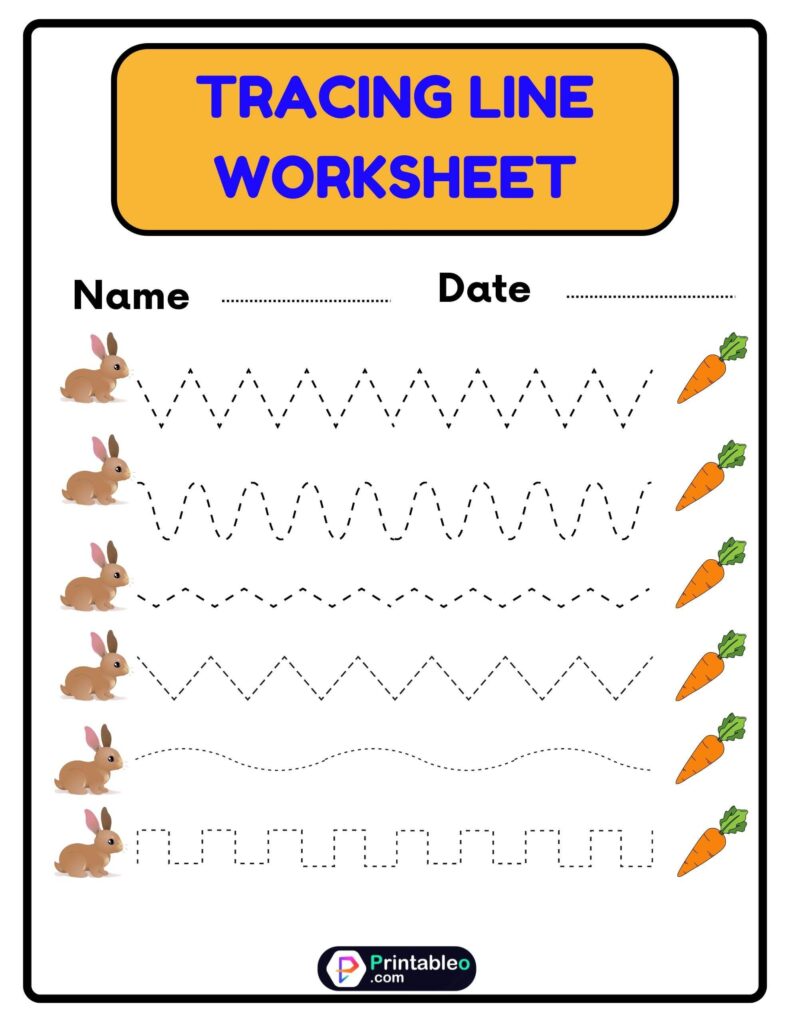
Adults play a crucial role in scaffolding this process by modeling correct stroke order aloud while the child watches closely. Instead of taking over when a line goes astray, gently guide the child’s elbow or pause the session before frustration sets in. Extend the learning experience by having children sculpt the shapes and numbers out of playdough or trace them in a tray filled with salt or sand. Keep writing tools varied, offering scented markers or colored pencils to maintain high engagement without changing the core mechanics of the task. For children who need extra support with straight lines and curves, exploring dedicated exercises within Shape and Line Tracing can provide additional foundational practice before returning to number formations found in Tracing Number.
Age-Appropriate Recommendations
According to the National Association for the Education of Young Children (NAEYC) Developmentally Appropriate Practice, children aged two to four benefit most from large-scale motor movements, vertical surface tracing, and exploring basic geometric shapes with thick writing tools. At this stage, perfection is entirely secondary to exploring how hands move across a physical space. For children aged five to eight, the focus shifts toward precision, correct numeral starting points, proportional scaling, and stamina during longer writing tasks. Aligning expectations with developmental readiness prevents burnout and fosters a lifelong positive attitude toward independent writing. When children master these early strokes, they build a sturdy bridge toward mastering letters, which can be further explored through targeted resources like Dotted Letters For Tracing.
According to the Centers for Disease Control and Prevention (CDC) developmental milestones, young children typically develop the ability to copy basic shapes like circles and horizontal lines between the ages of three and four. — CDC Milestones
Frequently Asked Questions
Explore More Free Printable Tracing Worksheets
Supporting a child’s early writing journey requires a rich variety of engaging, accessible materials that grow alongside their developing skills. Every child progresses at an individual pace, moving from simple pre-writing lines to complex number formations and detailed letter tracing. Discover a comprehensive collection of expert-designed resources tailored for every stage of development by visiting the full library at KidTraces.com. Whether looking to reinforce pencil control or build foundational hand strength, exploring these collections helps make every learning moment purposeful and enjoyable.
Developmental Milestone & Activity Table
| Development Stage | Recommended Daily Duration | Primary Learning Objective |
|---|---|---|
| Preschool & Pre-K | 10 – 15 Minutes | Pencil grip development & basic pre-stroke lines |
| Kindergarten | 15 – 20 Minutes | Letter/number formation & spatial line awareness |
| Early Elementary (Grade 1–2) | 20 – 30 Minutes | Fluency, sentence construction & neatness |
Images References